Recipe: Birra all’Uva Italian Grape Ale
Subscriber
We based this recipe on parameters shared by Gianriccardo Corbo, the brewer who wrote the BJCP guidelines for Italian grape ale (IGA).
By Gianriccardo Corbo

73 articles in this category
We based this recipe on parameters shared by Gianriccardo Corbo, the brewer who wrote the BJCP guidelines for Italian grape ale (IGA).
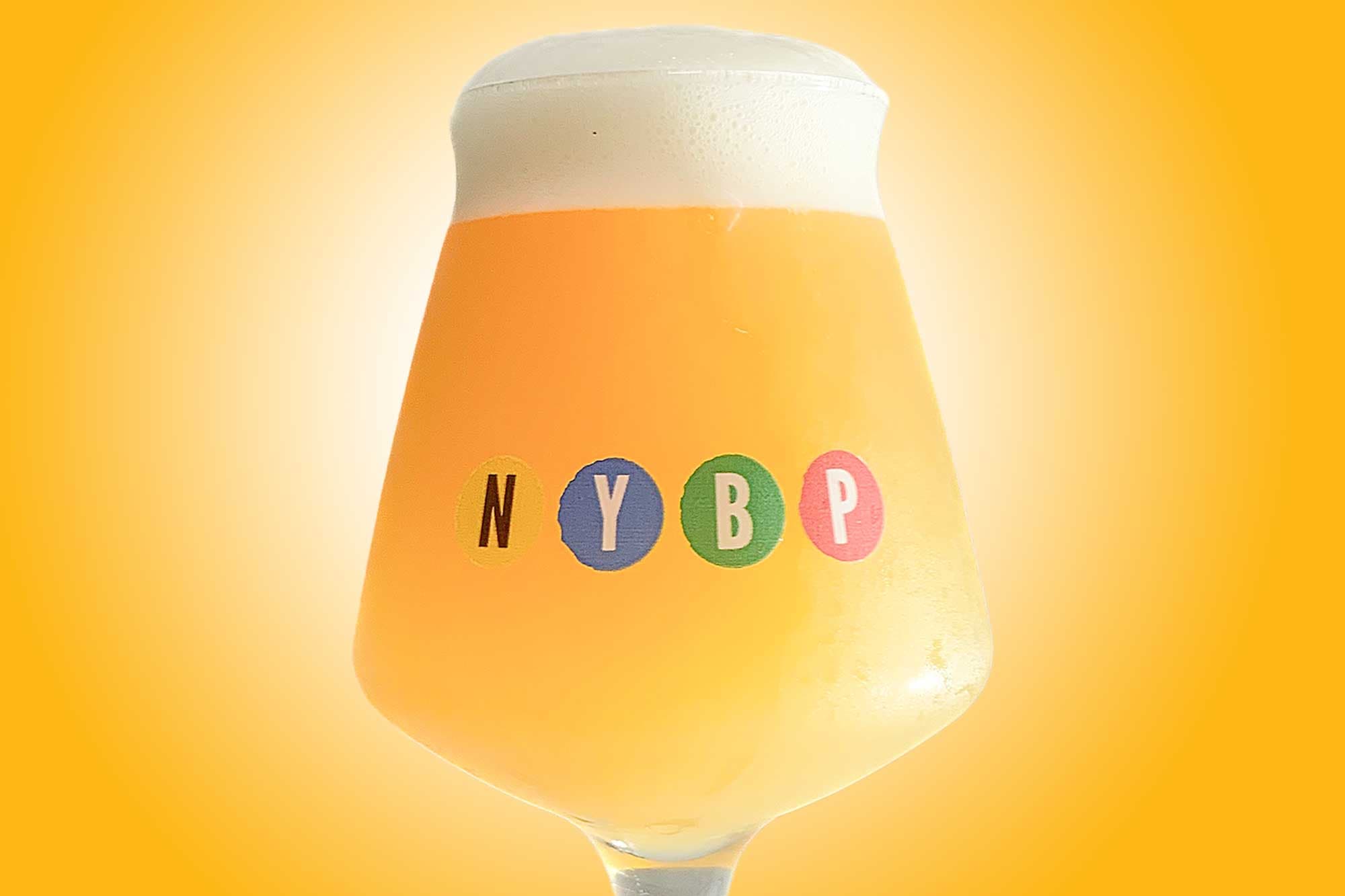
From New York Beer Project in Victor, New York, head brewer John Hyman shares this recipe for the experimental New England–style IPA that won back-to-back golds at the Great American Beer Festival. Besides hops selected for their bright, fruit-forward flavors, Hazy Crush features a cold-side addition of dried fruit and hibiscus flowers.
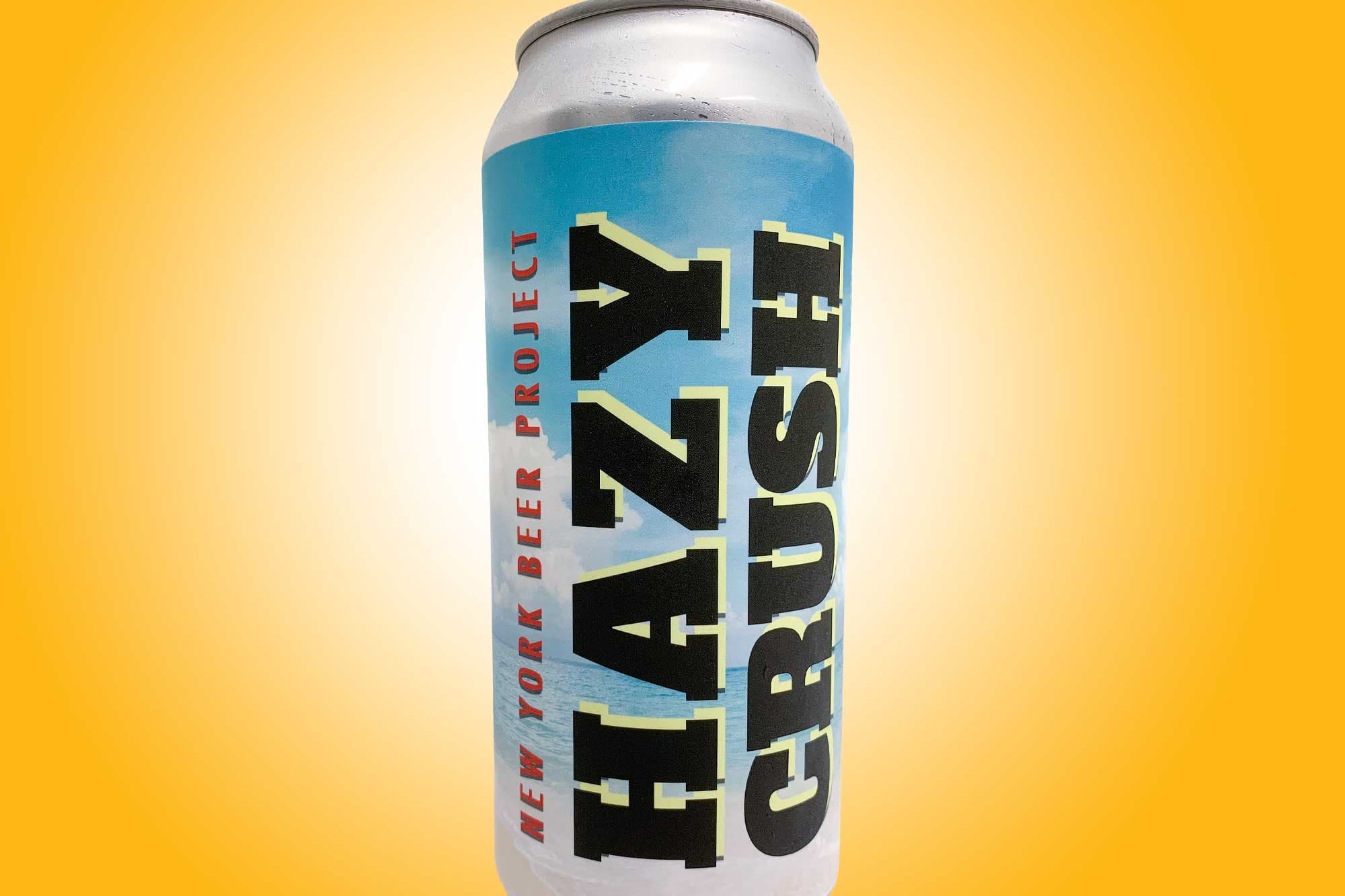
Winner of back-to-back gold medals for experimental IPA at the Great American Beer Festival, NYBP head brewer John Hyman lays out the makings of their super-tropical Hazy Crush.
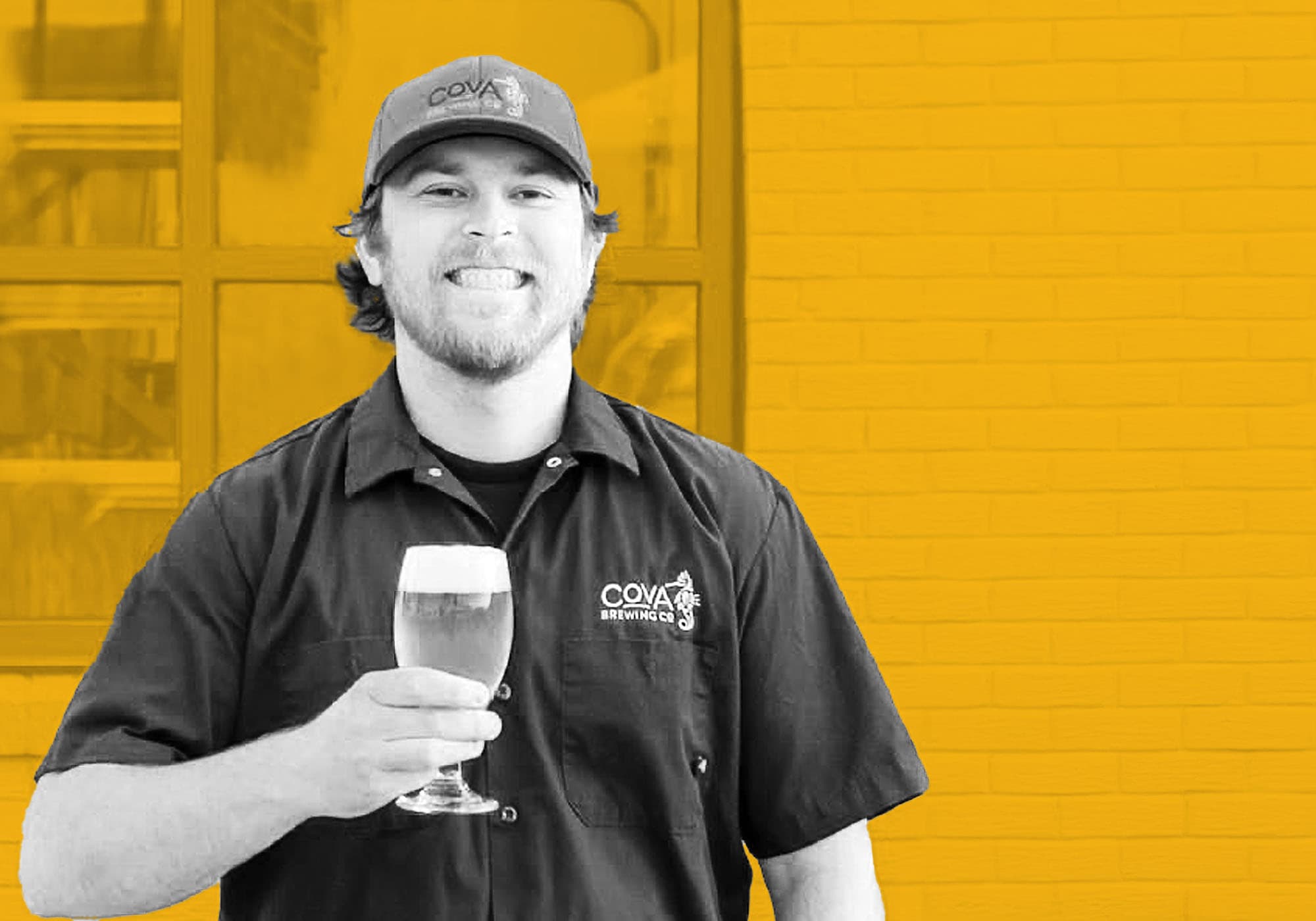
Some beers win so many medals that they become institutions—and with three World Beer Cup gold medals in five years, COVA’s Aloha State of Mind is making its claim. Brewmaster Matt Topping shares his secrets.
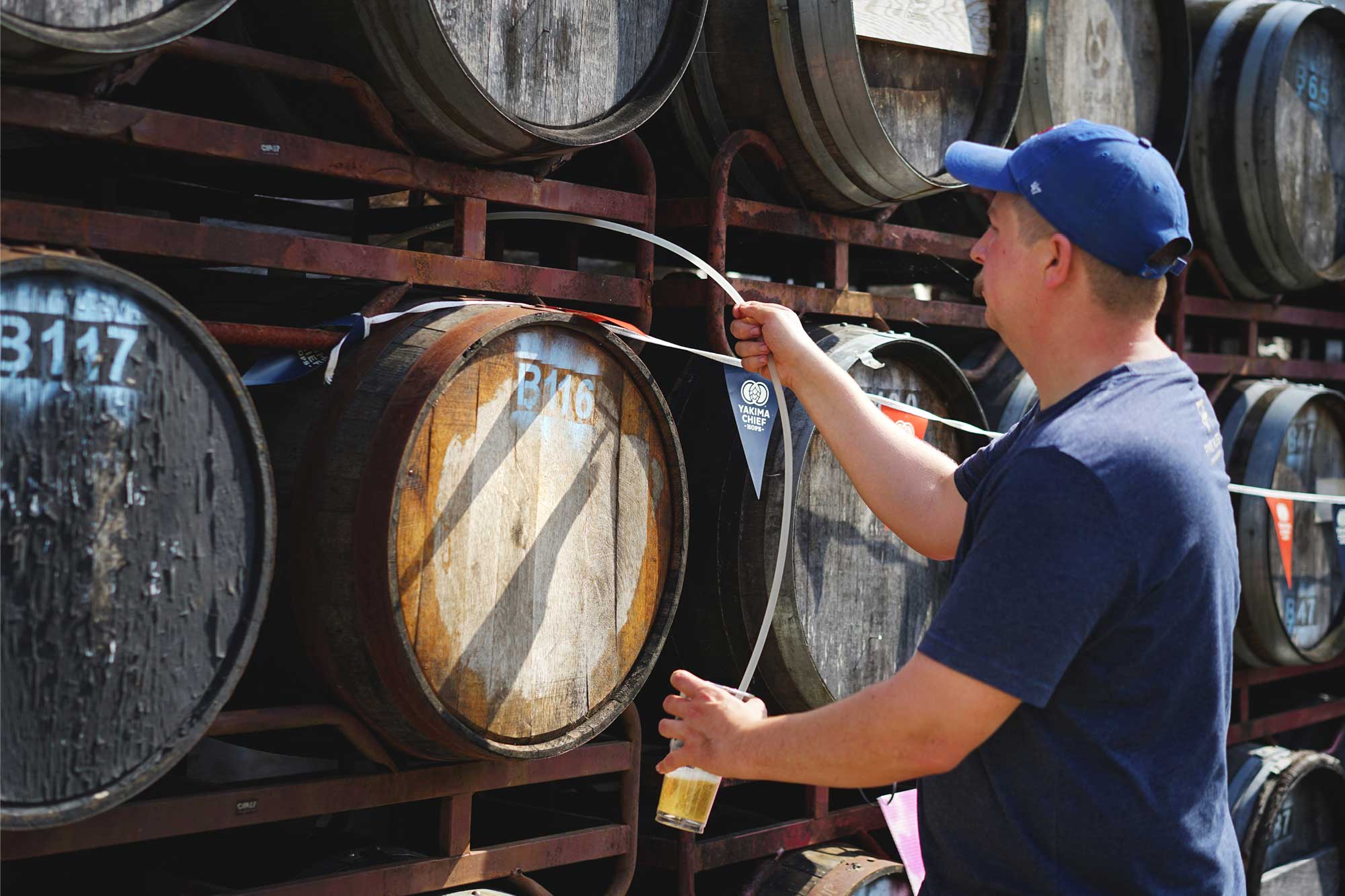
From Dan Wye, head of the Origins project at Fyne Ales in Cairndow, Scotland, here’s a recipe from one of his mixed-culture wine chimeras—containing no grapes, but with flavors inspired by sauvignon blanc wine from France’s Loire Valley.
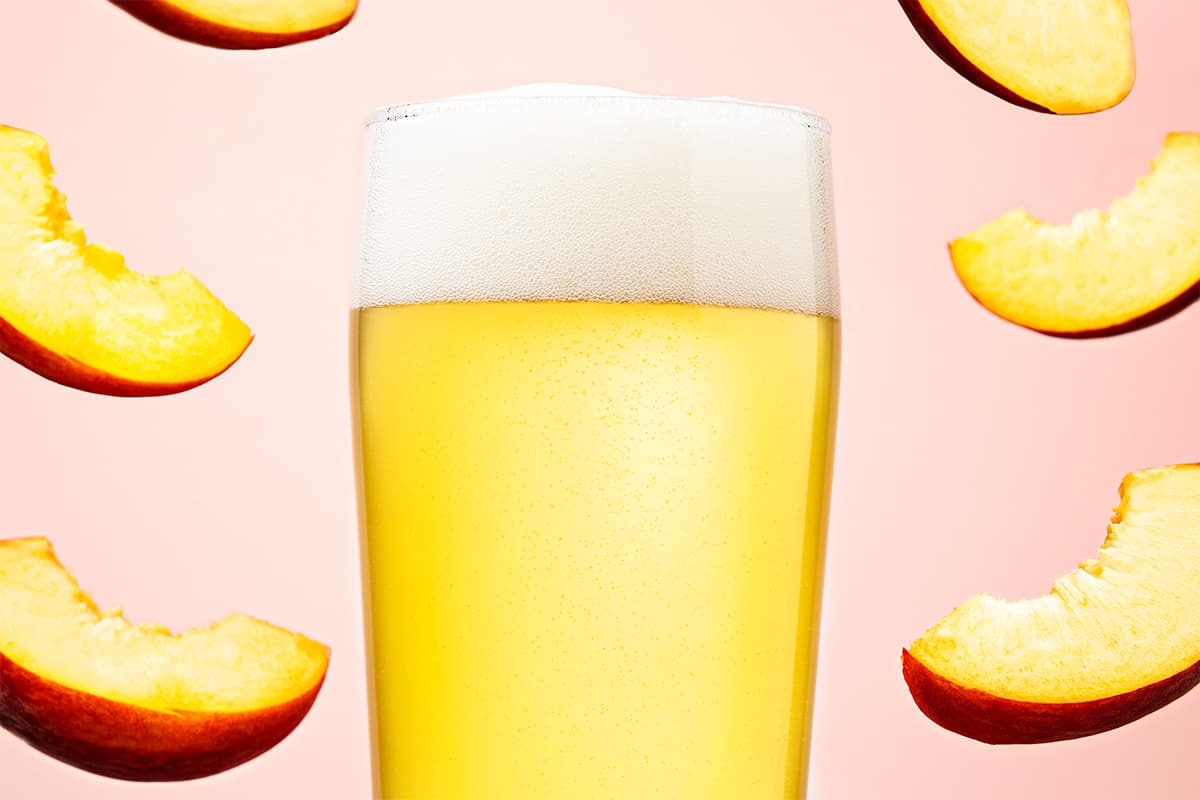
Here are two recipes in one: first the peach soda, which you can modify depending on your own chosen fruit, then an extract-brewed helles that you can blend to your liking.
Beer purists might look down their noses at the humble radler and other shandies, but crafting your own soda to blend with your own beer is a flavor-driven project any brewer can appreciate.
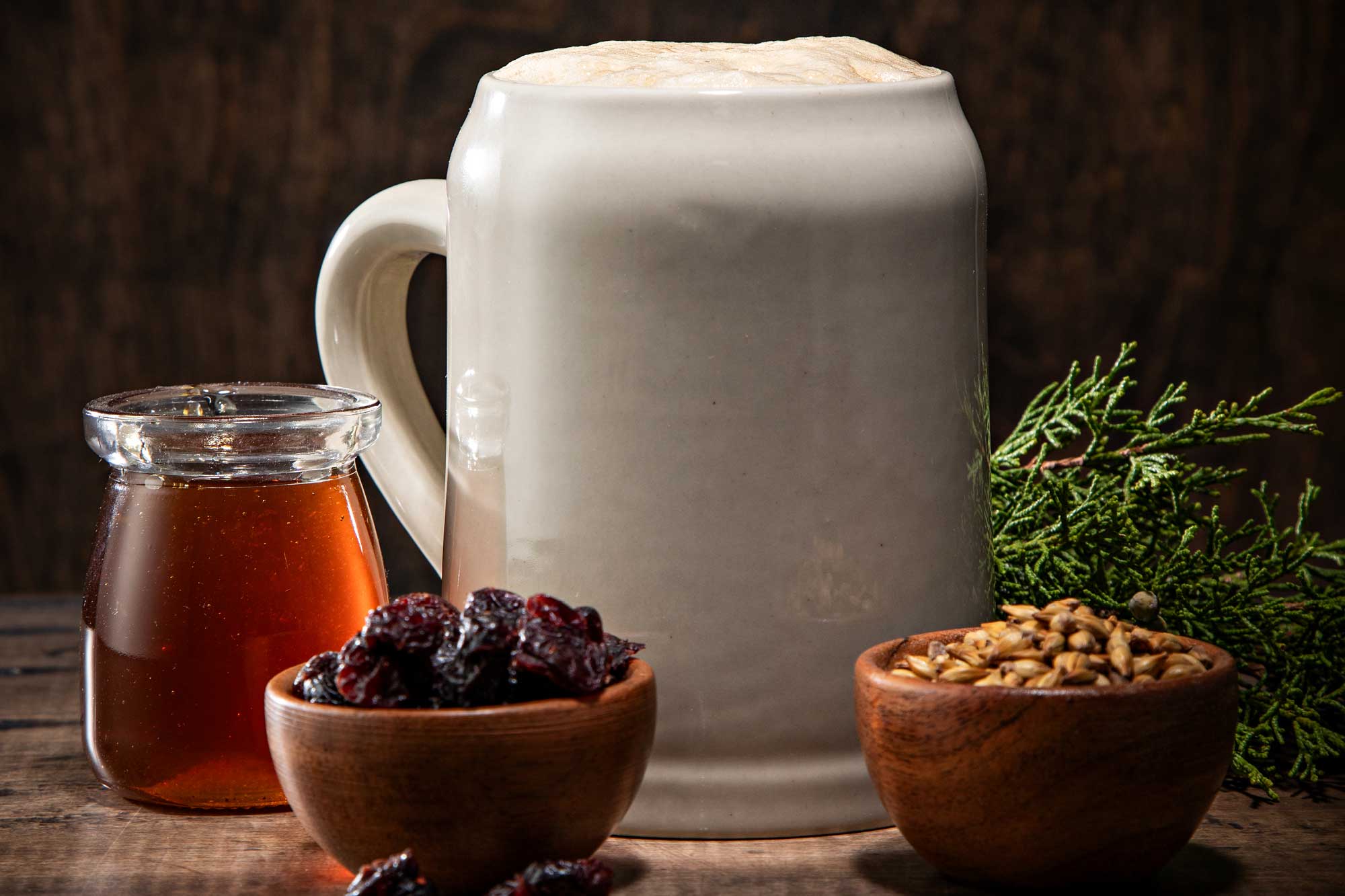
With conjecture based on archaeological findings, here’s a recipe for a mixed grog—in this case, an ale that includes herbs, honey, and fruit—of the sort that well-to-do, Bronze Age Danes might have enjoyed on special occasions and then (literally) taken to their graves.
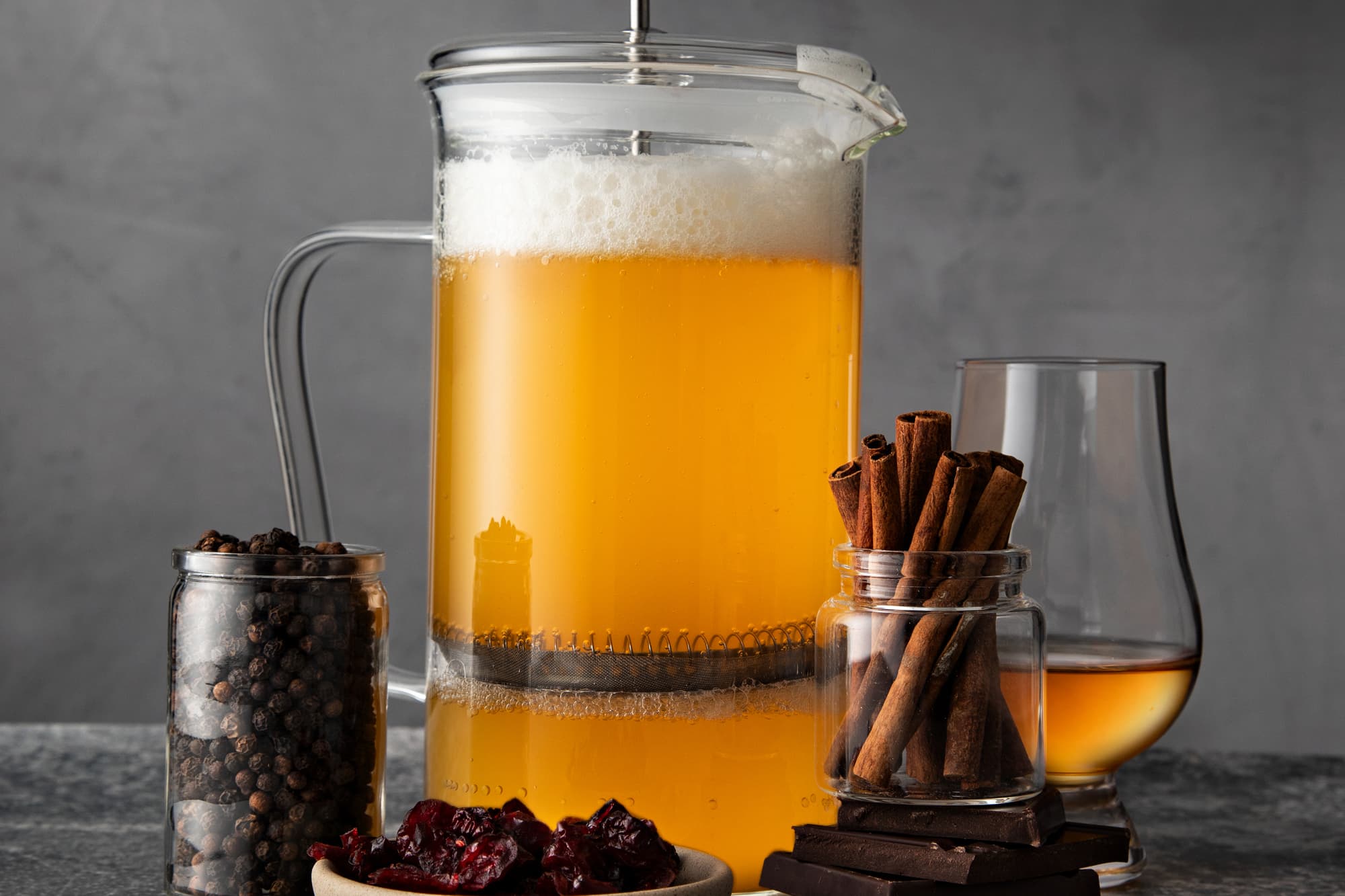
This is a go-to recipe for the winter holidays. It’s easy to brew and makes use of cranberries for some seasonal flavor. It also makes a tasty base for experimenting with Renée and various infusions, whether at holiday festivities or just messing around in the kitchen at home.
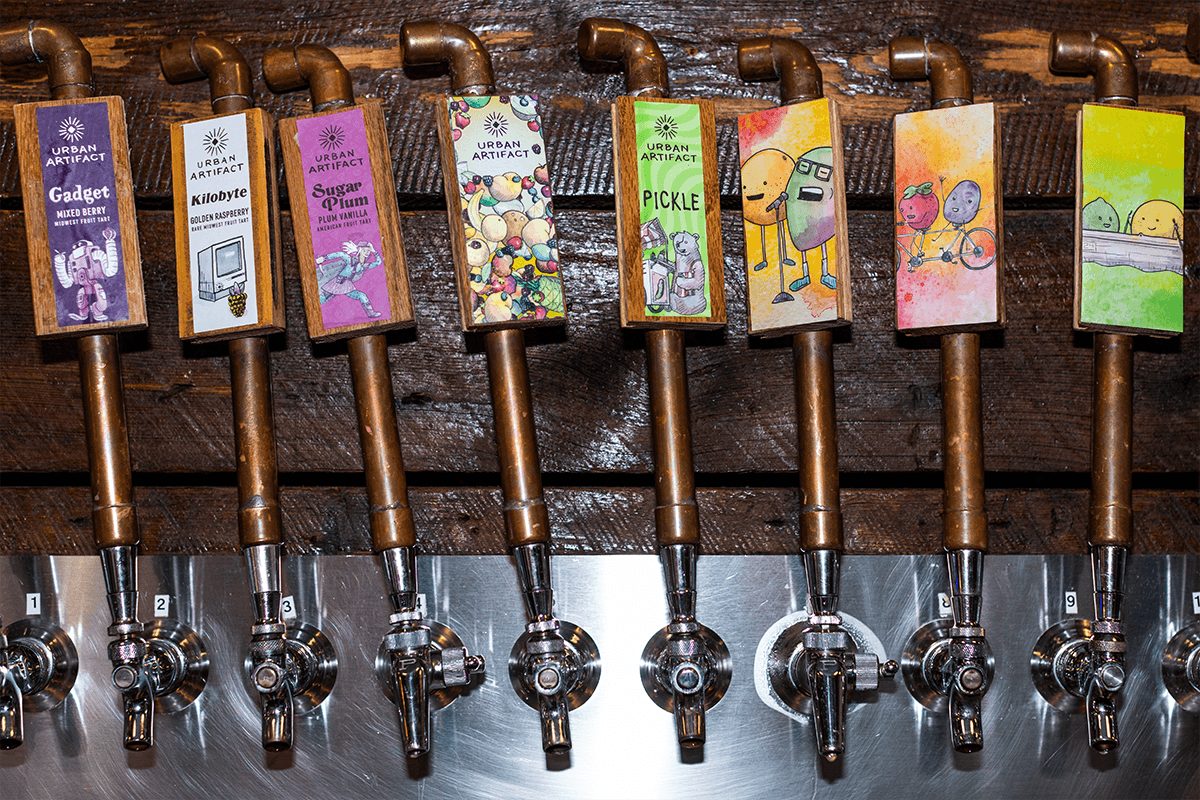
In this extended bonus clip from his video course, Urban Artifact cofounder and COO Bret Kollman Baker explains how to dial in acidity, sweetness, and a carefully managed fermentation for a fruit beer that excels.
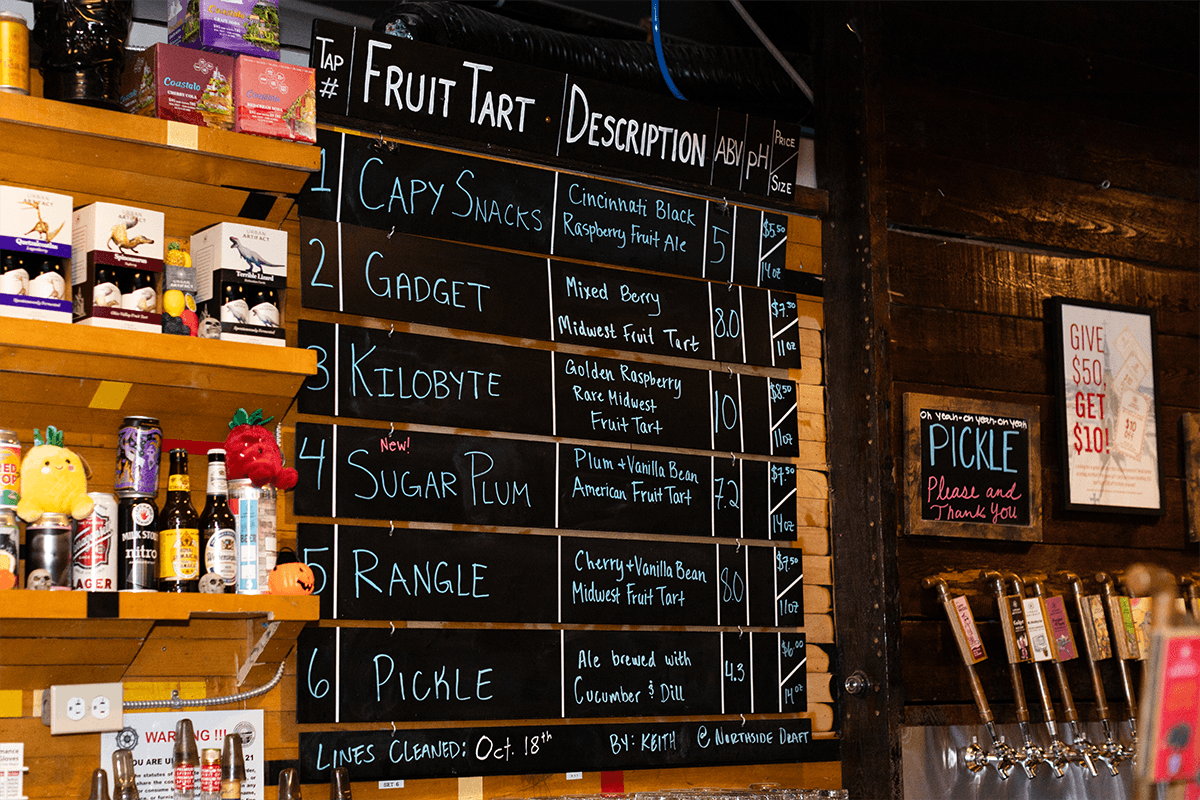
Tannins are a key part of what makes many great fruit beers taste like fruit—and it’s something you can easily adjust as a brewer.
Flavor extracts and WONFs—additives “with other natural flavors”—could both have a place in the making of a great fruit beer, says Urban Artifact’s Bret Kollman Baker. But it helps to have a deft hand and clear communication with your supplier.
A puree is not a puree is not a puree. In this clip from his video course, Urban Artifact cofounder and COO Bret Kollman Baker explains why it’s important to know exactly what you’re buying when you’re sourcing puree for a fruit beer.
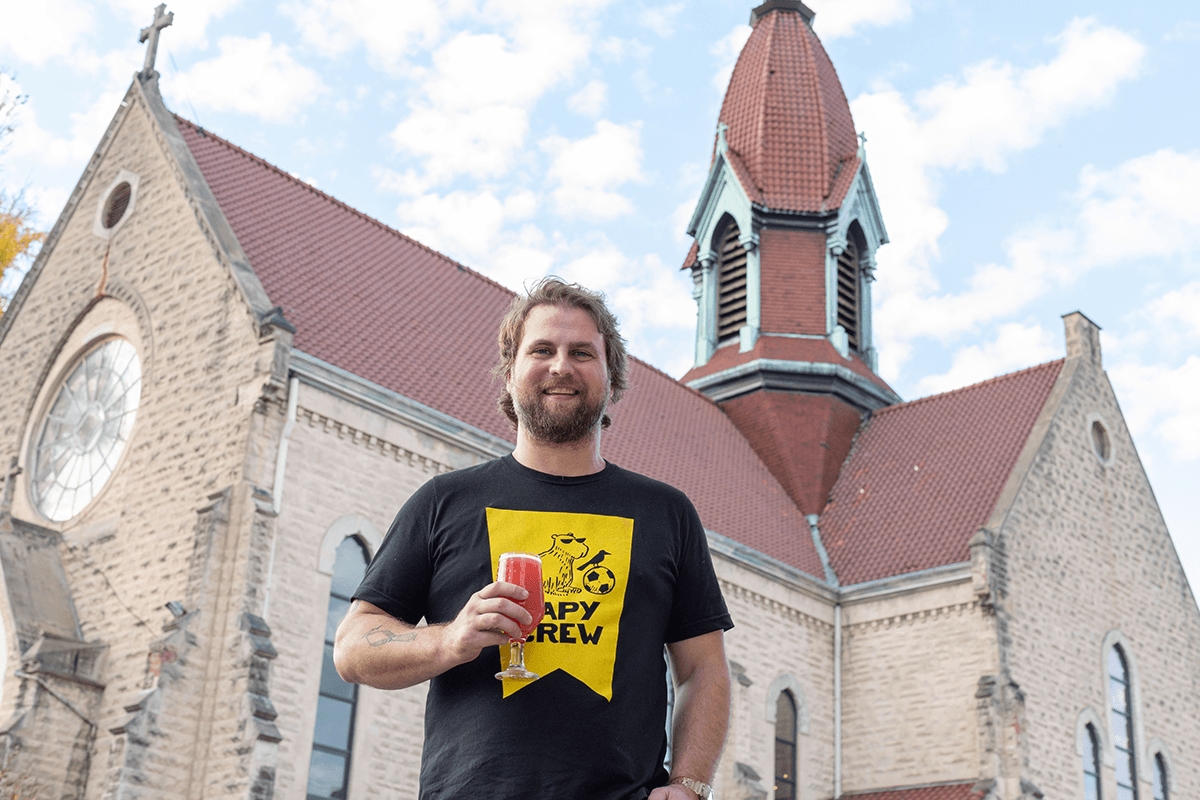
Bret Kollman Baker, cofounder and chief operations officer of Urban Artifact in Cincinnati, slices into the core of what goes into brewing the kind of fruited sour beer that keeps people coming back for more.
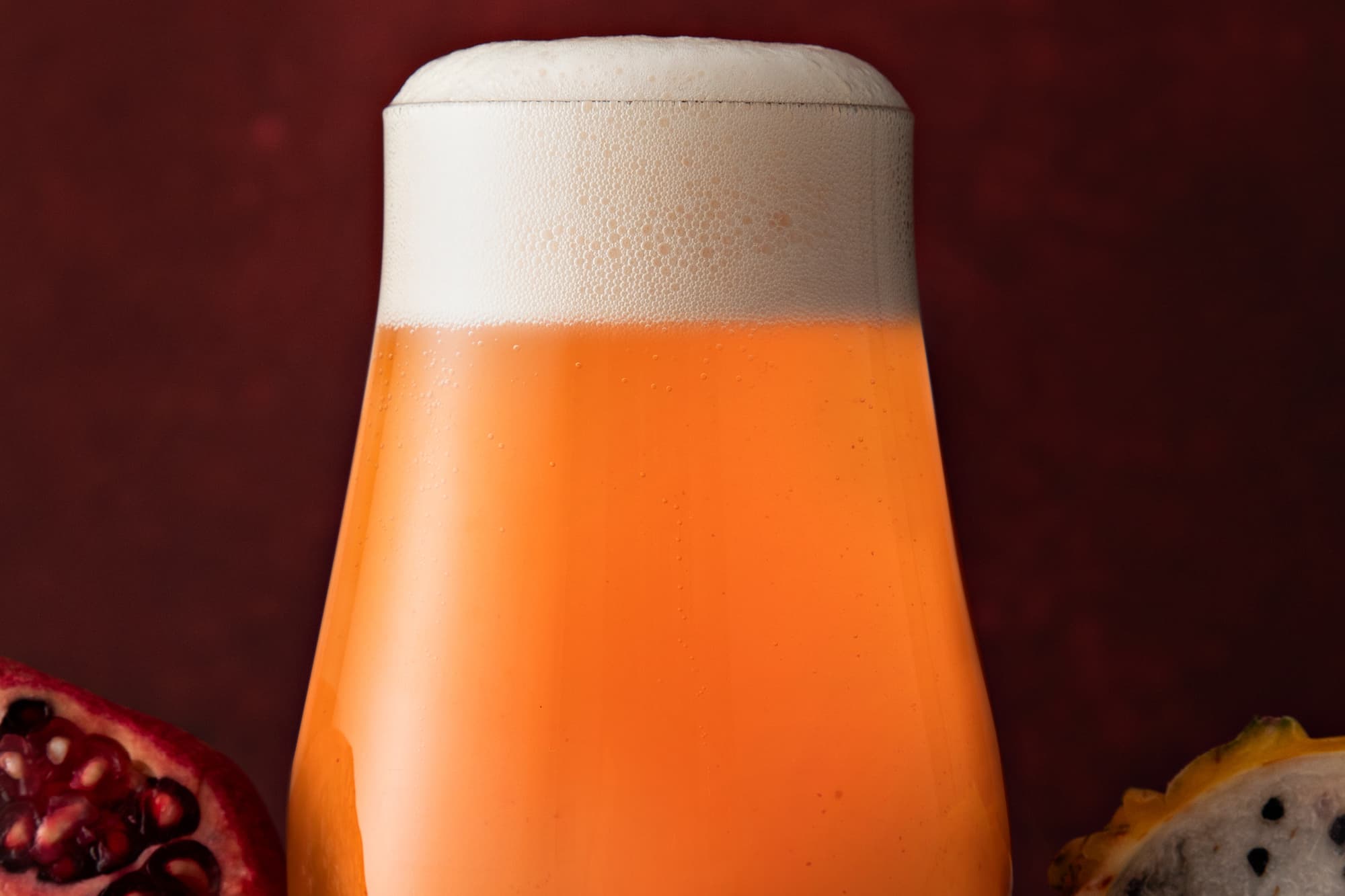
Josh Weikert prowled his local produce aisle following a simple principle: Buy what looks best, and go with the freshest fruit you can get. That led him to guava and passion fruit, a dynamic for this Brazilian-inspired tart fruit beer.
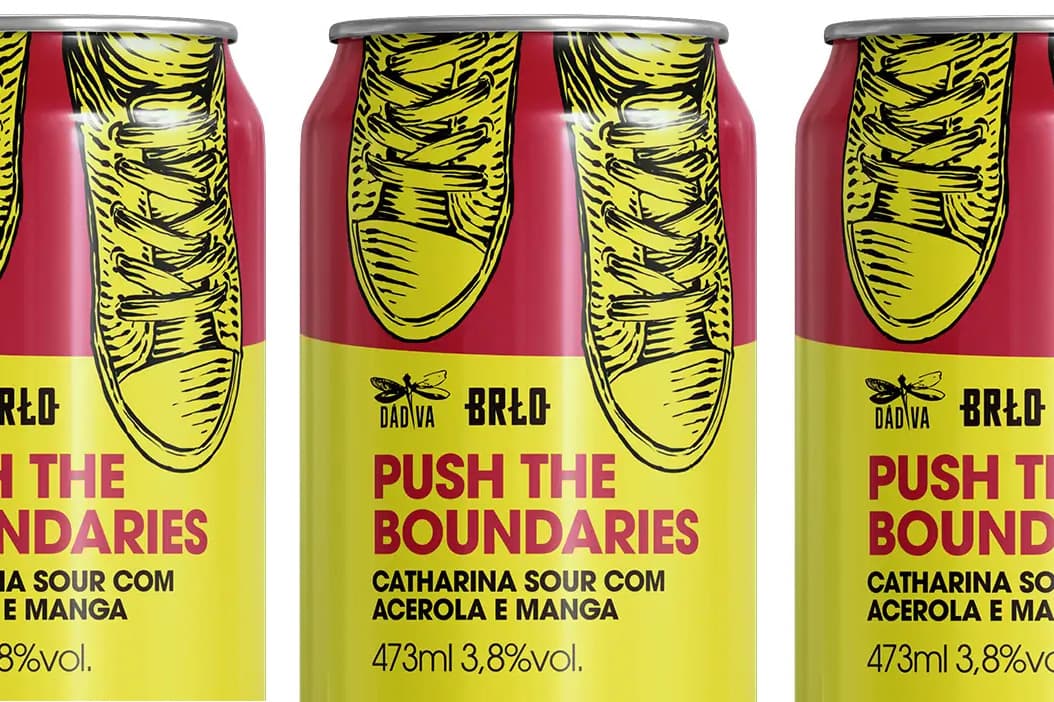
From Dádiva brewery in São Paulo with BRLO in Berlin, this German-Brazilian take on the Catharina sour combines fresh mango and cherry-like acerola for bright, tropical fruit flavors.
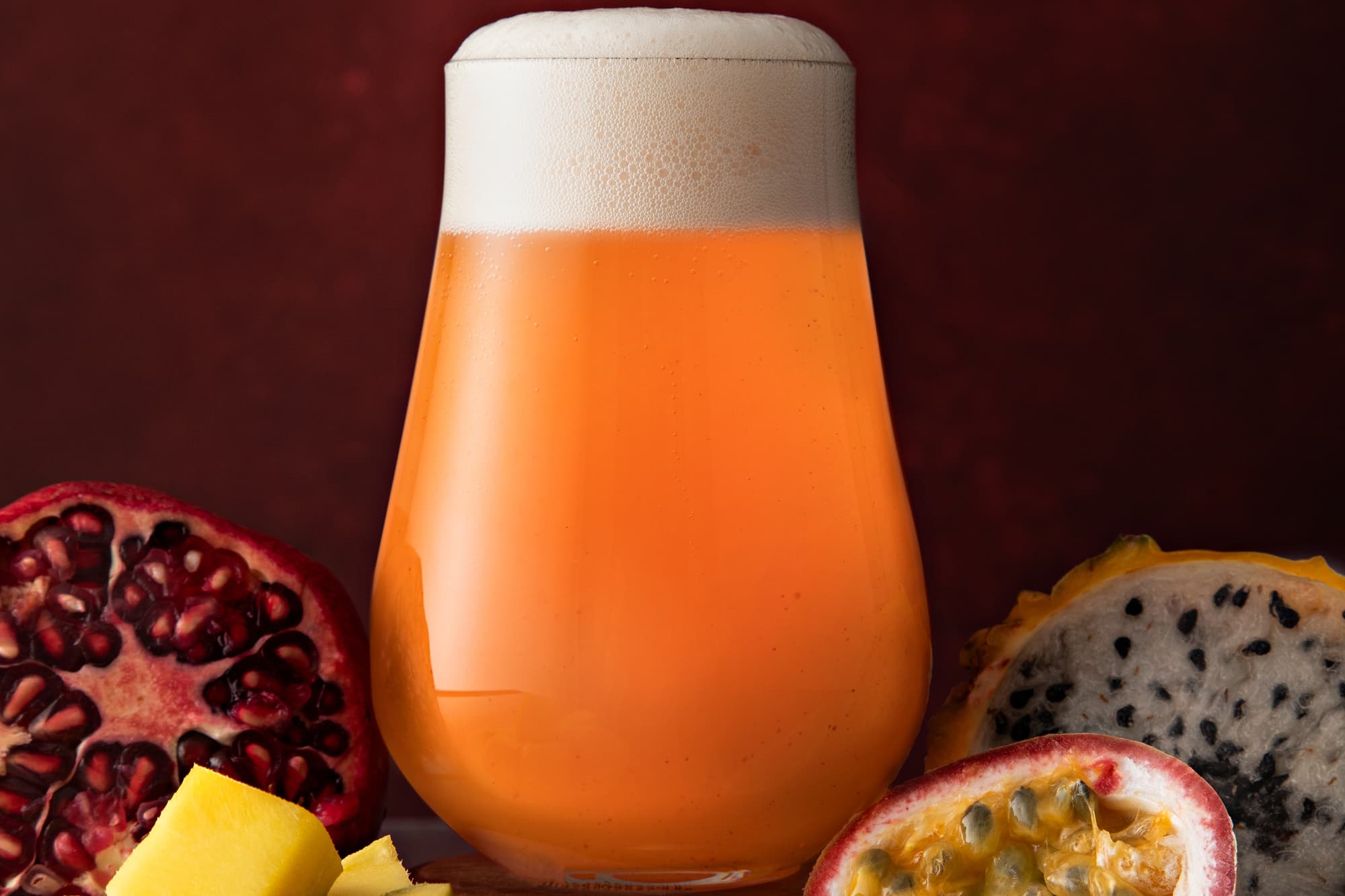
Brazil’s take on tart fruit beer—the Catharina sour—has its own name and moves, but brewers anywhere can follow the steps.
From Fifth Street Brewpub in Dayton, Ohio, this farmhouse ale gets a dose of cacao pulp at packaging, showcasing the fruit’s sweetness and tropical character while amplifying similar notes from the strain of Brettanomyces.
From the historic heart of Amsterdam, De Bekeerde Suster brewer Jason Pellett shares this recipe for a hop-forward pale ale that makes use of cacao’s fruity pulp (and a few of the nibs).

Cacao isn’t just for chocolate beers—around those nibs is a whole fruit with its own bright and unexpected flavors. Largely unknown outside tropical climates, those flavors present some unique possibilities for beer.
Browse every article filed under this tag.