Brülosophy: Testing Conventional Wisdom
Here the methodical testers and tasters of Brülosophy.com share some of their most interesting findings on what makes a difference (and what doesn’t) in homebrewed beer.
By Brülosophy

8 articles in this category
Here the methodical testers and tasters of Brülosophy.com share some of their most interesting findings on what makes a difference (and what doesn’t) in homebrewed beer.
Time is a transformative ingredient in wood-aged beer. Neil Fisher of WeldWerks Brewing shares what he’s learned about making beers that stand up to extended aging.
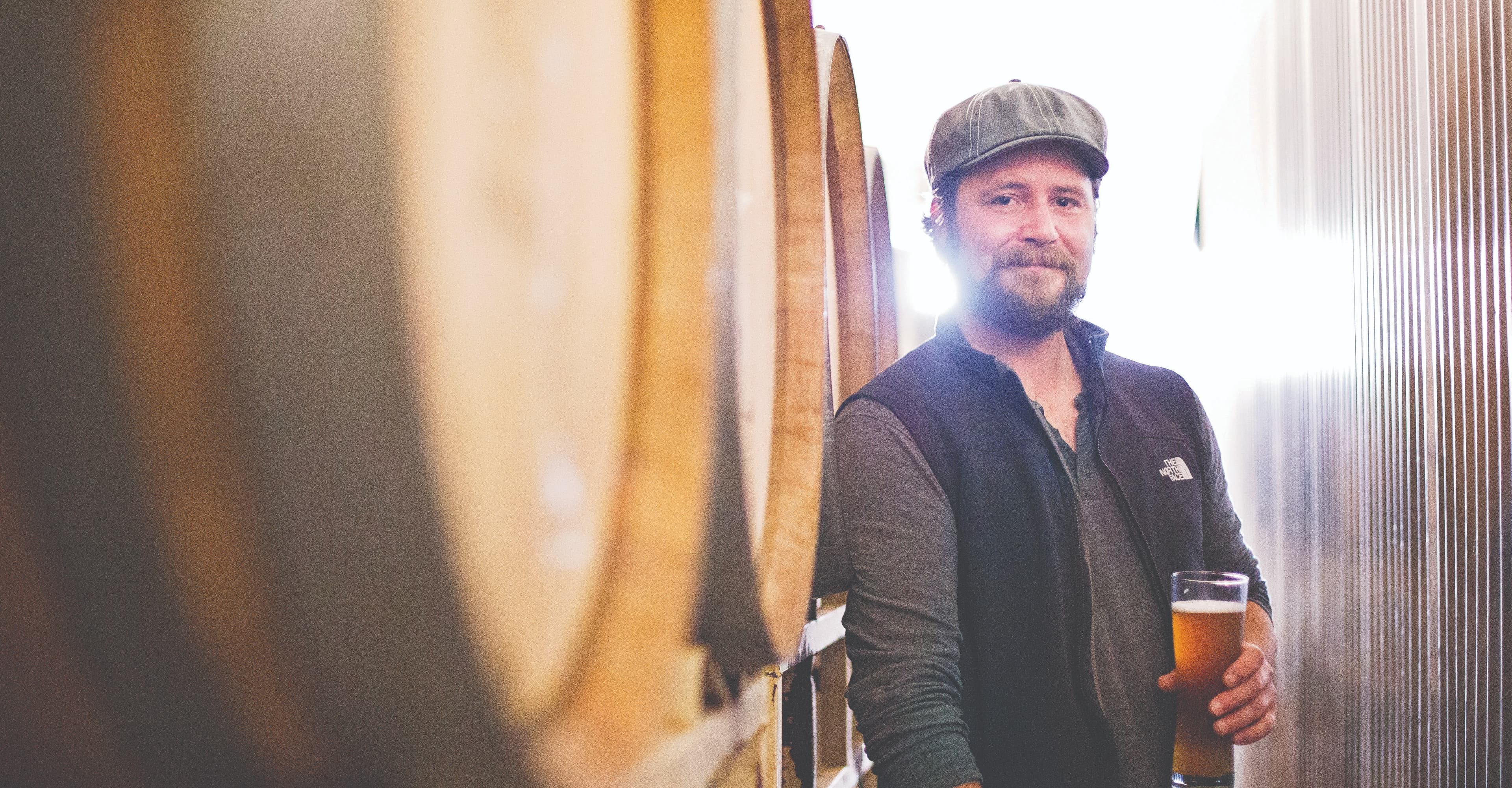
Looking to add a barrel or two to your homebrew setup? Trevor Rogers of de Garde Brewing in Tillamook, Oregon, has some suggestions on how to pick the right barrel and how to best take care of it afterward.
Foeders are becoming a more common sight in breweries these days, and while it’s true that the majority of the brewers are using the vessels for wild or mixed-fermentation beers, others are putting the wood to use for their clean programs.
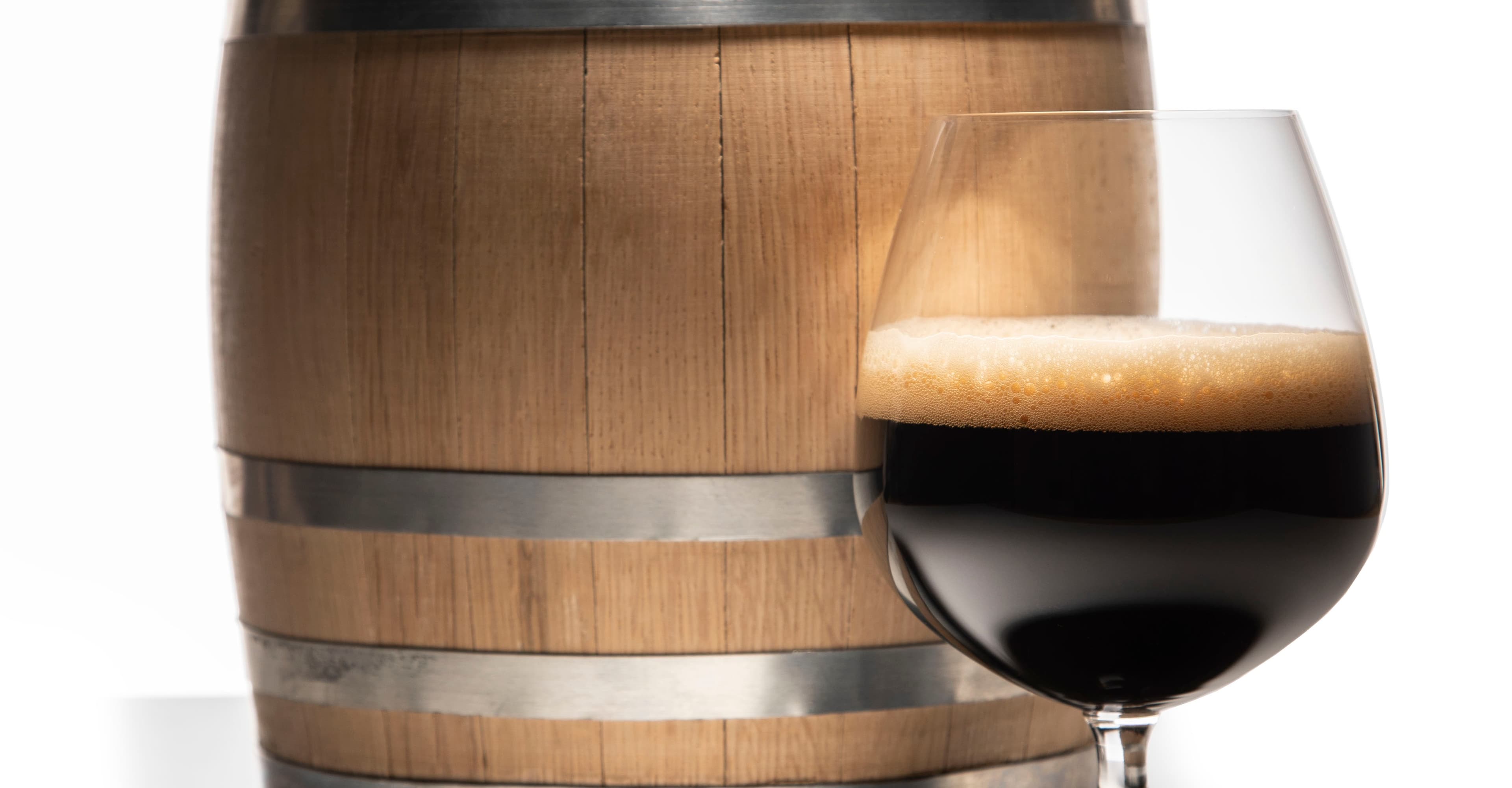
When it comes to barrels, brewers generally agree that the right beer to stand up to the assertive flavors of bourbon is a stout or porter. However, that doesn’t mean they are the best styles for other spirits.
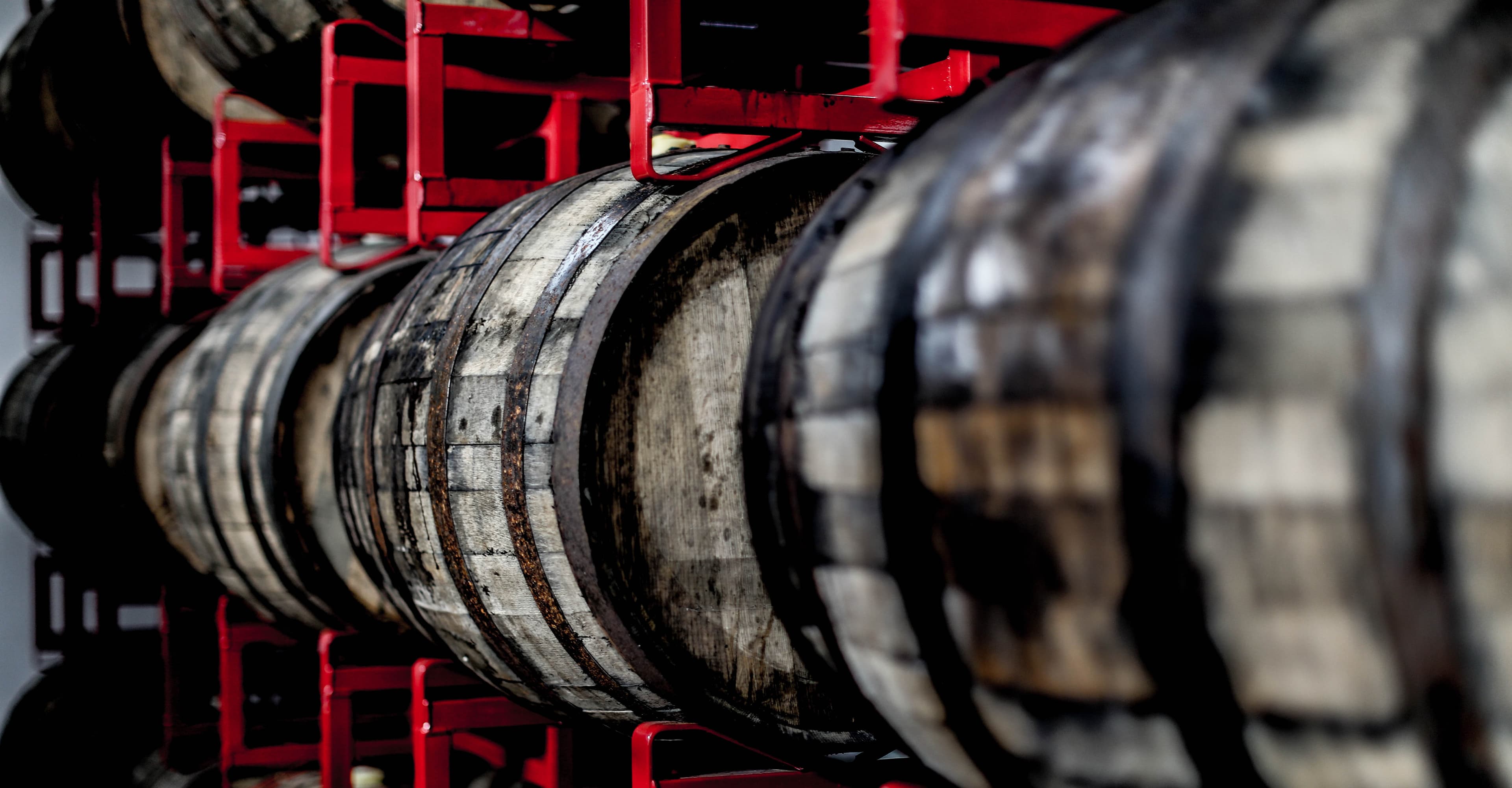
If you have a barrel program, at some point, you’re going to have leaky barrels. At Revolution Brewing in Chicago, Marty Scott, who oversees the barrel program, gathered more than two dozen leaky barrels and found a way to give the beer a second chance.
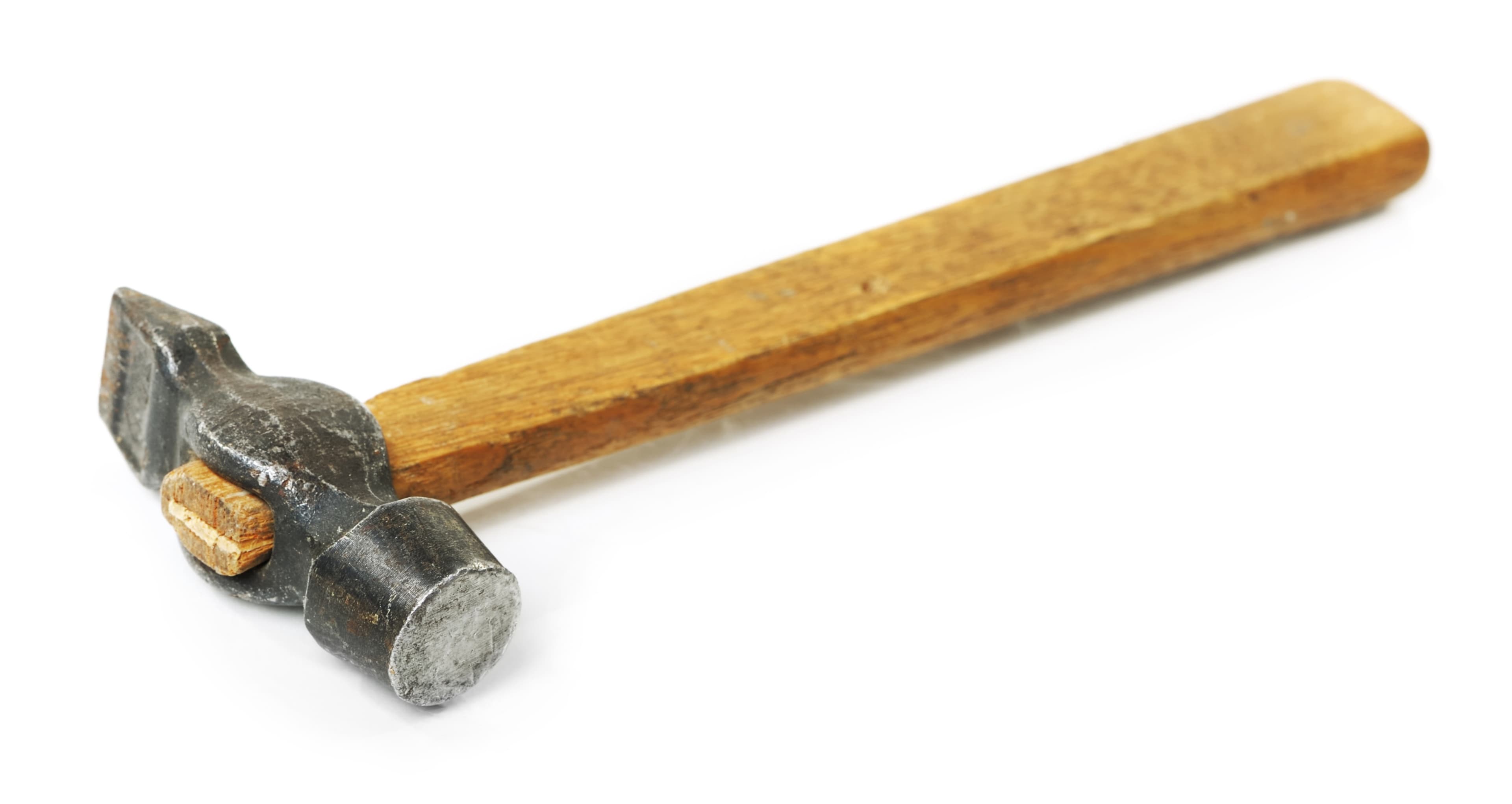
Time takes its toll on everything, and barrels are no exceptions. Brewers can take a few precautionary steps to make sure that once a barrel is filled, it doesn’t leak. Brandon Jones of Embrace the Funk website and Yazoo Brewing Company offers these tips.
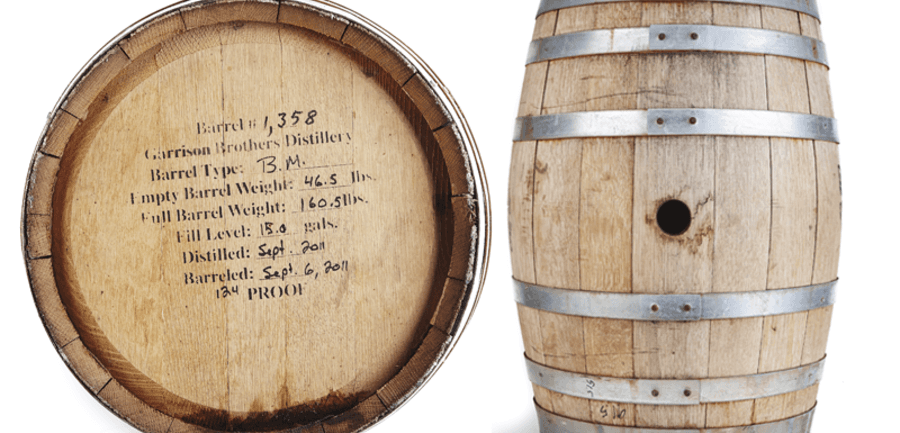
Wood offers character that no other ingredient or method can match. In fact, you can think of the wood aging process as a whole new ingredient altogether.
Browse every article filed under this tag.