Brewing Heavy Medal Helles
Here, five gold medal–winning breweries share their top tips on shaping the perfect Bavarian-style helles.

406 articles in this category
Here, five gold medal–winning breweries share their top tips on shaping the perfect Bavarian-style helles.
This recipe takes inspiration from the lighter, easier-drinking blonde ales that the Belgian Trappist monks brew largely for themselves—but you can have some, too.
Much of the attention often goes to bigger beers—such as the famed dubbels and tripels from Belgium’s monastery breweries—but don’t let that keep you from appreciating the smaller ales in life.
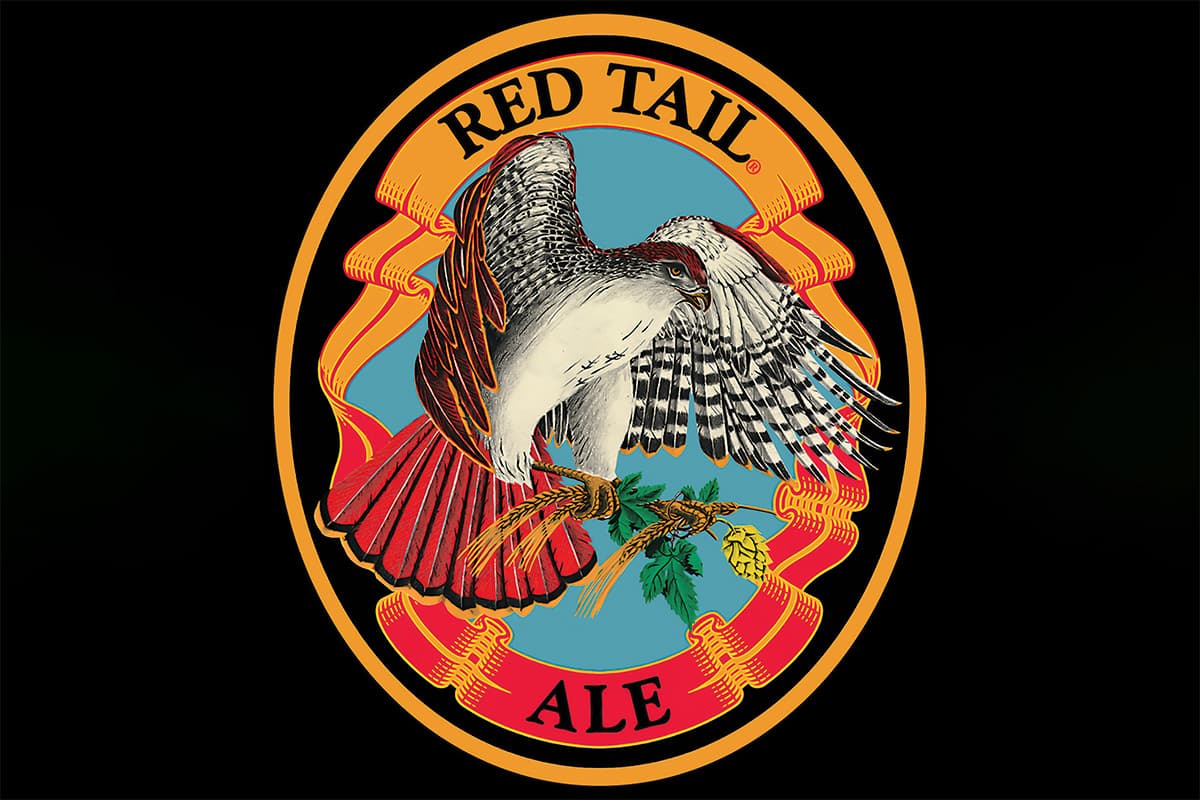
Fogbelt Brewing in Santa Rosa, California, recently revived this craft classic long brewed by Mendocino in nearby Hopland. Often cited as the first American red ale, pioneering microbrewers Don Barkley and Jack McAuliffe first brewed Red Tail Ale in 1983.
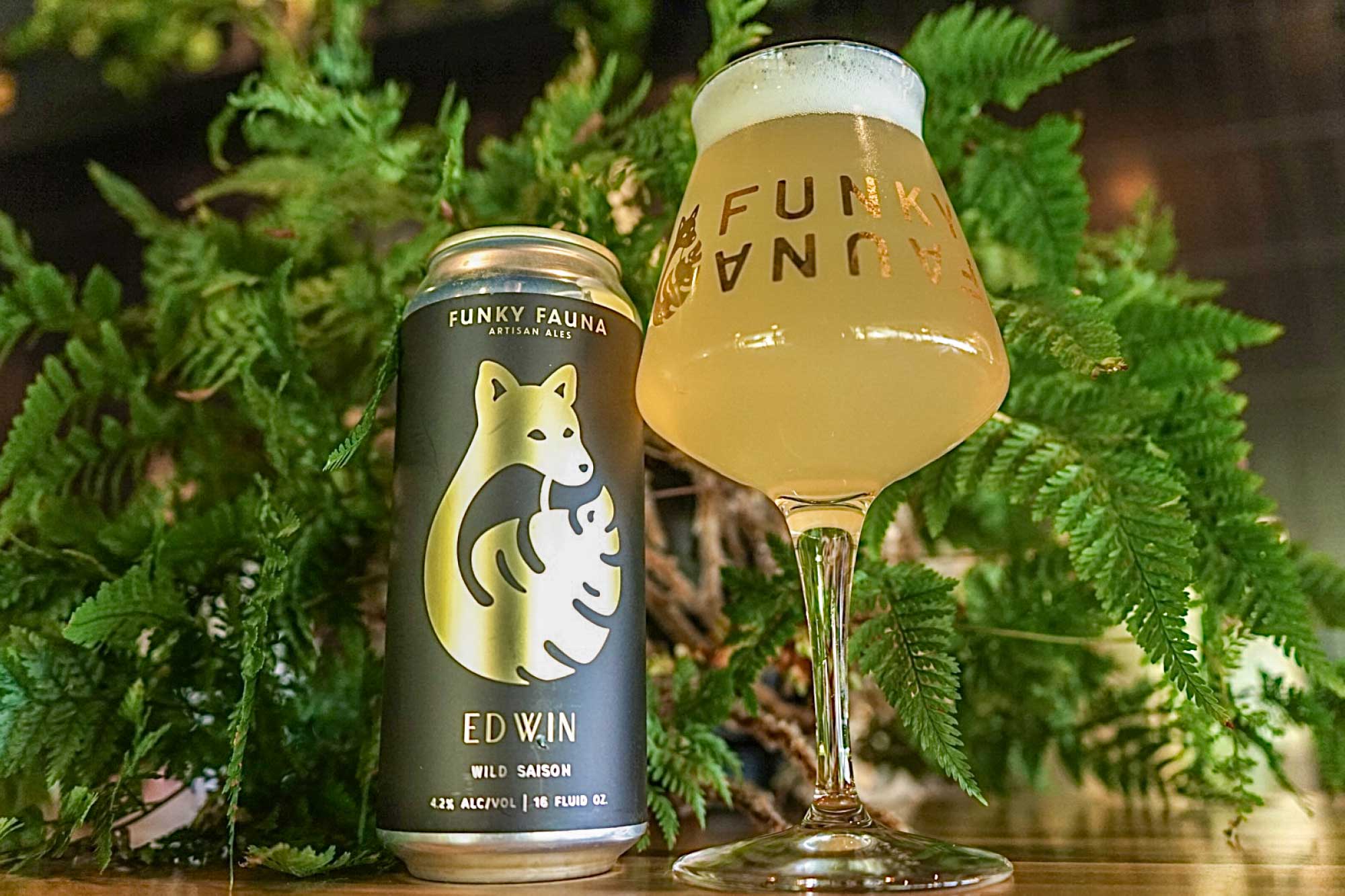
Funky Fauna Artisan Ales in Bend, Oregon, ferments their light, quenching house saison with their own locally captured mixed culture.
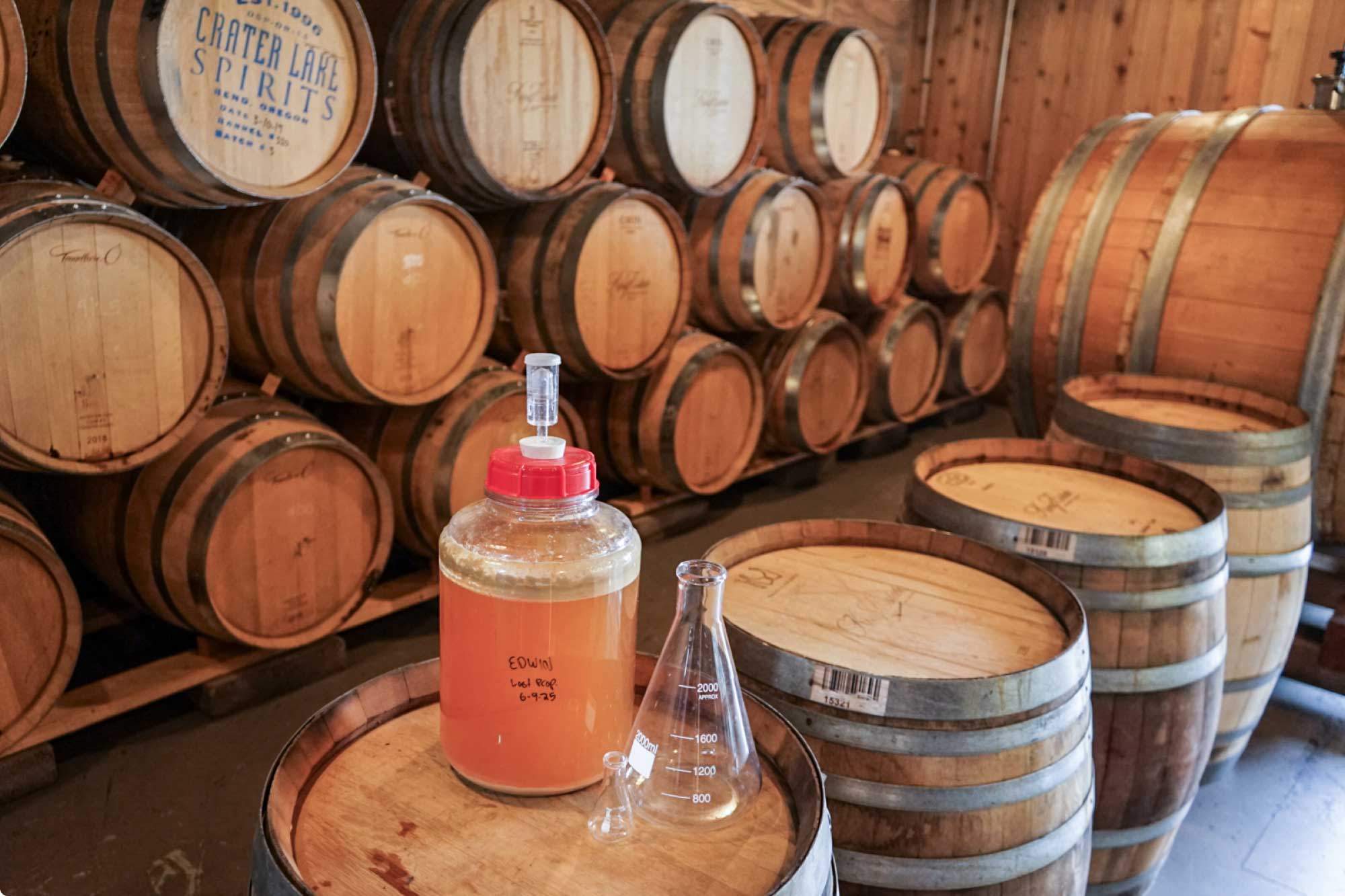
Inspired by Wallonian farmhouse brewing but rooted in Oregon terroir, Funky Fauna in Bend makes its Wild Saison beers from local ingredients, fermenting them in oak barrels with their wild-caught house culture. Here, cofounder and brewer Michael Frith shares tips on leaning local, developing your own mixed culture, package-conditioning, and more.

A classic style in the American craft pantheon, this amber ale is Annie Johnson’s house beer—the one she’s brewed again and again to dial in her process and ingredients. (She also drinks it.)
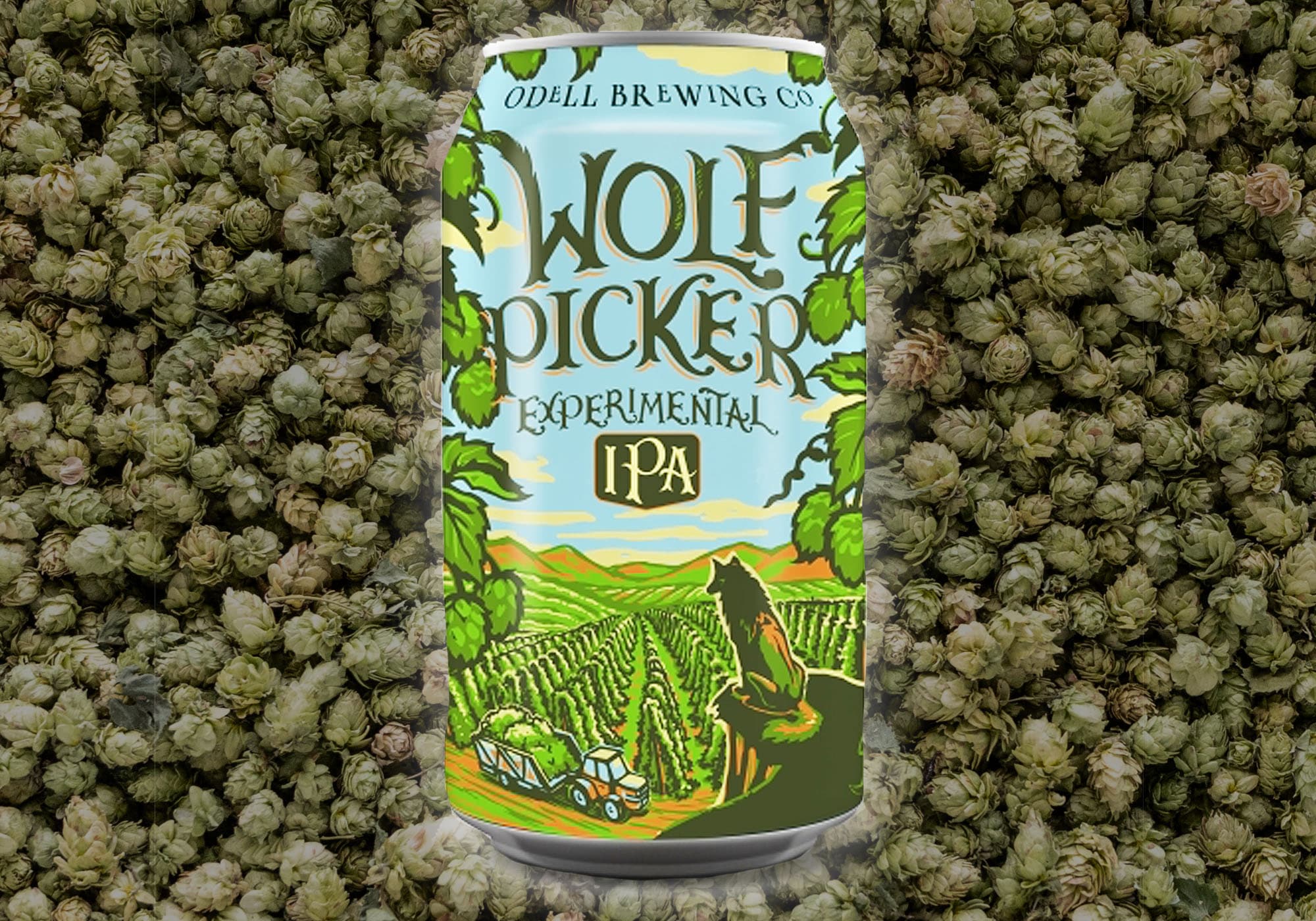
From Odell Brewing in Fort Collins, Colorado, this recipe is a celebration of Strata hops and the people who pick them.
Every brewer should have a house beer they use to get better—the one you could brew in your sleep to fine-tune your process, get to know your ingredients intimately, and dial in flavor and quality. For Annie Johnson, that beer is her throwback American amber ale.
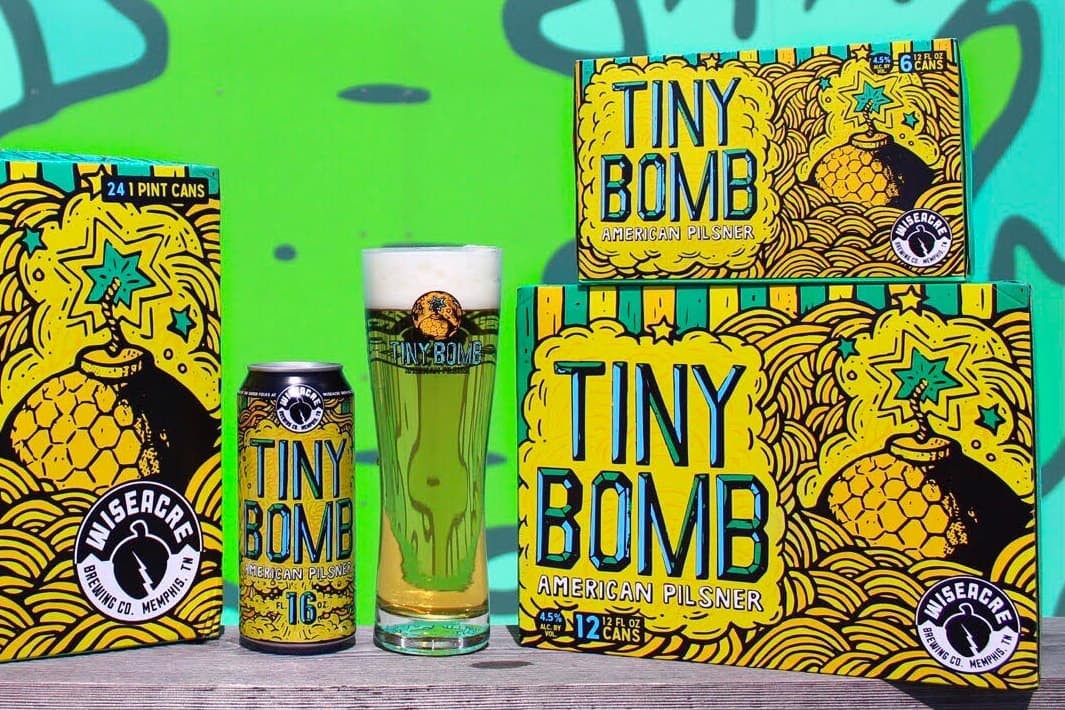
The flagship beer from Wiseacre in Memphis, Tennessee, Tiny Bomb is a svelte, session-strength American lager with the full flavor of a German pilsner.

A classic style in the modern American pantheon, this hop-and-malt-forward strong ale serves as a great starting point for experimentation—for example, by subbing in your favorite hop varieties.
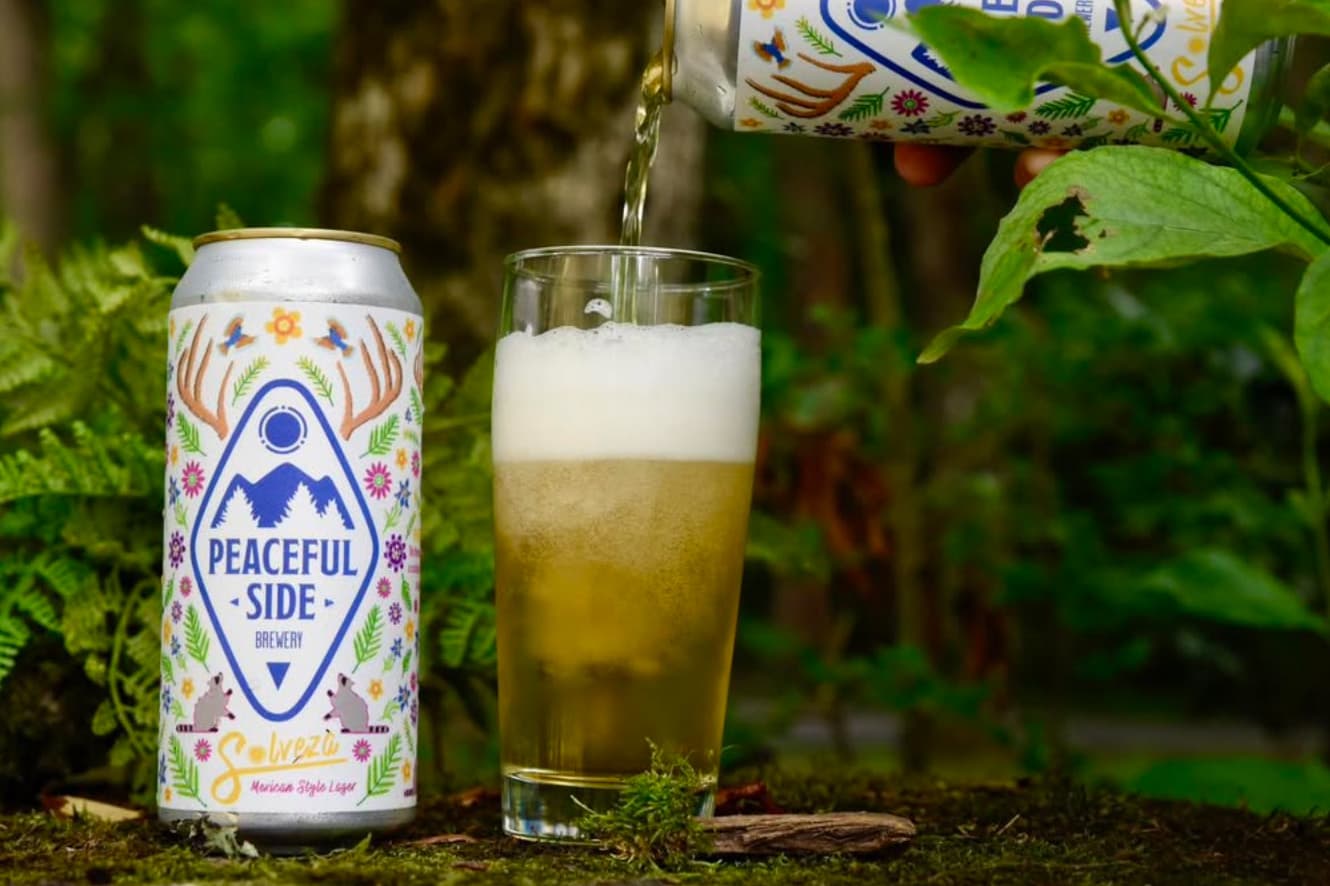
“Brewed as an ode to the sun,” this light, crisp, subtly sweet Mexican-inspired lager from Peaceful Side in Maryville, Tennessee, won the gold medal for International Light Lager at the 2025 World Beer Cup.
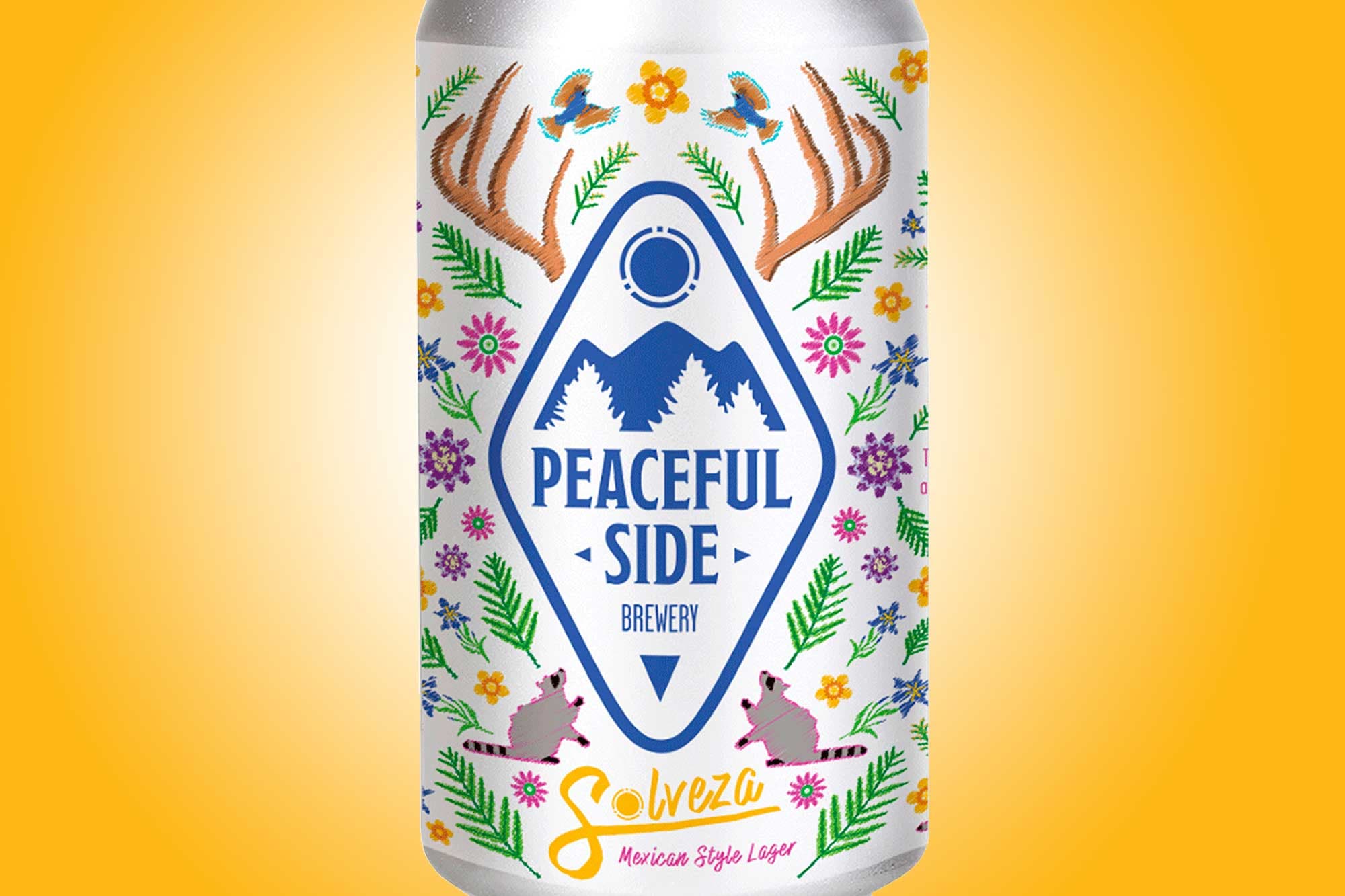
Seth Carter, head brewer at Peaceful Side in Maryville, Tennessee, cites the key factors that helped their Solveza lager win gold at the 2025 World Beer Cup—and it begins with a team-wide approach to quality.
This celebration of malt and American hops is one that should evolve nicely as the weeks pass, the bitterness rounds, and malt comes into the fore.

This modern take on a Kentucky common comes from a collaboration between Bluejacket and DC Beer, a website that’s been covering the Washington, D.C., beer scene for more than a decade.
From Cloudburst founder-brewer Steve Luke, here’s a homebrew recipe for the West Coast double red that won gold at the 2025 World Beer Cup.
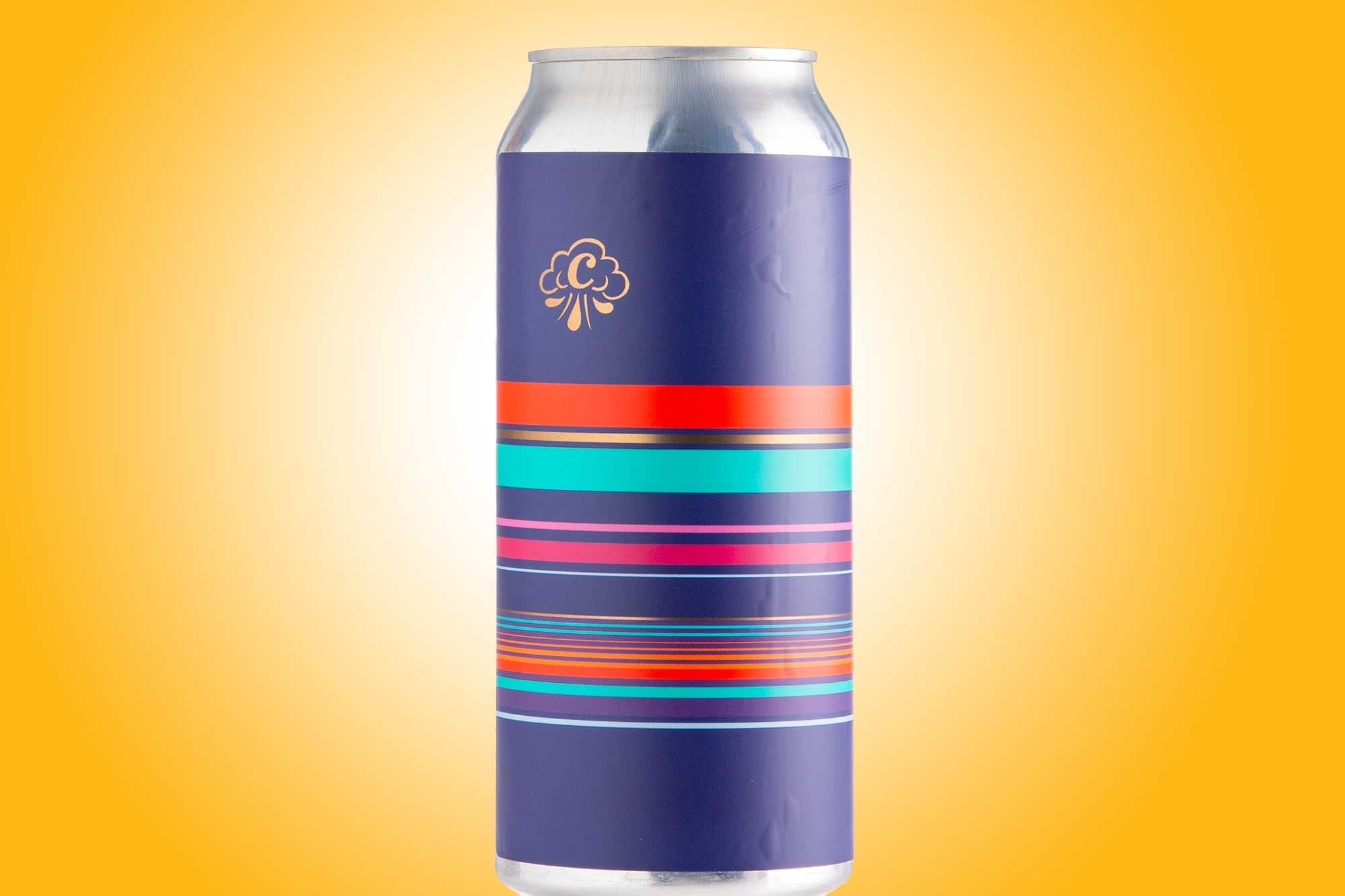
In 2025, Seattle’s Cloudburst won World Beer Cup gold in the Strong Red Ale category for its throwback West Coast double red, Peaked in High School. Here, founder-brewer Steve Luke opens his yearbook to share the details.
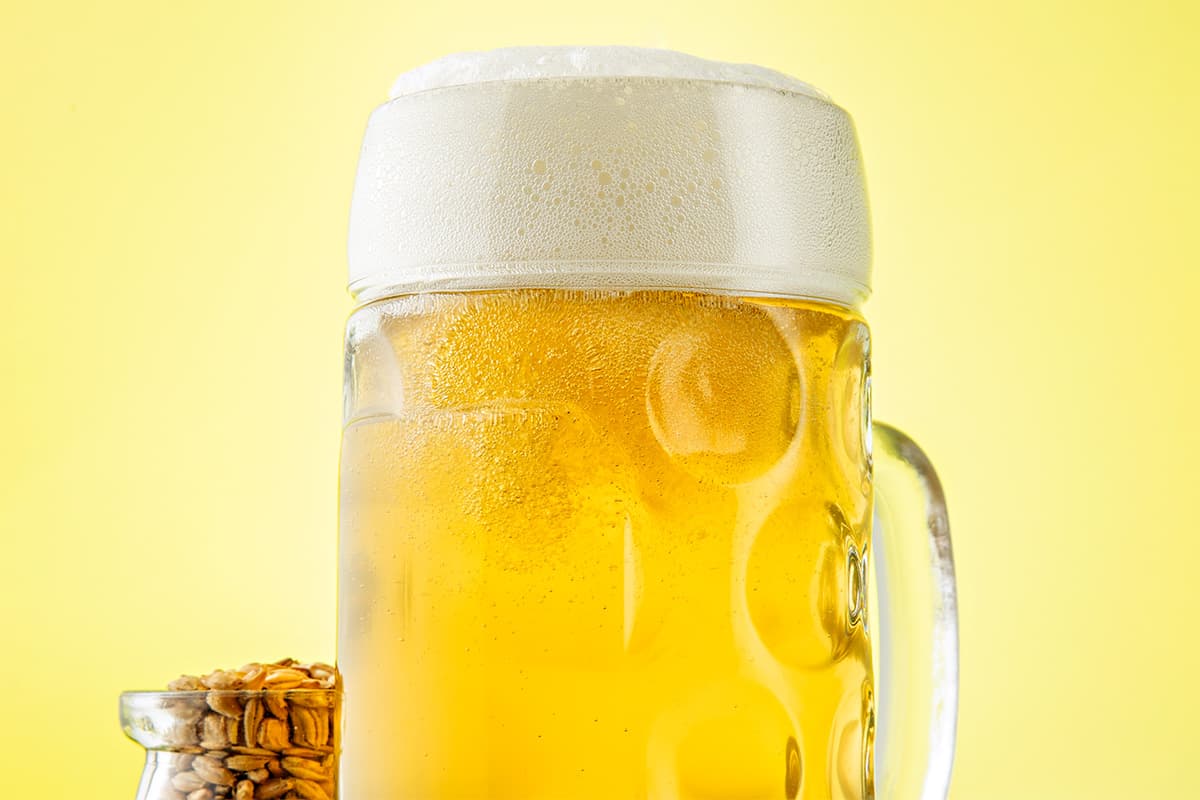
On his two-vessel brewhouse in Duluth, Georgia, Good Word owner-brewer Todd DiMatteo hand-lugs buckets full of mash to make his decoction happen for their house helles—a process that he says is worth the effort.
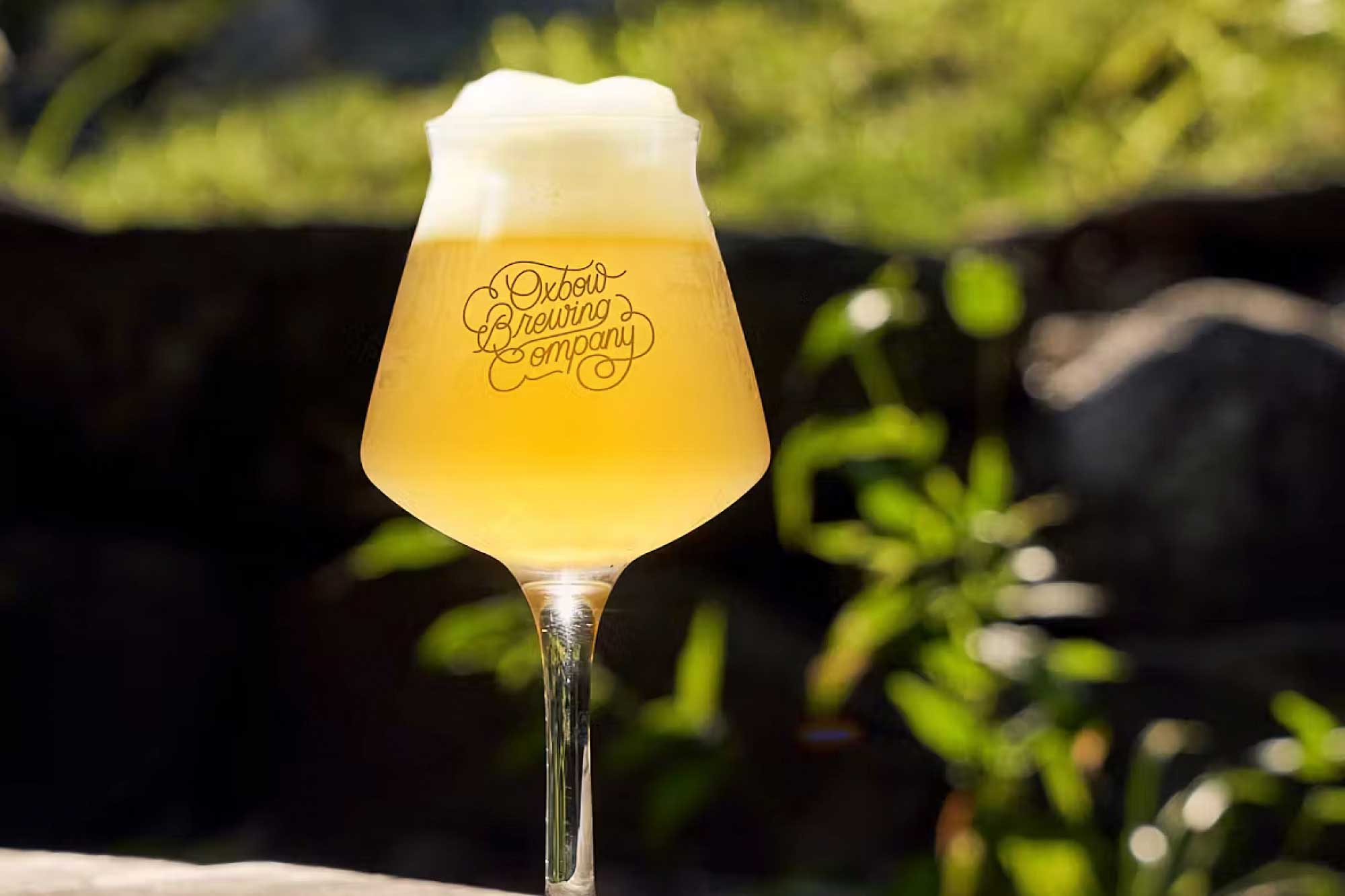
There are many interpretations of modern saison. This one, from Oxbow in Newcastle, Maine, features local grains and multiple strains of yeast and bacteria—gently tart and funky, and highly drinkable.
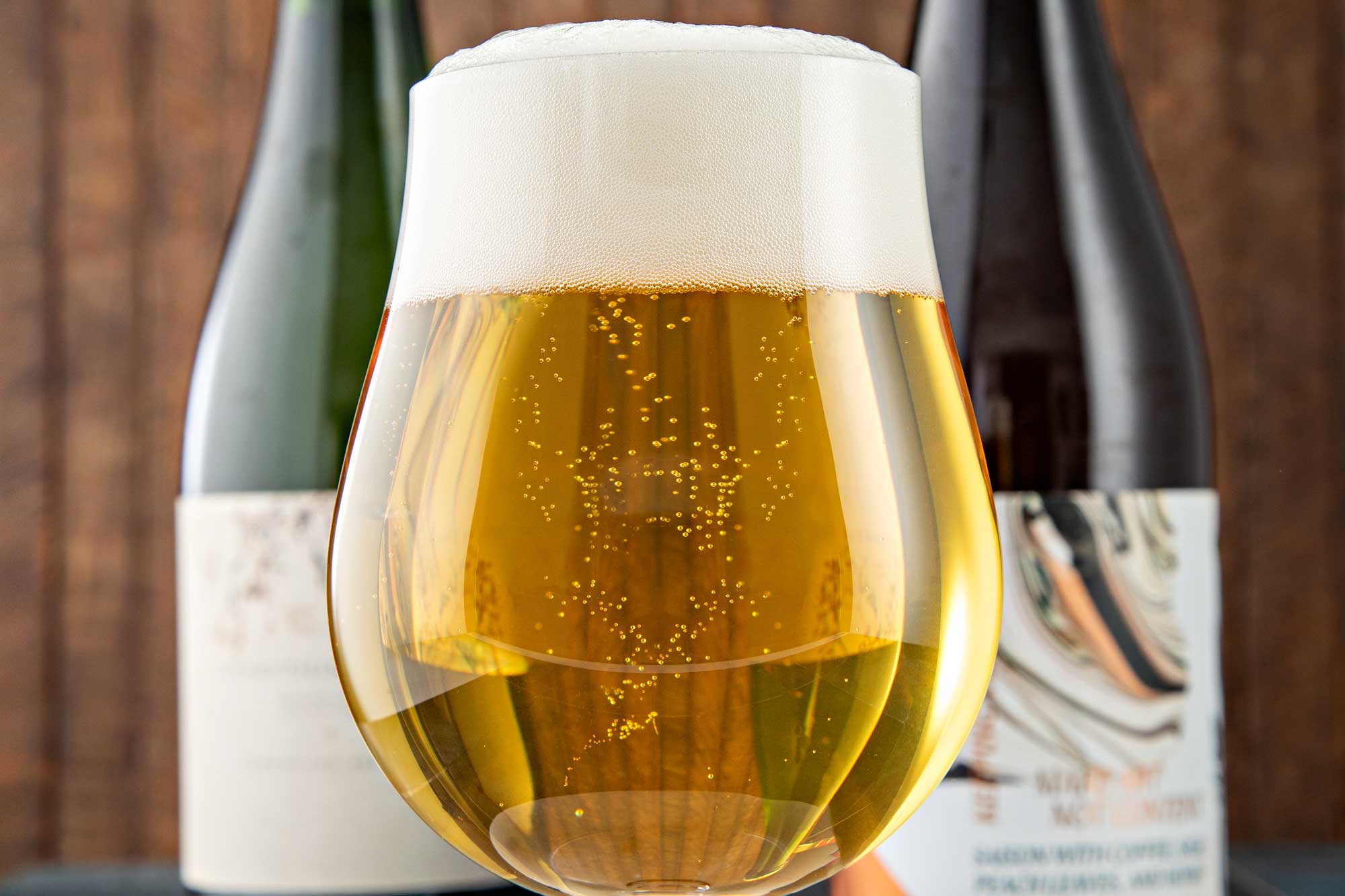
Inspired by Wallonian farmhouse brewing yet distinct from classic saison, today’s modern, funky, mixed-culture creations—whatever you call them—enjoy a refined niche.