Recipe: Six-Shooter Abbey Singel
SUBSCRIBERThis recipe takes inspiration from the lighter, easier-drinking blonde ales that the Belgian Trappist monks brew largely for themselves—but you can have some, too.

67 articles in this category
This recipe takes inspiration from the lighter, easier-drinking blonde ales that the Belgian Trappist monks brew largely for themselves—but you can have some, too.
Much of the attention often goes to bigger beers—such as the famed dubbels and tripels from Belgium’s monastery breweries—but don’t let that keep you from appreciating the smaller ales in life.

Based on discussions with Rochefort brewmaster Gumer Santos, here’s a homebrew-scale recipe inspired by the Trappist abbey’s strongest dark ale—with notes on how to adjust the recipe to approximate the 6 or 8.

In Belgium’s Namur province, at the Notre-Dame de Saint-Rémy abbey, head brewer Gumer Santos shares some of the methods that go into the Brasserie des Trappistes Rochefort’s highly regarded dark ales—as well as its newer blonde triple.

From Shawn Cooper and Joran Van Gingerachter of Atlanta’s Halfway Crooks, here’s a recipe for their own “brewer’s beer”—a dry, bitter, quenching pale ale packed with Belgian-grown hops and accentuated by careful yeast expression.
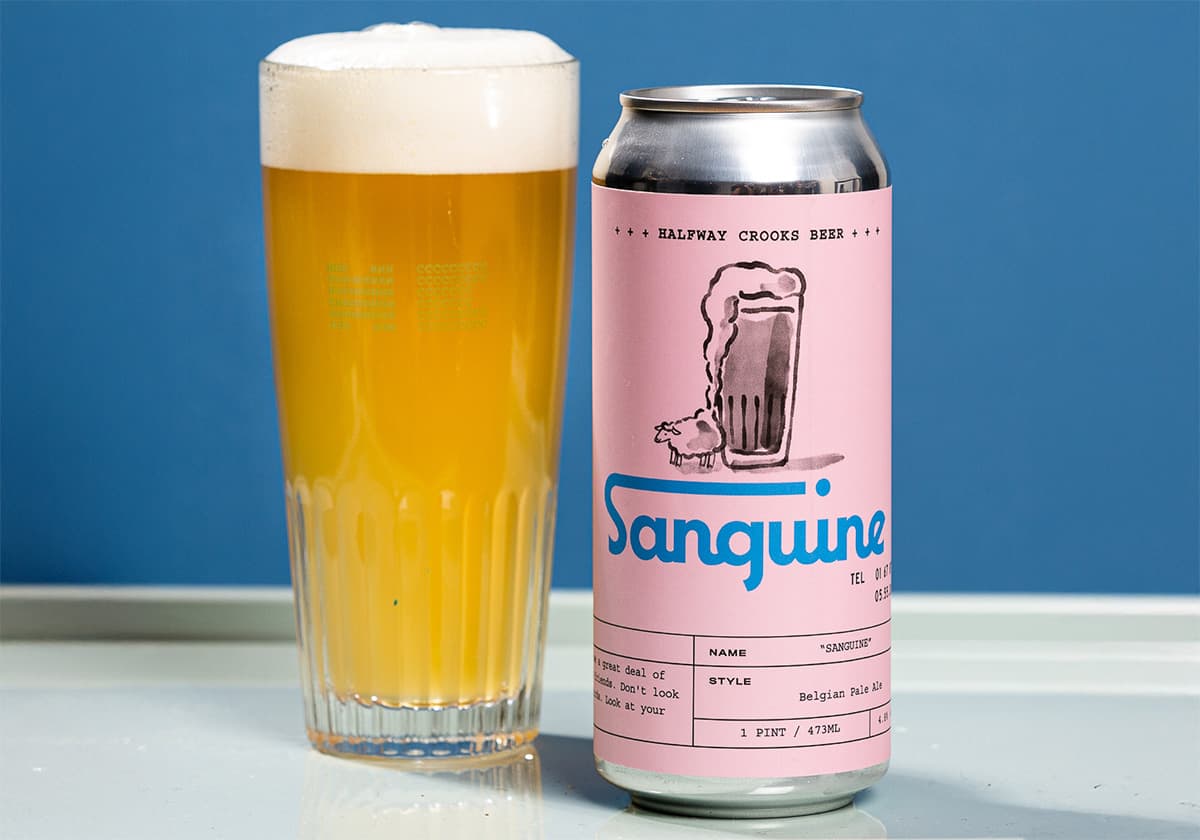
Taking cues from modern Belgian pale ales such as Taras Boulba and XX Bitter, Sanguine is a balanced expression of ample hops and yeast character. “We chased this beer for four years, trying to find the flavor profile,” says Halfway Crooks cofounder Shawn Cooper. “This is where we ended up.”

What do changes in the beer market and drinking habits portend for one of the most creative and influential beer-producing countries? These data points from the Belgian Brewers industry group provide an eye-opening glimpse.

This Belgian-style amber ale should serve as a fine vehicle for any “concrete” sugar such as panela, piloncillo, rapadura, tapa de dulce, or jaggery.

De Dolle Brouwers has a reputation for colorful branding and characterful, high-gravity beers that hold up beautifully in the cellar. Yet their process is intentionally laborious and layered, from the coolship and Baudelot cooler to the open copper fermentors and more in an old, classic Flemish brewhouse.

“Smooth and dangerous” and great for winter sipping, these are some of the most enjoyable beers you’ll ever drink—and they can be surprisingly easy to make if you build a good recipe and adhere to some basic brewing practices.

This big and complex yet dangerously easy-to-drink ale is relatively easy to brew well—just watch that attenuation and focus on healthy fermentation for a drying finish.

Pale ale makes an ideal base for trying out the split-batch method and experimenting with the different flavors you can get from one kettle of wort and a single brew day. Following this recipe, you’ll get an American-style pale ale, a Belgian-style pale ale, and a British-style strong bitter—but it’s easy to imagine more variations.

There is not one pale ale—they are infinite. For example: There are a few classic types that can be assembled from essentially the same wort based on some key choices. Let’s explore the versatility.

This Atlanta brewery produces an array of lagers that explore the flavors of Noble hops, while also pushing for focused expression in their Belgian-style beers.
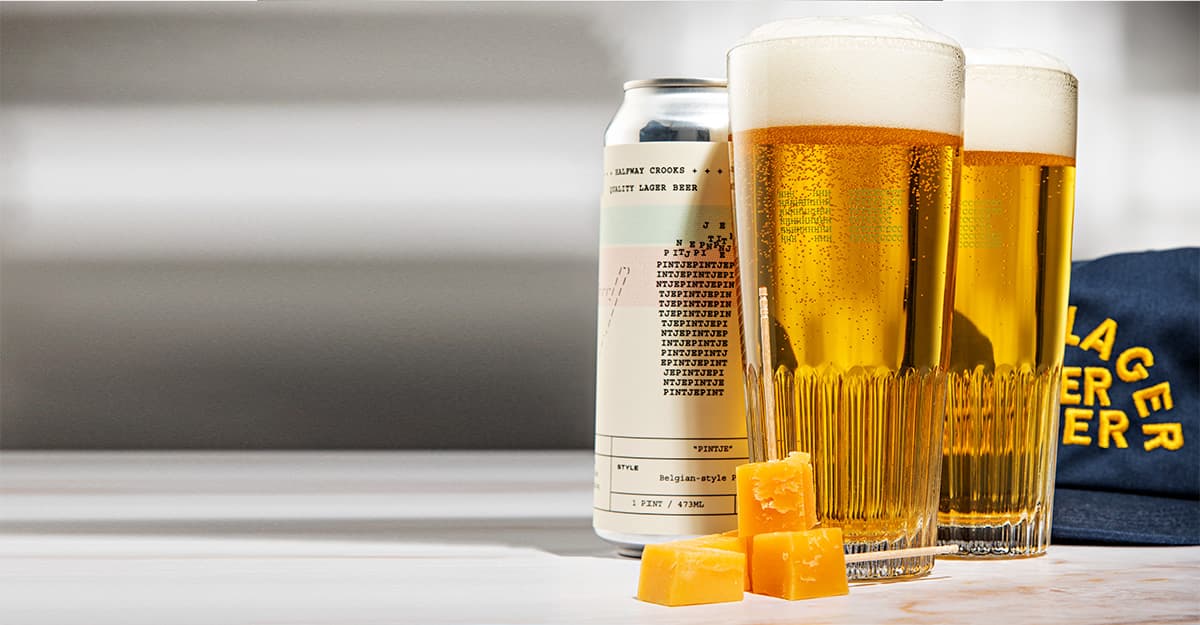
Overshadowed by the global fame of Belgian ale and lambic, pils is nevertheless the country’s most popular kind of beer—light, inexpensive, and available at every corner café. It’s also uniquely Belgian, with many independent breweries making distinctive versions worth seeking.

With thanks to the brewing team at Ghostfish in Seattle, this recipe is for a gluten-free Belgian-style strong ale with a bold, golden hue, solid body, warming booziness, and a classic ester profile.

The diversity and creativity of the beers that come out of this small country are justifiably famous, yet often it’s the wilder side that draws all the attention. Let’s renew our friendship with the foundational ales that first put Belgium on the beer map.

We asked five brewing pros about their most beloved Belgian beers—any style, as long as it’s made in Belgium. Here’s what they recommend.

For those who like it dark, strong, and contemplative, here’s a partial-mash extract recipe for a Trappist-inspired ale that can be cellared for many months, with a drinkability belies its strength and complexity.
Belgium’s dark, strong ales are among the most complex and impressive beers in the canon—yet extract brewers can tackle them as well as anyone, as long as we pay attention to a few key points.