
Editors’ Picks: Drink Beer, Do Good
Open-source collaborations such as All Together IPA and Black is Beautiful, meant to raise funds and awareness for specific causes, were among the brighter highlights of an otherwise challenging 2020.

Showing 1981-2000 of 4728 articles
Open-source collaborations such as All Together IPA and Black is Beautiful, meant to raise funds and awareness for specific causes, were among the brighter highlights of an otherwise challenging 2020.
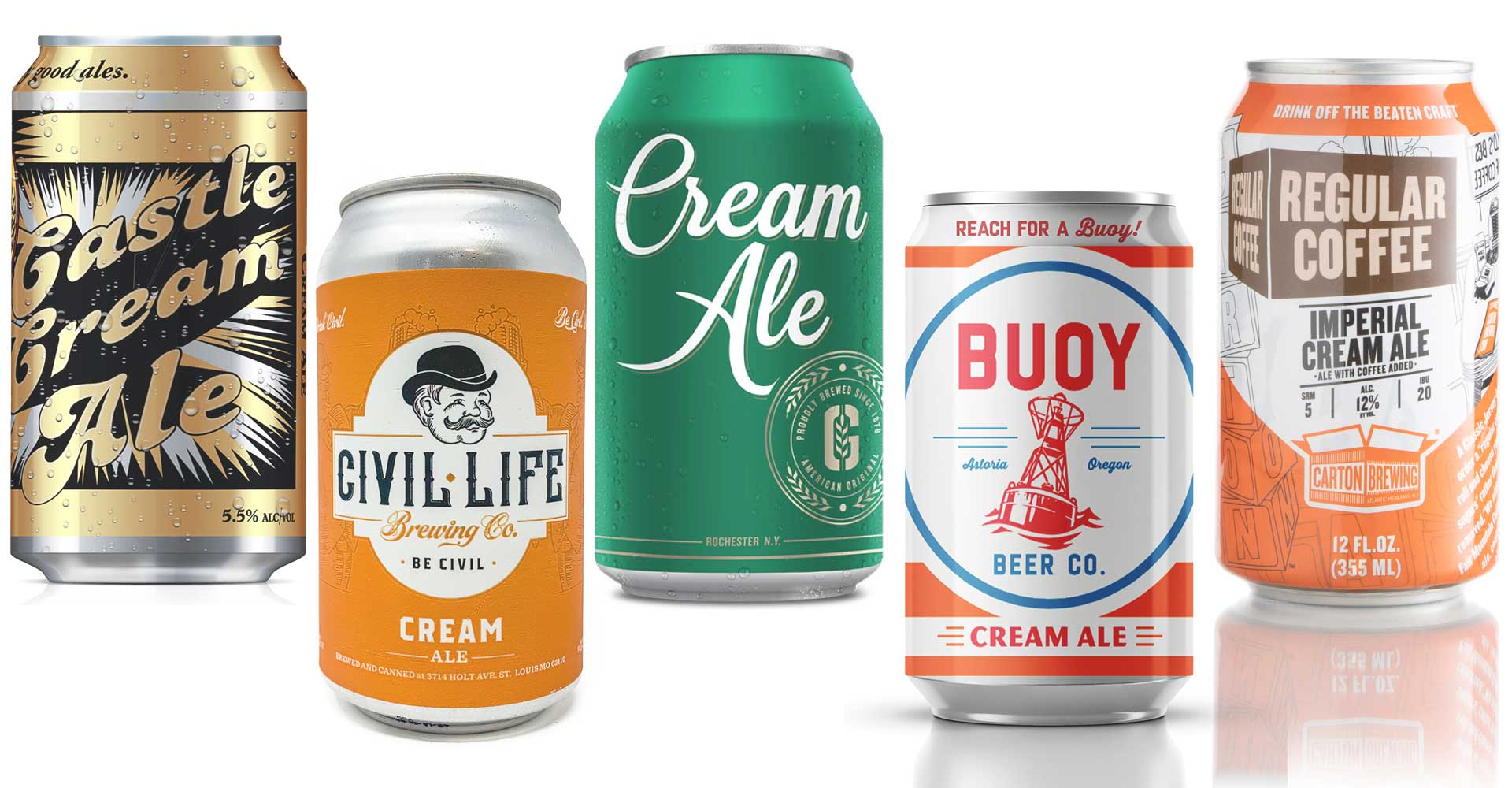
The bright and lively nature of this hybrid style makes it the perfect choice as an American alternative to European lagers. While the name can be more sleight-of-hand than literal, that won’t stop us from recommending five we love.
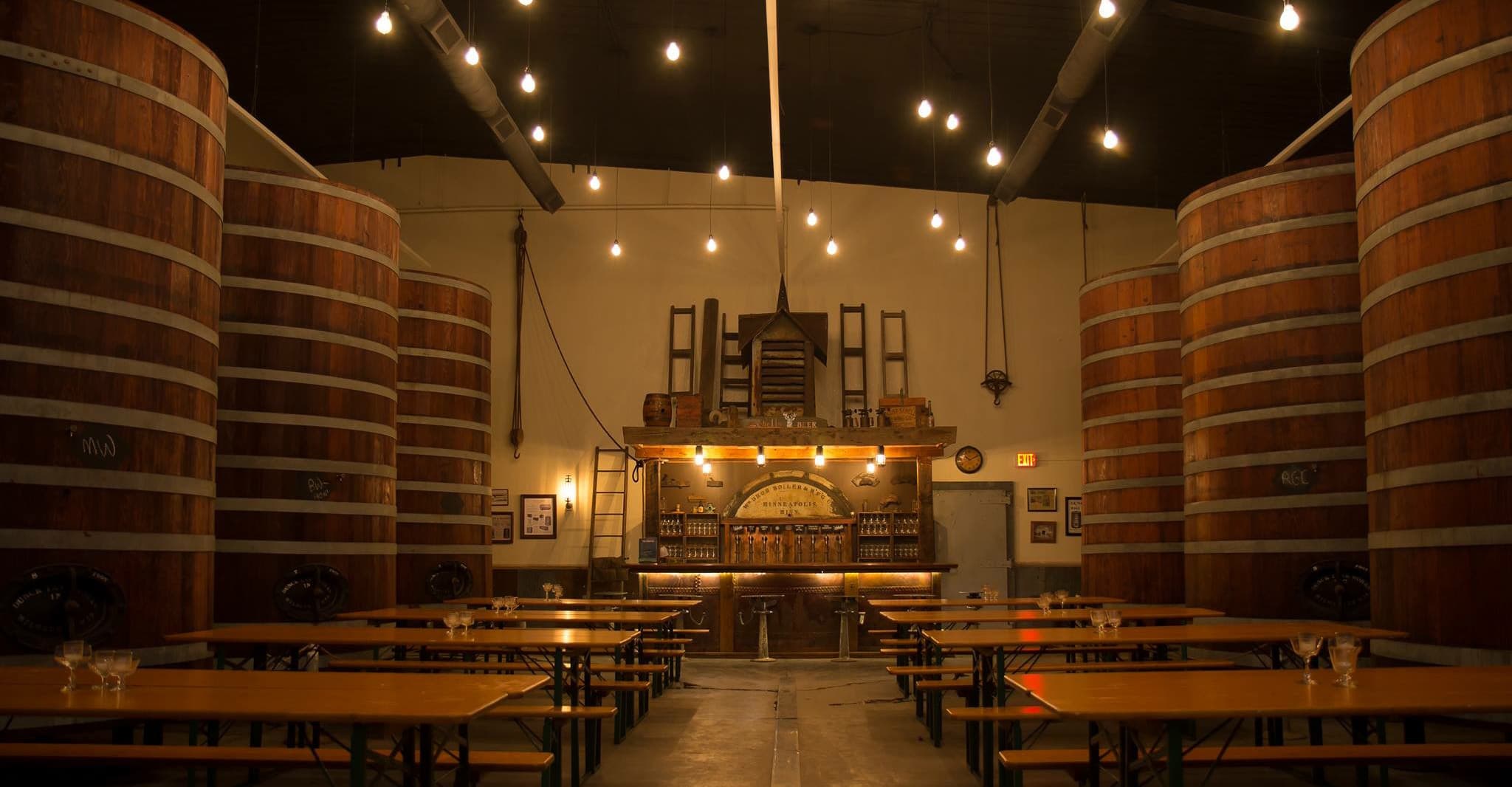
At Minnesota’s August Schell Brewing, Jace Marti brews authentic, mixed-fermentation, Berliner-style weissbier. Here is some context on the style and details on Schell’s methods, including lots on Brett and those beautiful cypress tanks.
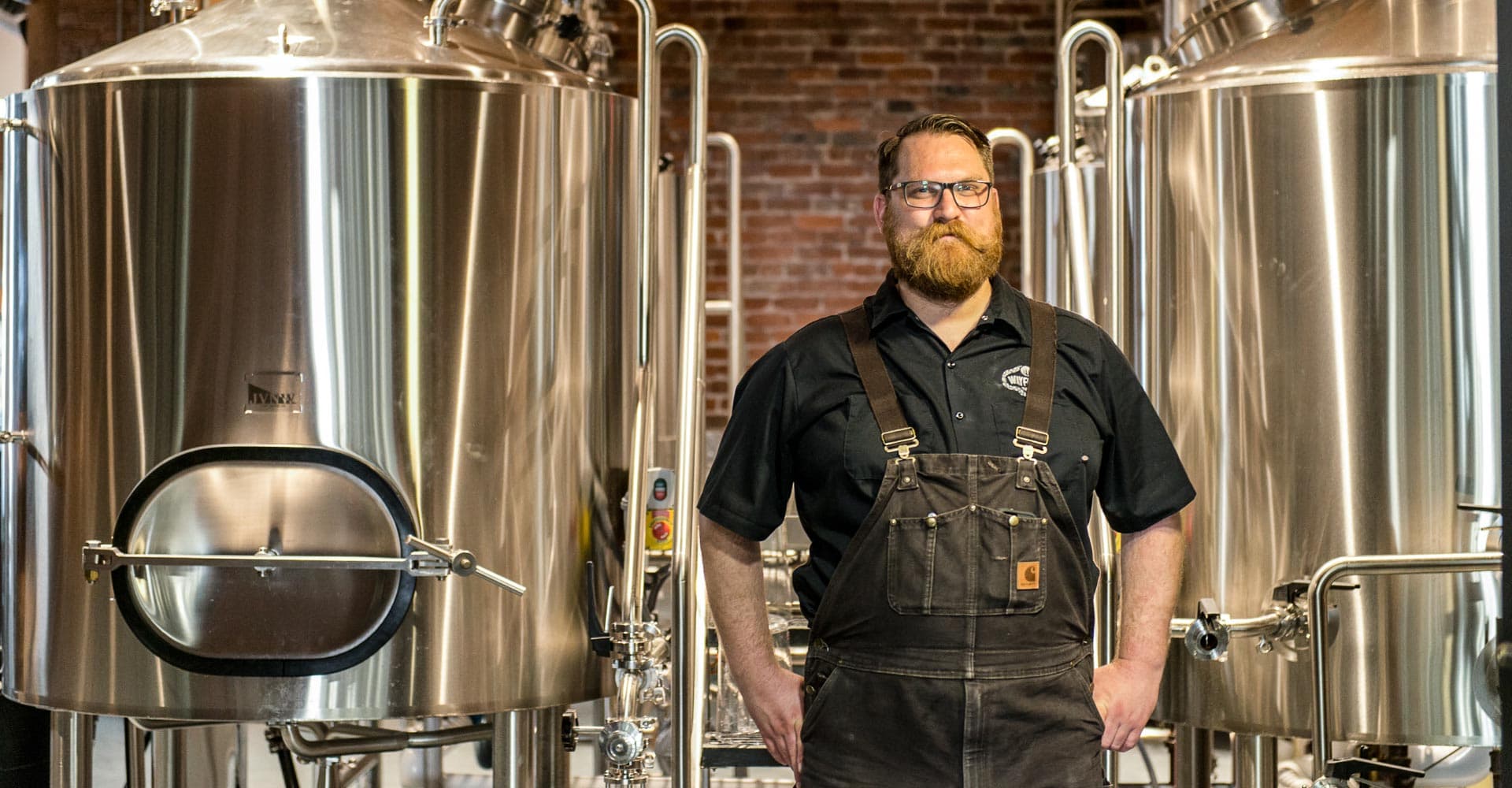
The head brewer at Wayfinder in Portland, Oregon, discusses their unique approach to making “wester than West Coast” IPAs with rice in the grist, warm-fermented lager yeast, and a kräusening process.
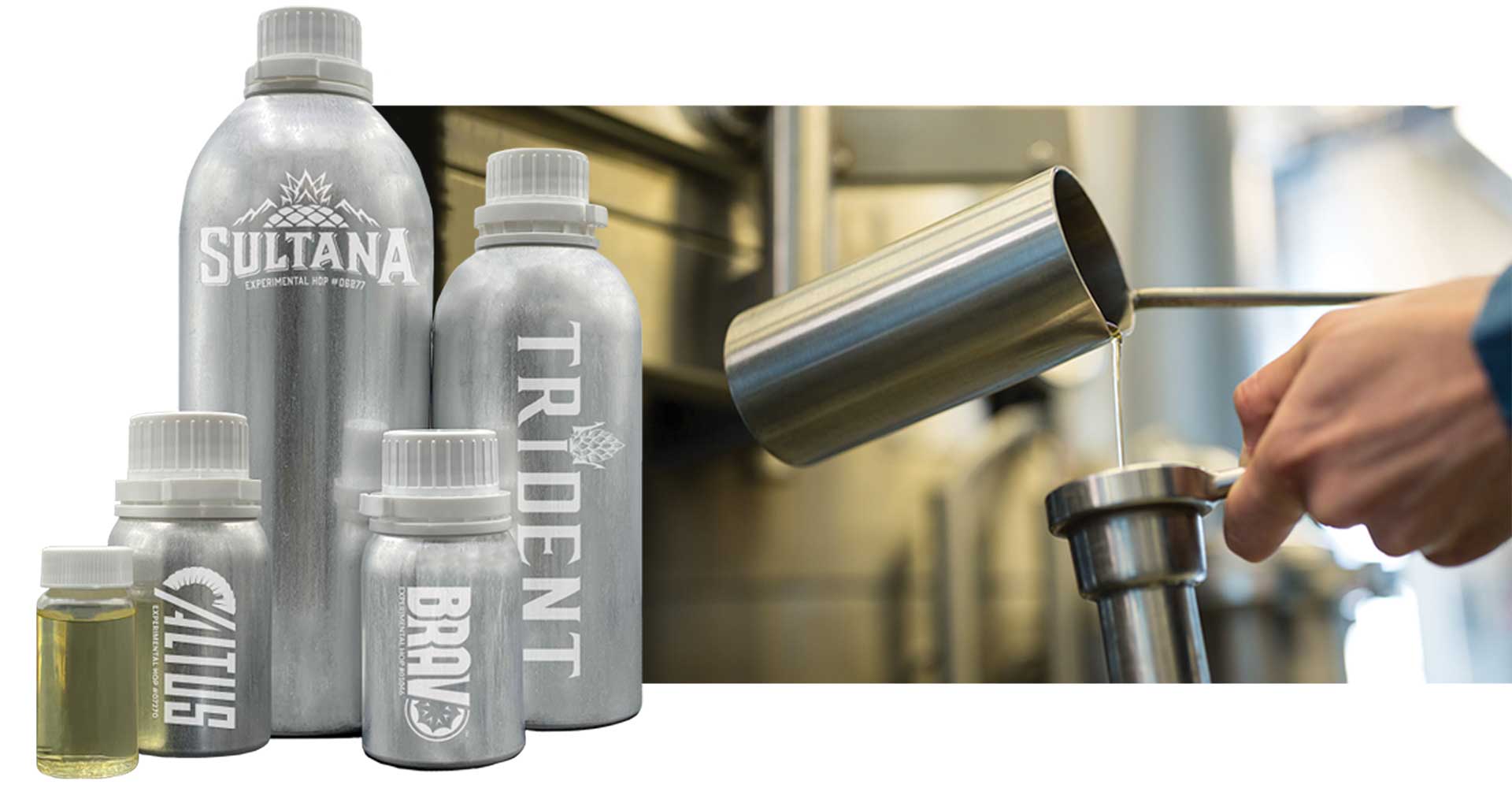
Brewing smarter while diversifying the portfolio is the bottom line for most brewers, and hop oils are the perfect tool for that approach. Here’s why.
Study the classics, and use the best ingredients and equipment you can. One secret to making great beer is knowing that others have done the hard work for us—from the brewers who came before us to the farmers who produce our raw materials.
Julian Shrago, cofounder and brewmaster of Beachwood BBQ & Brewing in Huntington Beach, California, shares this homebrew recipe for a hoppy dark IPA similar to their award-winning Beachwood Hoppa Emeritus.
Dark malts and ample hops intersect at a risky but rewarding flavor zone where few brewers dare to tread with regularity. Here we dig into recipe choices for distinctive, hop-forward black beers that avoid the pitfalls.
In a world where nearly everything seems to be a pale and/or juicy IPA, here is a welcome change of pace: a depth of fun malt and hop flavors, patently American without being one-note citrus-driven.
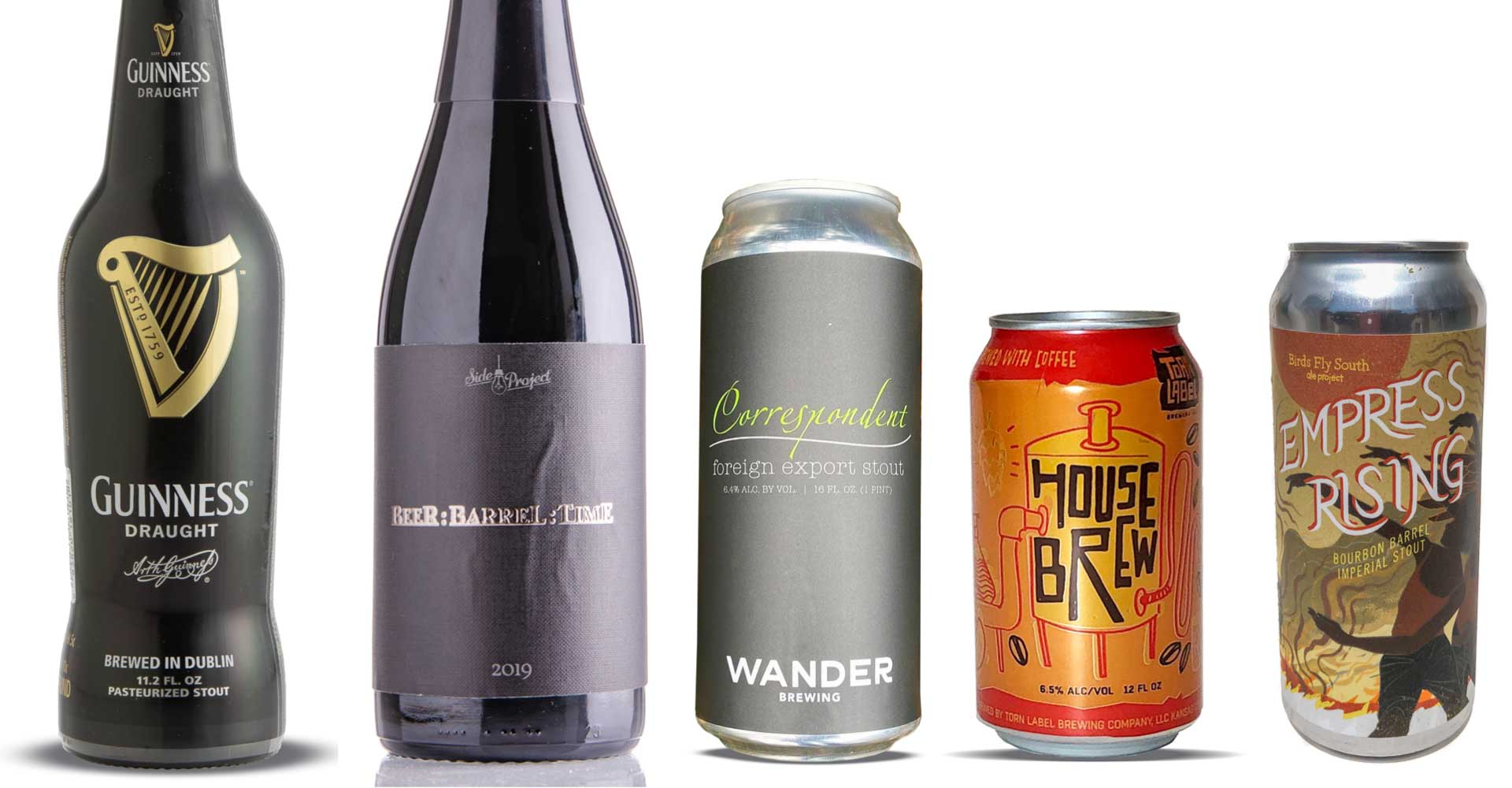
Stouts are intrinsically tied to craft’s beyond-the-mainstream appeal. From dry and sweet sessionable stouts to big barrel-aged ones and adjunct-laden “dessert” stouts, there’s something for every kind of drinker. But which do brewers themselves love?
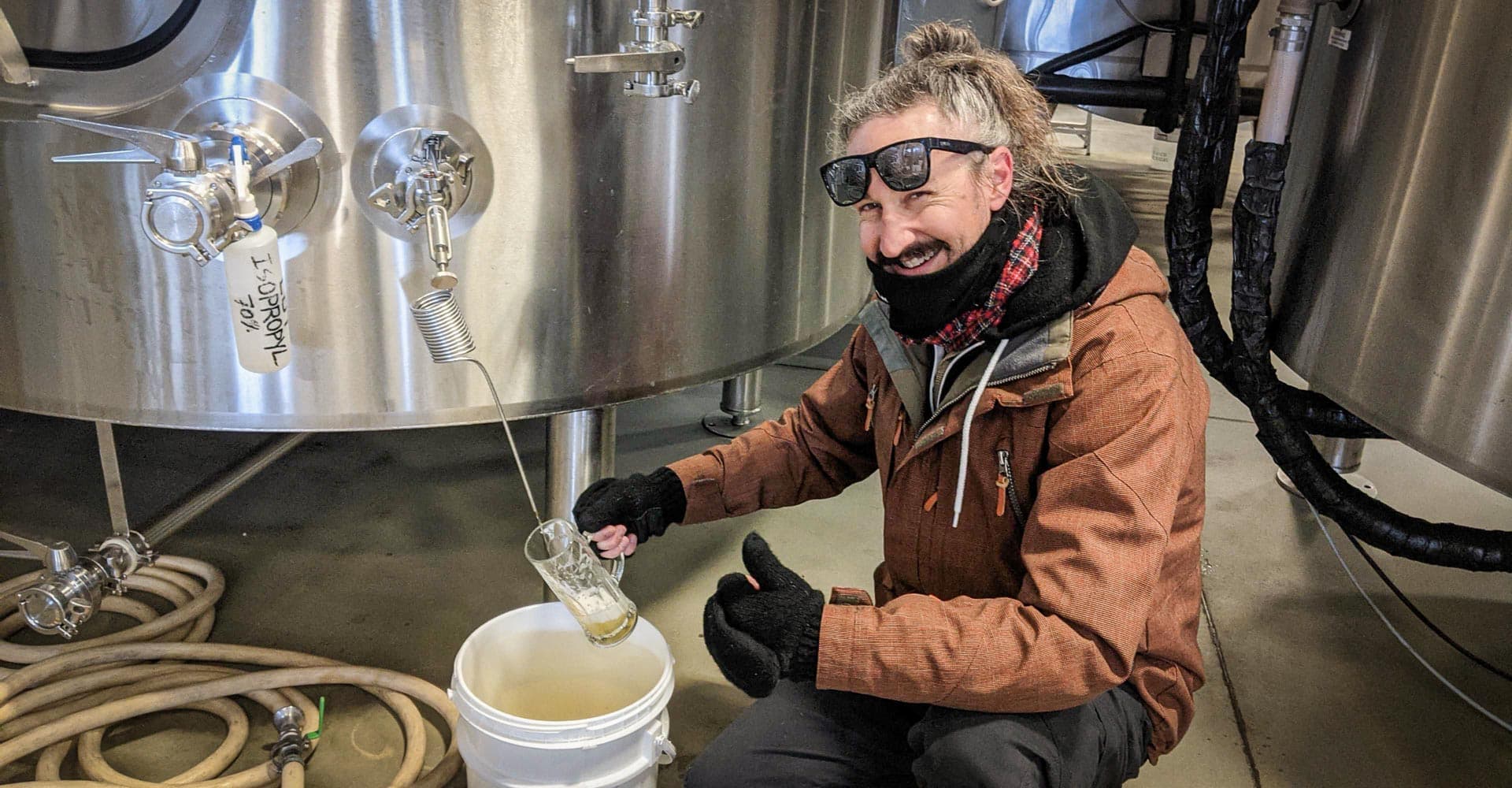
Dusan Kwiatkowski, head brewer at Austin lager stalwart Live Oak, shares the brewery’s philosophy and technical approach to historical styles such as their Pre-War Pils, Grodziskie, and more.
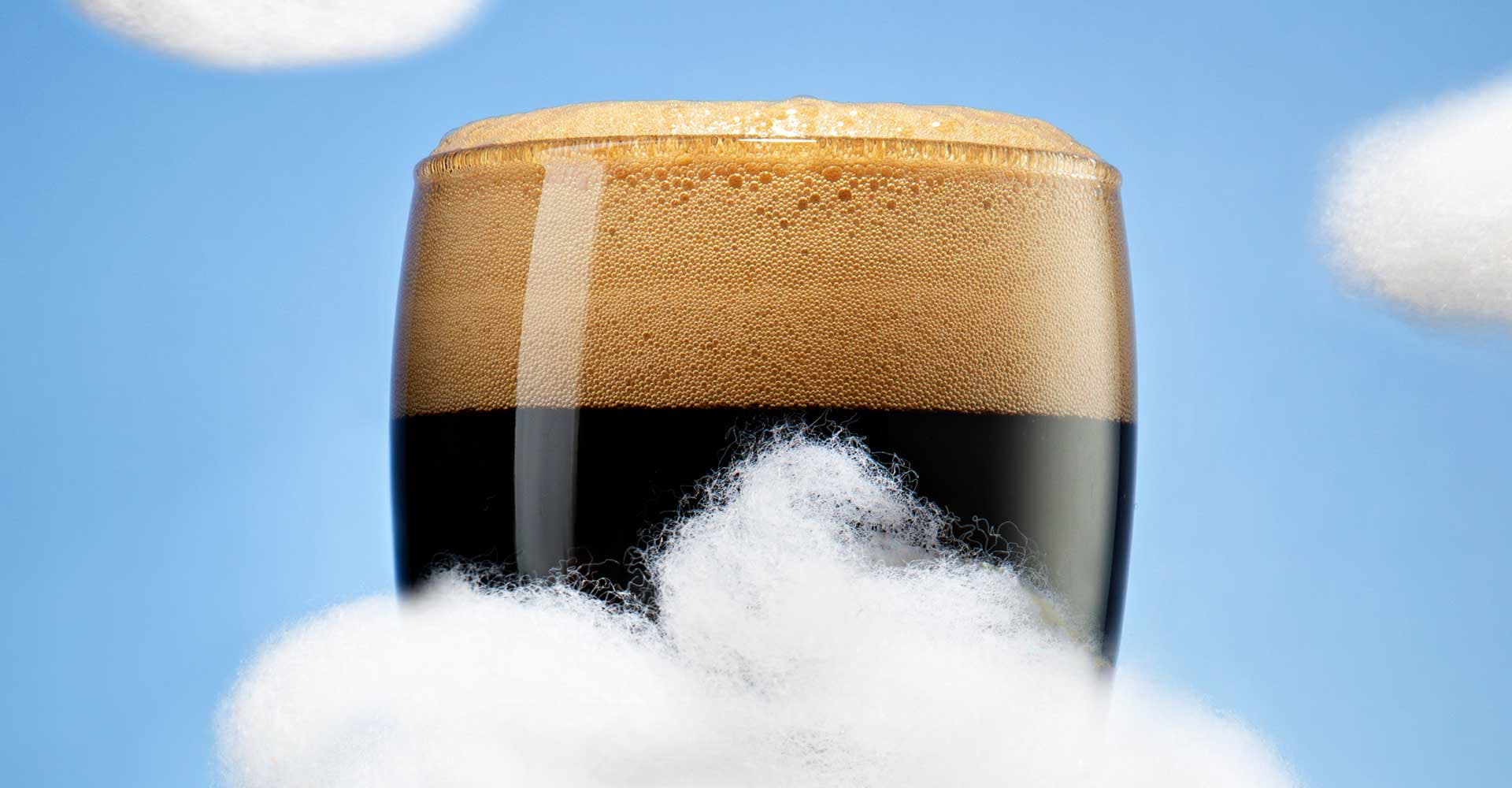
This smooth-drinking, medium-duty stout takes advantage of the cold-brew method for using black and caramel malts.

Longtime Port City brewmaster Jonathan Reeves explains the parallels between brewing and photography—and how those processes can always be improved in the ongoing project to make people happy.
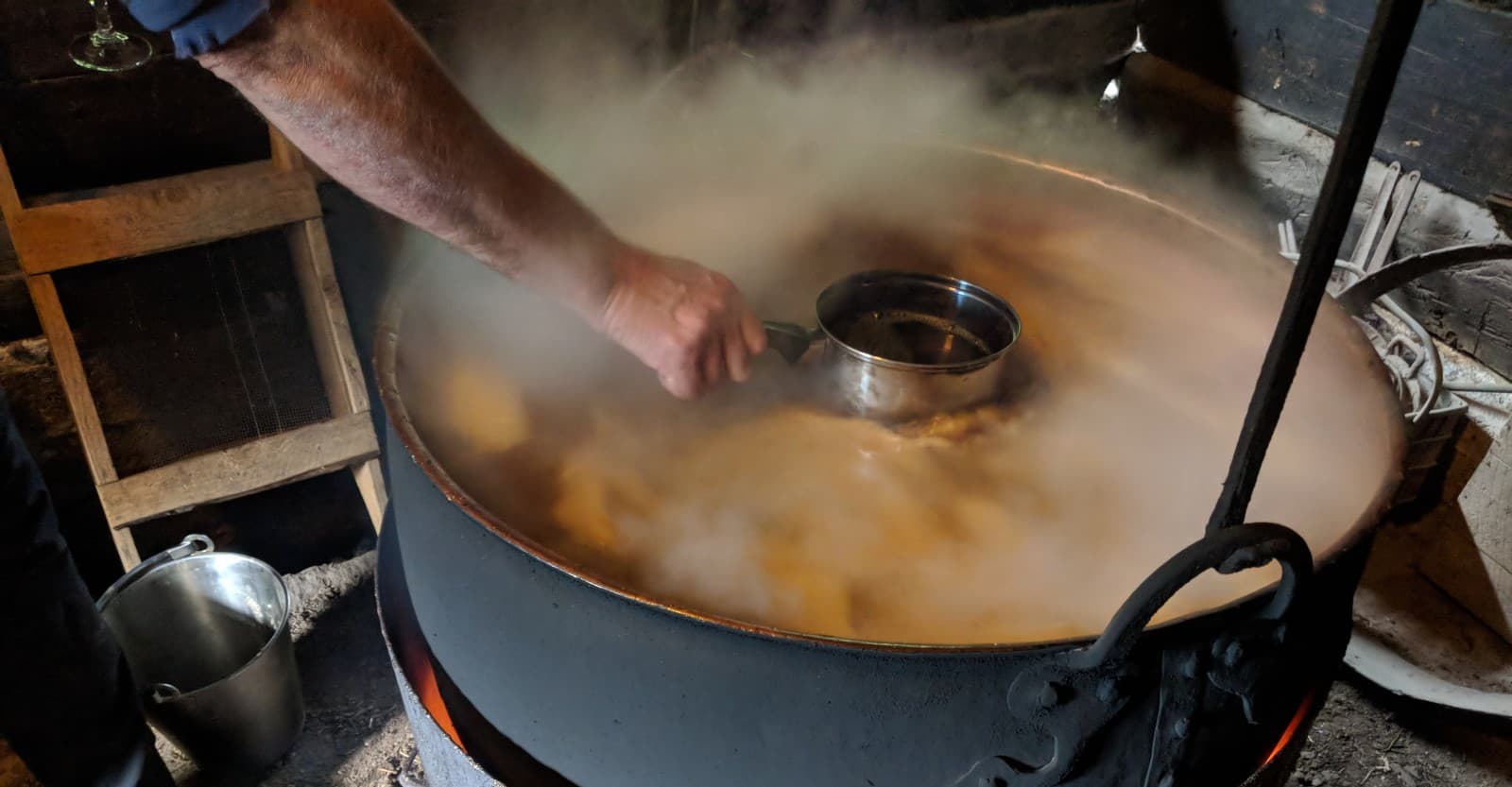
This recipe is based on the strong heimabrygg—or boiled ale—homebrewed in the Dyrvedalen valley of Norway’s Voss region. It includes juniper branches, a long boil, and warm fermentation with the increasingly available Voss kveik.
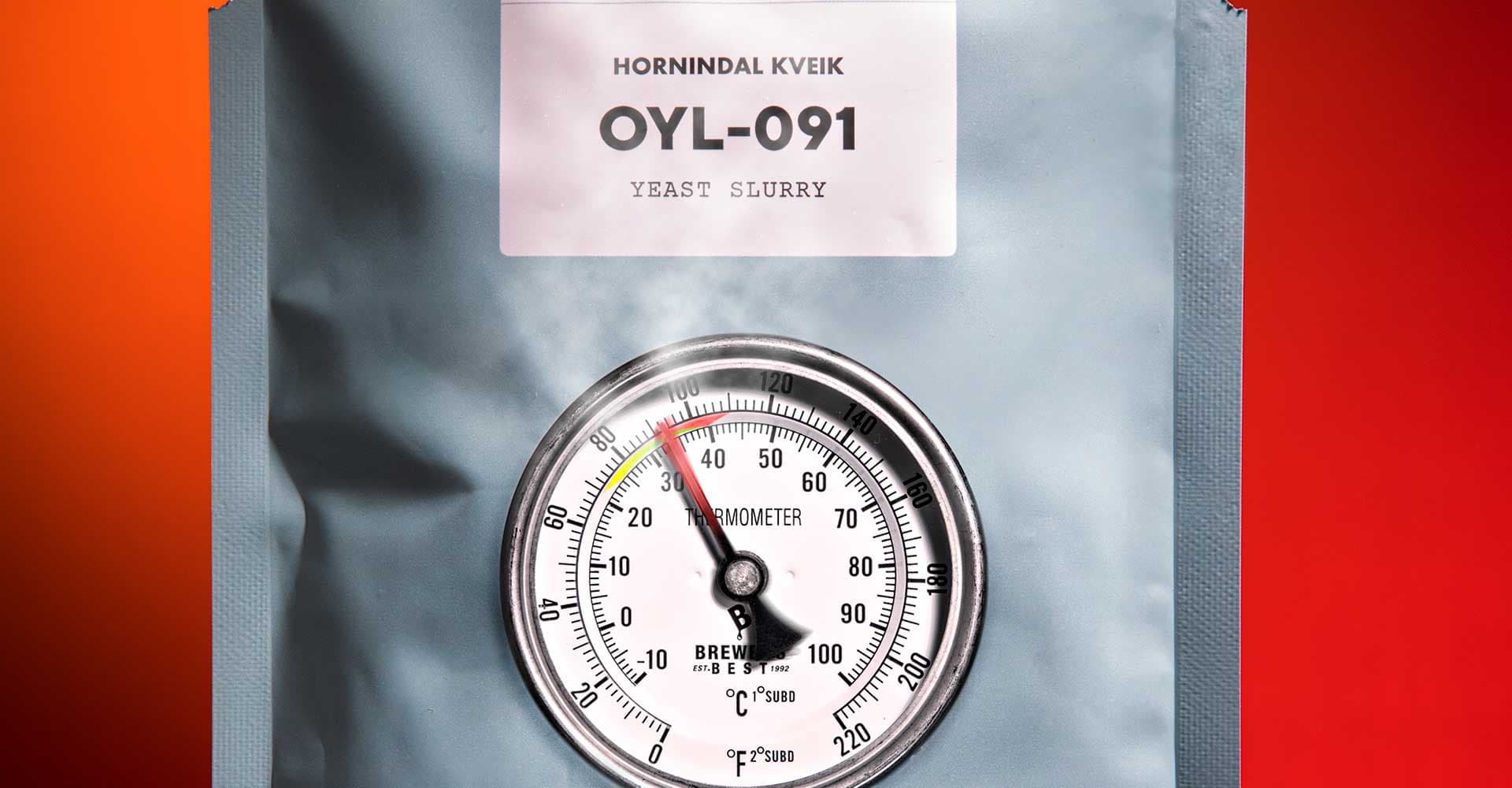
The world’s brewers have had a few years now to play with the unusual, high-performing, previously little-known heirloom yeasts from Norway. So, what have we learned about what they can do?
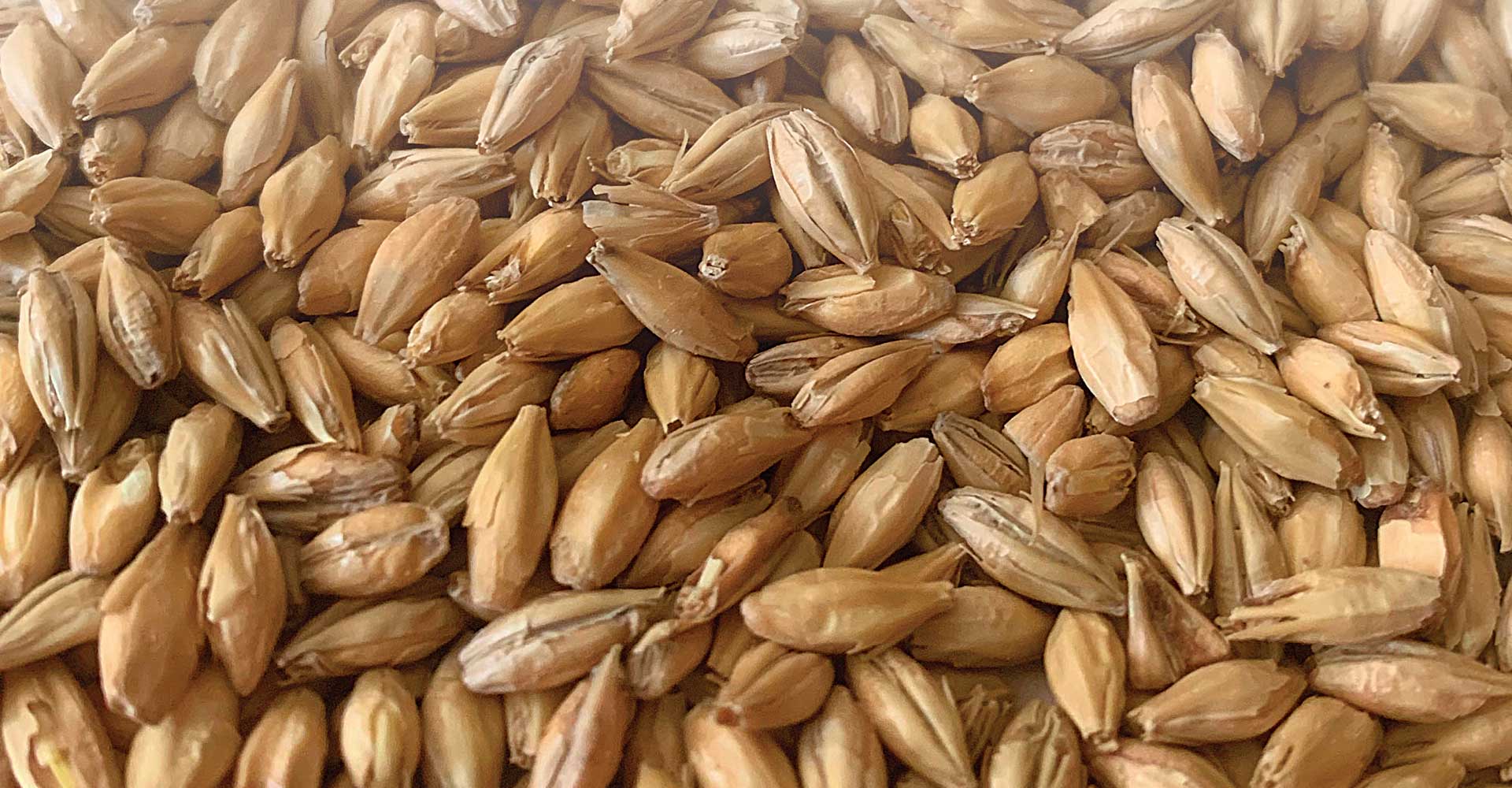
A year without trade shows didn’t stop suppliers from bringing new malts and hops to market. Here we run down some of the most promising new varieties to try in our own breweries (starting with a couple that we’ve already taken for a spin).
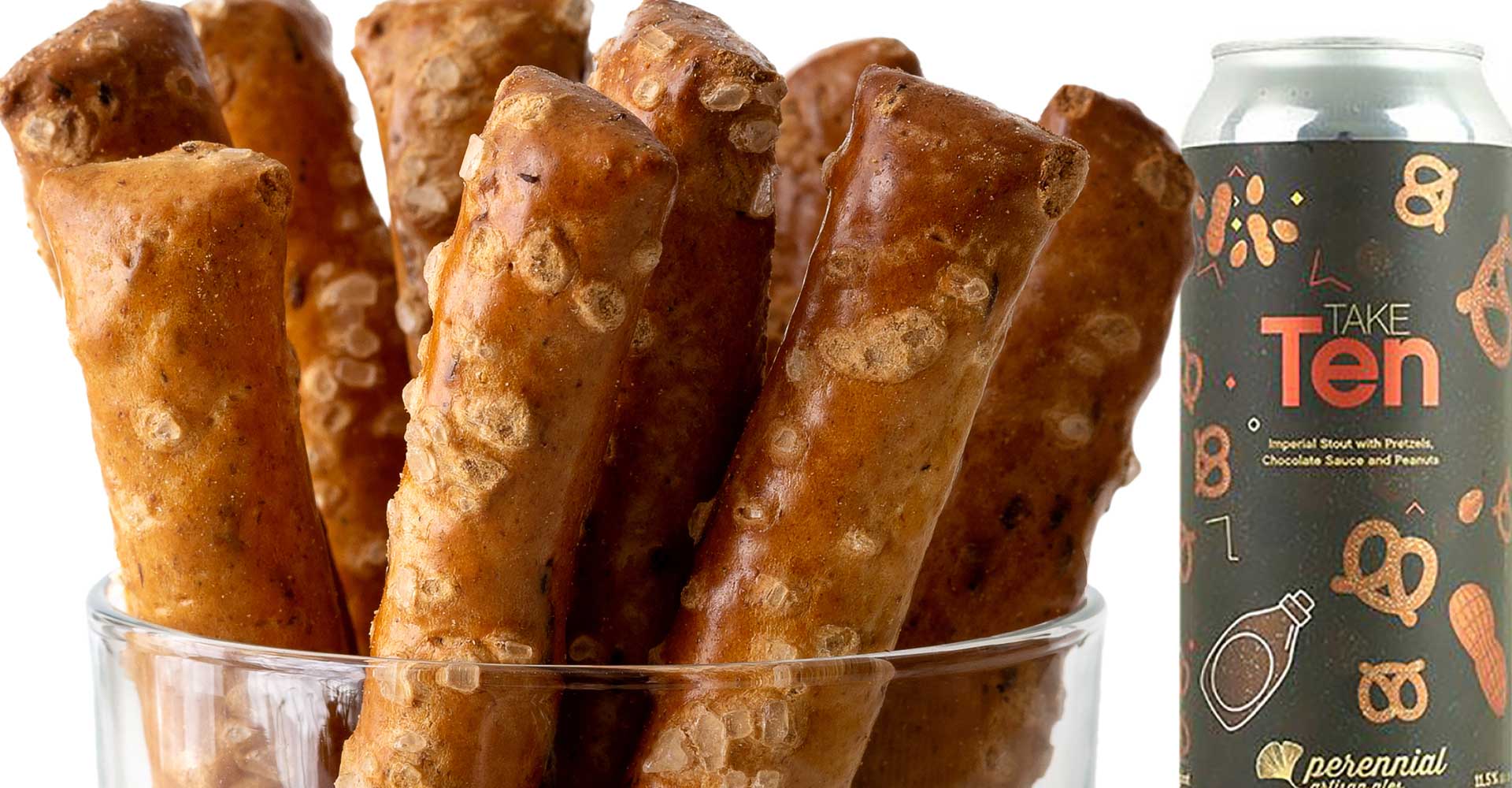
This homebrew recipe is based on Perennial’s dessert-stout riff on a sweet-and-salty pretzel-stuffed chocolate bar.
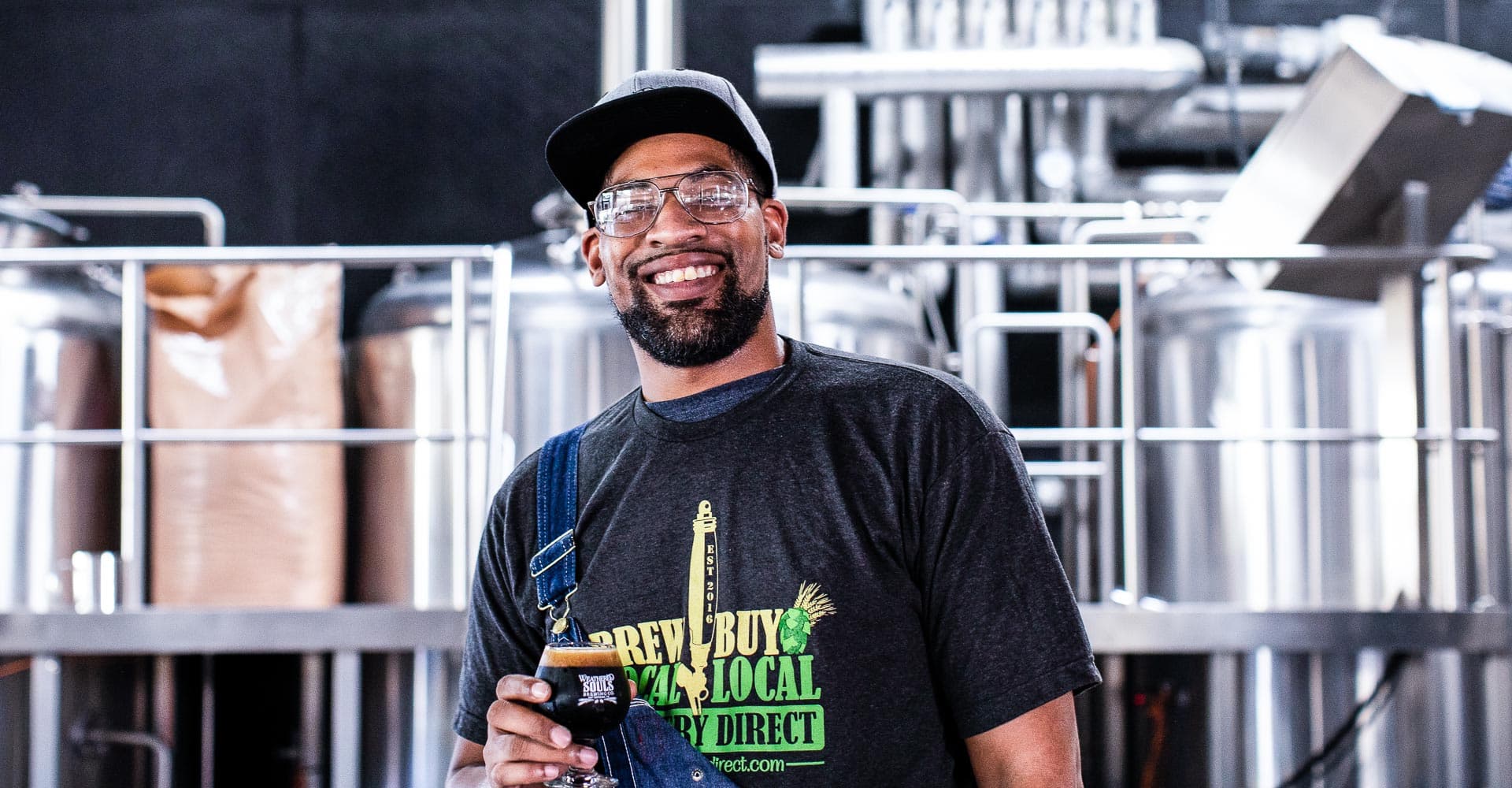
The cofounder of Weathered Souls and creator of the Black is Beautiful initiative discusses his thoughtful approach to crafting stouts that both express his viewpoint and appeal to his own palate.

Northern Virginia’s Port City Brewing has been a perennial GABF medal-winner since its founding a decade ago. In this video course, Jonathan Reeves shares his top-to-bottom approach to ensuring technical excellence in the brewing program.

As brewers pursue ever higher gravities for richer, stronger, thicker stouts, something immediately becomes clear: Most breweries weren’t made for this. Here’s a closer look at how breweries are adjusting for huge grists, long boils, and viscous beers.