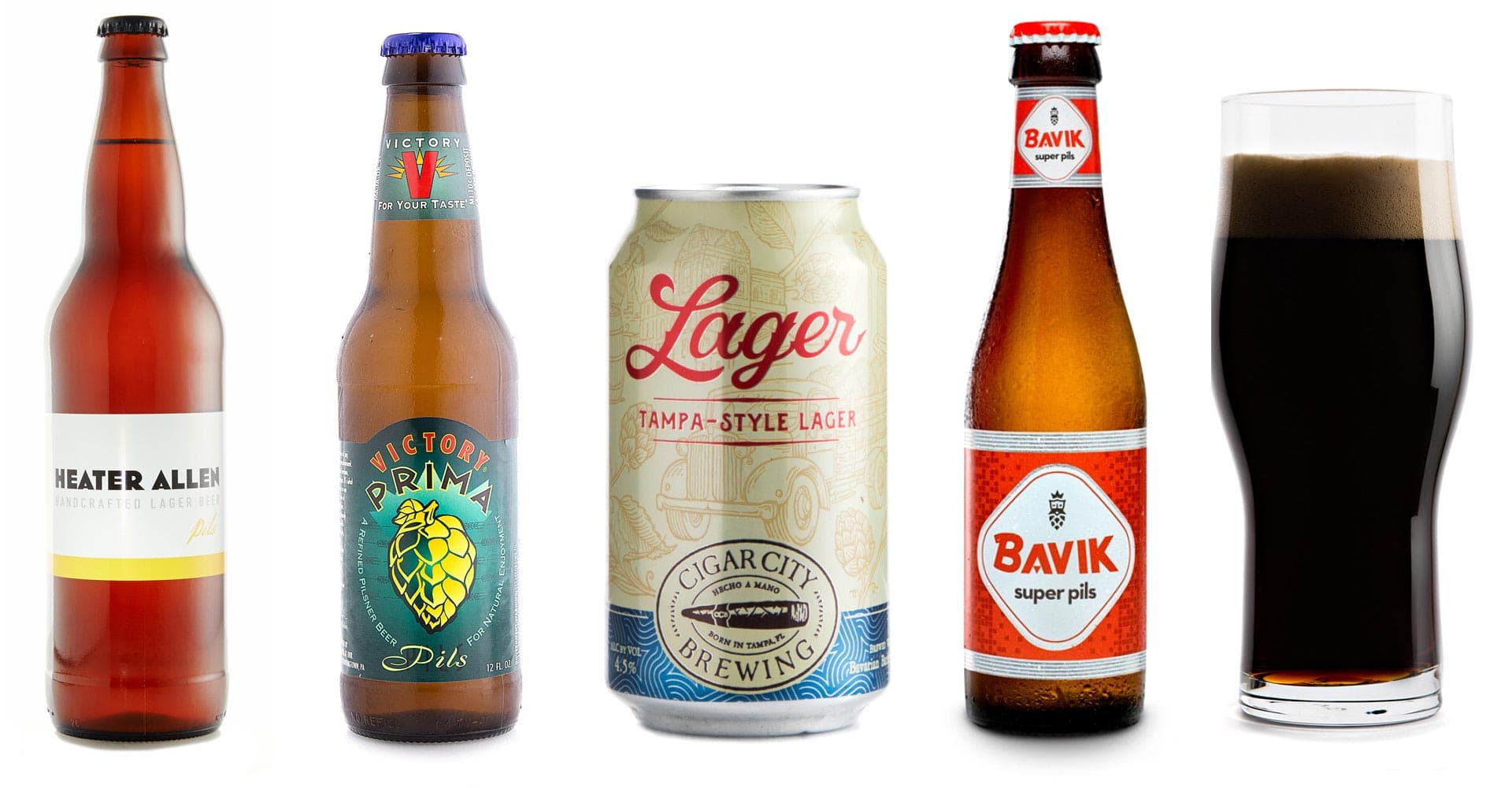
5 on 5: Brewers Recommend Their Favorite Lagers
From light Pilsners to proper helles, schwarzbiers, and more, we asked brewers and industry folks from around the country to share the type of lager they would most like in their glass.

Showing 2501-2520 of 4729 articles
From light Pilsners to proper helles, schwarzbiers, and more, we asked brewers and industry folks from around the country to share the type of lager they would most like in their glass.
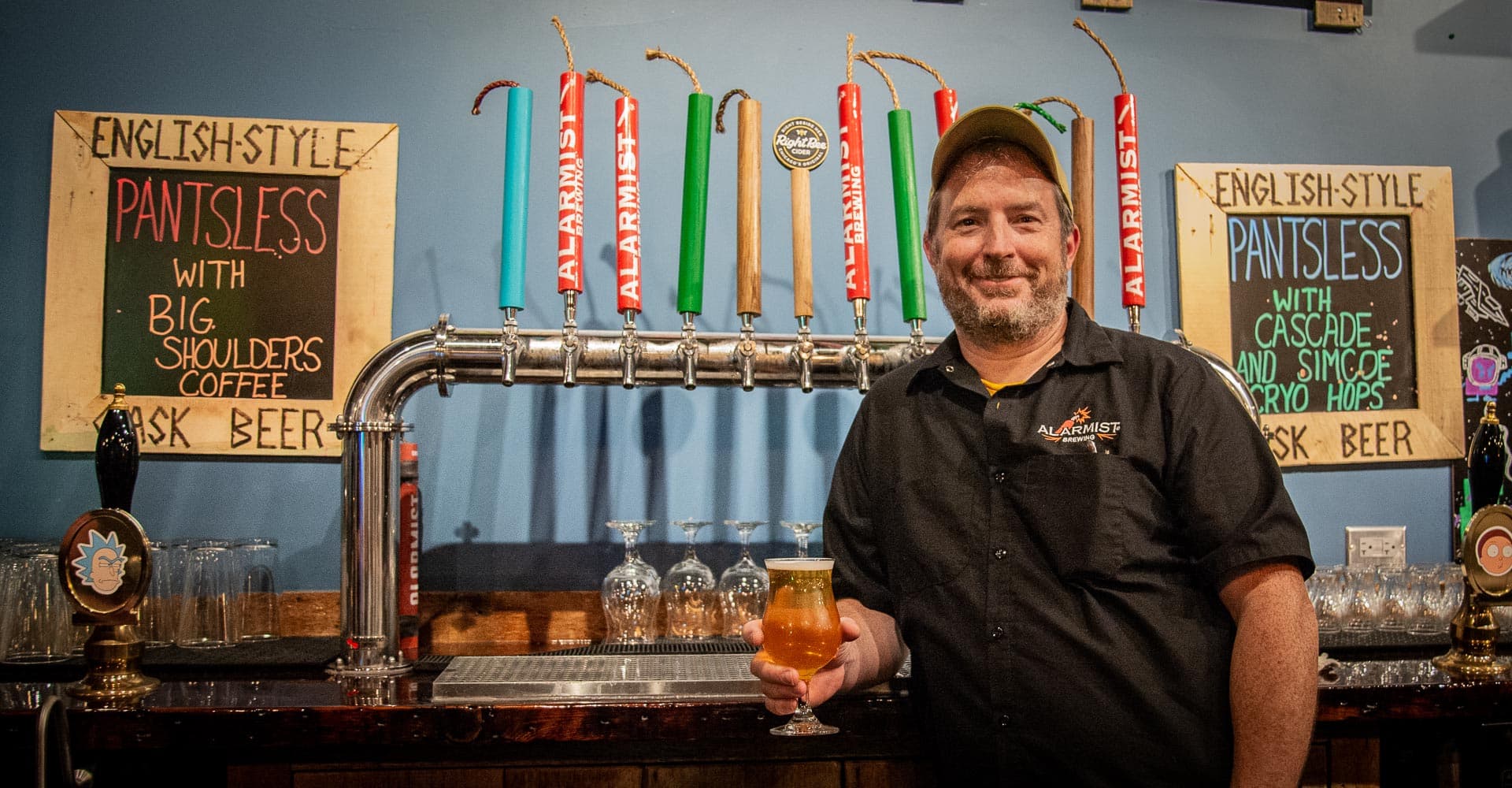
The founder of Alarmist Brewing (Chicago, Illinois) shares his thoughts on brewing hazy IPAs, and the perspective and techniques that helped them win gold in the competitive category.
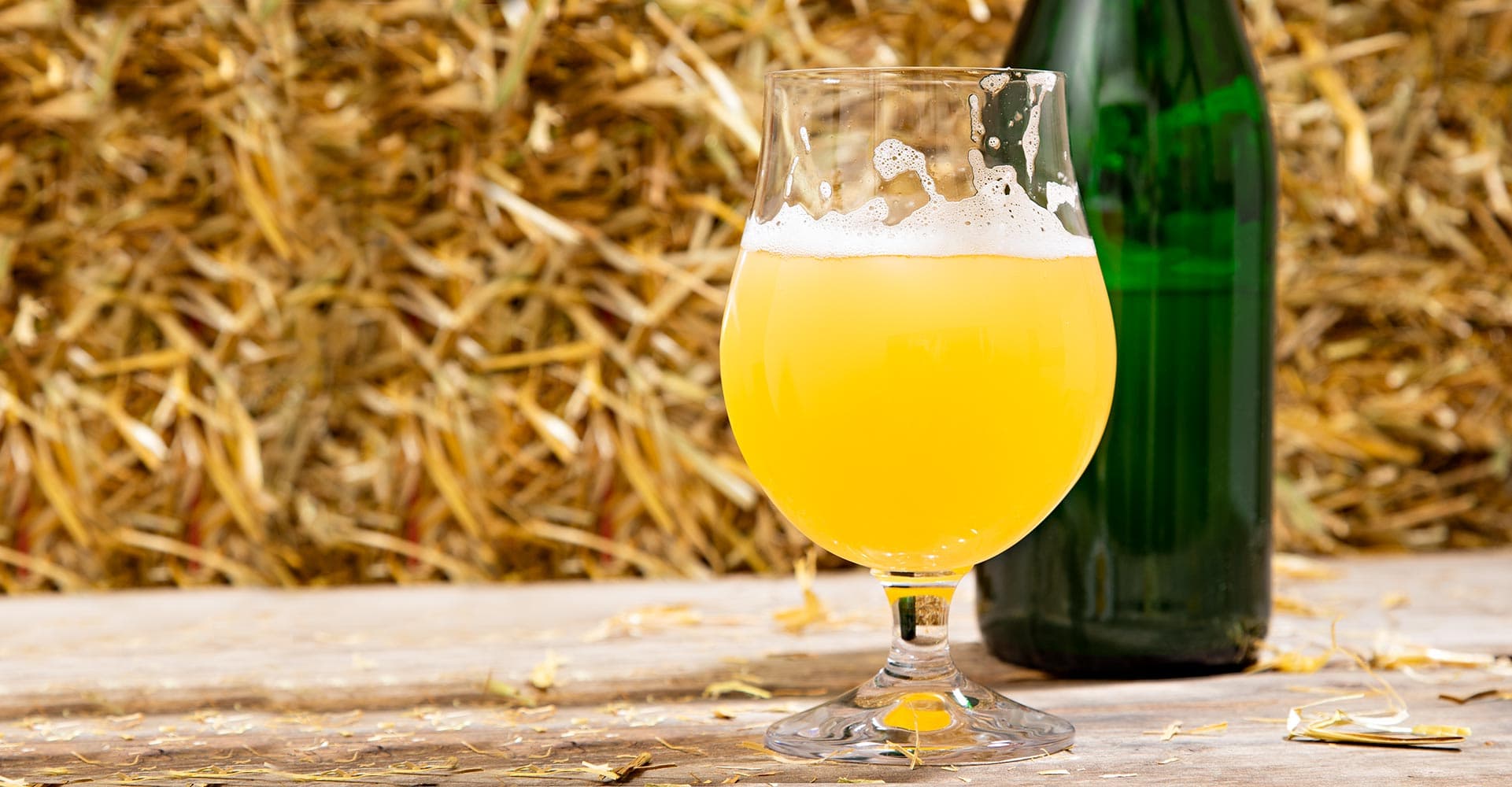
It’s clear that much about the origins of saison is confusing. That doesn’t mean there aren’t style marks to strive for. Randy Mosher breaks down this beer (often called farmhouse) point by point to give us a better understanding.
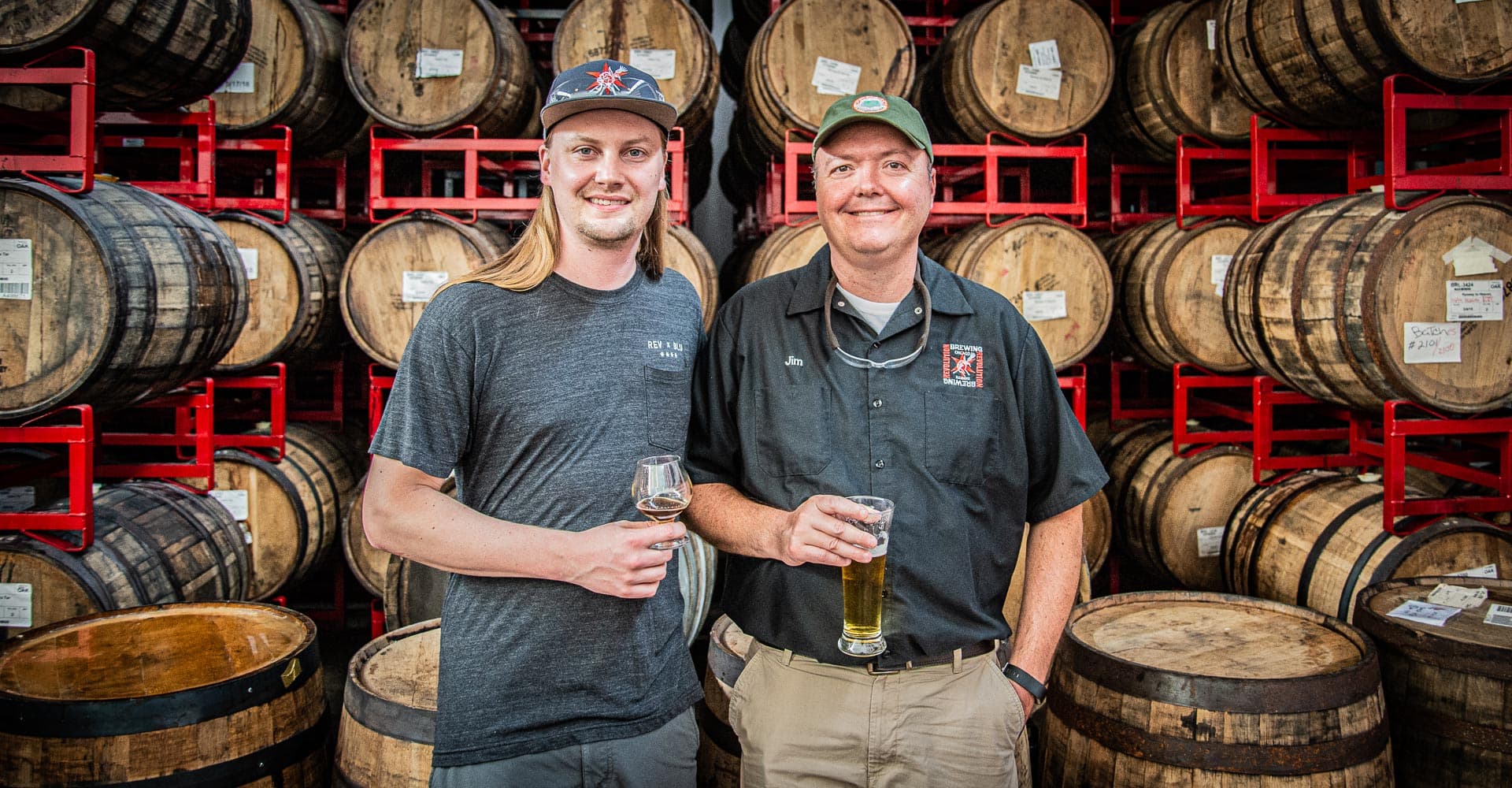
The Brewmaster and Barrel Operations Lead for Chicago, Illinois’ Revolution Brewing discuss their mathematical approach to brewing blending stock at different ages and attenuation levels, then delve into the process behind Hazy Hero IPA.
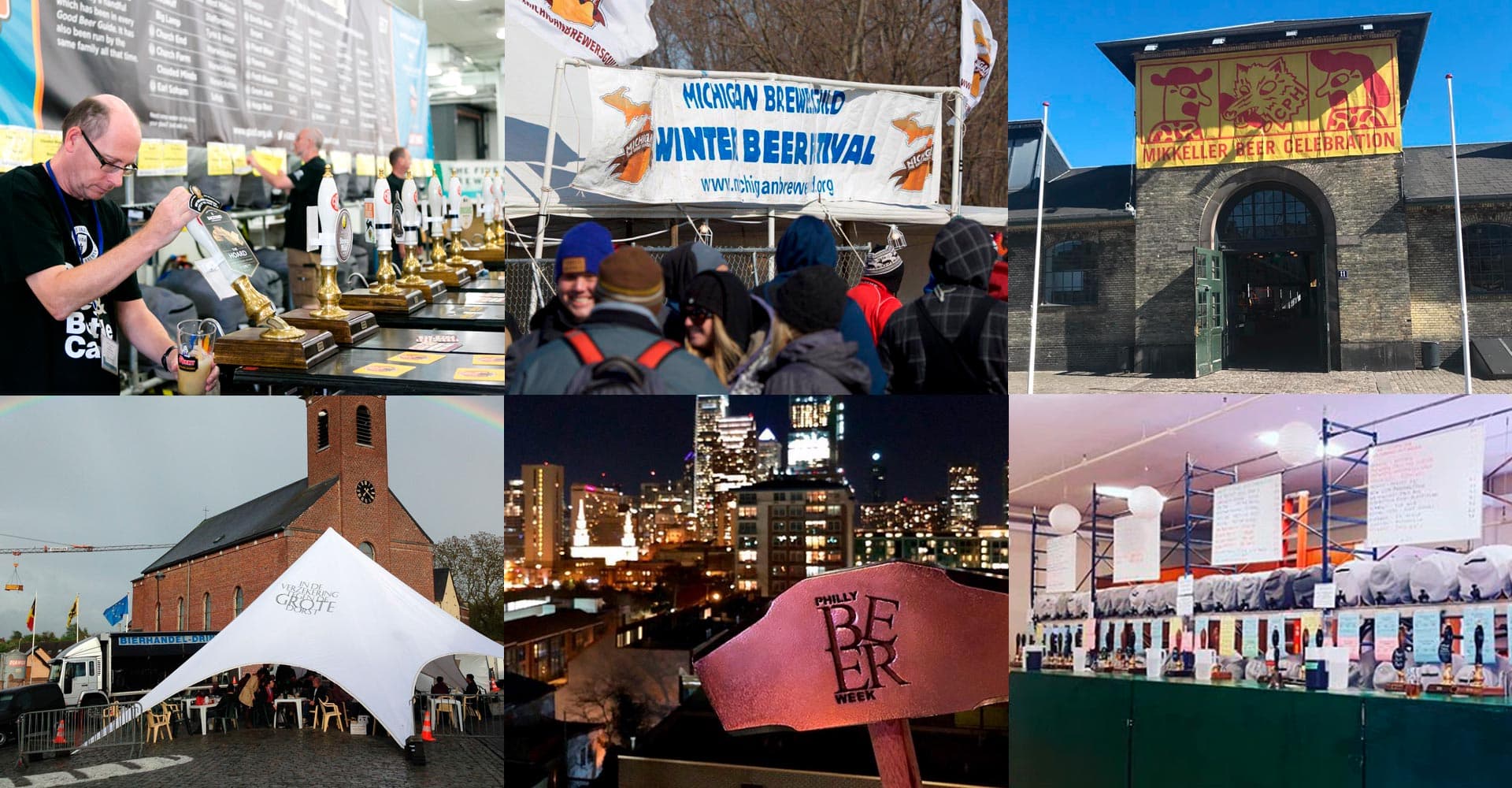
Six weird, wild, and wonderful beer events that any true beer lover should experience, even if just once.
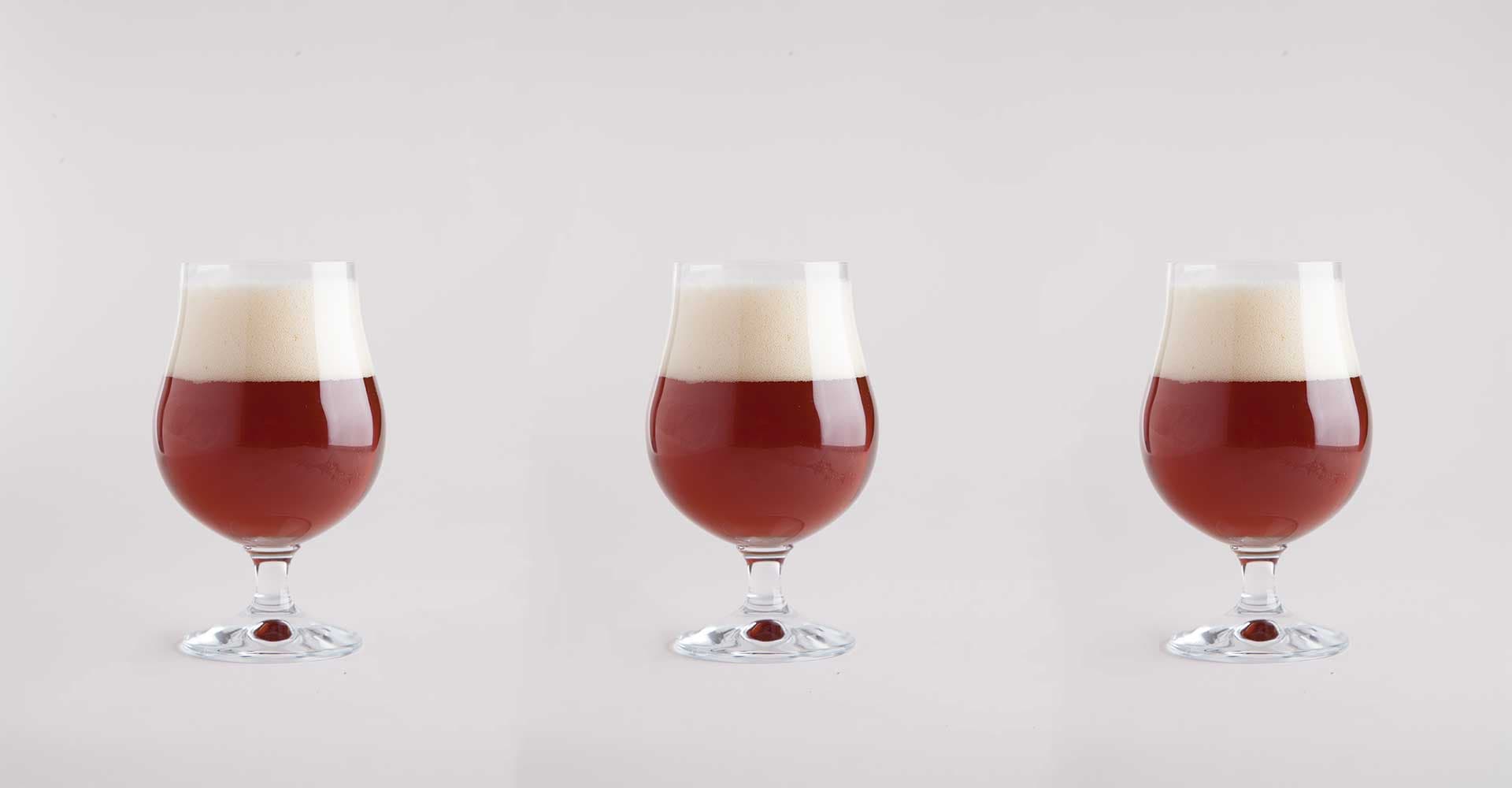
This old ale is brewed with molasses, a robust malt bill, then oak-aged. The result is a rich malty delight that’s deceptively smooth and drinkable. Head Brewer Jeremy Kosmicki calls it a “nighttime sipper” and a respite from the hops-forward styles.
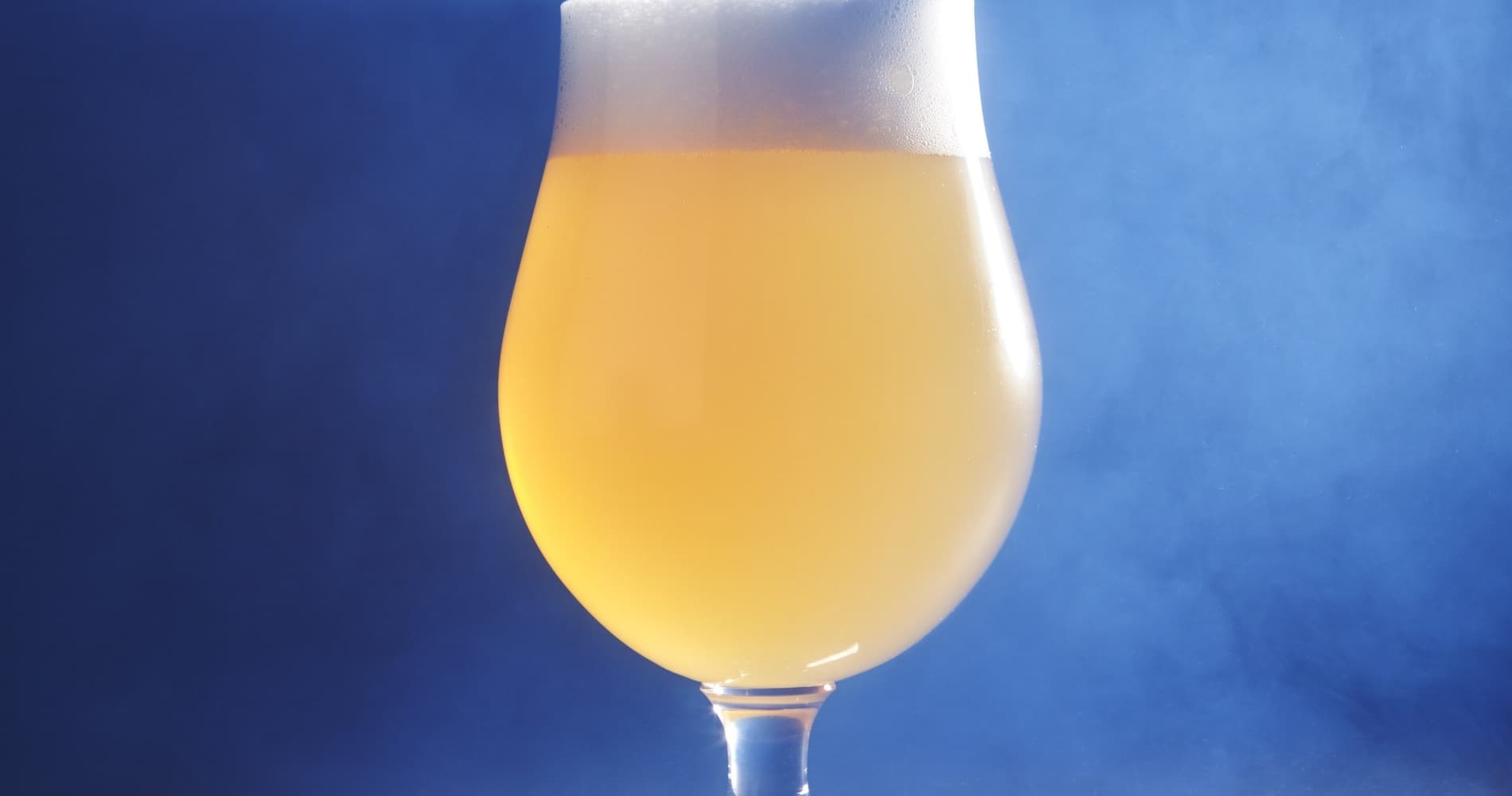
When you’re turning out New England–style IPAs and pale ales, you need a workhorse of a yeast. The head brewer of Tin Roof Brewing Co. has found one, and the medals his beers rack up (including Great American Beer Festival gold) show that it’s working.
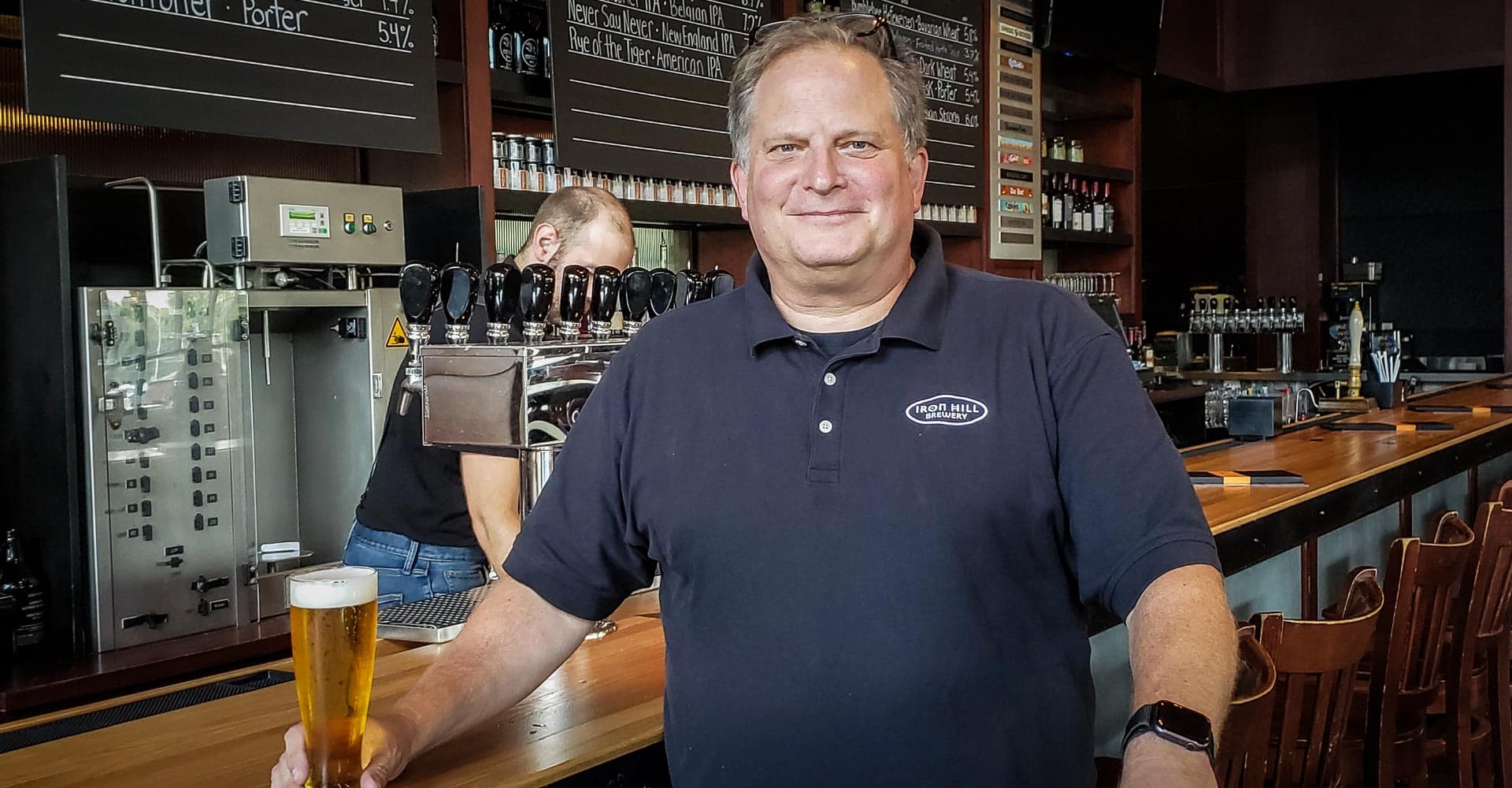
This week Mark Edelson, one of the cofounders of Iron Hill Brewery & Restaurant, now with nearly 20 locations in the east, talks about why staff training is important, a useful path towards a brewing career, and more.
Get a quick rundown on alpha acids and beta acids when it comes to hops. In this video tip Dirk Hillegass walks you through the basics and how it can help you make a superior beer.
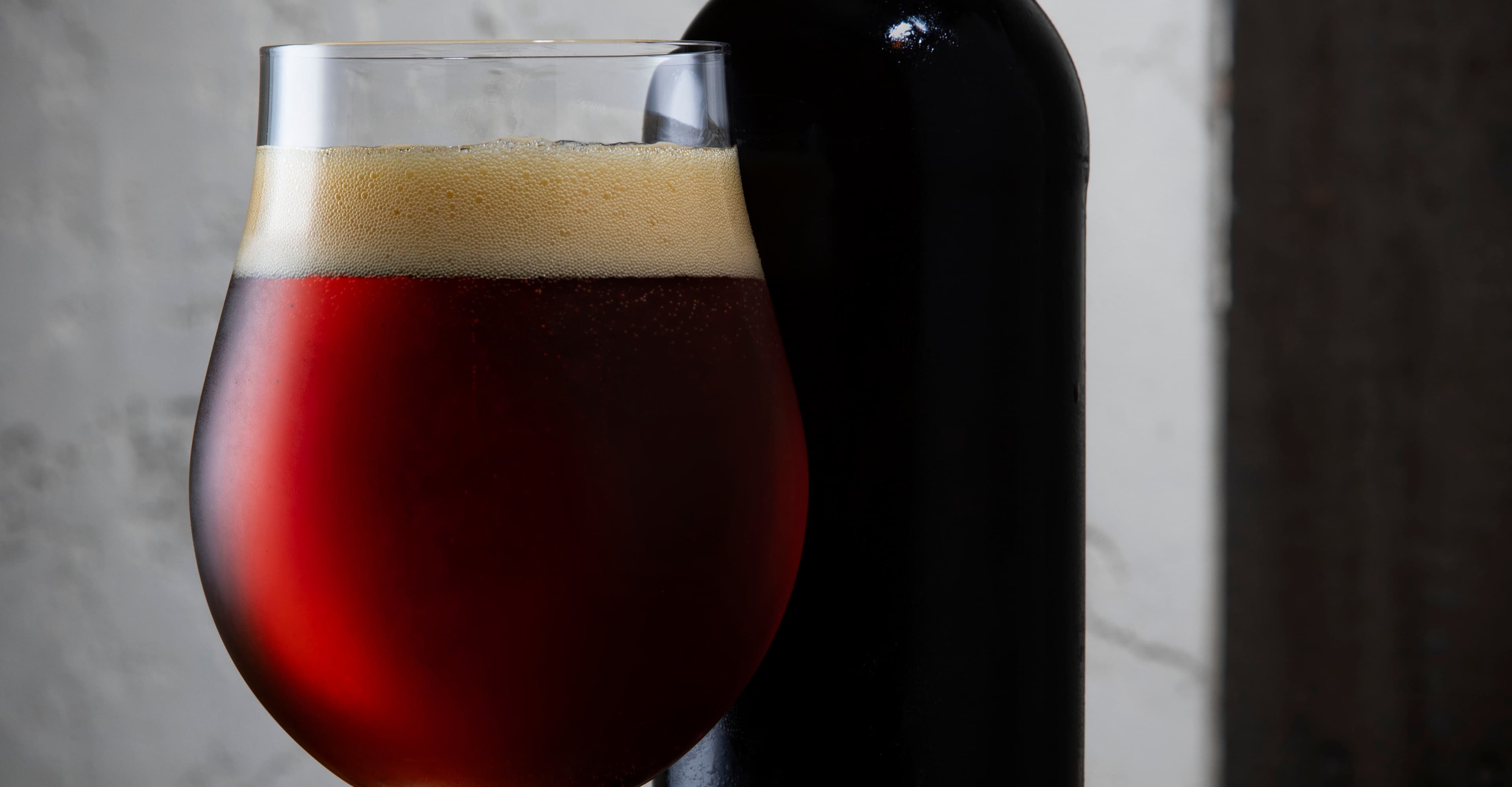
Old ales have a flavor profile that many younger drinkers, currently rapt with barrel-aged stouts, might love, says Jeff Alworth, thanks to complexity, acidity, and gentle sweetness that make them very contemporary.
In this video tip Ashleigh Carter, the brewmaster at Bierstadt Lagerhaus in Denver, talks about the importance of pitch rates in lagers.
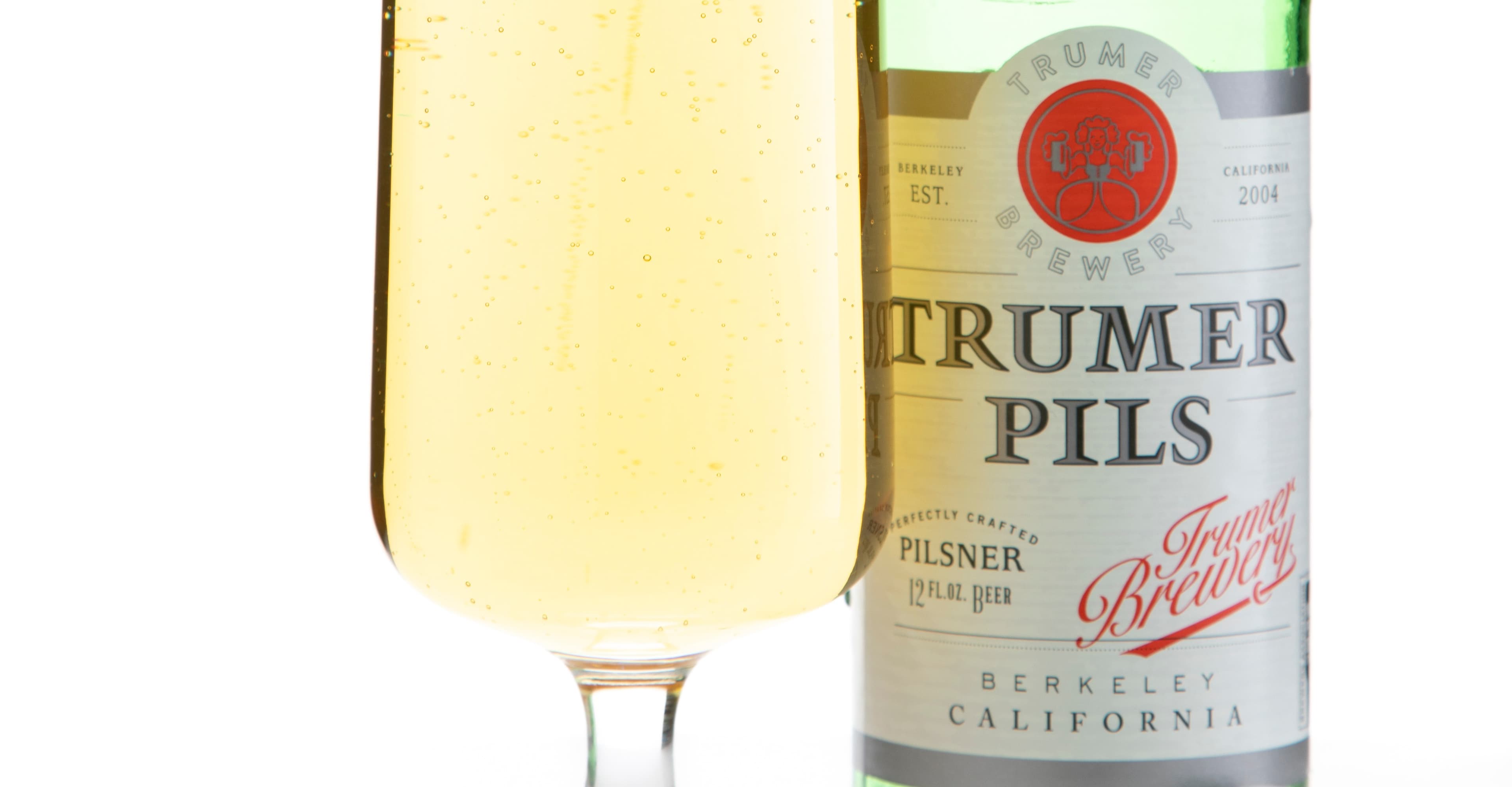
Consistency is key in making Pilsners, and that comes with continuously making adjustments to make sure you haven’t verged off the pre-determined path. Lars Larson, brewmaster at Trumer Brauerei shares his thoughts about being solely focused on Pilsner.
This blonde ale is more flavorful than your average “lawnmower” beer, so save it for after you mow. Once you dial in the recipe, this beer will get your non-beer-drinking friends started down the path to craft-beer obsession! And you’ll enjoy it, too.
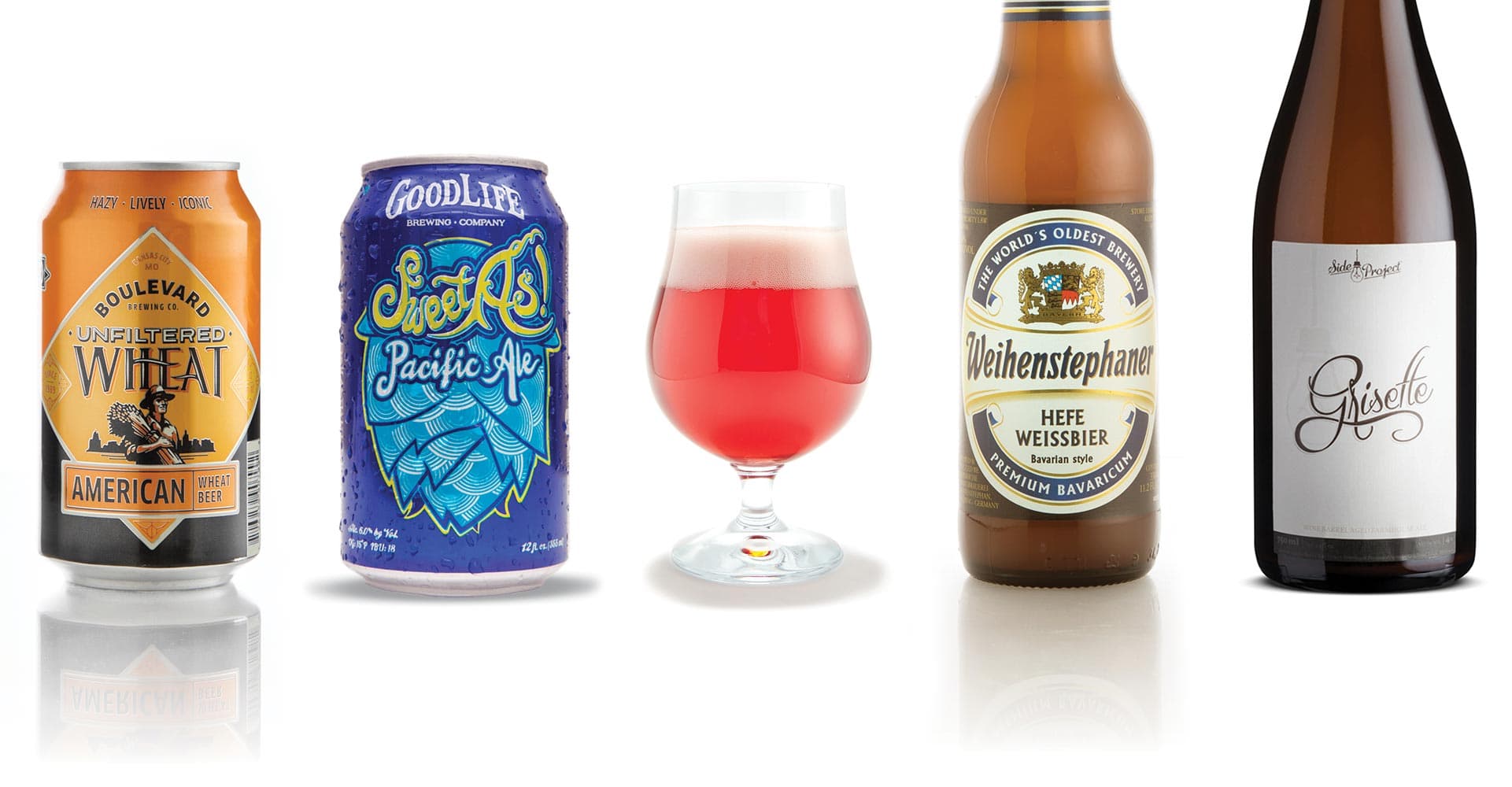
Wheat beer is a diverse category, and personal preferences play a big role in picking the right one. We asked brewers to share their thoughts on wheat beers they enjoy. Here are their suggestions for the next wheat beer in your glass.
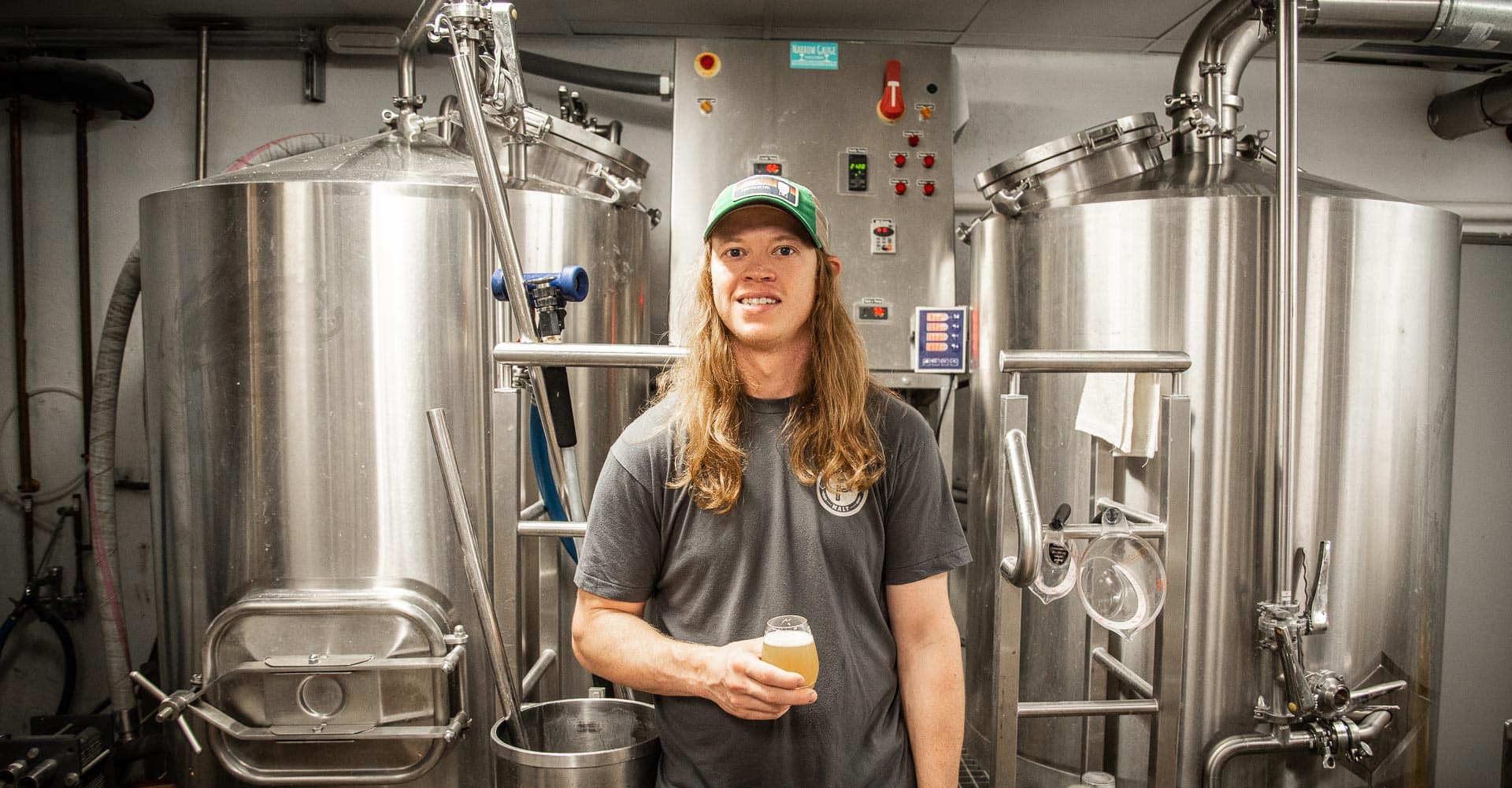
The cofounder of St. Louis’ most popular brewer of progressive hazy styles shares the techniques and philosophy behind their sought-after beers, and debunks some misperceptions in the process.
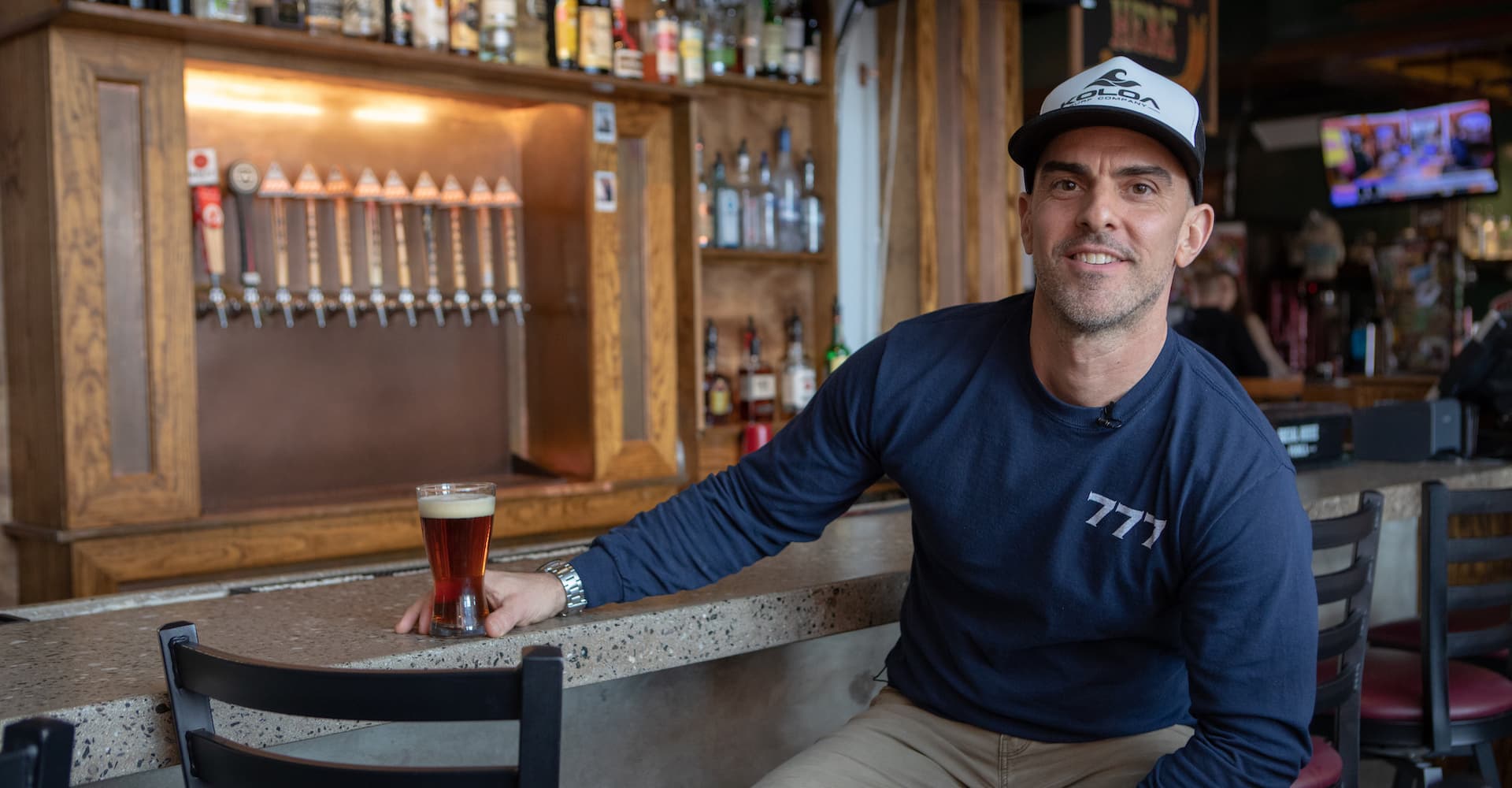
All Sevens Brewing Head Brewer Dirk Hillegass takes you from grain to glass, offering practical tips to help you brew superior ales.
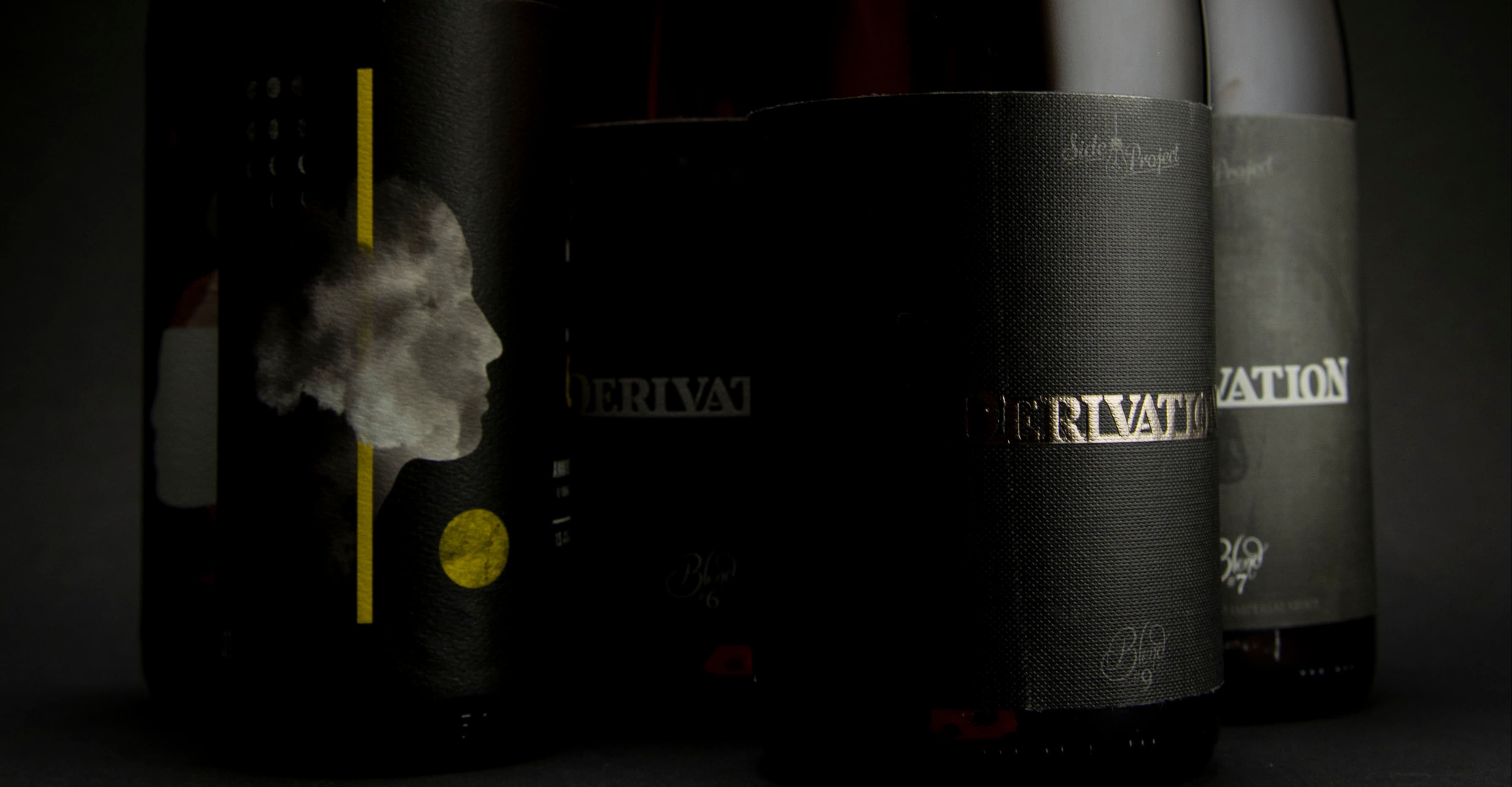
When it comes to rare or sought-after beers, some customers enjoy the thrill of the hunt and the satisfaction of opening and tasting the beer. Others seek get these treasures at the retail price, then resell them on the secondary market for profit.

The cofounder of Perennial Artisan Ales, as well as brewer who did his time at some of the better-known breweries of the Midwest, Phil Wymore has picked six beers that speak to his fondness for depth, stability, and creativity.
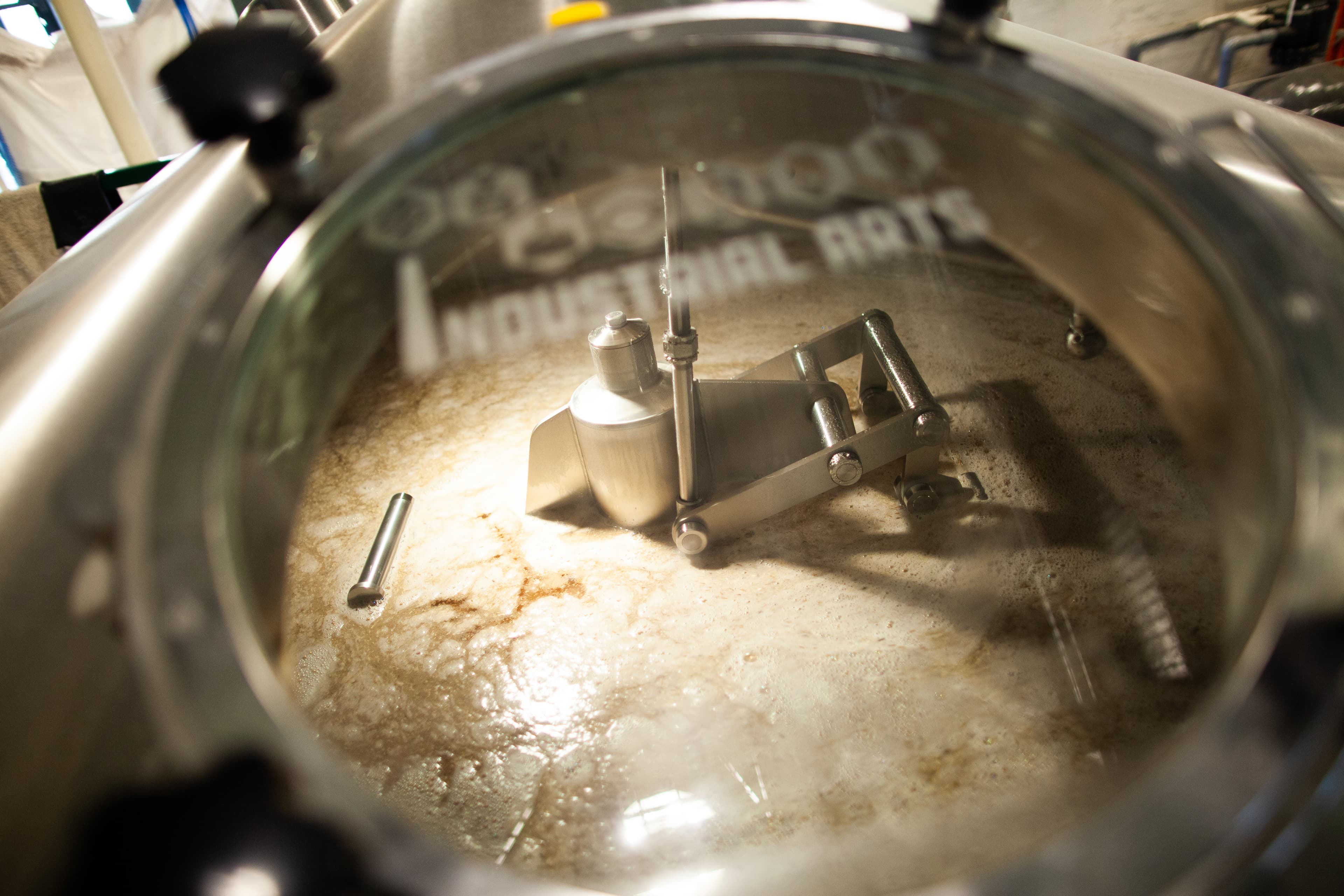
Jeff O’Neil of Industrial Arts Brewing shows off his lauter tun and talks about the sparging process and how it helps make delicious hazy IPAs.
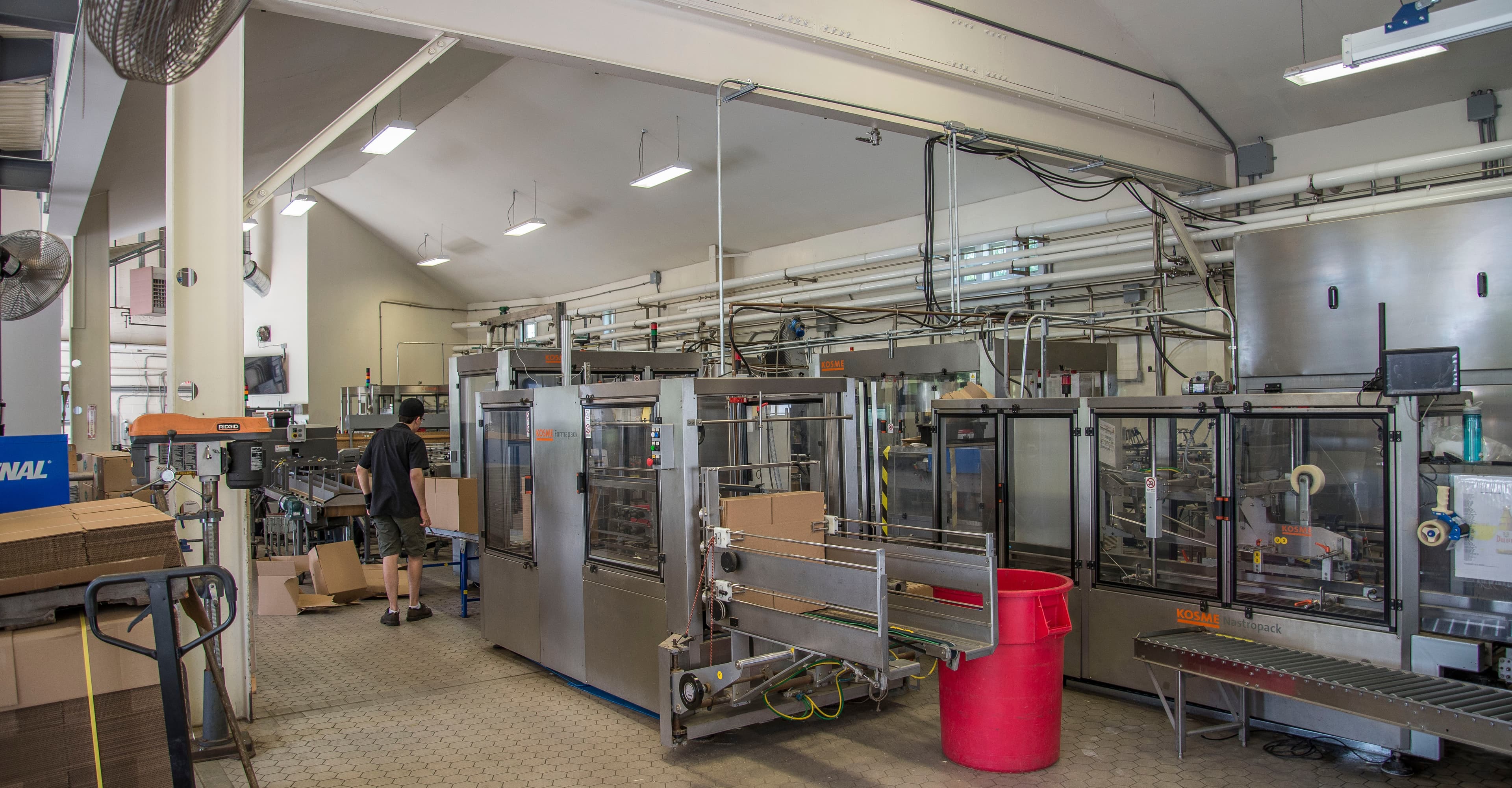
There are some breweries, especially those specializing in secondary fermentation, that are taking steps to warm the beer before it goes into the package. As they will tell you, it makes a big difference