Recipe: Northern Lights Honey Ale
This light, fruity ale highlights honey and honey-driven peach and apricot flavors against a clean, biscuit-like background.

Showing 1181-1200 of 4726 articles
This light, fruity ale highlights honey and honey-driven peach and apricot flavors against a clean, biscuit-like background.
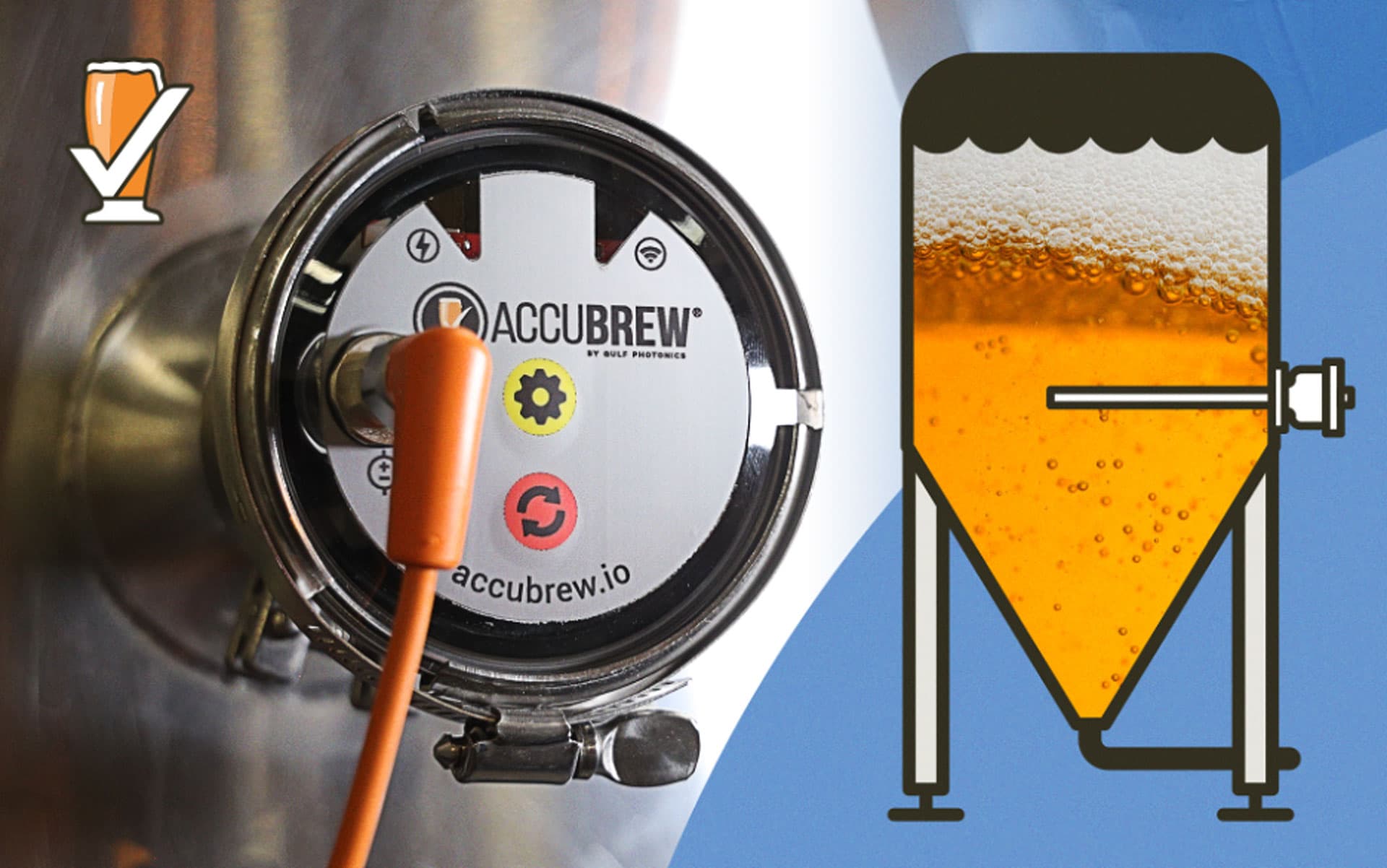
Step into the modern era with AccuBrew. We put eyes inside your tanks.
You don’t need fruit to brew a fruit-flavored beer—malt, sugar, hops, and yeast can all be used to mimic the character of various fruits. Yet, once mastered, there is another use for this power of deception: boosting the flavors of real fruit.
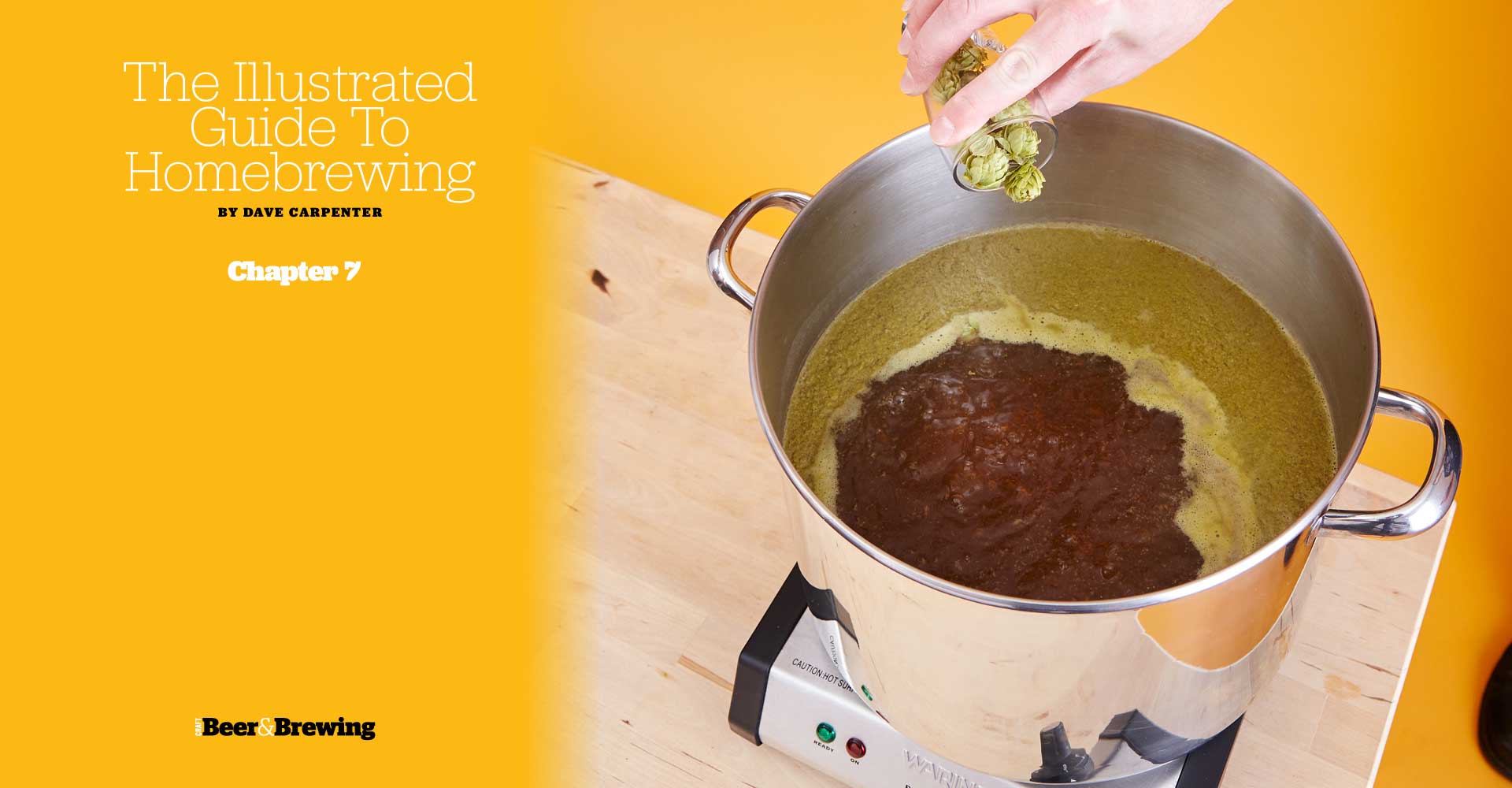
Much of what becomes beer is made in the kettle. From our Illustrated Guide to Homebrewing, here’s a look at what’s going on in there and the many decisions we can make along the way.

After getting his start as a homebrewer, Kosmicki’s first pro brewing gig was on Founders’ 30-barrel brewhouse. Two decades in, he’s approaching innovation with a cautious eye for sustainability.

A splash of stout for deglazing the pan leaves some for you to drink while preparing this hearty (yet meatless) flatbread, great for sharing or a late-night snack.
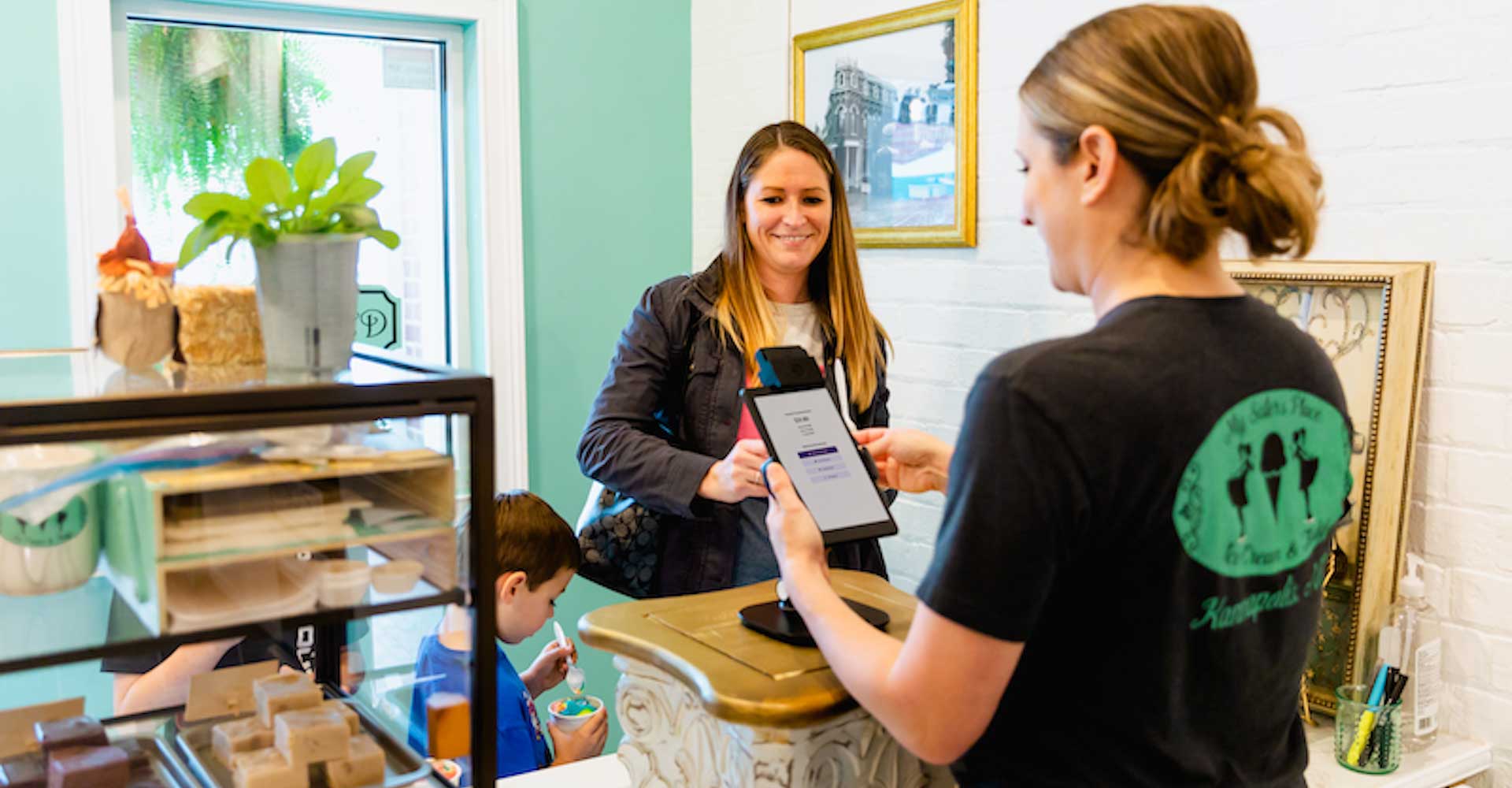
Point of sale (POS) processing fee structures can sound complicated at first, but it’s critical to understand the difference between them so you can make the best decision for your brewery and your profits.
From ball bearings to infusion tanks, Maplewood founder Adam Cieslak and special projects lead Adam Smith offer technical advice on how to best extract the flavors from ingredients such as coconut and coffee.
IPL is about making sure the “L” part—lager—is getting its due. With this recipe, the idea is make something that’s clearly a lager but also features hops in a way that doesn’t overwhelm the palate or the grist.
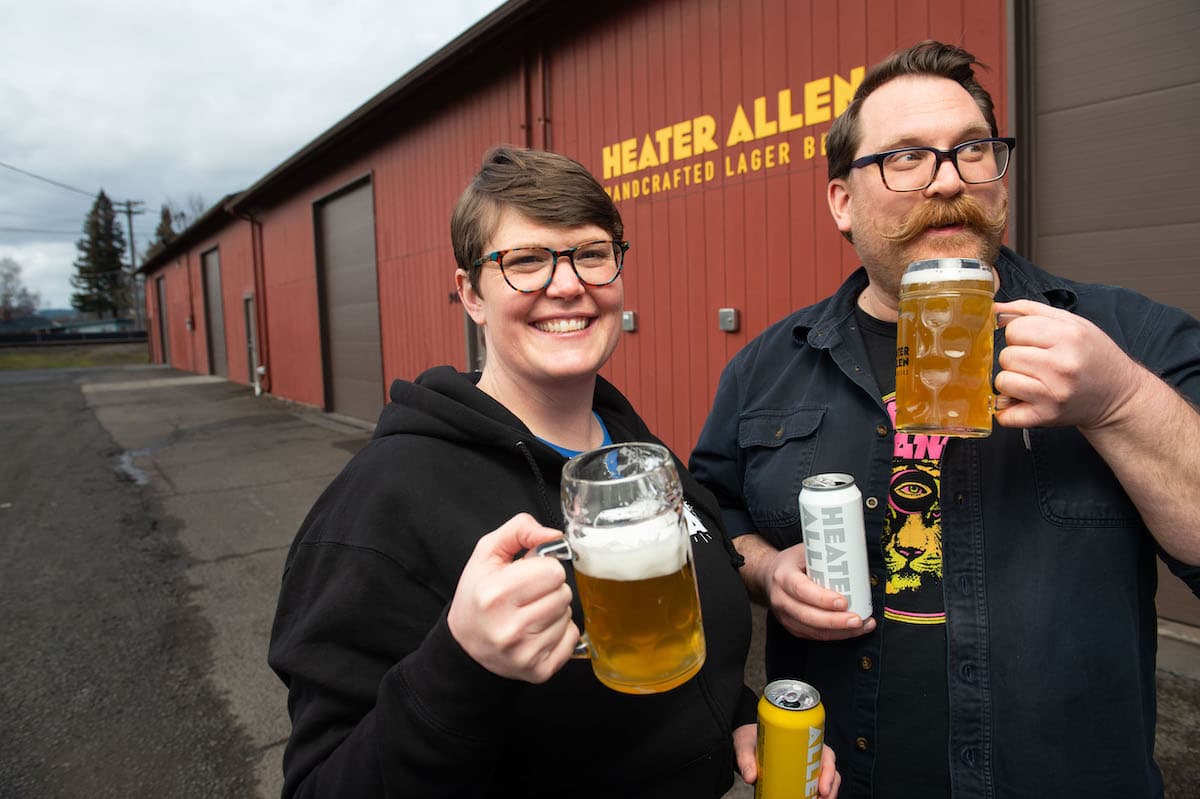
Heater Allen’s head brewer and the inventor of cold IPA are joining forces to launch lager-centric Gold Dot Beer in McMinnville, Oregon.
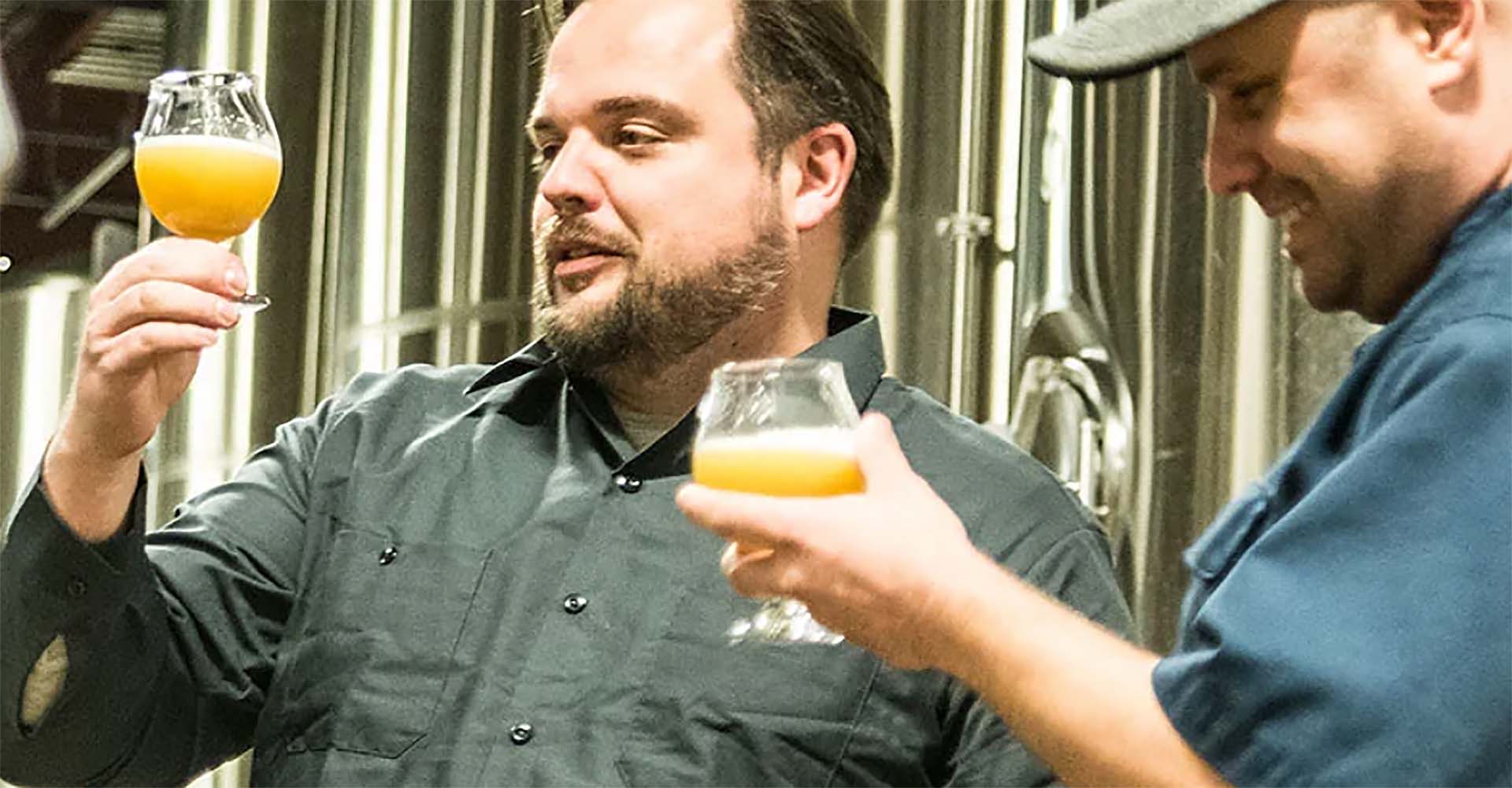
Michigan’s Old Nation didn’t set out to brew hazy IPA. Yet when they tackled the project, they did it with the analytical rigor one would expect from disciplined brewers trained to brew lagers.
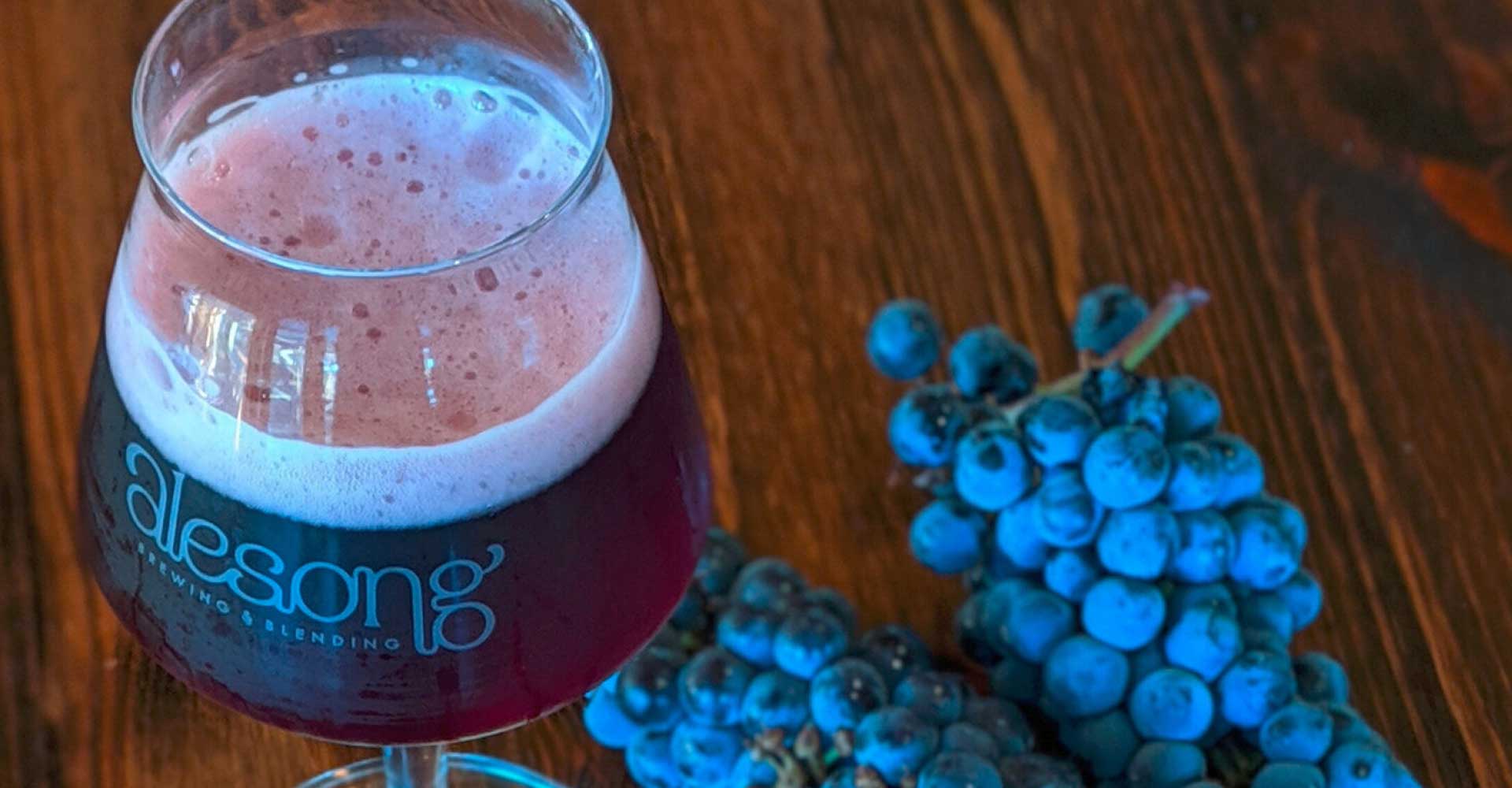
With thanks to Brian and Doug Coombs and Matt Van Wyk, cofounders of Alesong in Eugene, Oregon, here’s a homebrew-scale recipe for the base beer that they use for their co-fermentations with local fruit.
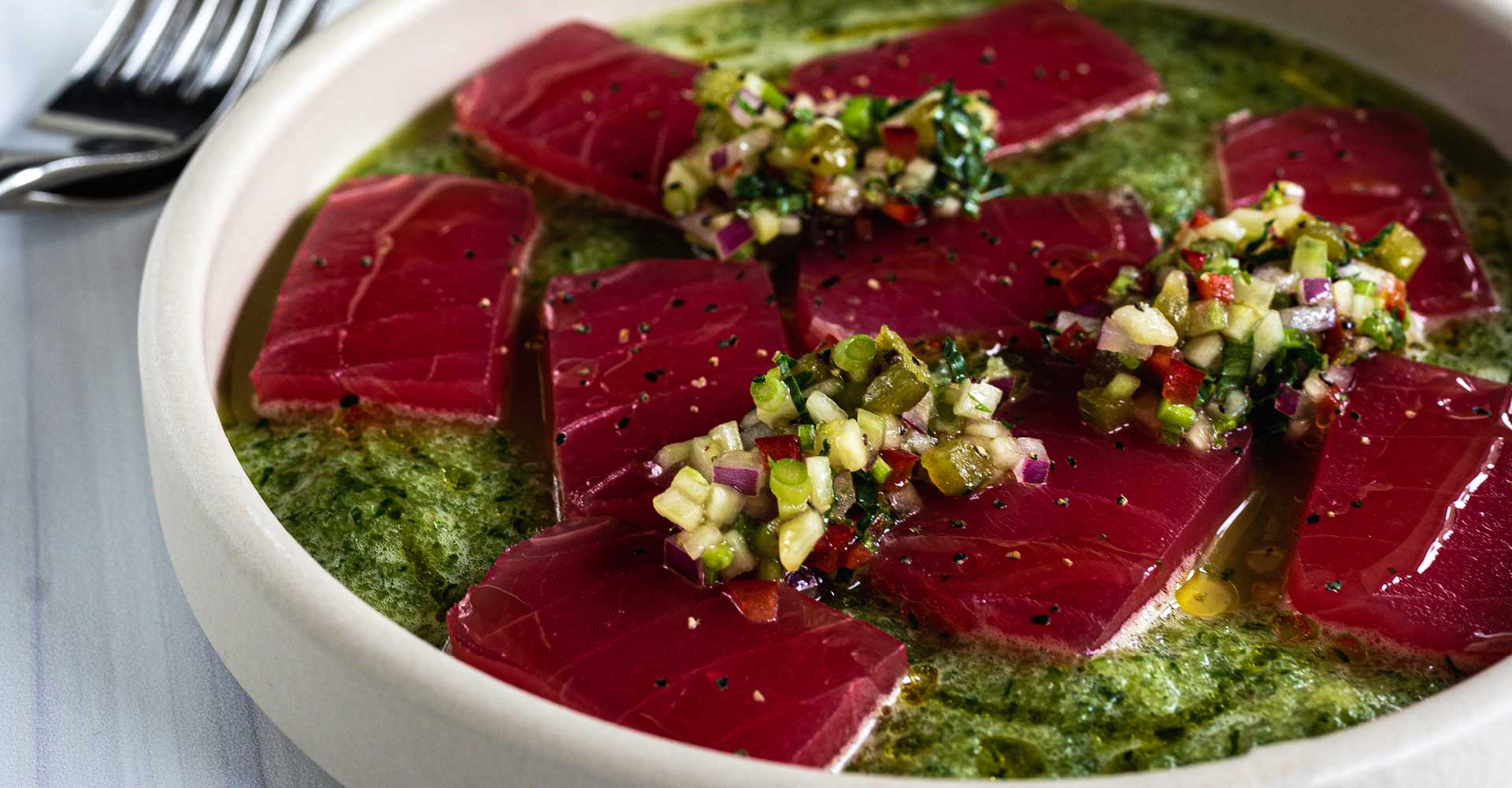
A well-chosen IPA adds a tropical splash to this simple yet delicious riff on aguachile using sushi-grade tuna.
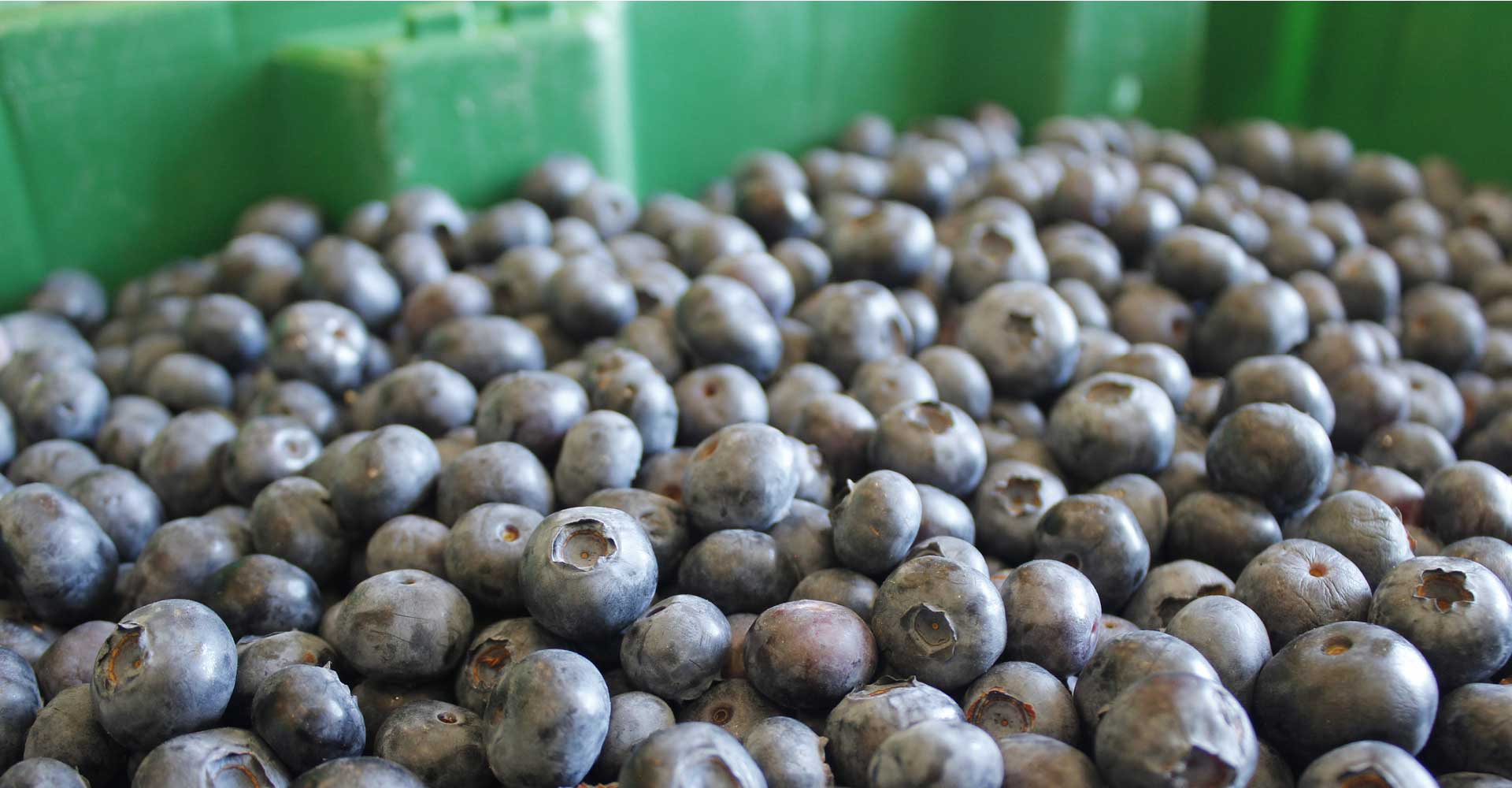
Borrowing a page from winemakers, some brewers are pitching freshly picked fruit instead of slurry, taking advantage of the natural yeast and bacteria on their skins—a process that requires a leap of faith and the best, ripest fruit you can find.
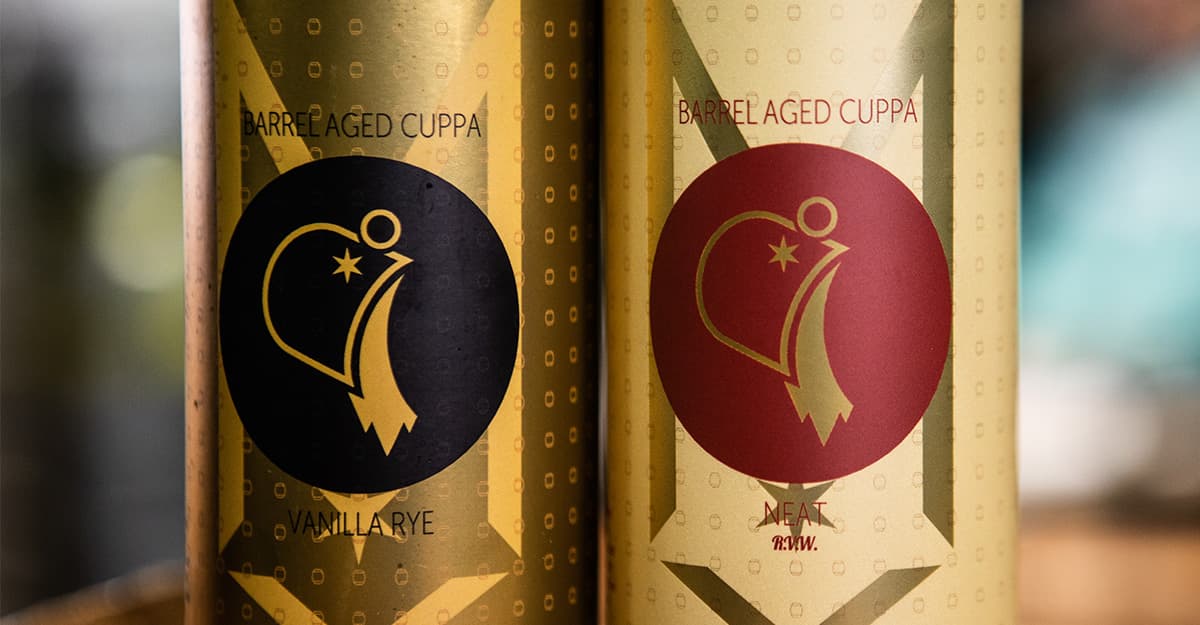
In this clip from their video course, Maplewood founder Adam Cieslak and head brewer Roger Cuzelis explain how they go about balancing the residual sugars in their higher-gravity stouts by adjusting their roasted grains.
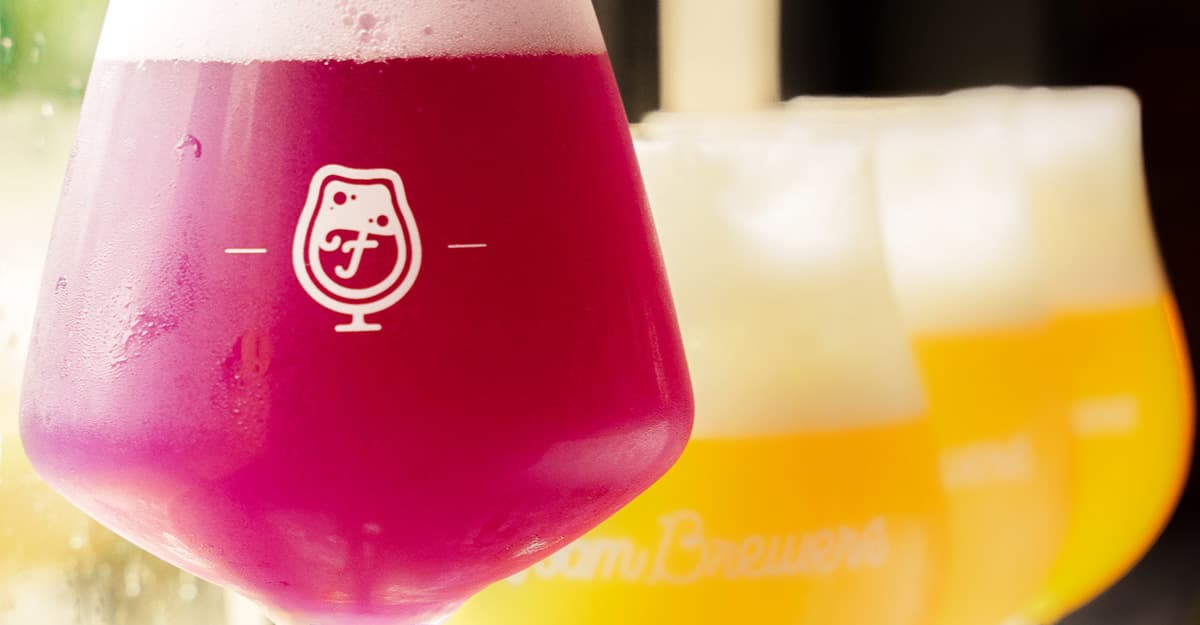
From Foam Brewers in Burlington, Vermont, comes this recipe for a mixed-culture plum beer—also featuring lavender and lemon zest—that gets its vibrant hue from the addition of butterfly pea flowers.
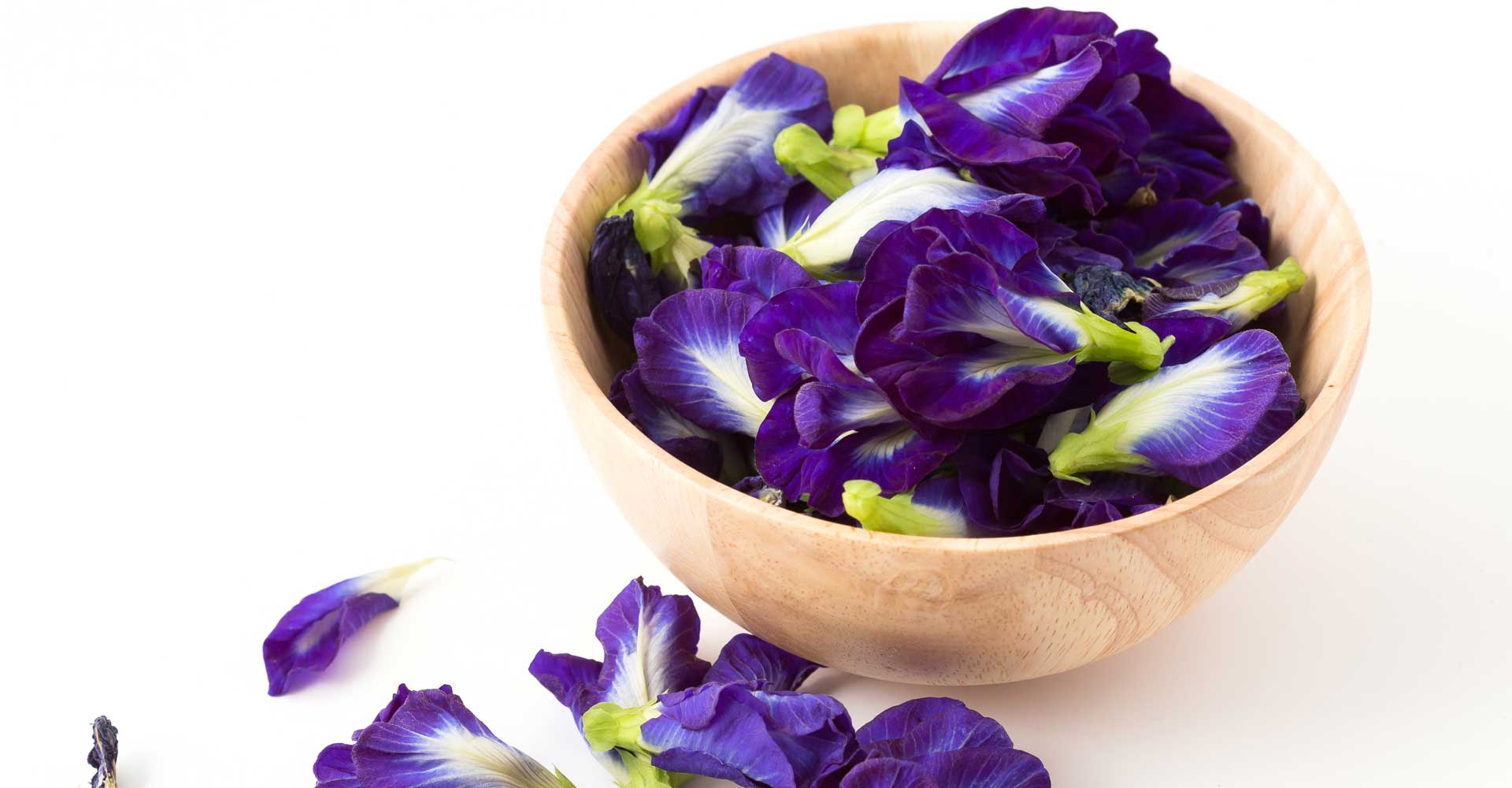
You might see the tea in Thai restaurants or trendy cafés or spas—a striking blue or purple liquid, steaming from clear mugs or iced in glasses. And, guess what? That potent color also works in beer.
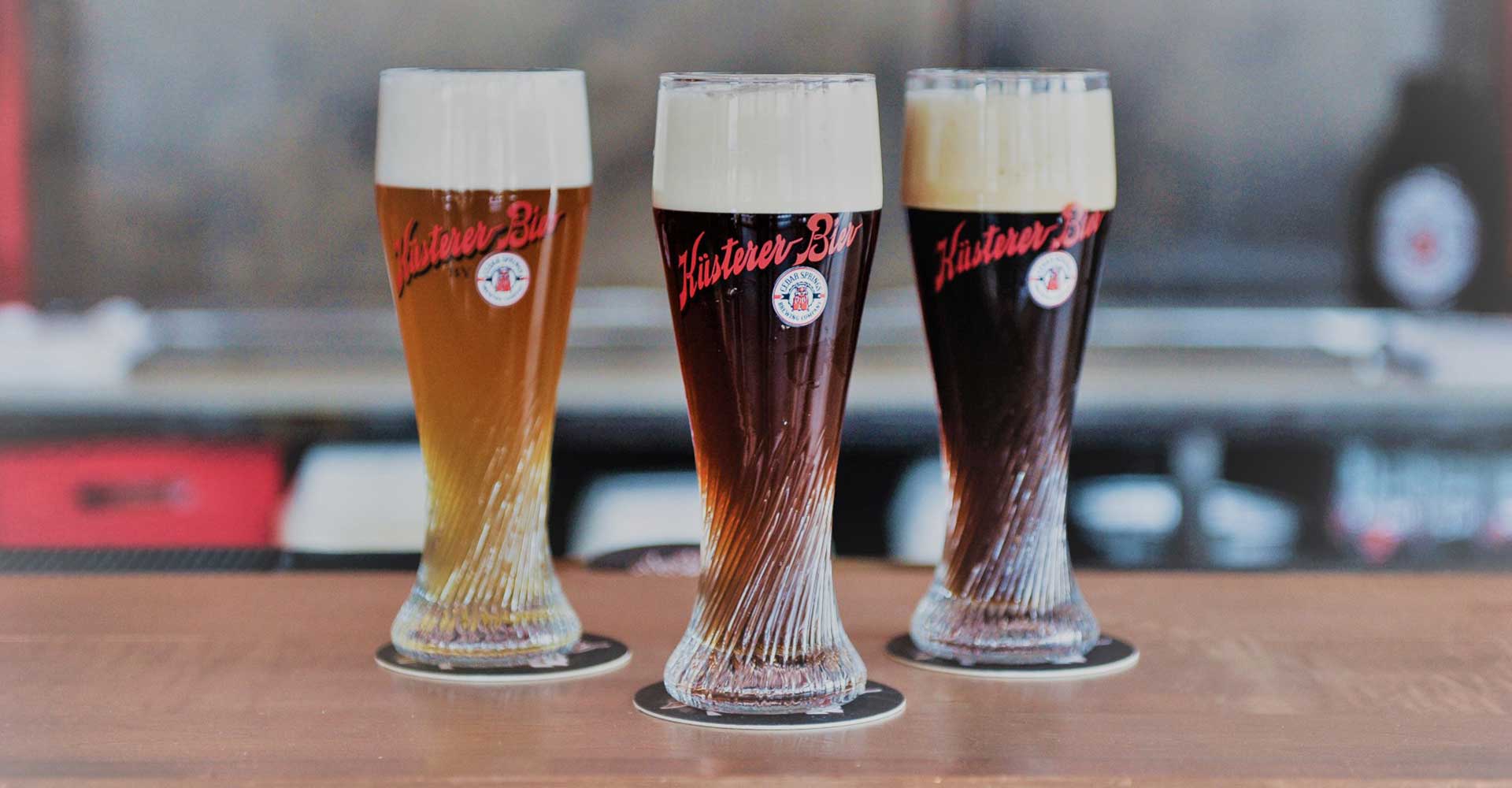
The founder of Cedar Springs Brewing and president of the Michigan Brewer’s Guild asks a fundamental question: Why doesn’t weissbier get more love?
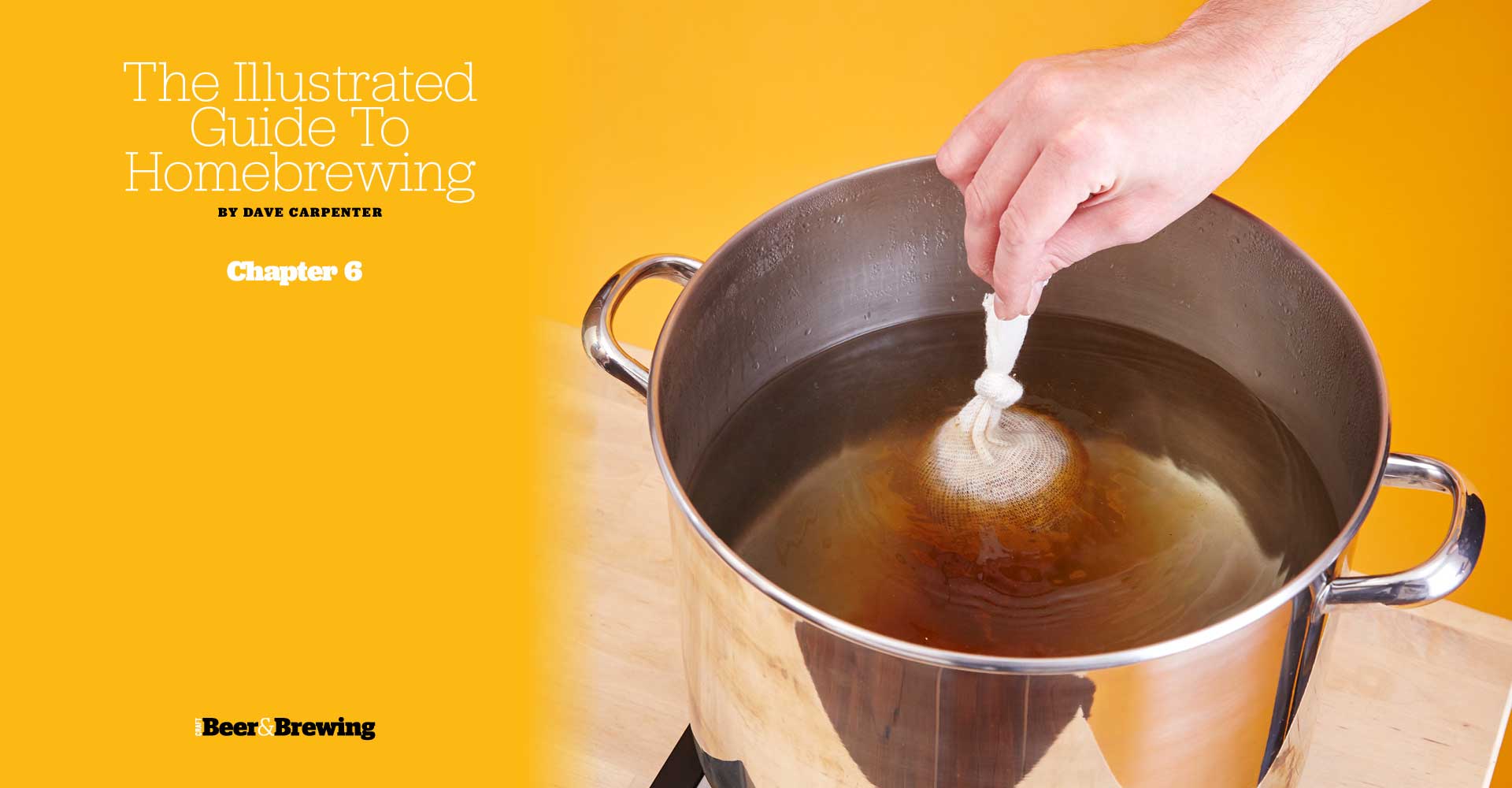
In this excerpt from our Illustrated Guide to Homebrewing, we discuss brewing with extracts and steeping with specialty grains—and why there is much to be said for embracing them at home.
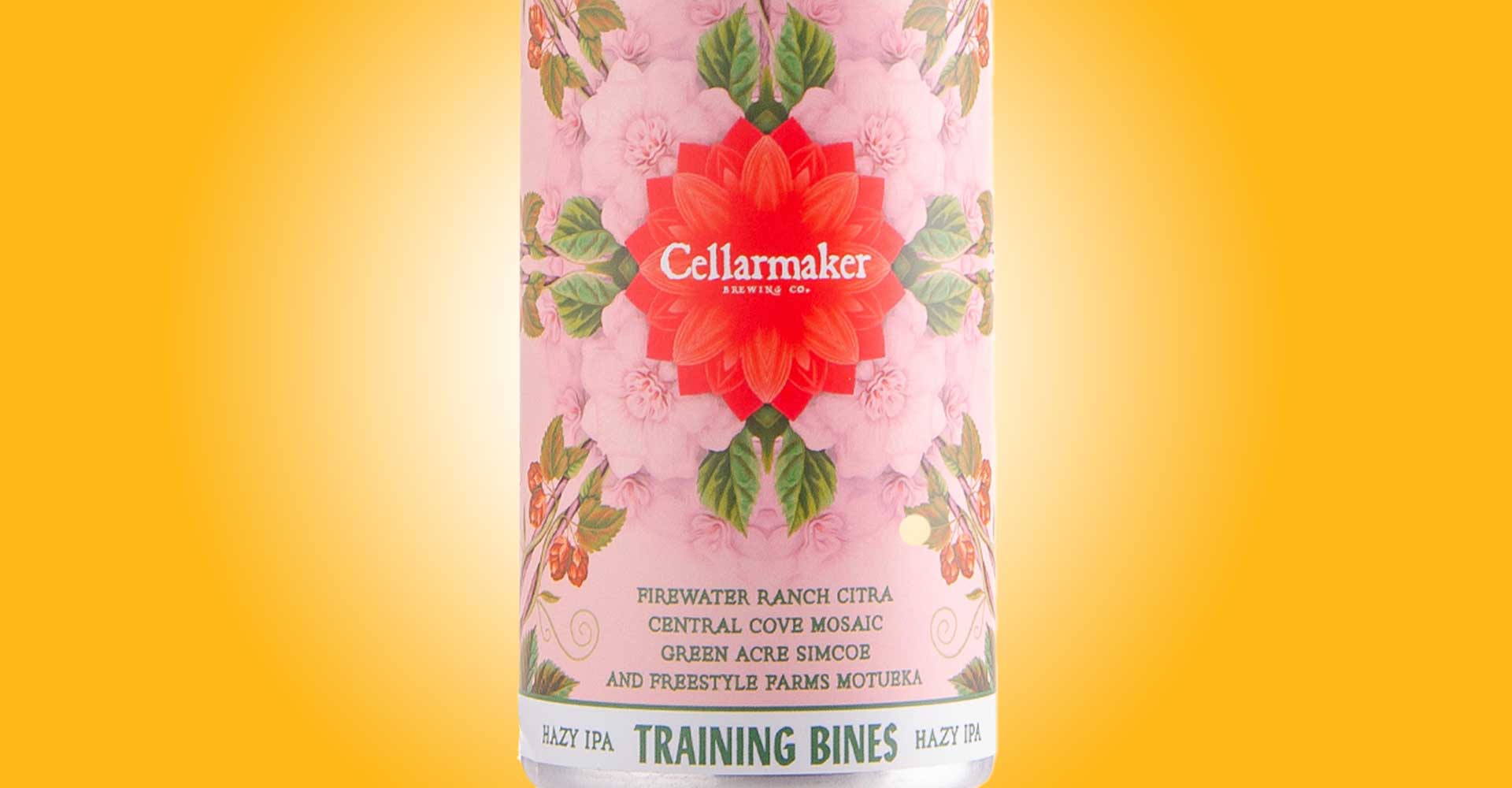
The Cellarmaker Training Bines IPA that we named one of our Best 20 Beers in 2022 was one of five that came from five different breweries in an unusual collaboration project. Now, you can brew it on your own system.