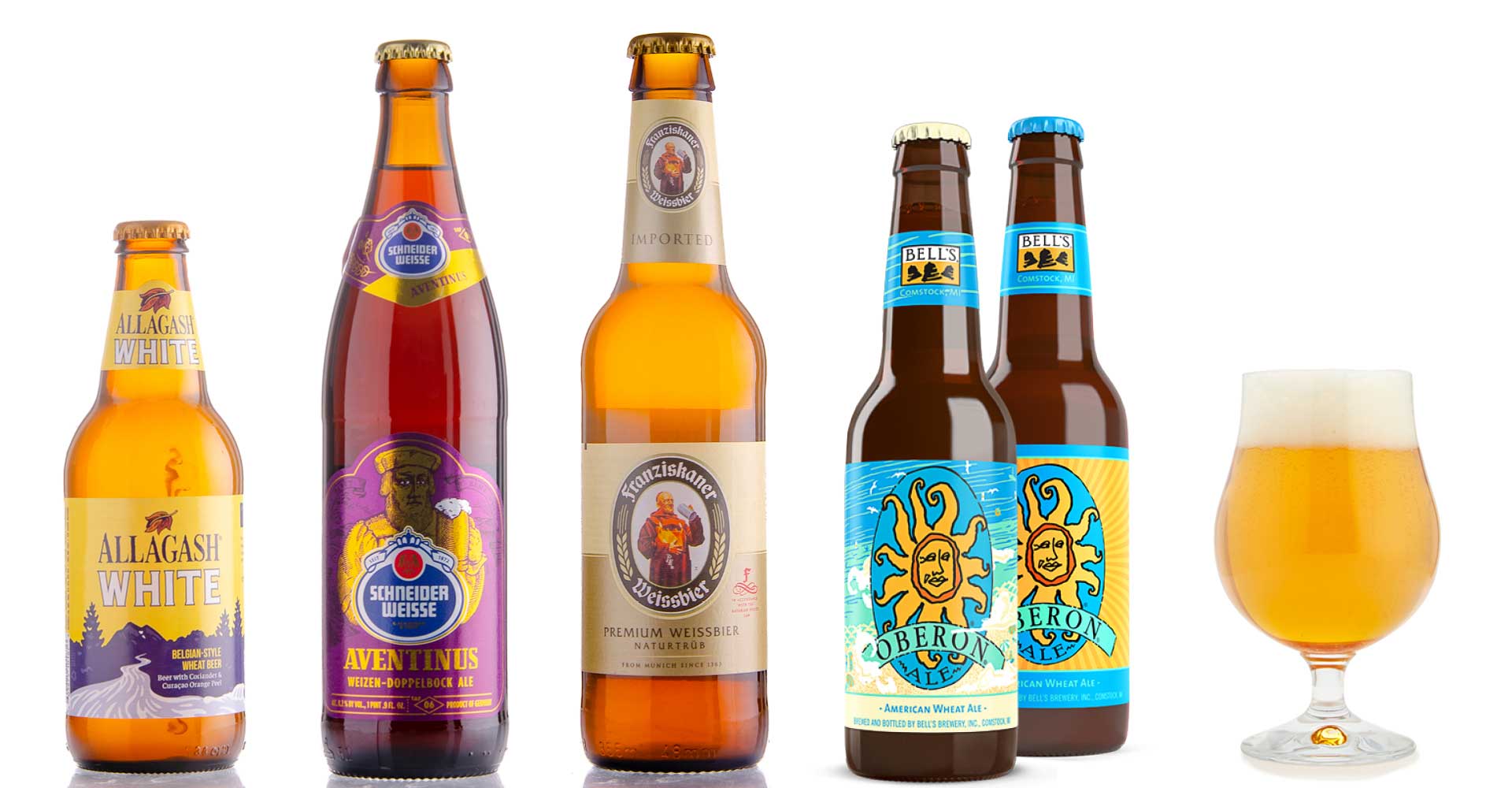
Five on Five: Wheat Ales
Wheat beers, in the hands of skilled brewers, bring out the best of expressive yeasts. Here, five pros share their favorites, across styles.

Showing 1481-1500 of 4727 articles
Wheat beers, in the hands of skilled brewers, bring out the best of expressive yeasts. Here, five pros share their favorites, across styles.
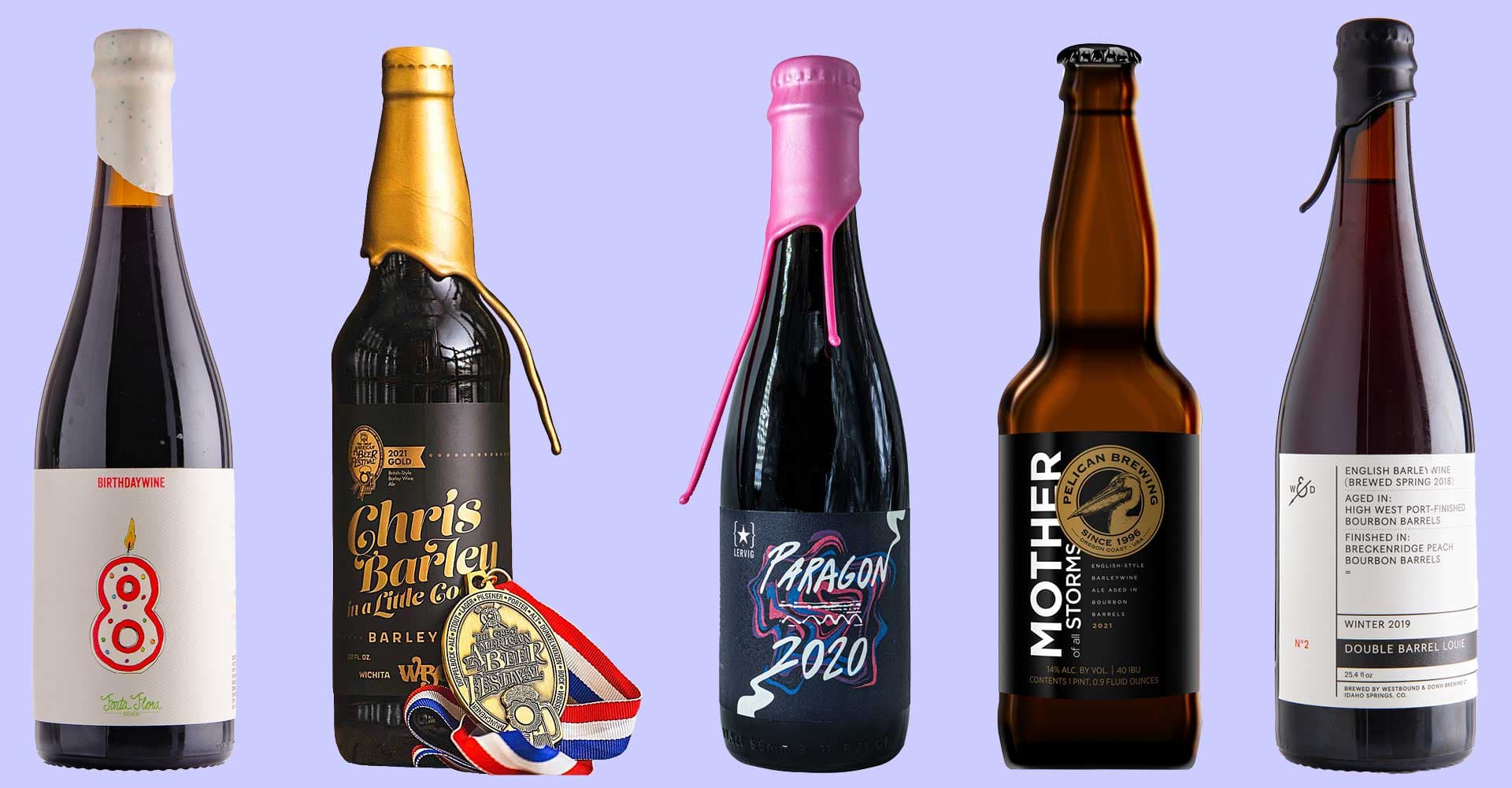
Instead of the usual Editors’ Picks, we recruited a guest critic whose perspective on this style—barleywine—is sharper than anyone’s we know: Alex Kidd, the mind behind the Don’t Drink Beer.
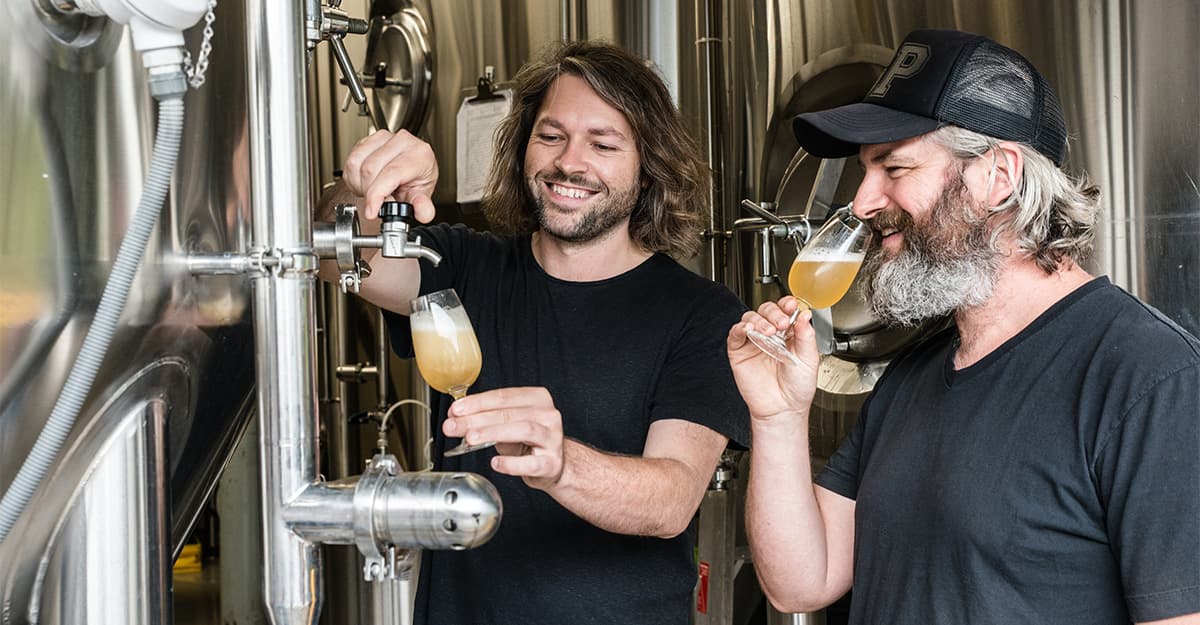
New Zealand’s Garage Project may not be a household name in North America, but between their work with local hop growers, Phantasm powder, and crowd-pleasing fest pours, they’ve built a reputation among peers for creativity and honest experimentation.
Tracking what’s happening inside your fermentors in real time is the best way to know when you have an issue with your yeast, what’s causing it, and how to fix it—ideally, without losing beer. These data curves help demonstrate how.

It was once indispensable to their refined character, but Brettanomyces is rarely involved with oak-aged barleywines these days—and that’s not all they’ve lost since the 1800s.
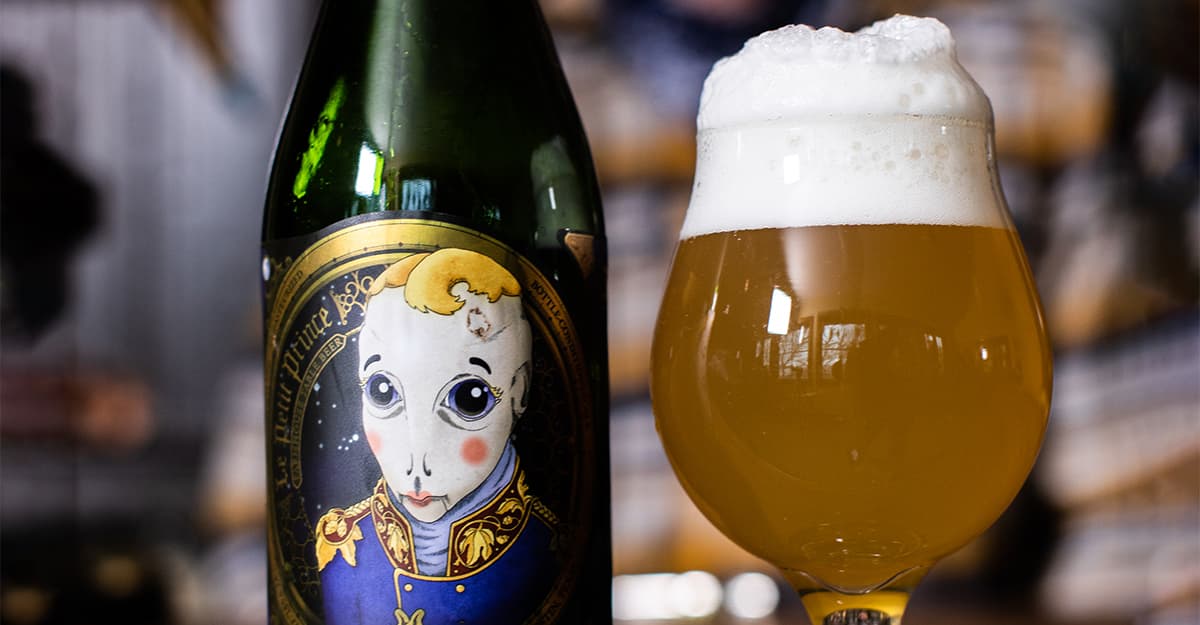
Courtesy of Jeff Stuffings, founder of Austin’s Jester King Brewery, this homebrew-scale recipe for their highly regarded rustic table beer uses funky bottle dregs combined with a blend of saison yeasts to approximate their unique house culture.
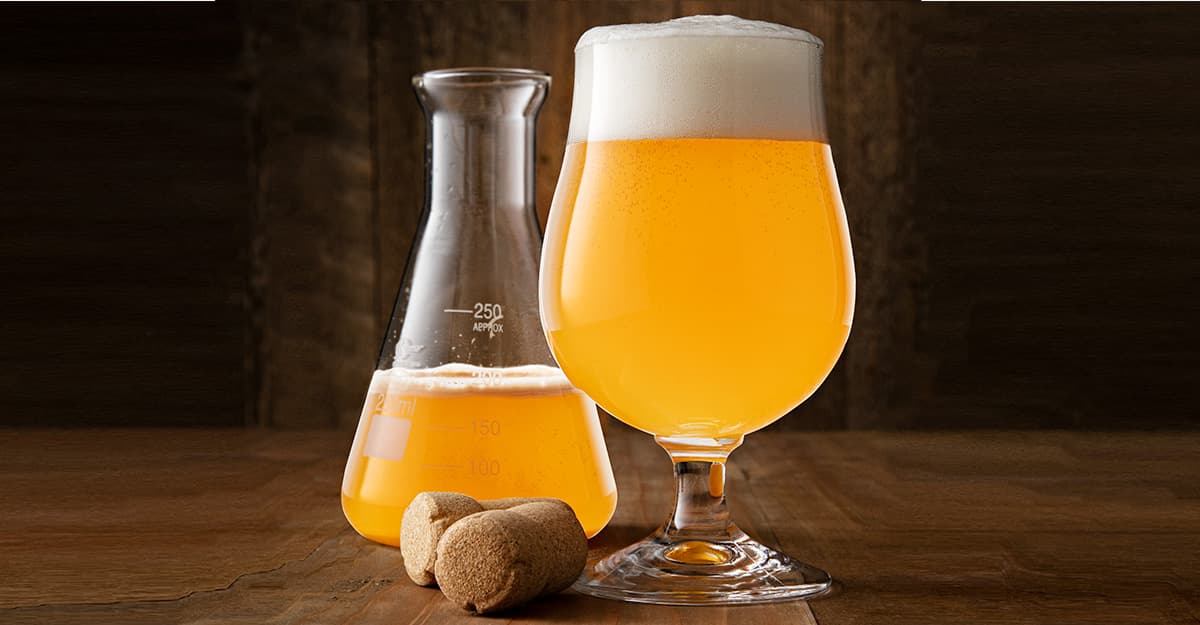
Opening your fermentations to a wider array of yeasts and bacteria can add great complexity to your beers. It can also add complexity to your brewing process—but the challenge is both surmountable and rewarding.
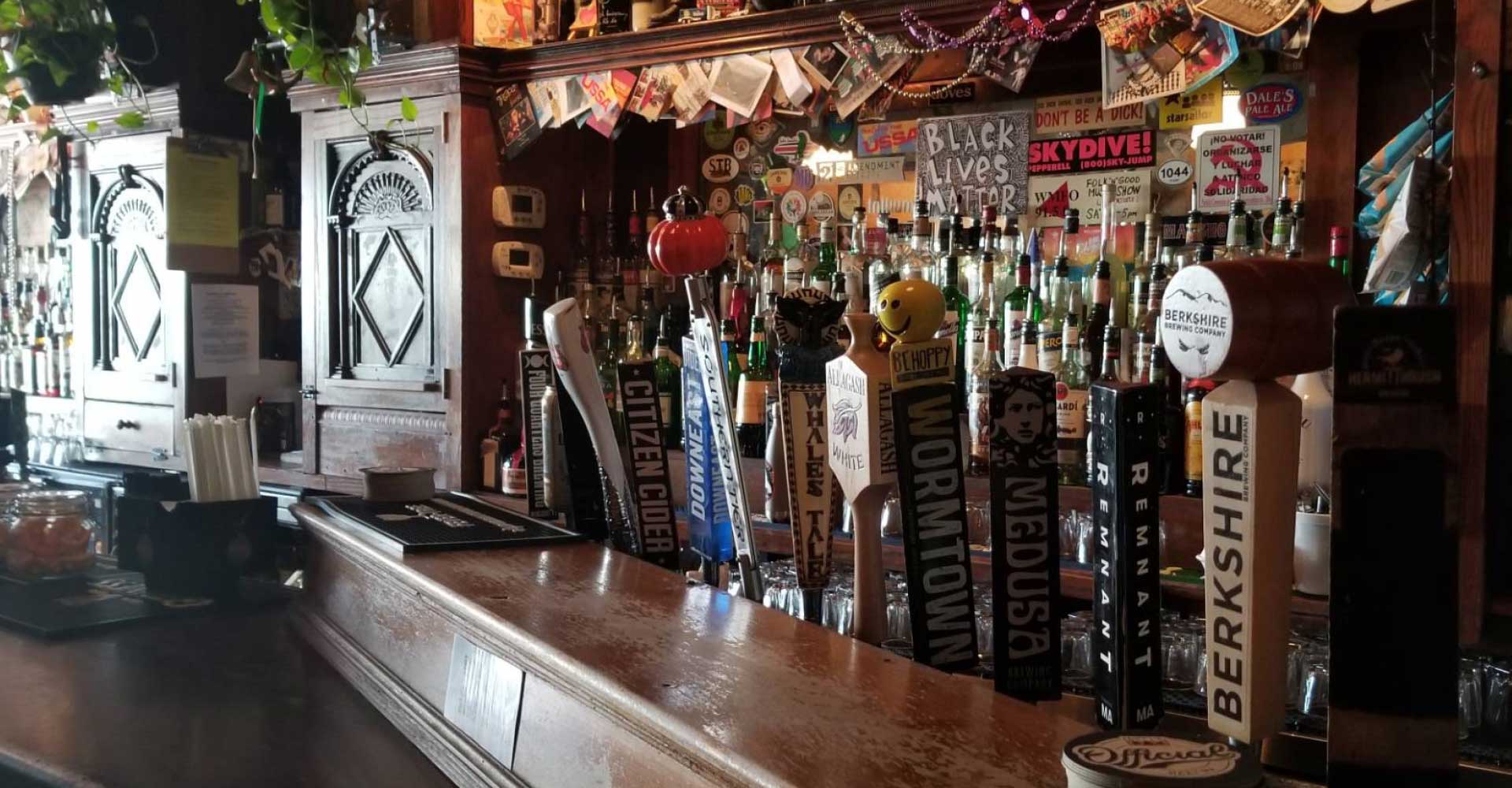
From our Love Handles files on beer bars we love: This homey Irish pub in Boston’s Jamaica Plain neighborhood specializes in conviviality, local beers, and the occasional homemade burrito.

Regula Ysewijn’s recently revised book, “Belgian Café Culture,” is a striking look at a country’s traditional third spaces as well as a compelling plea to support and preserve them while we can.

Scholars have long argued that alcohol is a way of “cheating” the brain’s pleasure circuits. But in his book, “Drunk,” Edward Slingerland synthesizes research that shows our success as a species is linked to our 14,000-year relationship with beer.
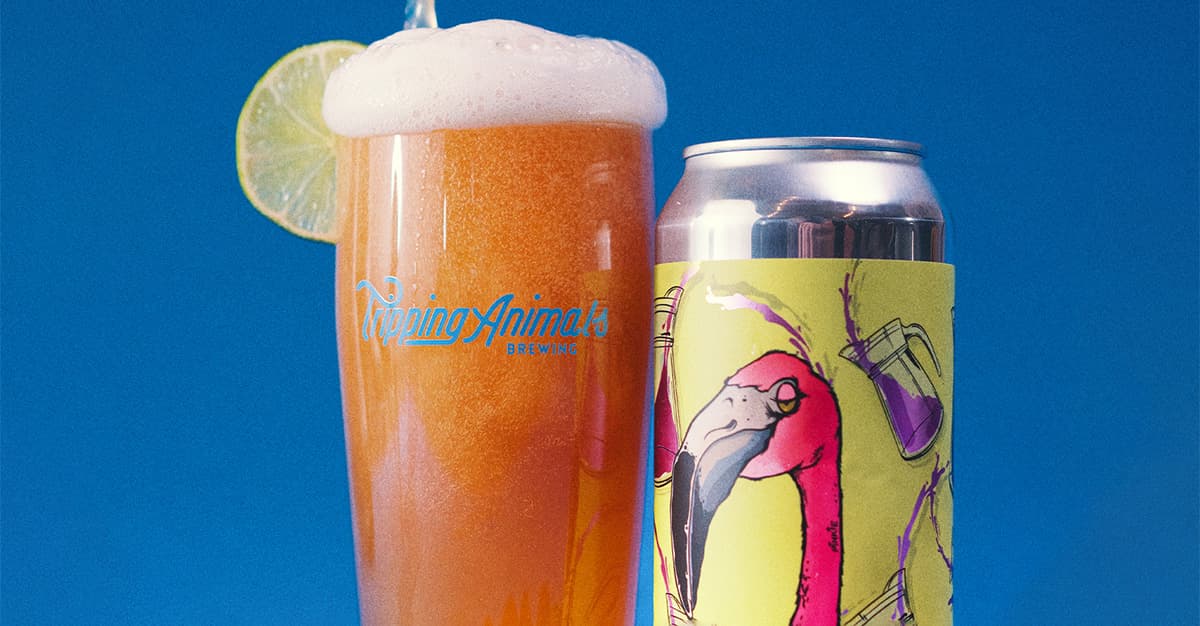
Courtesy of the team at Tripping Animals in Doral, Florida, here’s a recipe for a beer in their Limonada series, inspired by Latin-style lemonades—pink lemonade, in this case. Tart, crisp, and refreshing, Rosada is aged on lemons, raspberries, and strawberries.
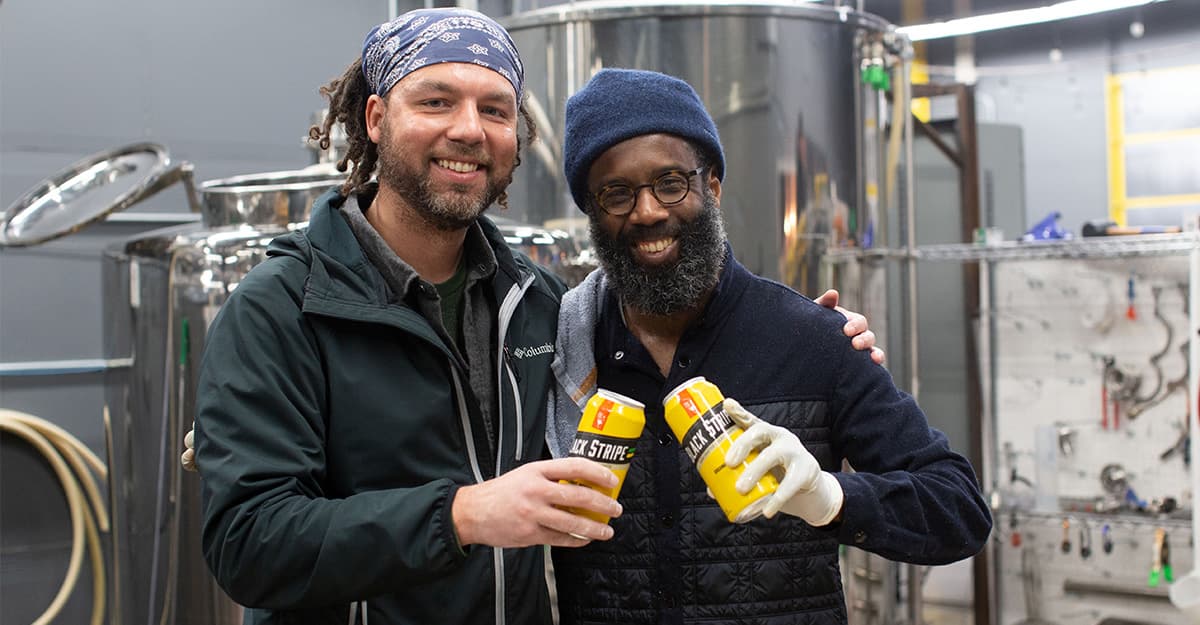
The team at Métier Brewing in Seattle describes Black Stripe as “a smooth, medium-bodied porter with dark chocolate flavors and hints of coconut.”
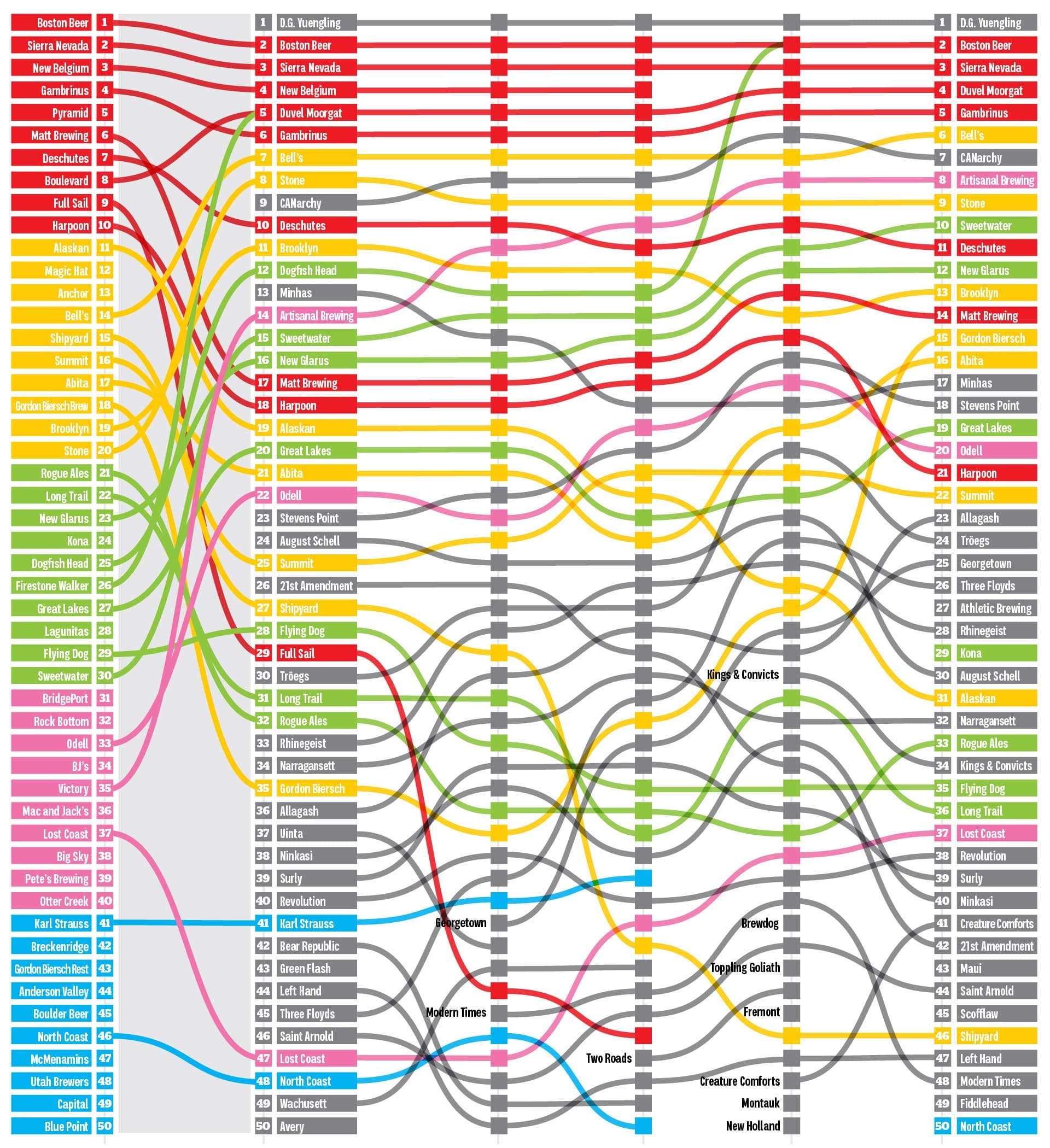
In this yearly update, we plot the moves in the Brewers Association top 50 craft brewers by production volume, from 2007 to the present.
Live Oak founder Chip McElroy and head brewer Dusan Kwiatkowski explain why shallower horizontal tanks have a treasured place in their fermentation cellar.
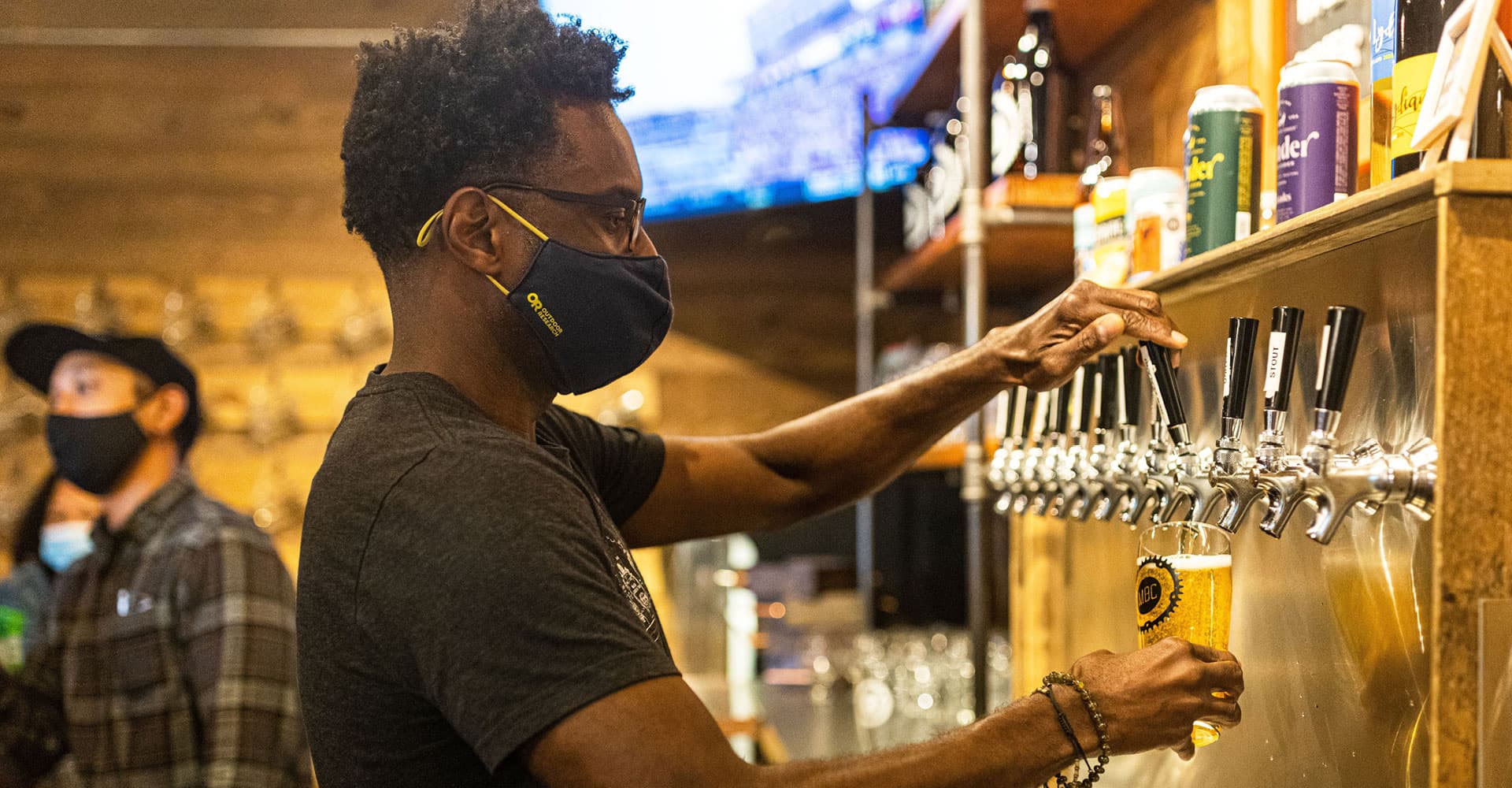
In the Seattle suburb of Woodinville, the people behind Métier Brewing believe that great beer is a bridge to more equitable, connected communities. This year, they’re taking that mission to the masses.
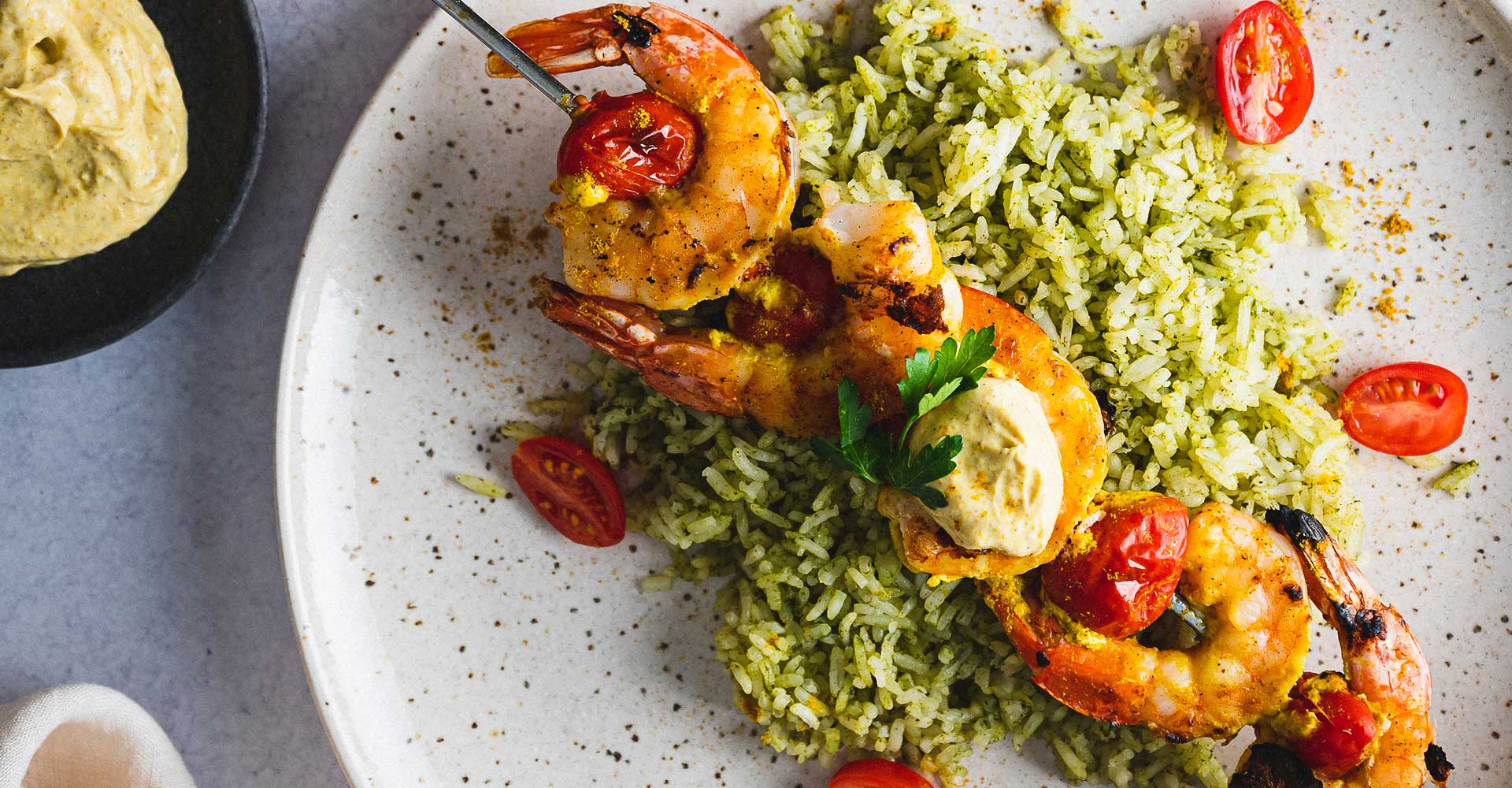
These marinated-and-grilled shrimp skewers are inspired by South Asian flavors and a splash of hefeweizen—just the thing for the season’s first cookout. (That’s a lie. We never stopped cooking out.)

Brewers are dumping their blow-off buckets and reusing precious carbon dioxide rather than releasing it into the atmosphere. The benefits include cost savings, reducing greenhouse emissions—and, some say, better beer.
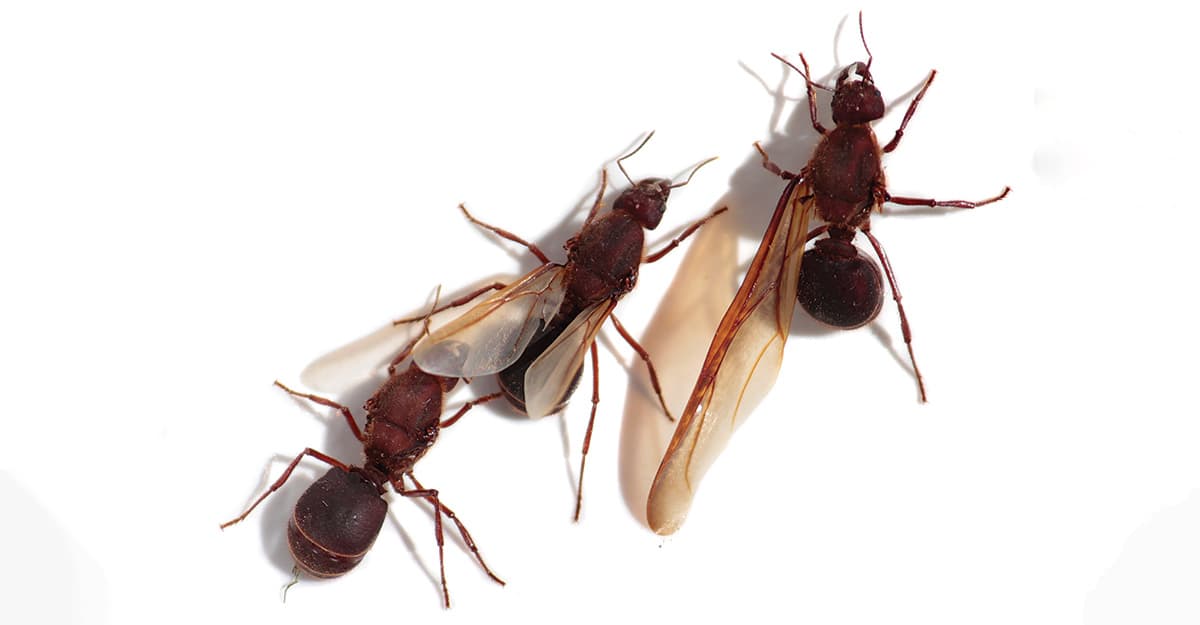
With thanks to Forager’s cofounder and head brewer Austin Jevne, this homebrew-scale recipe combines the Forager approach to barrel-aged stout with the earthy, nutty, toasty flavor contribution of Mexican flying ants.

Through his career, Cohesion’s Eric Larkin has always gravitated to breweries with narrower style focuses. Now, with the Czech-style lager focus of his new endeavor, he’s exploring the creativity possible within the bounds of style expectations.

Known as chicatanas, these crunchy leafcutter ants are a delicacy of regional Mexican cooking—and they have a flavor profile that may be oddly compatible with your darker, richer beers.