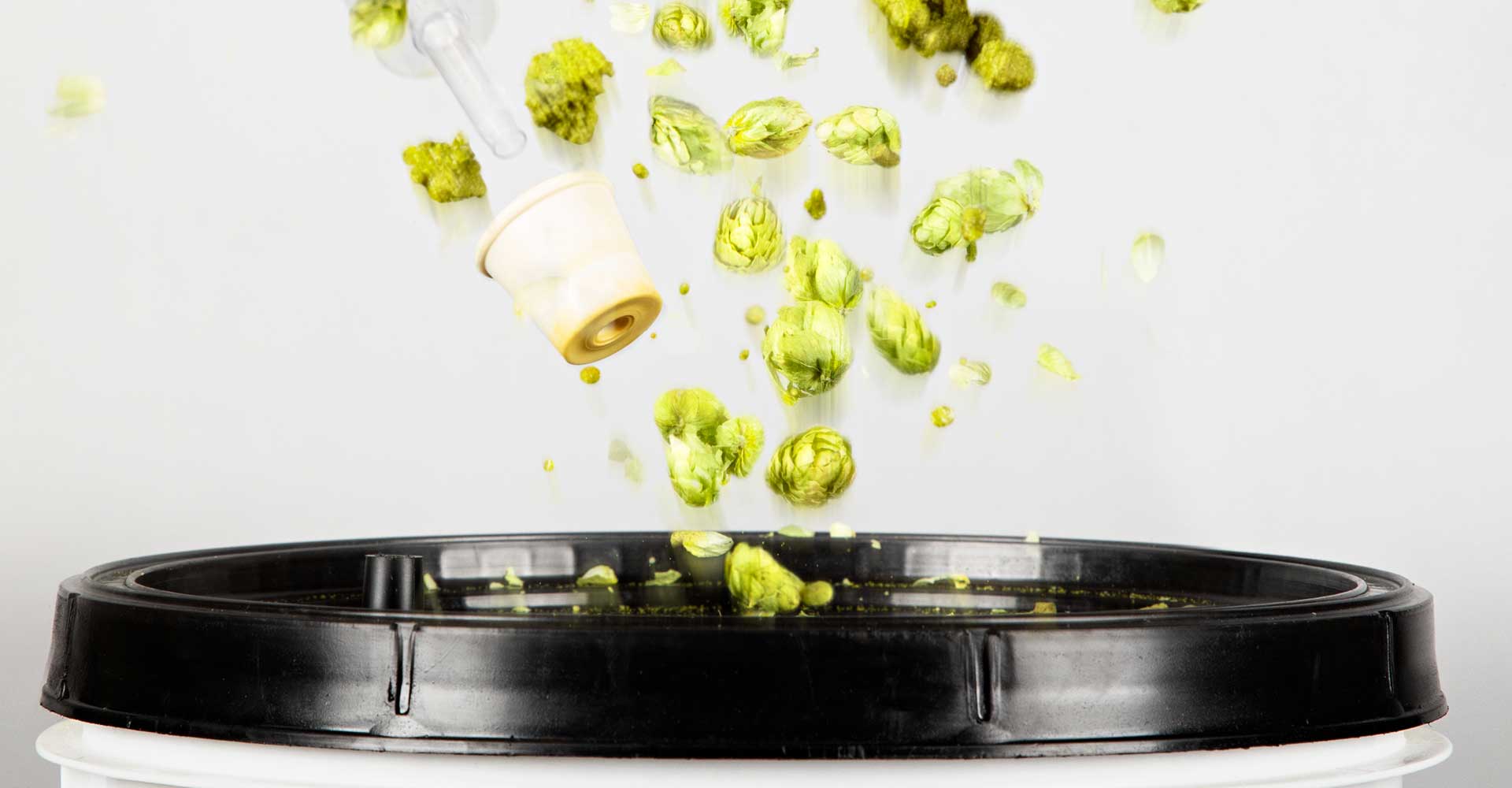
Brewing with Hops: Don’t Be Creeped Out
Stan Hieronymus explains the creeping phenomenon of dry-hopped beers that seem to have minds of their own—and ways to keep them under control.

Showing 2021-2040 of 4635 articles
Stan Hieronymus explains the creeping phenomenon of dry-hopped beers that seem to have minds of their own—and ways to keep them under control.
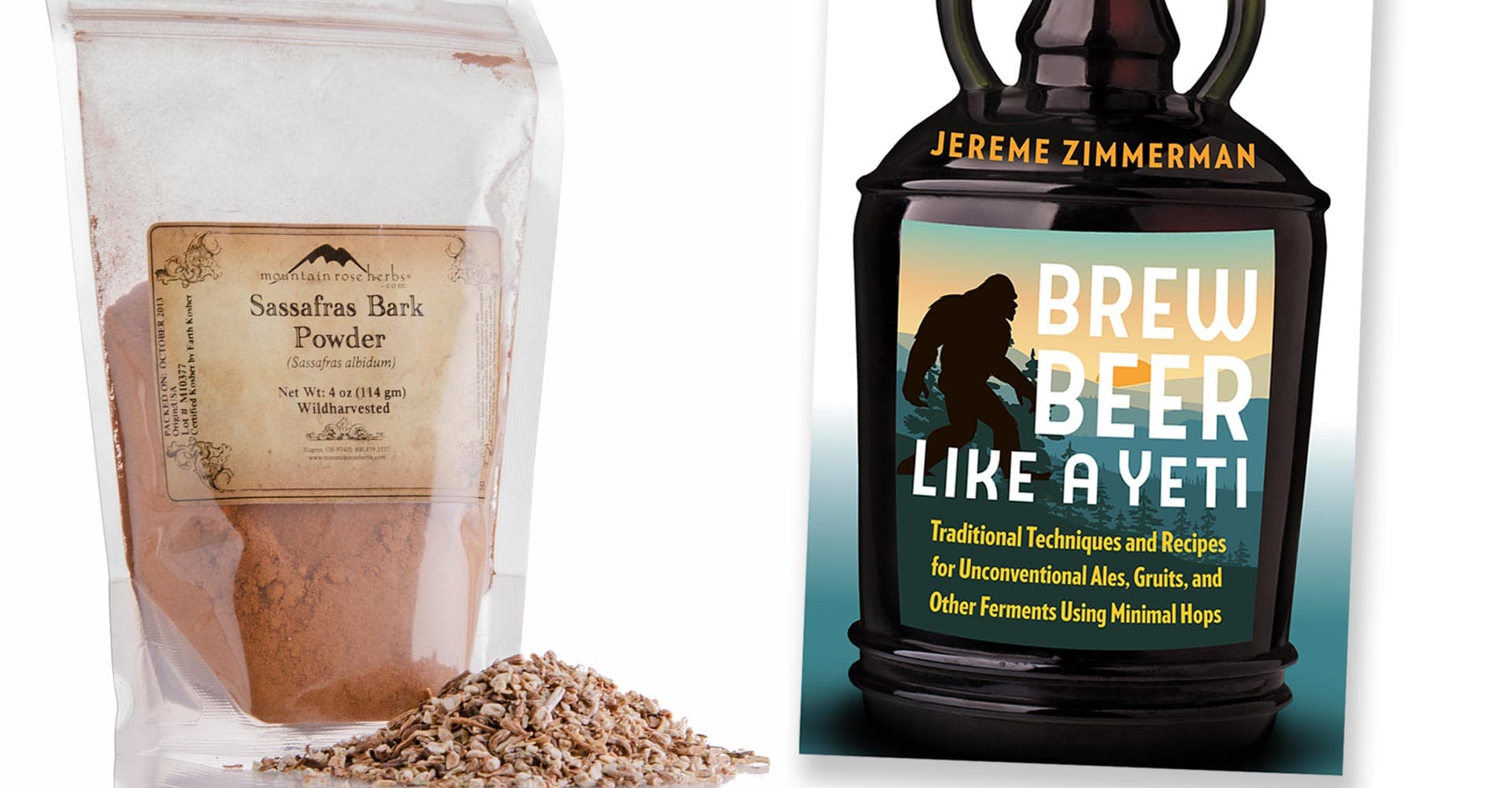
For this foraged recipe that includes sassafras root, spruce tips, and oak bark, any number of yeasts can work—but we think Norwegian kveik is a great fit.
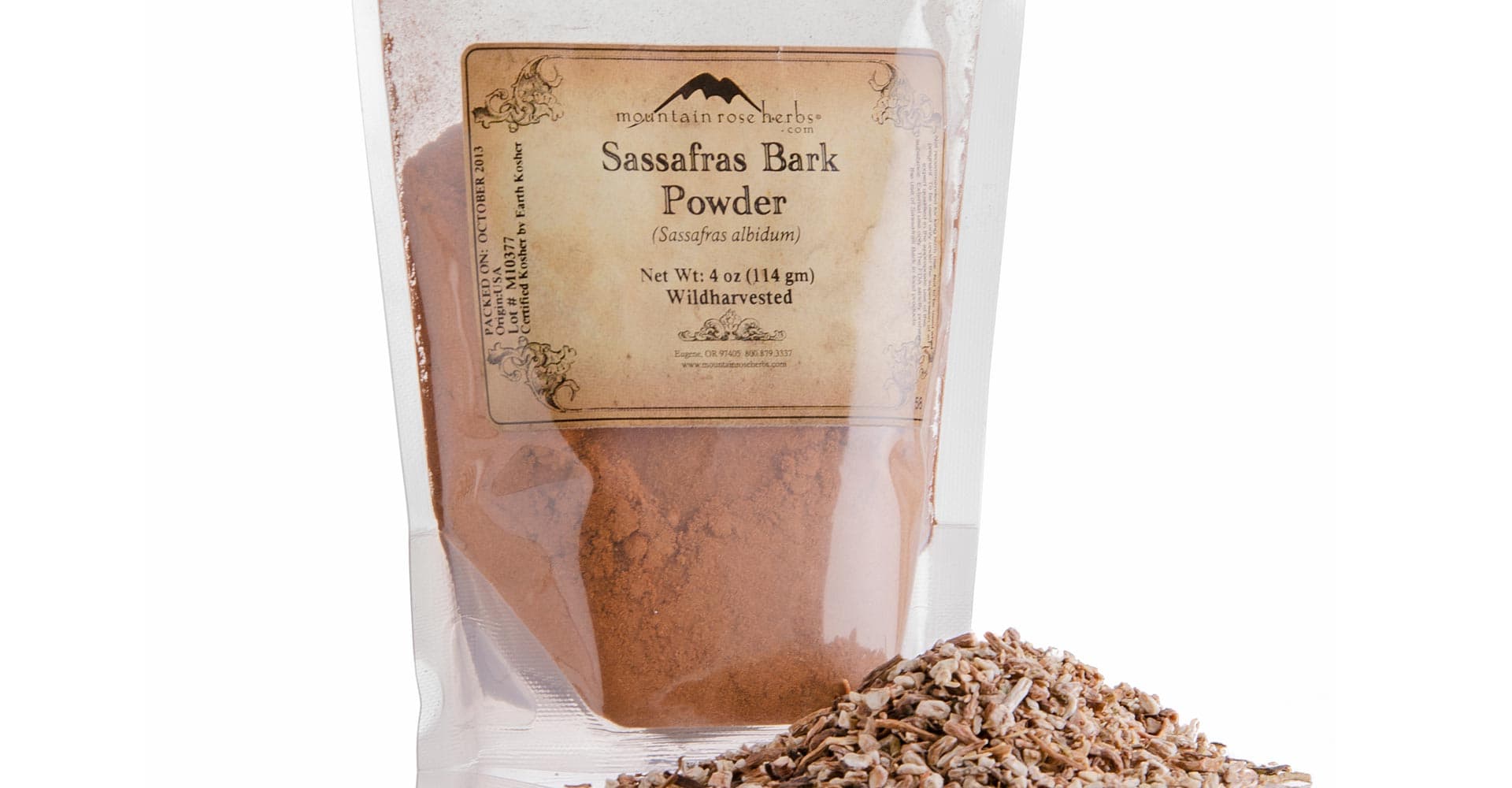
This distinctively spicy folk ingredient has a long tradition of going into American drinks, including beer—though it comes with a few disclaimers. Ready to forage?

From breaking down flavor profiles to proper pouring, glassware, and caring for draft lines, Greg Engert of the Neighborhood Restaurant Group lays out his approach to world-class beer service in this full-length video for All Access subscribers.
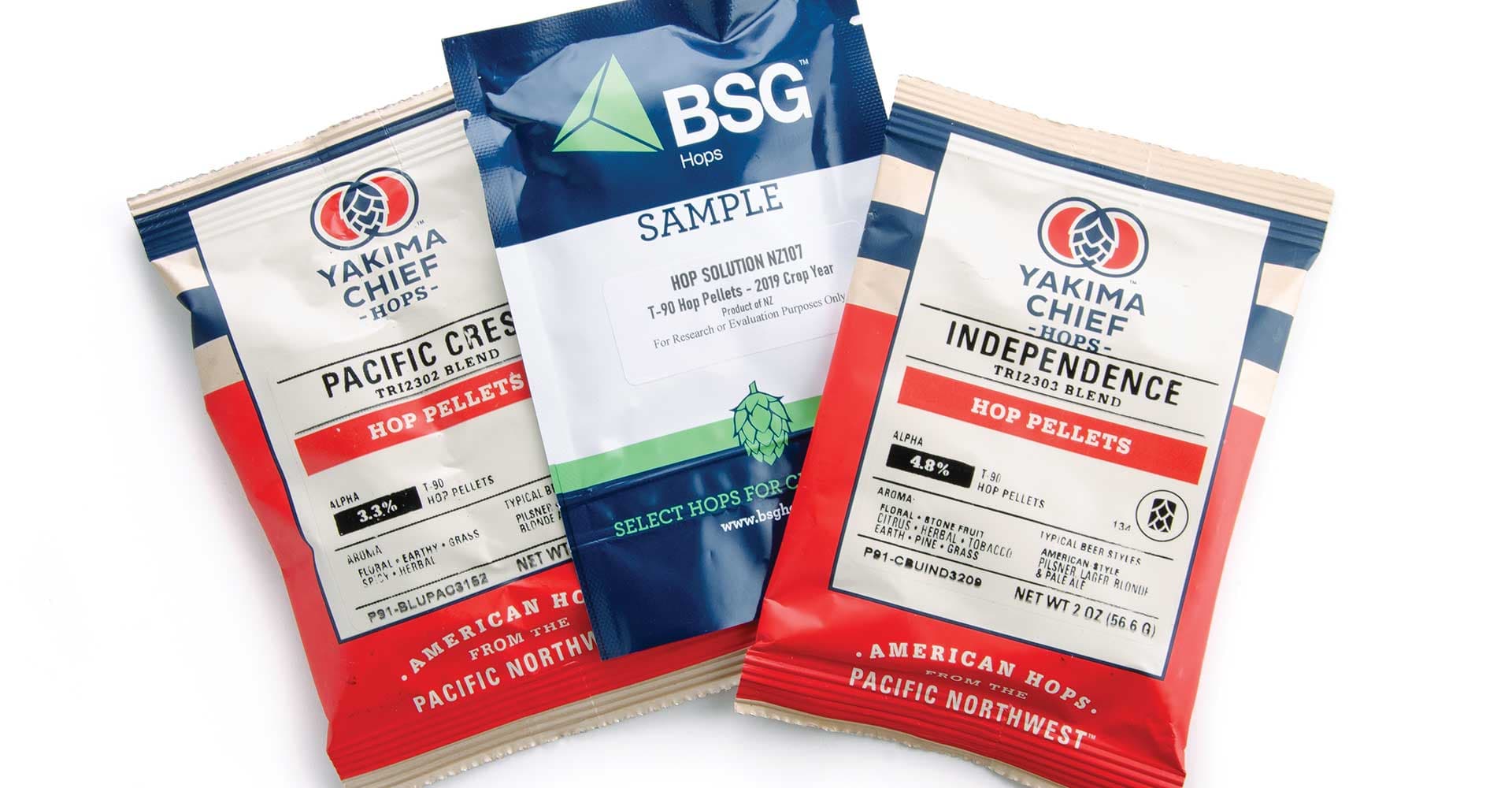
Our hop choices as brewers aren't limited to single varietals. Those who know hops best are mixing and matching them to make useful blends. Here are some options worth trying on brew day.
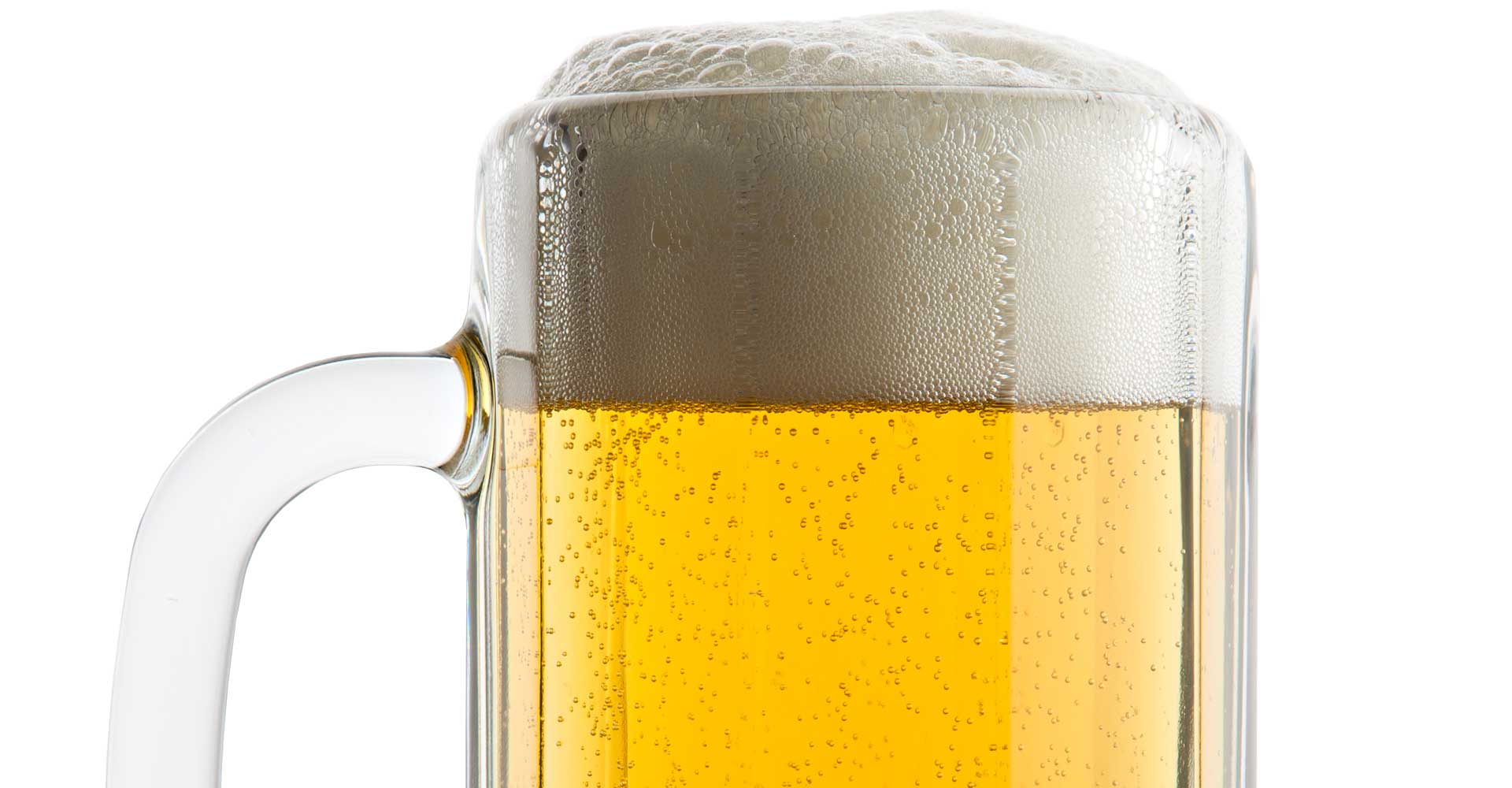
“A German pils should be pale and refreshing,” says Steve Holle, founder of KC Bier. “The delicate but assertive bitterness should combine with the crisp maltiness to produce a clean and slightly dry finish.”
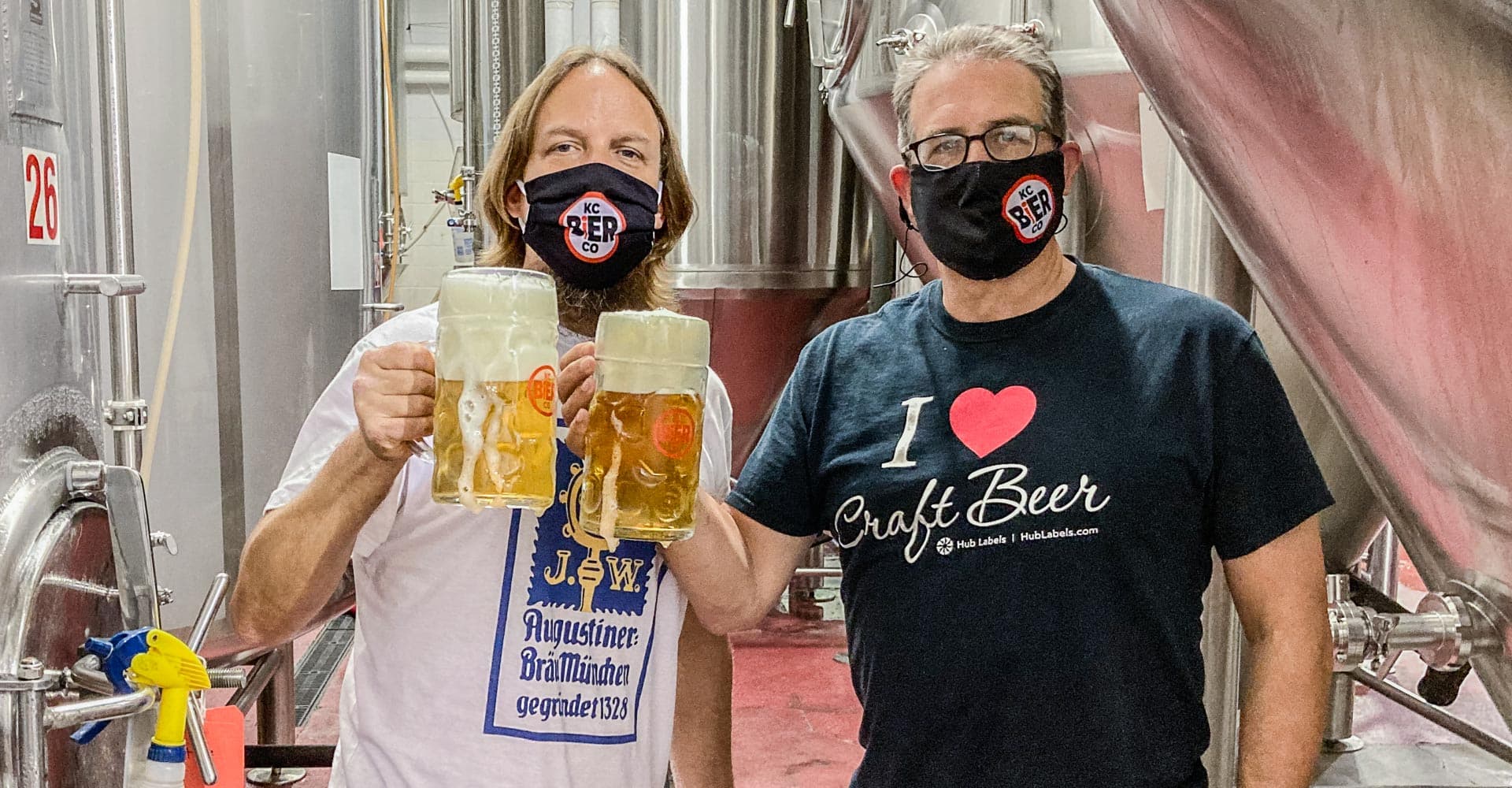
Steve Holle, founder and managing partner of the KC Bier Company in Kansas City, Missouri, describes their deliberate, details-oriented approach to brewing traditional German-style lagers.
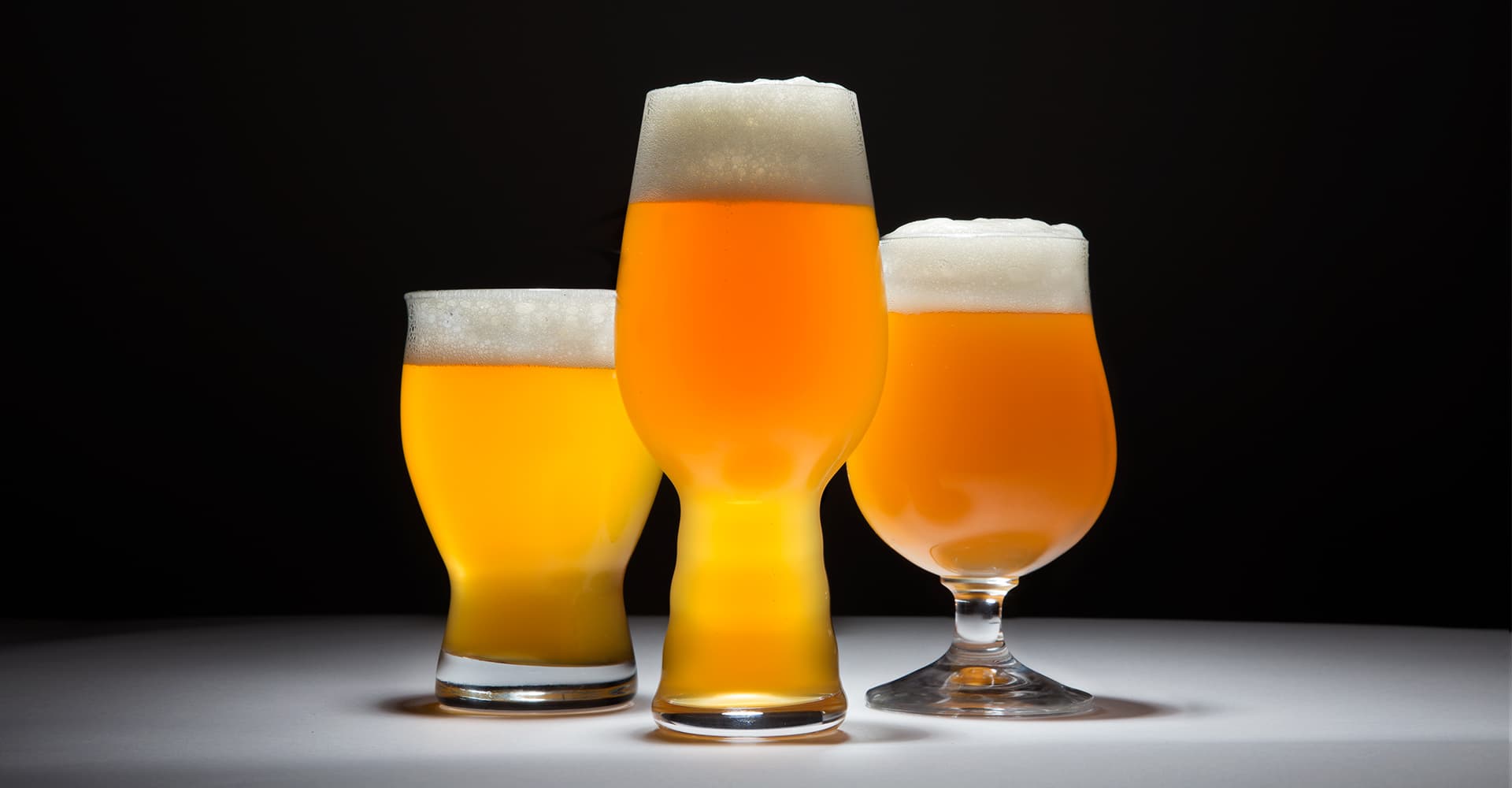
According to Connor Casey, cofounder of Cellarmaker, “This West Coast hazy IPA is brewed with the best hop varieties America has to offer... [It’s] supremely drinkable due to the slender body, semidry finish, and avoidance of sweet esters.”
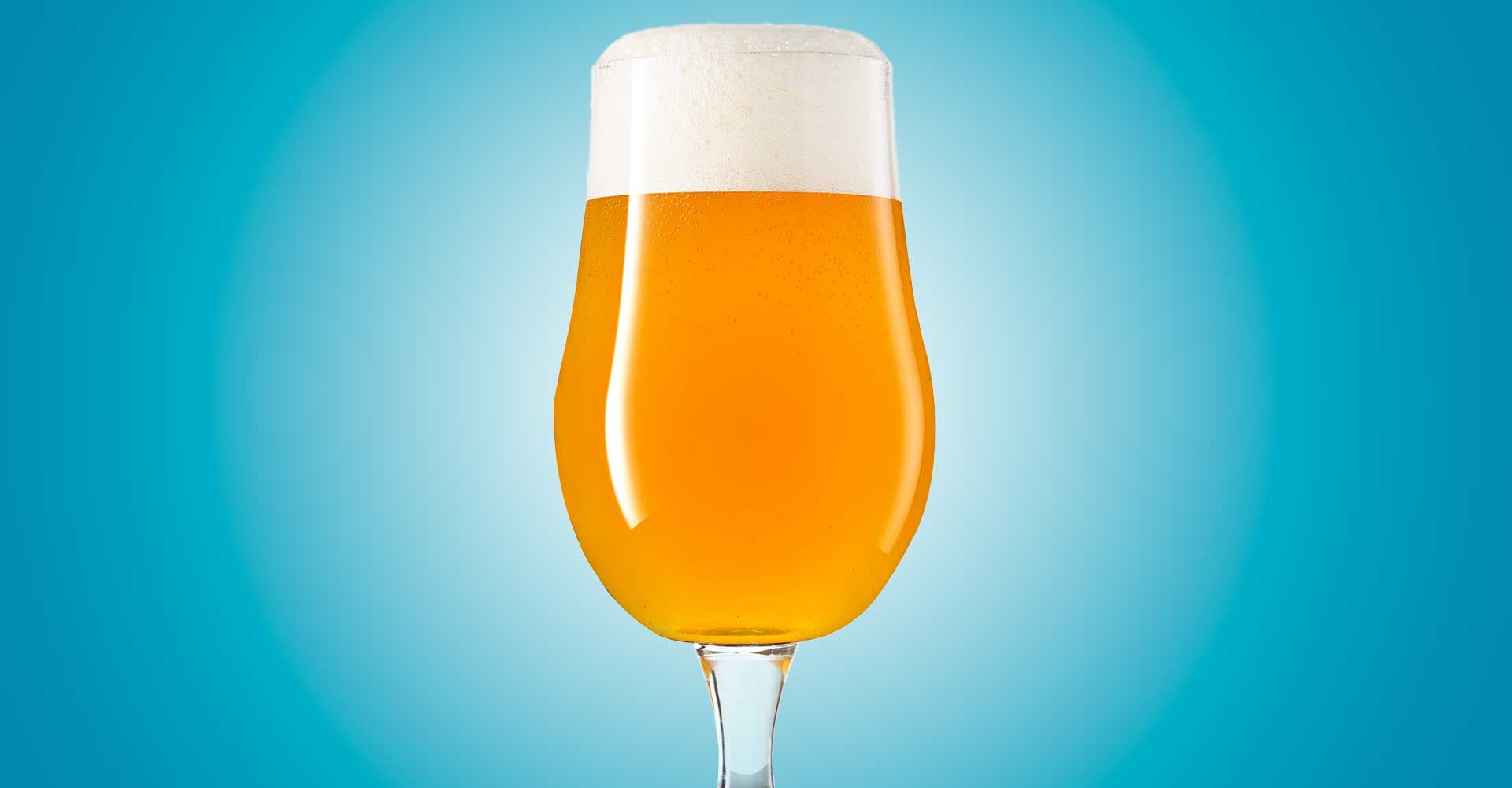
Does the world really need another kind of IPA? What if it's already here? Connor Casey, cofounder of Cellarmaker Brewing in San Francisco, sketches out what may be the next inevitable evolution of the style.

Levi Funk follows two seemingly contradictory brewing philosophies—the hardcore traditionalism of Funk Factory Guezeria, and the boundary-pushing experimentalism of Untitled Art.
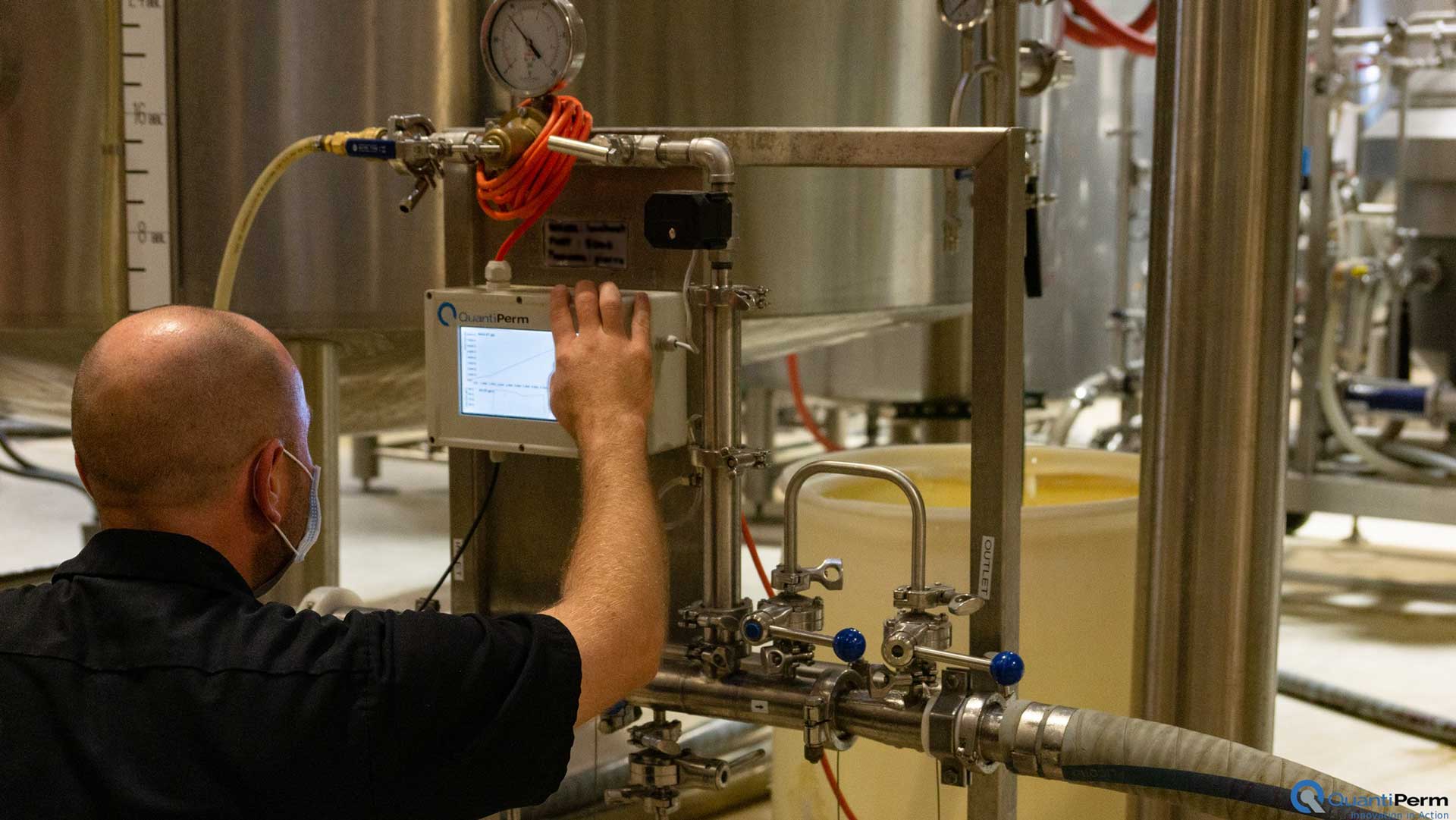
QuantiPerm's automated xFlow carbonation and deoxygenation systems offer versatility and reliability for higher quality beer.

Perennial's Phil Wymore discusses the fundamentals of formulating an imperial stout grist that has plenty of body and color while avoiding too much roast.
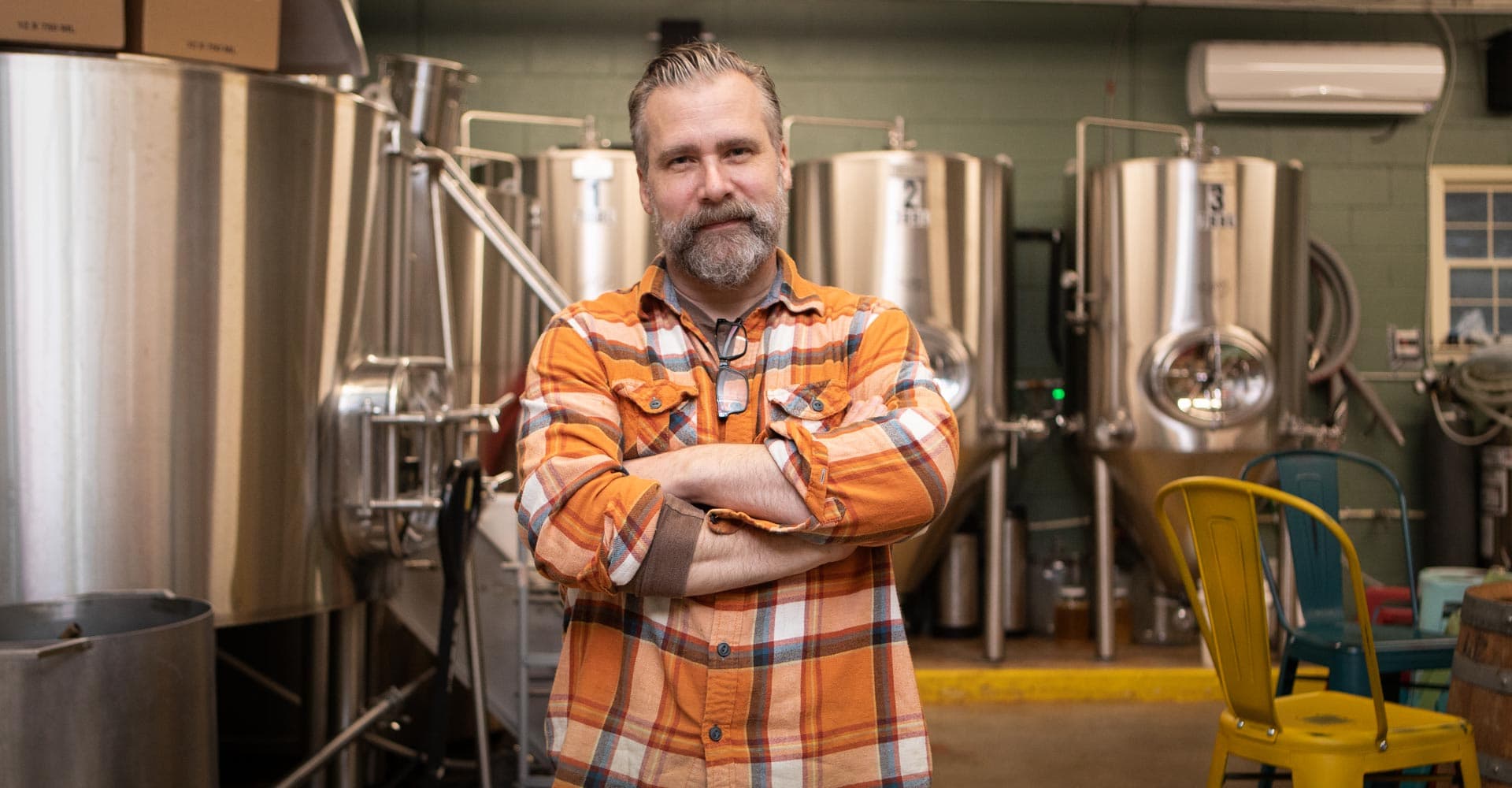
For Mike Karnowski of Zebulon Artisan Ales in Weaverville, North Carolina, innovation in the service of joyful beer starts with plumbing the depths of brewing history.
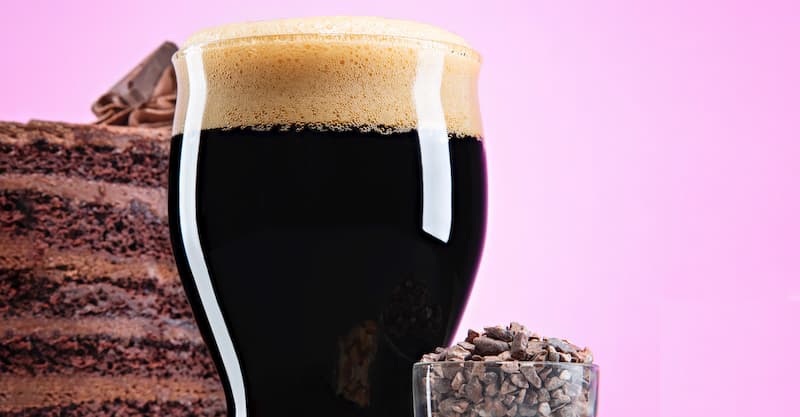
With some thought and planning, big dessert stouts are well within reach of extract brewers. Here's a recipe featuring vanilla, pecan, cacao, and plenty of toasted coconut.
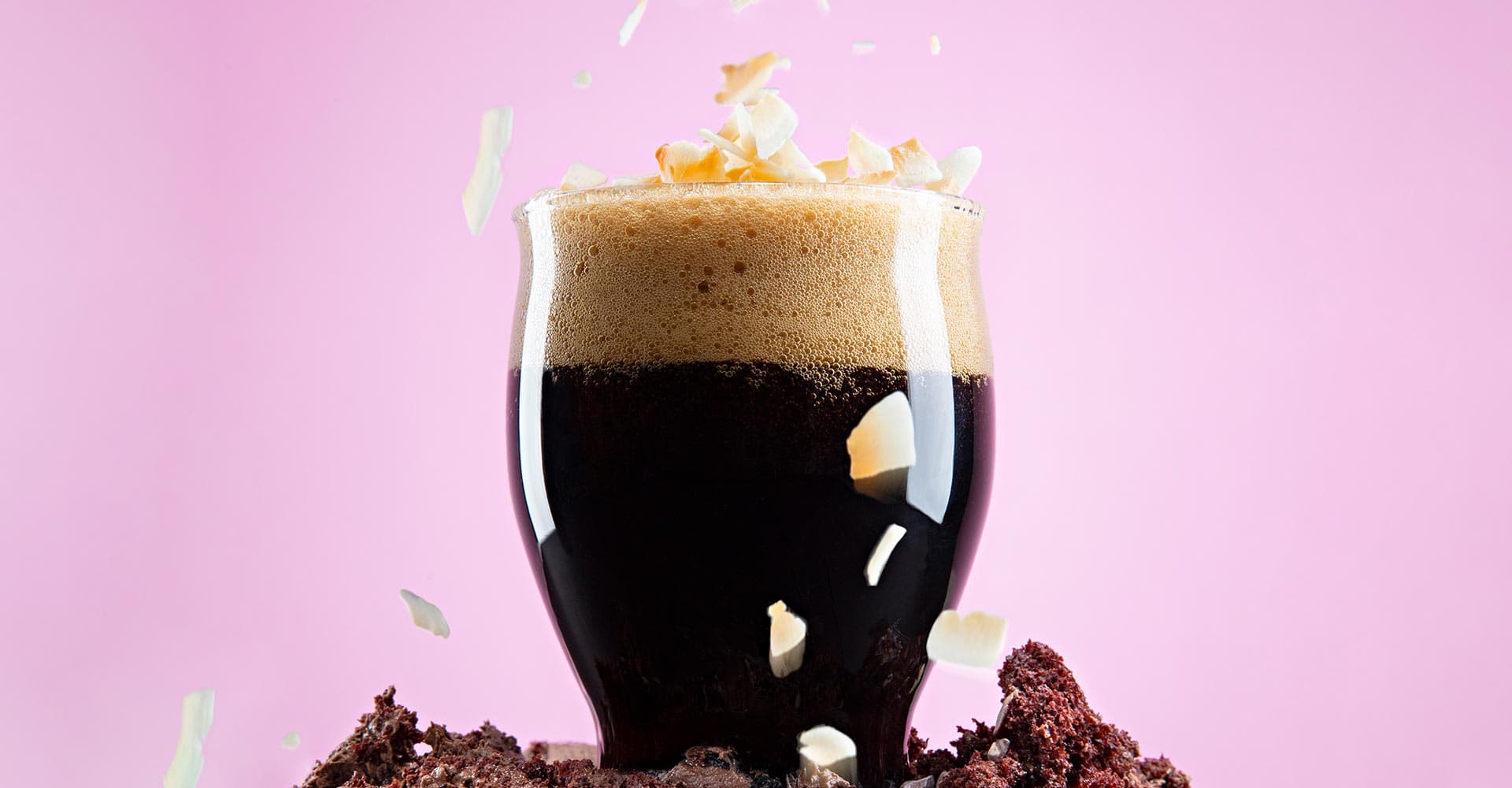
In this edition of No Rests for the Wicked—a series on extracting the most character from extract brewing—Jester Goldman turns his attention to the dark, decadent, and dessert-like.
Don’t bother with a yeast starter, oxygenation, or cold crashing here. We want the yeast “struggling” to produce a nice, noticeable ester/phenol profile, and the cloudiness is no vice in a weiss.
From West Coast-style IPA to barleywine, Jake Gardner shares his strategies for making flavorful beer, by solving the technical puzzles posed by how people drink it.
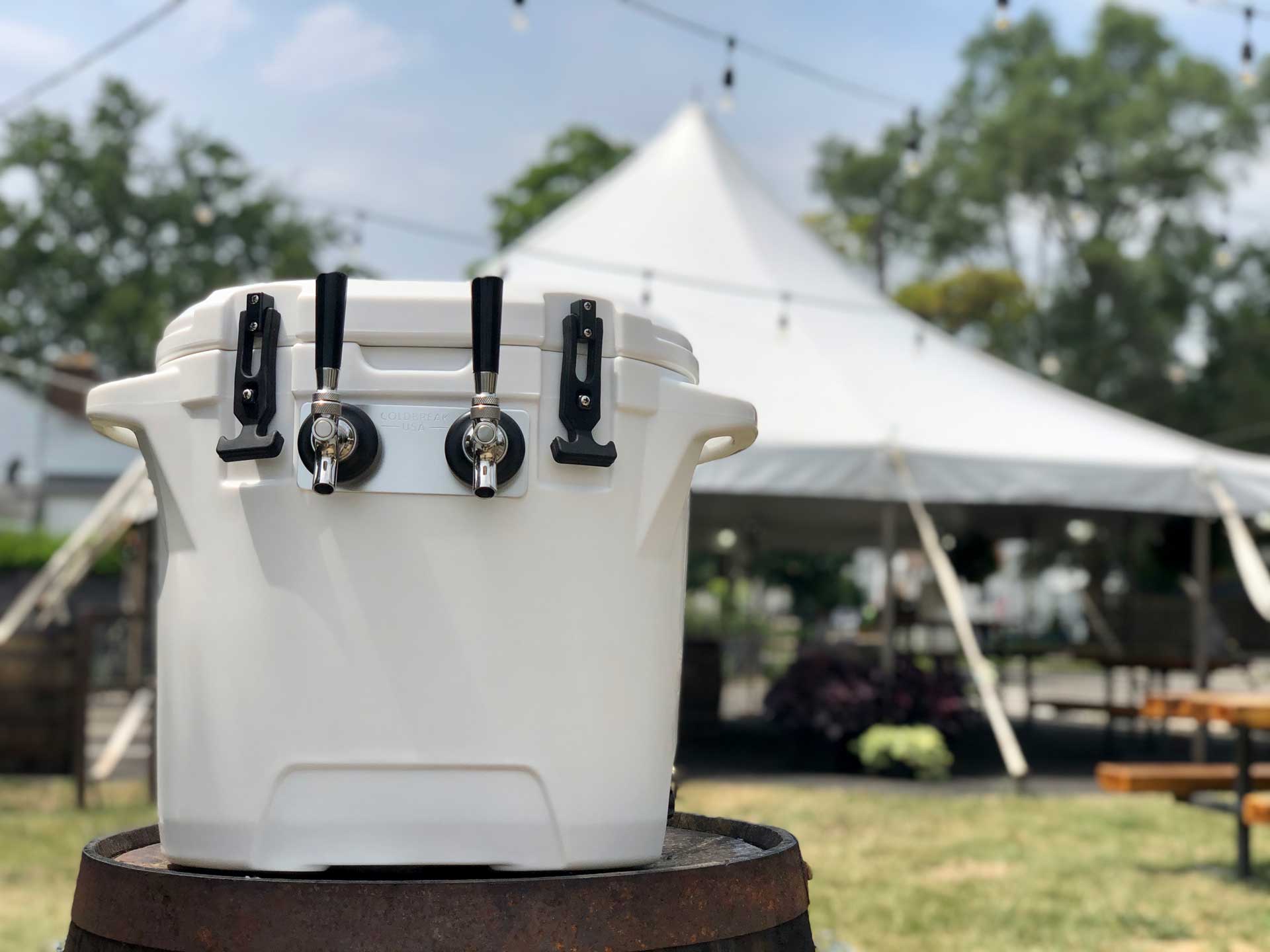
From proper setup and cleaning to adjusting expectations for various events and outdoor gatherings, this comprehensive guide by COLDBREAK® equips you with practical knowledge for reliable jockey box use.
For 3 Sons Brewing in South Florida, the idea is simple: Make the beer that people want to drink. But that manifests in different ways—from cocktail- and dessert-flavored beers to a barrel-aging program via traditional German styles.
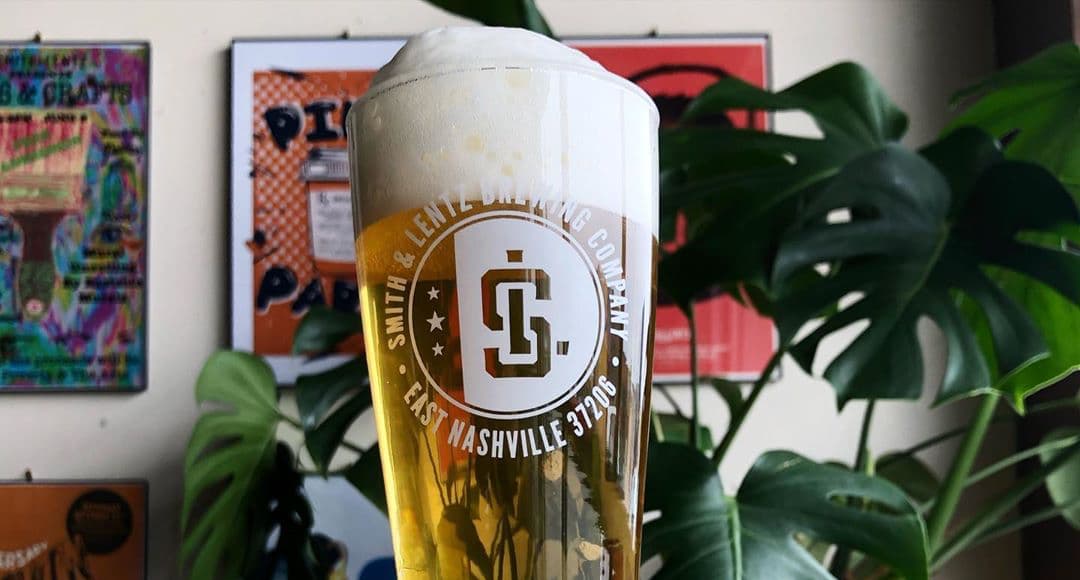
This is a homebrew-scale recipe for the German-style Pils from Smith & Lentz Brewing in Nashville, Tennessee. Below, we explain how the recipe can be adjusted for a range of variations.