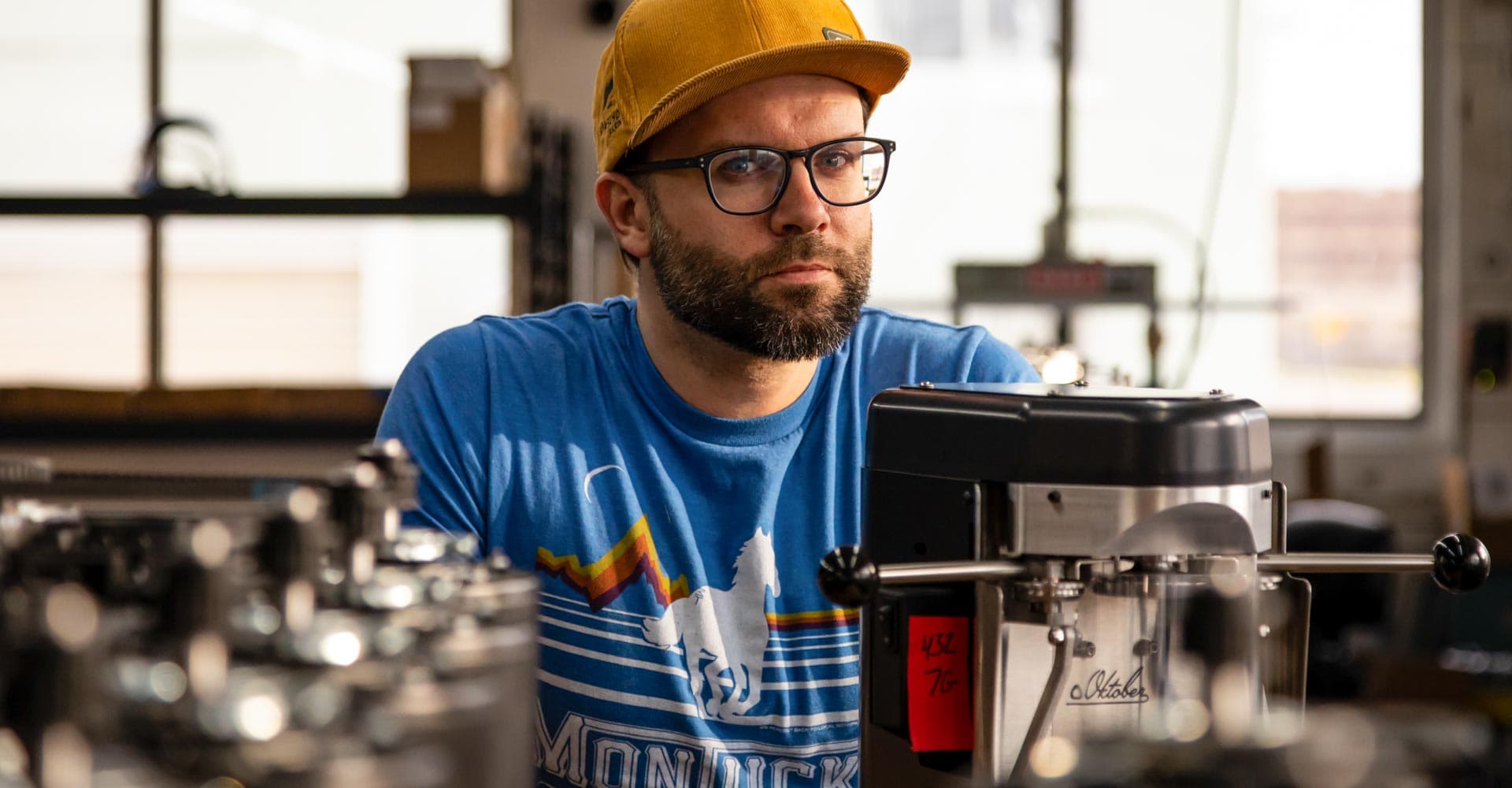
The New Normal: To-Go Packaging Makes the Difference in Keeping Small Breweries Open
Oktober ramps up production of low-cost, high-quality seamers for breweries that are pivoting to meet demand for packaged beer.

Showing 2181-2200 of 4633 articles
Oktober ramps up production of low-cost, high-quality seamers for breweries that are pivoting to meet demand for packaged beer.

Pick them in the spring (watch for ticks), steep them to make a big tea, then use that as your mash water... Here, Stuart Keating, cofounder of Earthbound Beer in St. Louis, Missouri, describes a method of brewing with oak leaves.
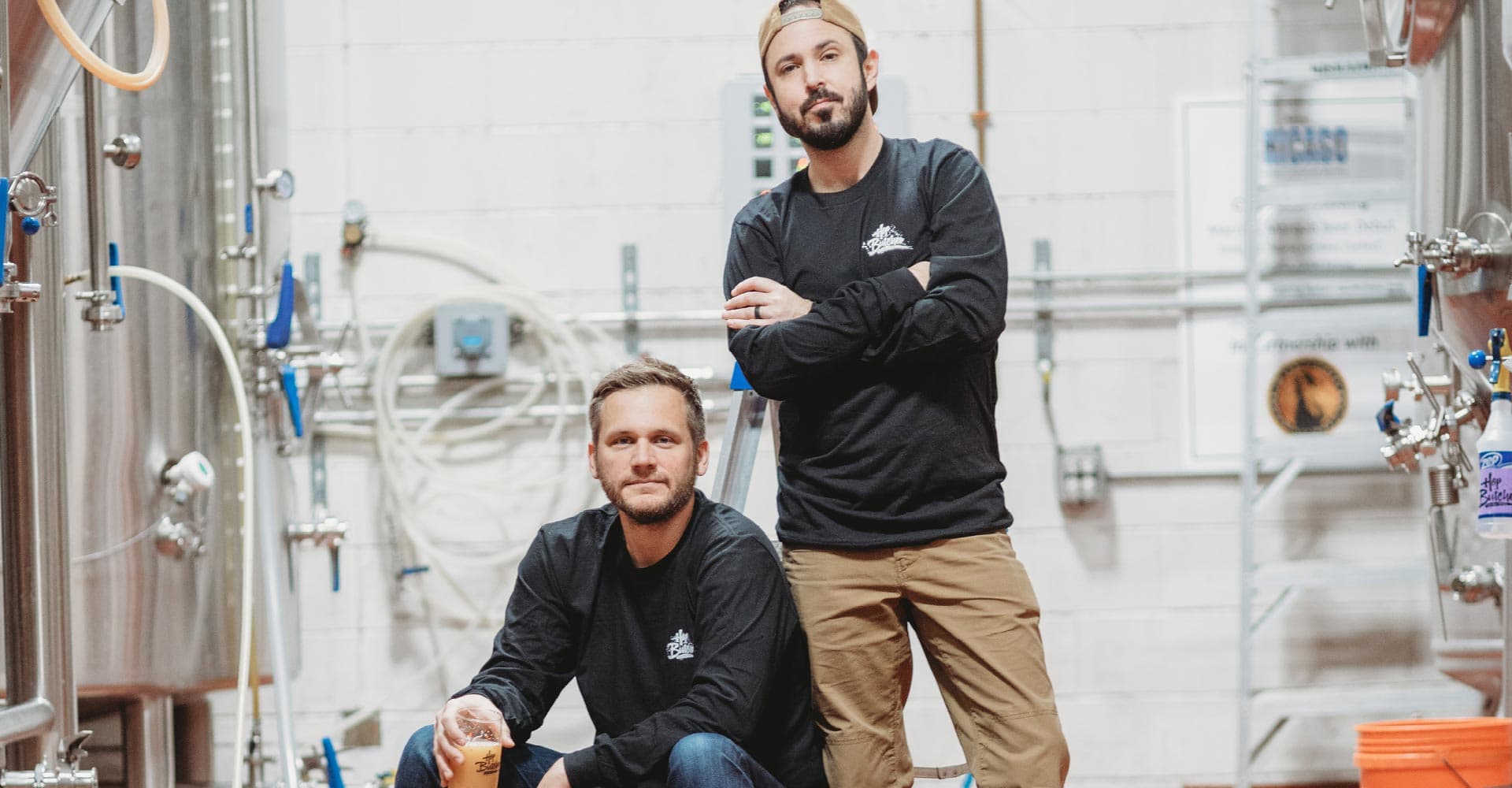
The name and artwork on cans of Hop Butcher for the World are eye-catchers, while the liquid is a distinctively juicy product of trial and error.
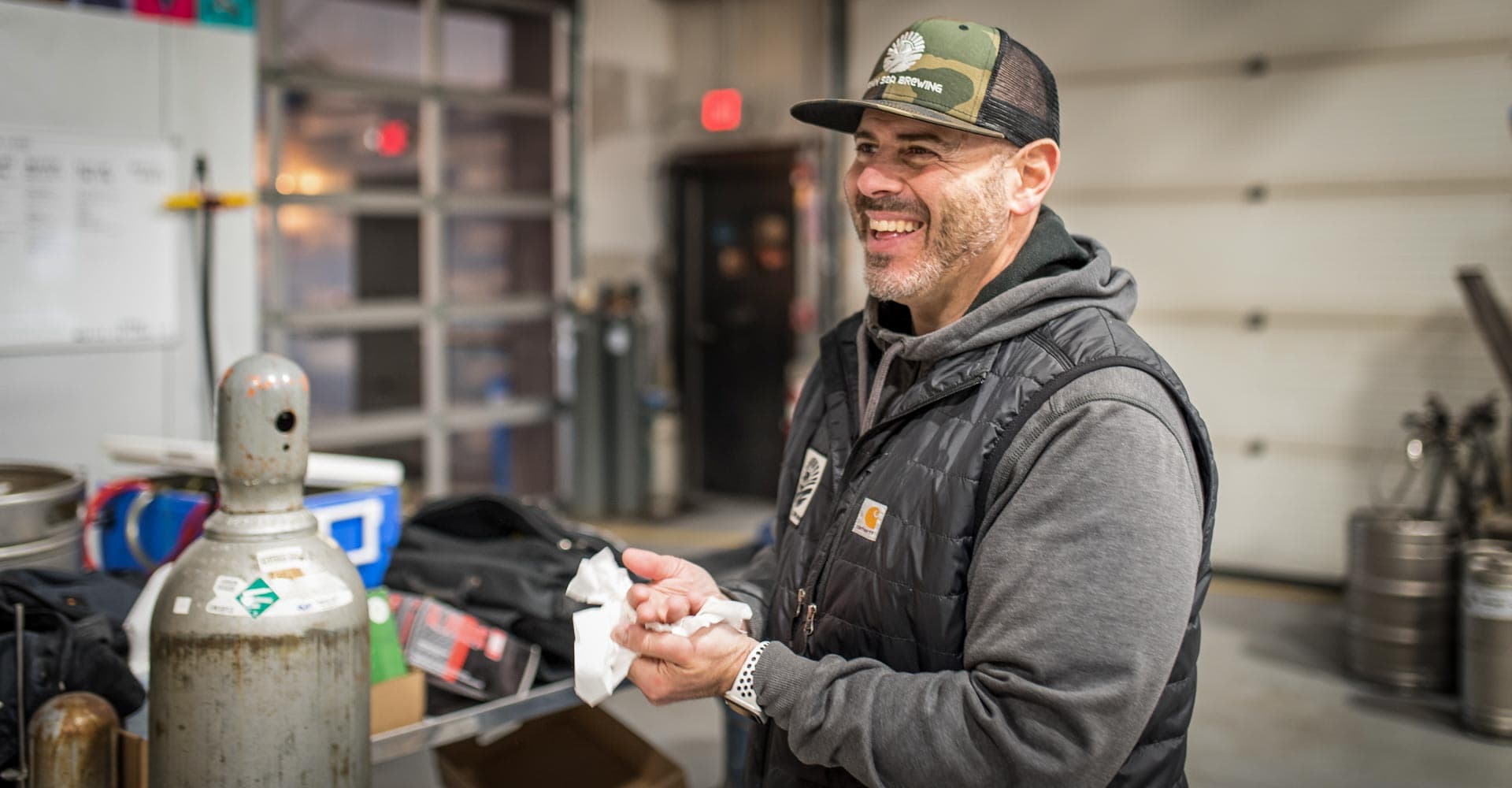
Boston offers a remarkable concentration of top breweries, but Vitamin Sea has carved out a niche with their own take on the New England IPA style, influenced by both coasts and a dedication to nonstop pilot brewing and testing.
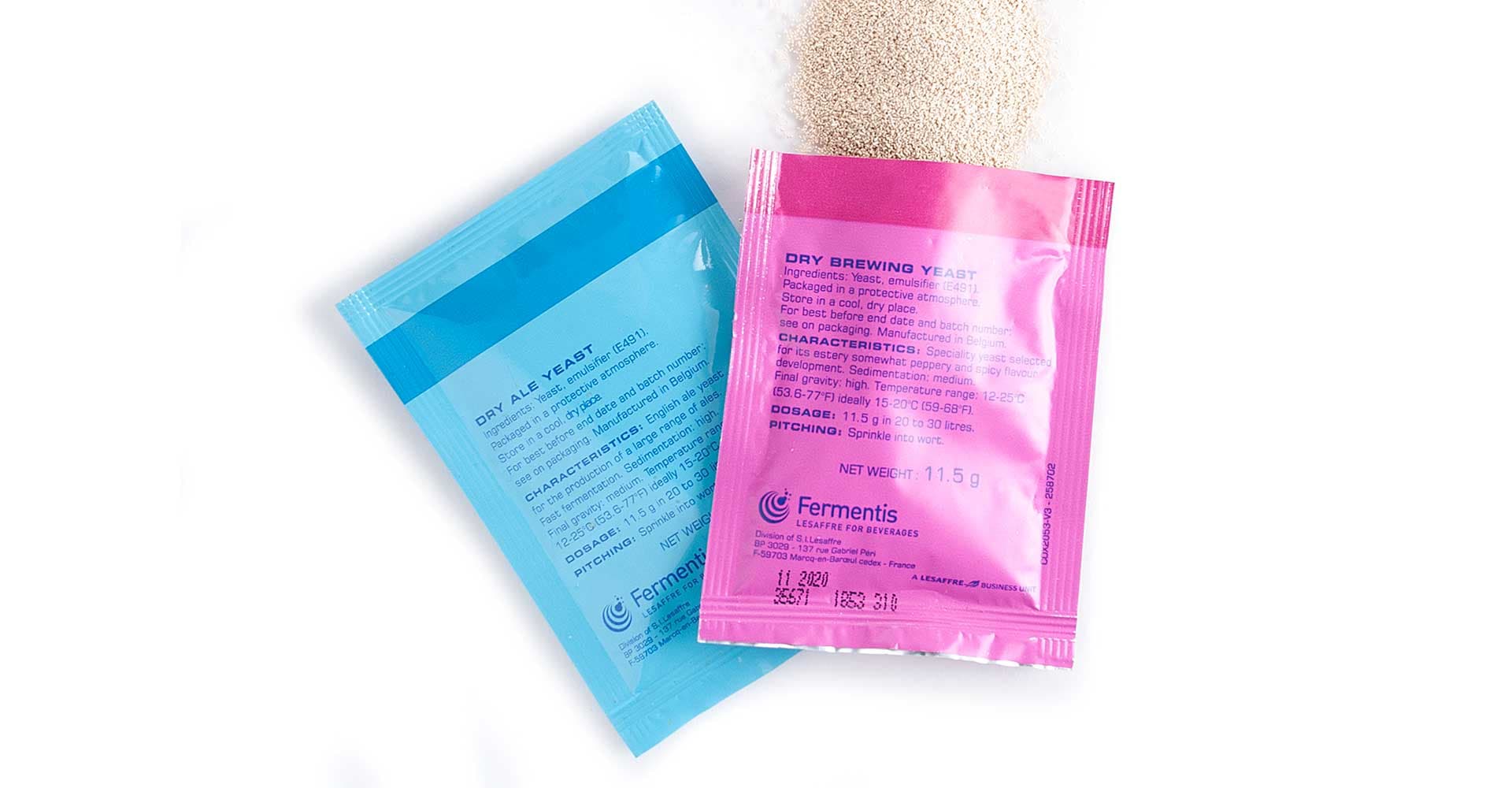
Doesn’t seem like that long ago that we could count the types of dry yeast available on two hands. However, recently, some new and unusual types of dry yeast have arrived to give brewers some versatility.
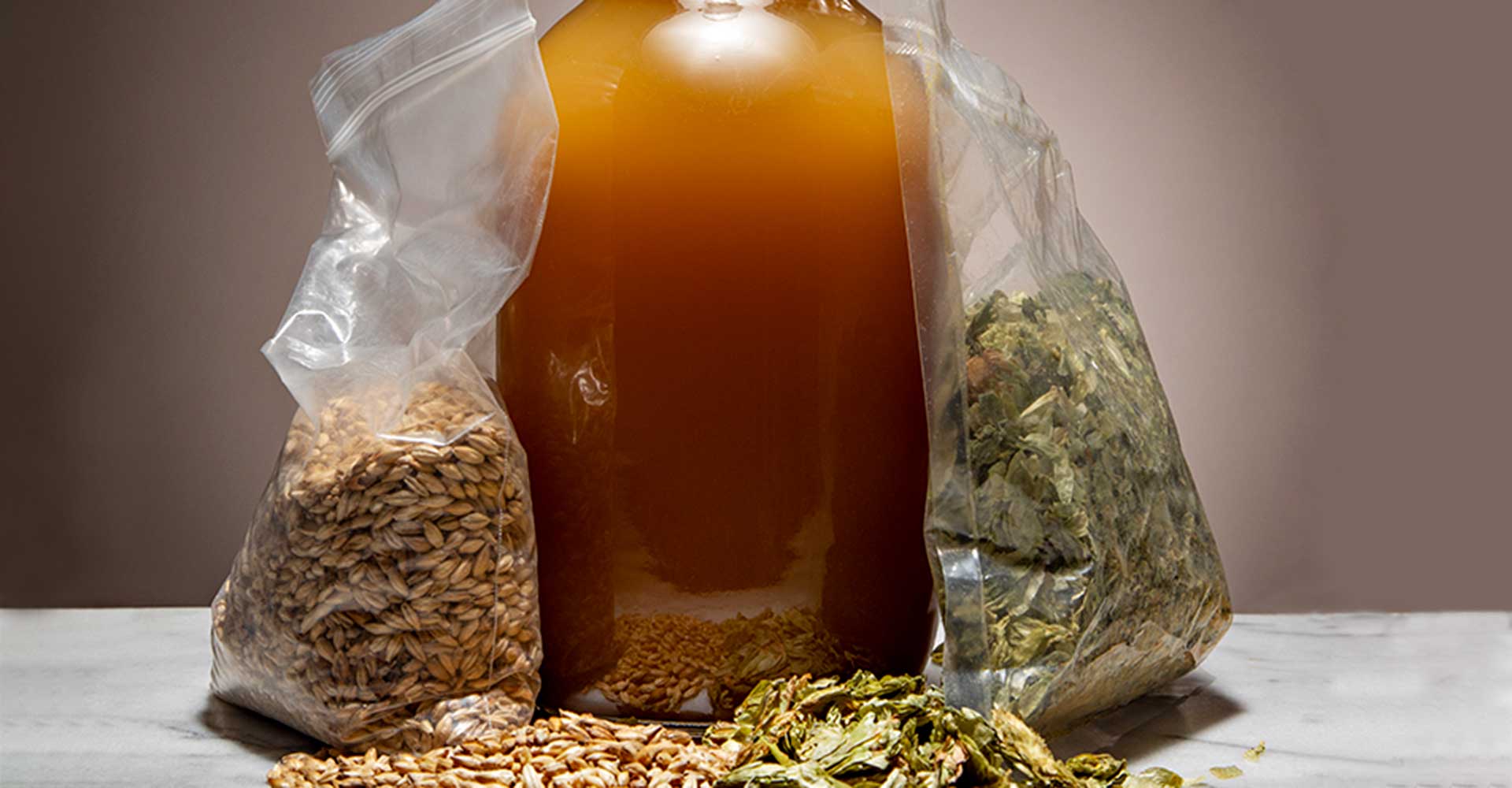
In this Learning Lab, we intentionally make things harder for our yeast cells—to better understand what can go wrong, and how to recognize what happened.
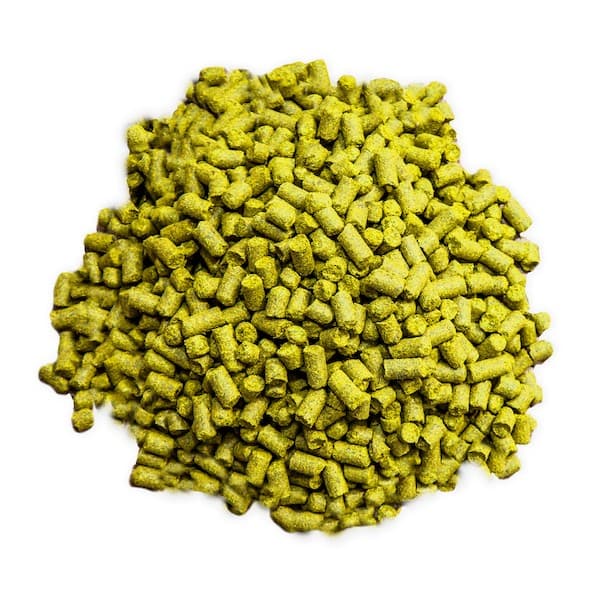
Think you need to throw out all that fragrant green sludge? Maybe you don’t. A few American brewers are experimenting with reusing spent dry hops, and the results are intriguing.

Stuart Keating, cofounder and head brewer of Earthbound Beer in St. Louis, Missouri, shares what he's learned from years of getting evocative (often beery) flavors out of a range of unusual (often un-beery) ingredients.
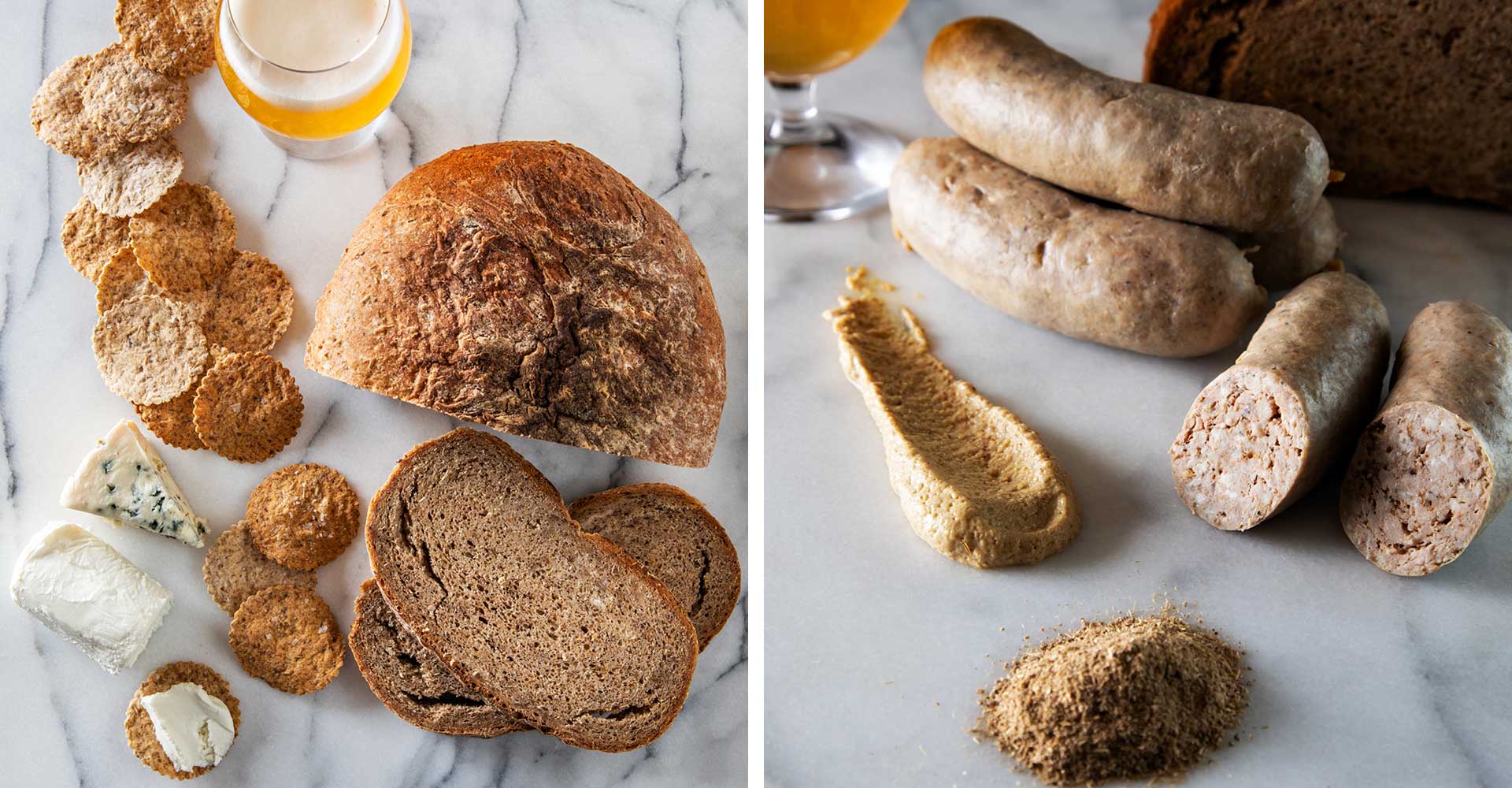
Bring spent grain to (after) life with these three recipes using your best brewing by-products.
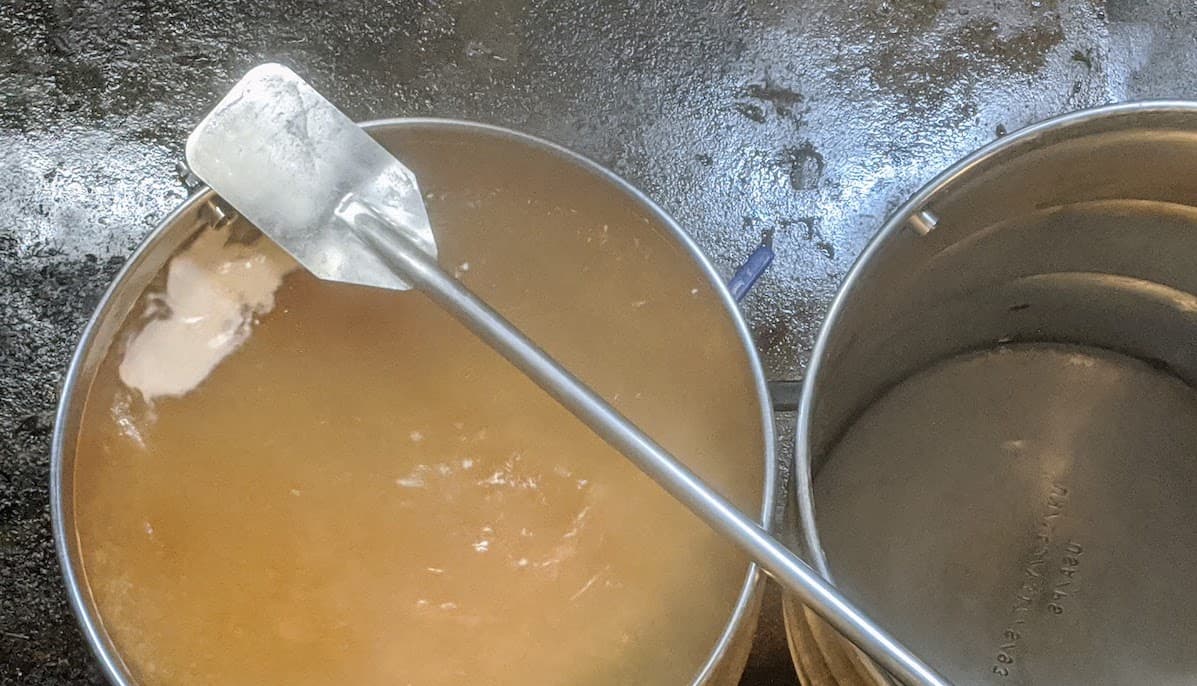
Courtesy of Stuart Keating, founder of Earthbound Brewing in St. Louis, Missouri, here is a homebrew recipe for a crisp, sessionable blonde ale in which cardamom, black pepper, and black tea mimic the floral, spicy notes of British hops.
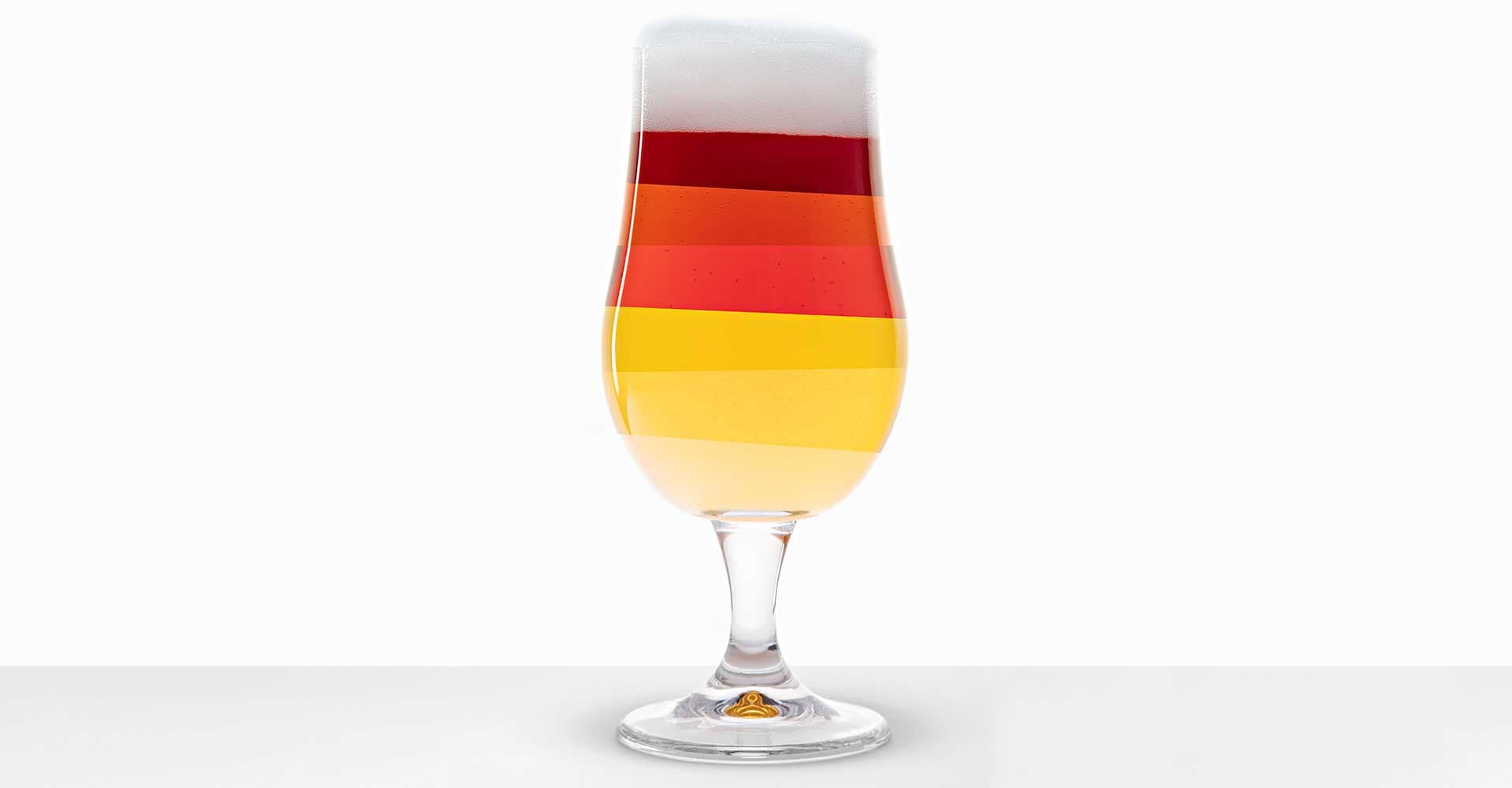
A nearly forgotten style became a popular plaything in American brewing. Balance, as usual, is the trick—and how to pull it off depends on what you put in it.

We all taste beer, but do you really taste it? Developing a disciplined, analytical approach to honing your palate is a key skill for every brewer, and Barr’s thoughtful approach will make a difference in how (and what) you taste.
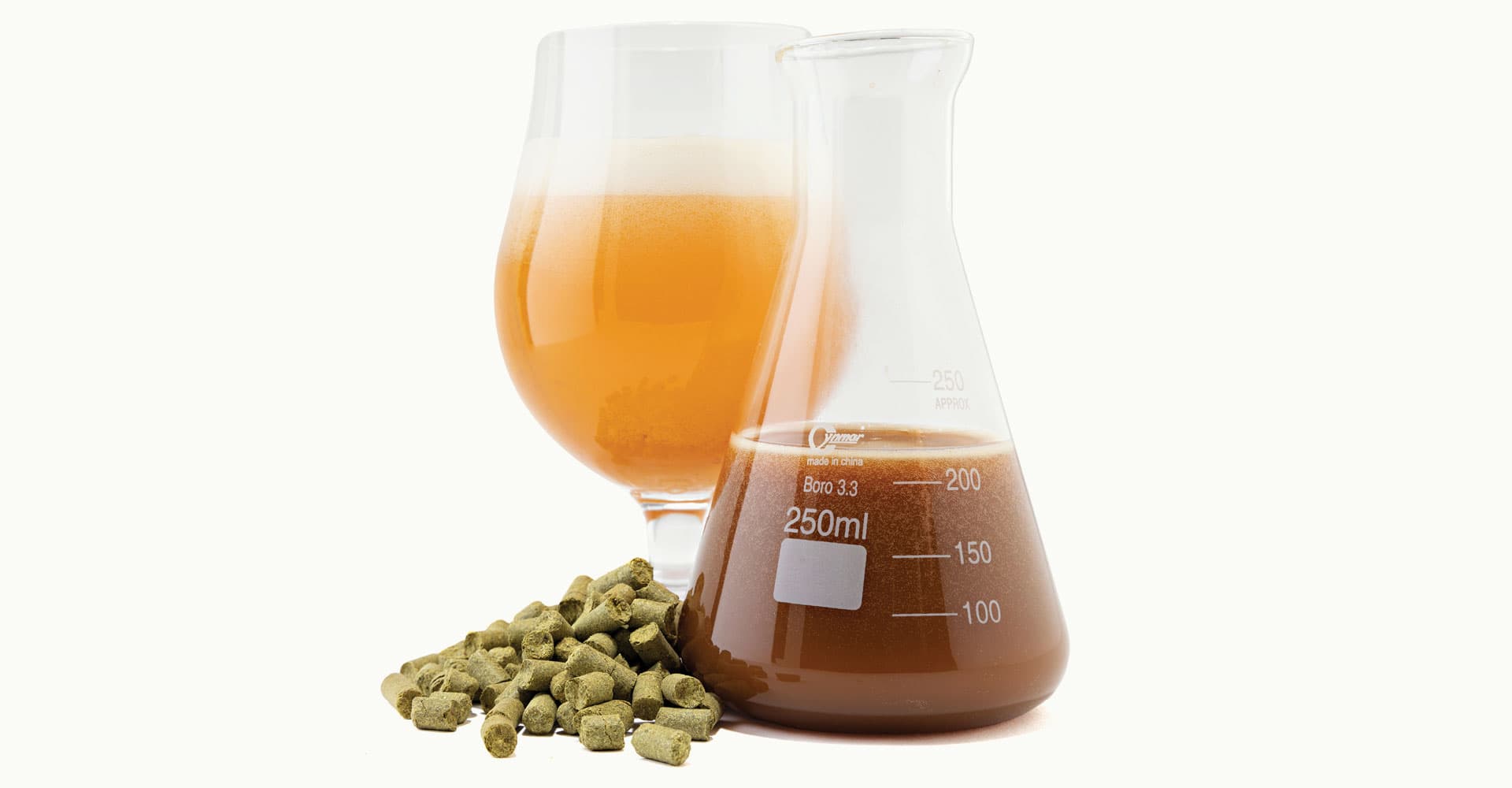
Don’t think of this as a clone of Dupont’s Avec Les Bons Voeux—think of this as a beer inspired by it. It’s the right blend of earthy, hoppy, fruity, spicy, and dry, and it makes for sweet dreams.
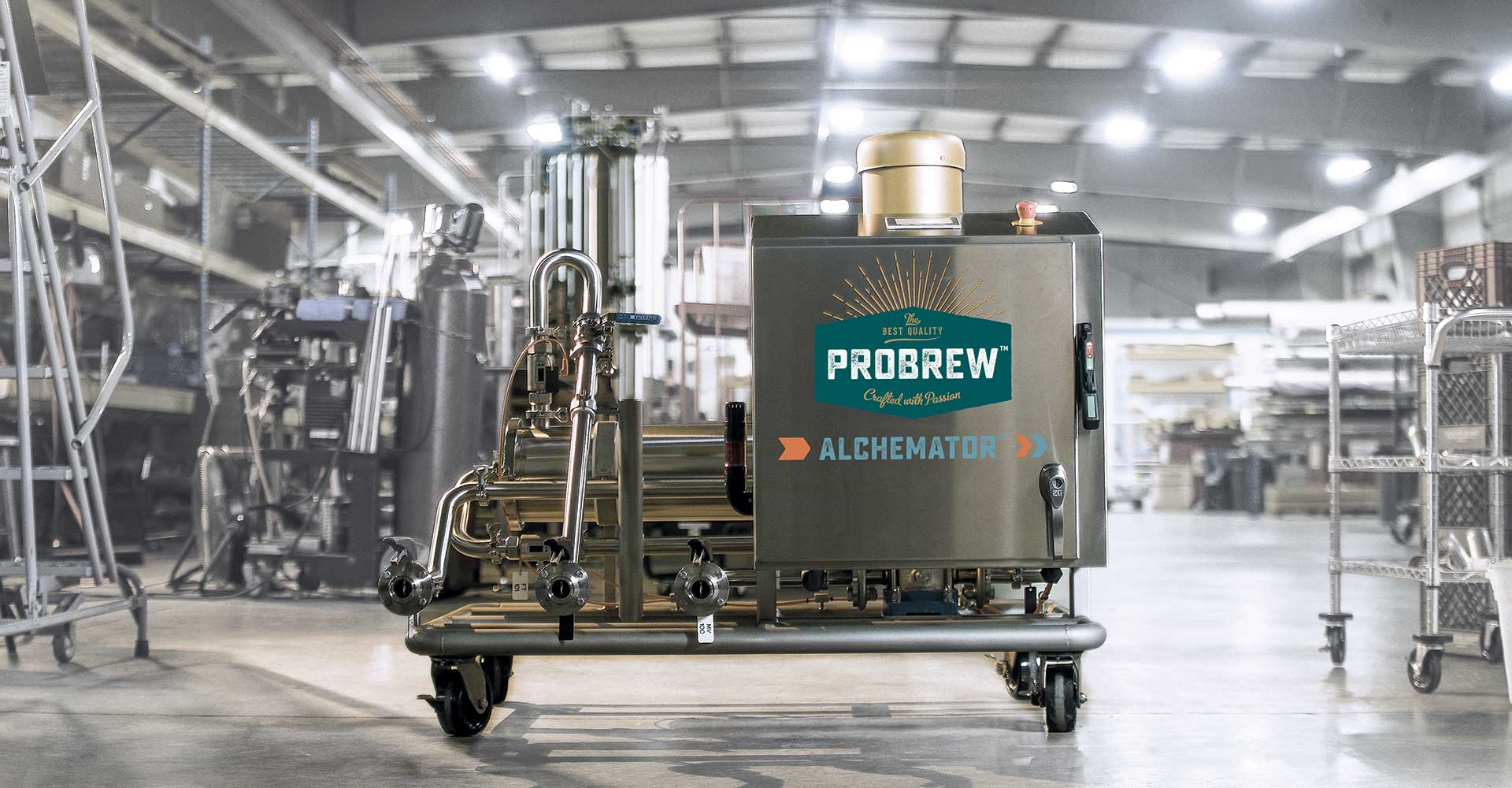
This inline system is designed to make hard seltzer out of the beer that brewers are already producing. As a bonus, it can facilitate low- or non-alcoholic beer without loss of taste or quality.
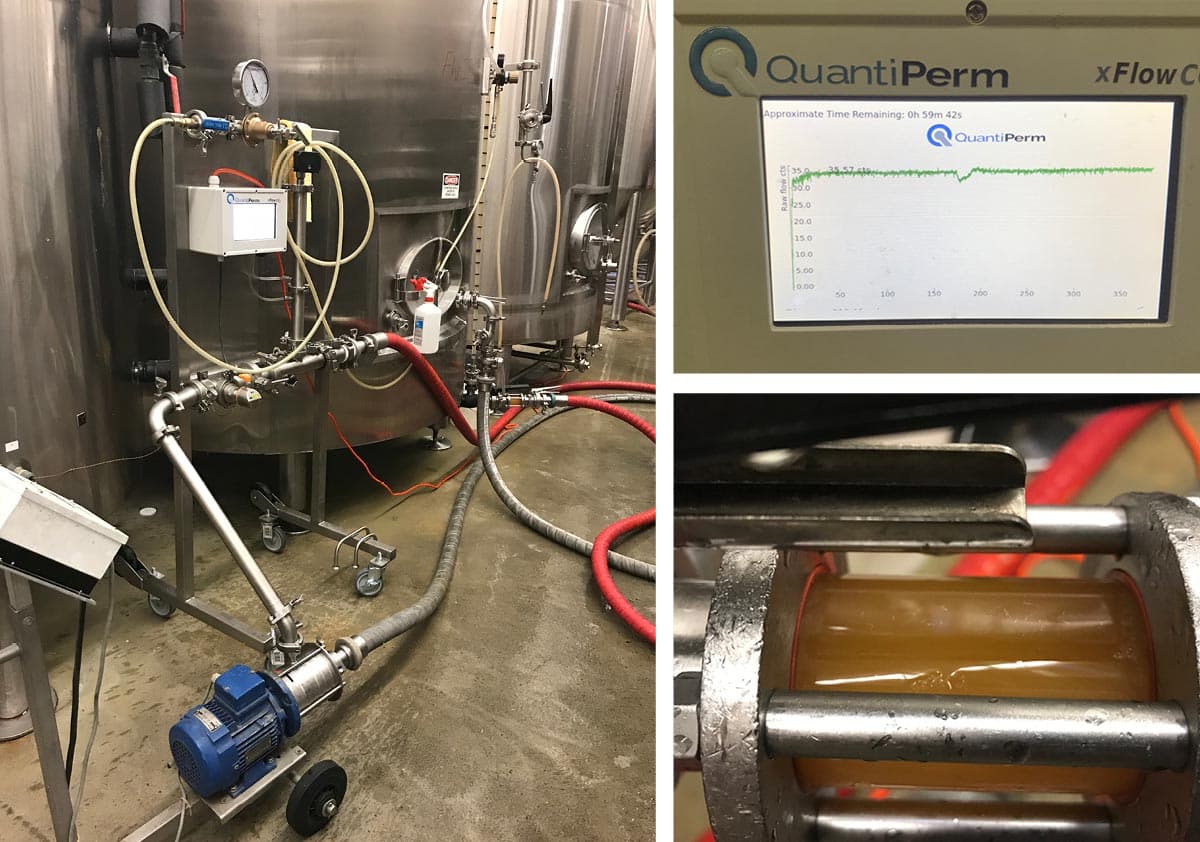
Many brewers are using in-line carbonation systems to inject CO2 into the beer as it moves from one vessel to another, thereby reducing the wait from crashed to canned (or kegged).
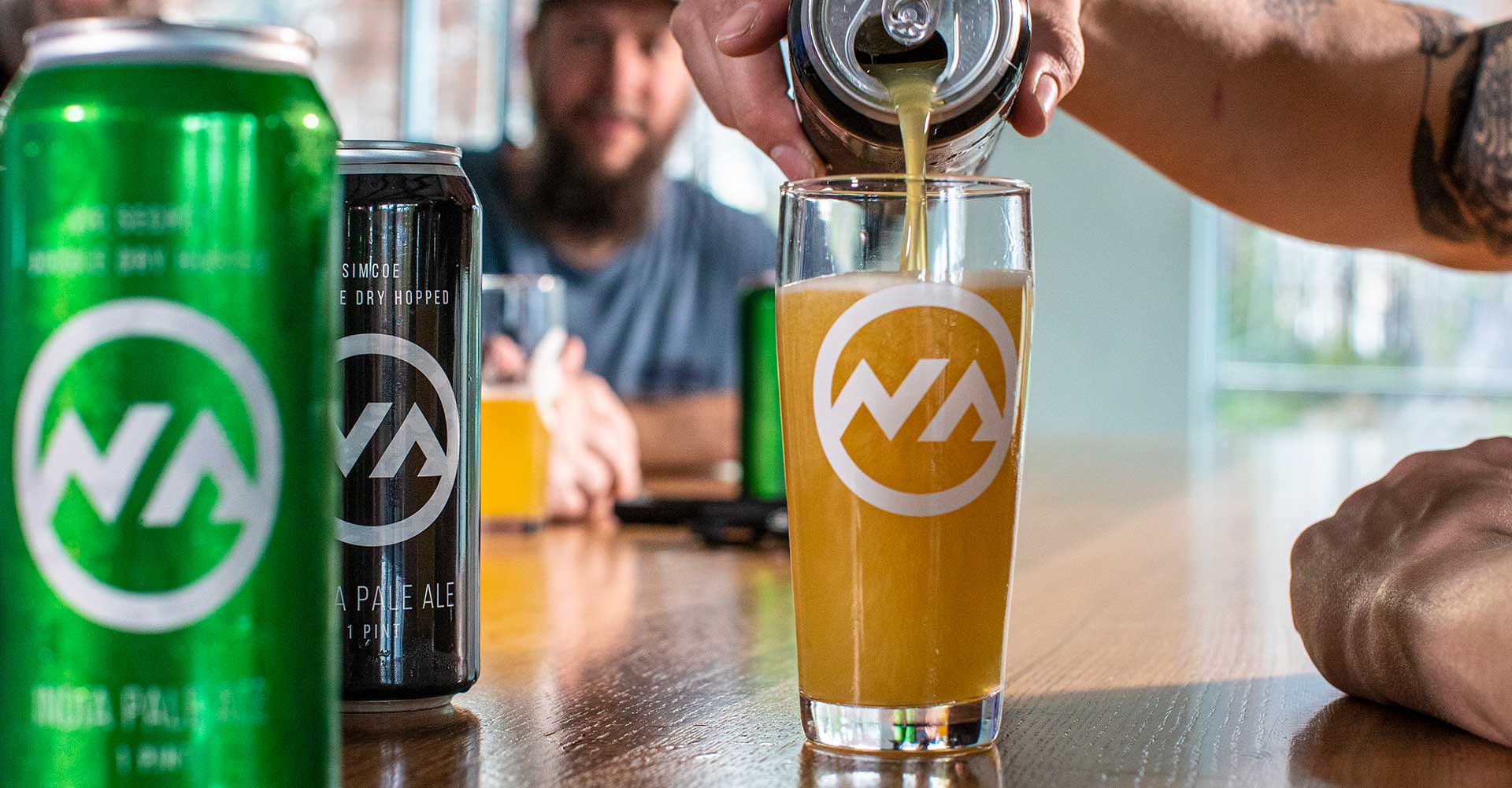
New Anthem says the grist of this hazy IPA has evolved over the past few years; this recipe reflects the most recent state of the juicy-hops-driven beer that scored a 100 with our blind panel and was named one of our Best 19 Beers of 2019.
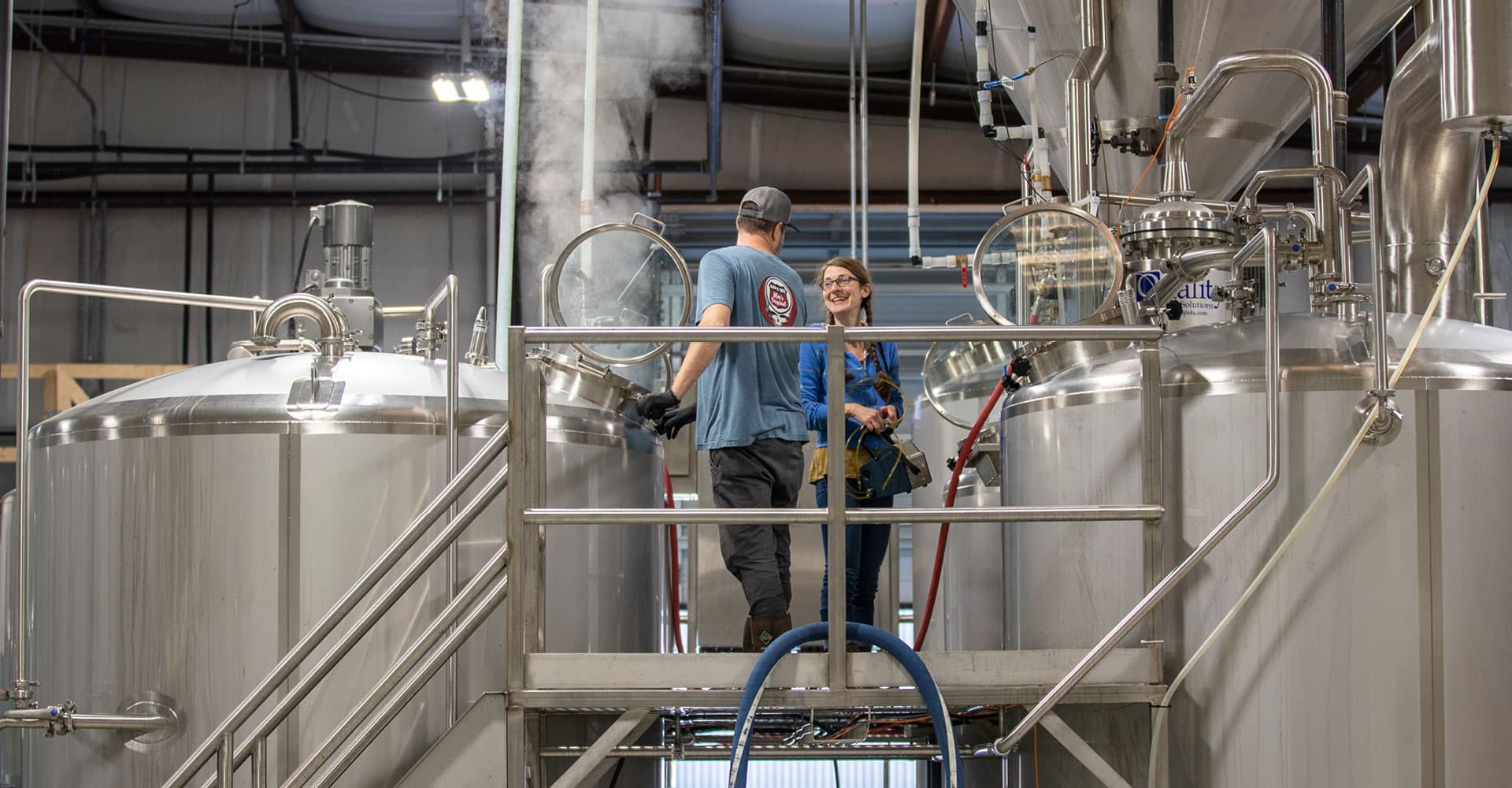
Meticulous attention to raw materials and the embrace of under-loved hop varieties have helped the beers of New Anthem Beer Project stand out in a thickening crowd.
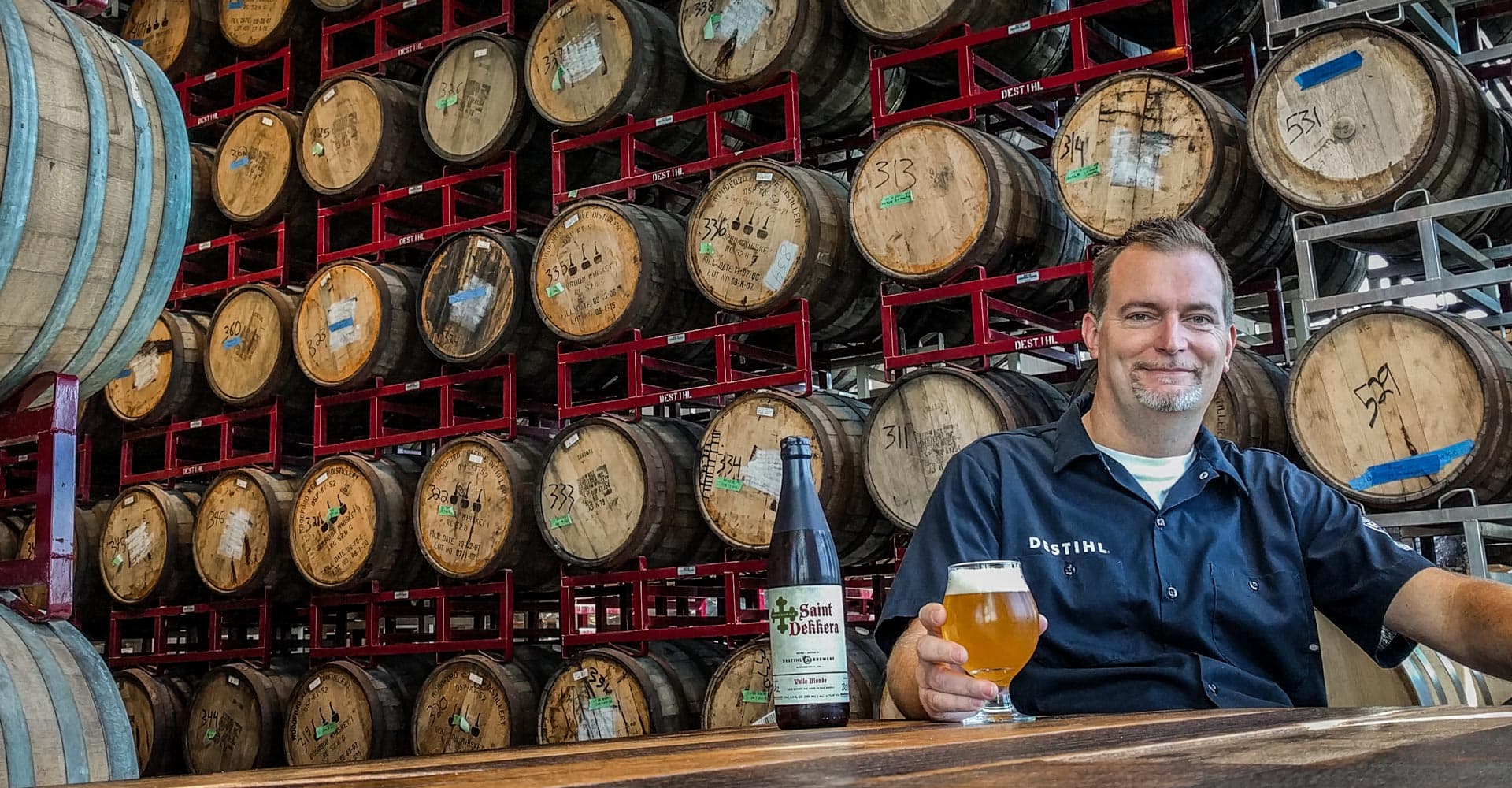
Destihl Brewery started as a small-town brewpub, but it was sour beer that put them on the map in the late 2000’s. In this episode, Founder Matt Potts discusses how they’ve developed these different beers, from traditional to kettle sours.
We're awarding more than $325,000 in advertising to breweries and other businesses in need of a boost.
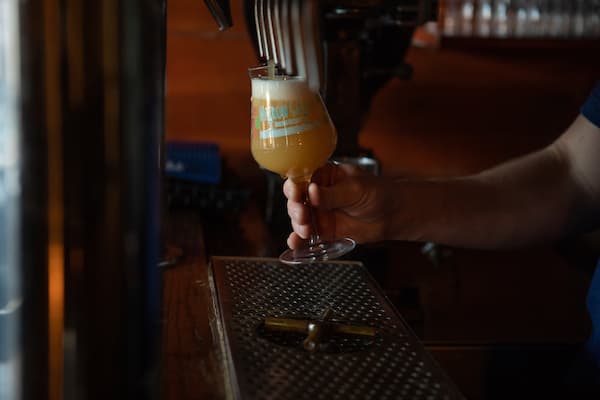
Known for pushing the envelope with intense hop and fruit flavors, Jeff Hardesty of Narrow Gauge demonstrates a safe and sanitary method for dumping a large quantity of dry hops into a still-fermenting beer.