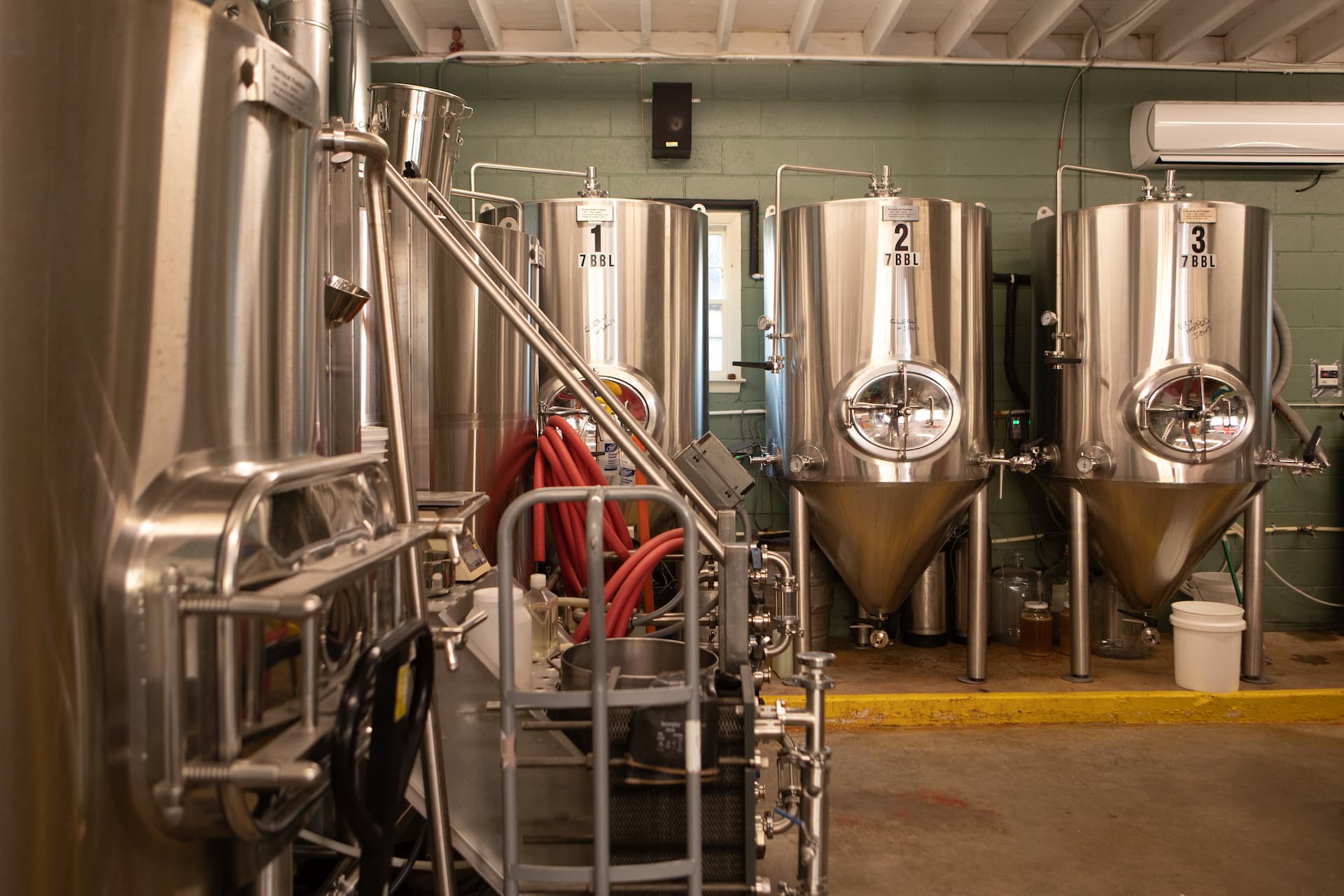
The Historical Decline of Porter (Video Tip)
Mike Karnowski is here to talk about how the World Wars played into the decline of porter and the rise of stouts.

Showing 2521-2540 of 4631 articles
Mike Karnowski is here to talk about how the World Wars played into the decline of porter and the rise of stouts.
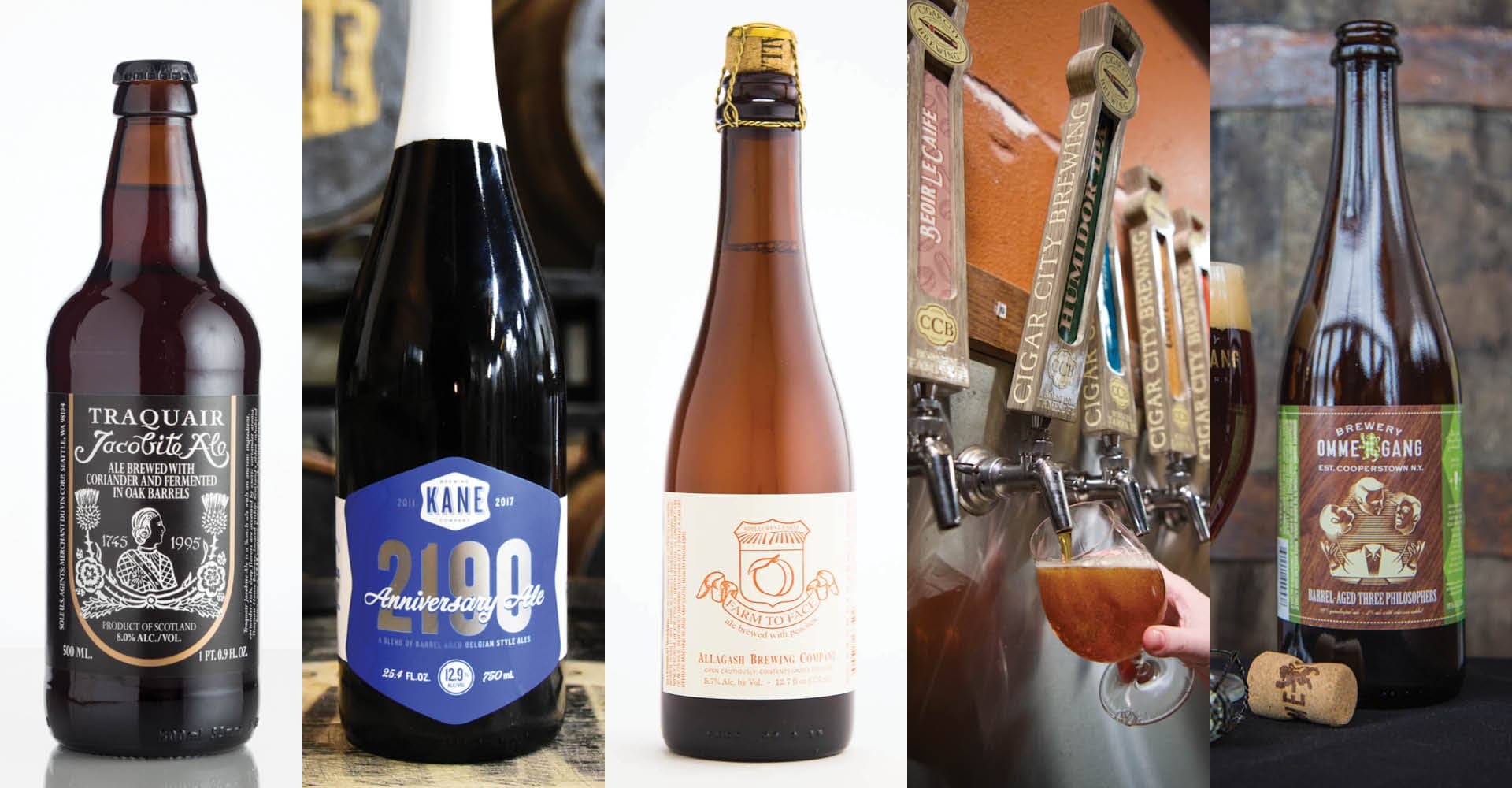
There’s a lot of beer in a lot of wood these days. How do you know what rises above the masses? Ask a brewer. We asked a few of our favorite brewers and brewing professionals to share their recommendations on wood-aged beers.
Which beers stoked James Dugan and Andy Miller passion for brewing? The mad geniuses of Great Notion Brewing in Portland, Oregon like a mix of craft classics and cutting-edge favorites for their Pick Six.
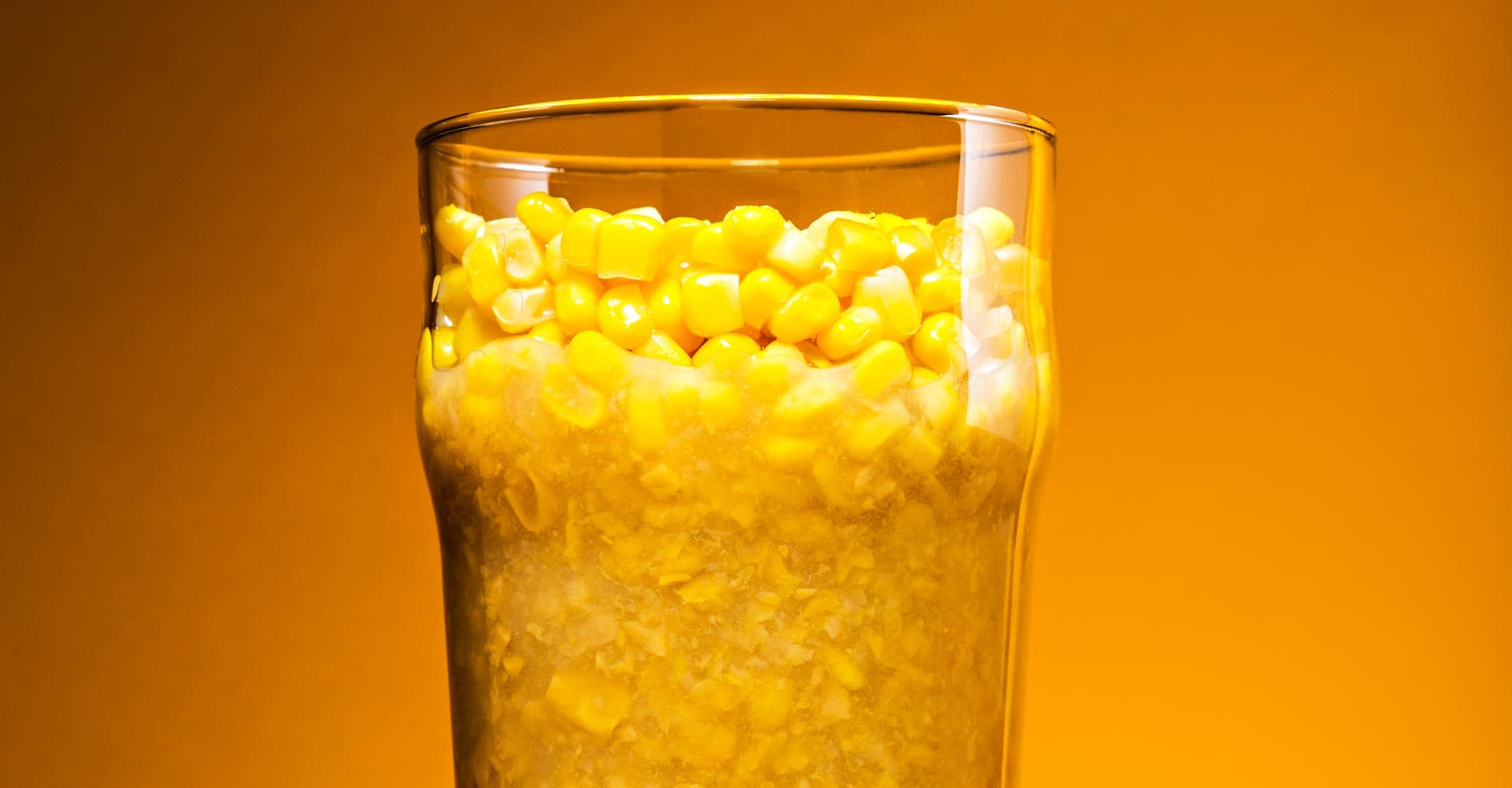
Homebrew expert Brad Smith, author of the Beersmith homebrewing software and the voice behind the Beersmith podcast, addresses the question of the corn-like off flavor in your beer.
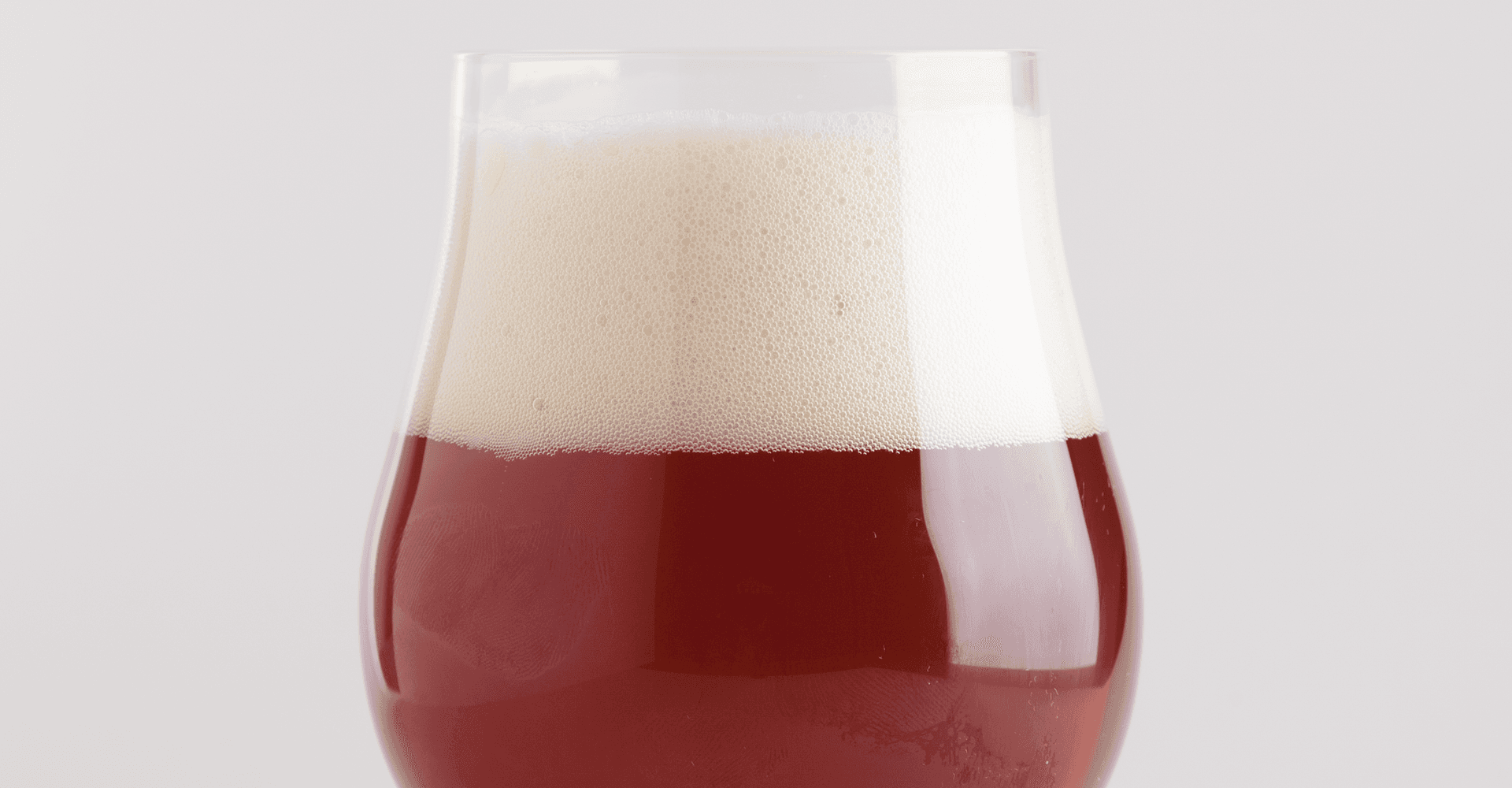
In the strictest sense of the word, honey ales don’t have a “style.” In the 2015 BJCP Style Guidelines, they probably best fall into category 31B, Alternative Sugar Beer, assuming that honey is the only specialty ingredient used.
Brewers are forging their own paths from the long-traveled spontaneous-fermentation road. Where they will end up is anyone’s guess, but it’s shaping up to be a remarkable journey.

For Josh pFriem of pFriem Family Brewers, every beer they make—from Pilsner to wood-aged sour—expresses a brewing philosophy that prizes nuance and depth.
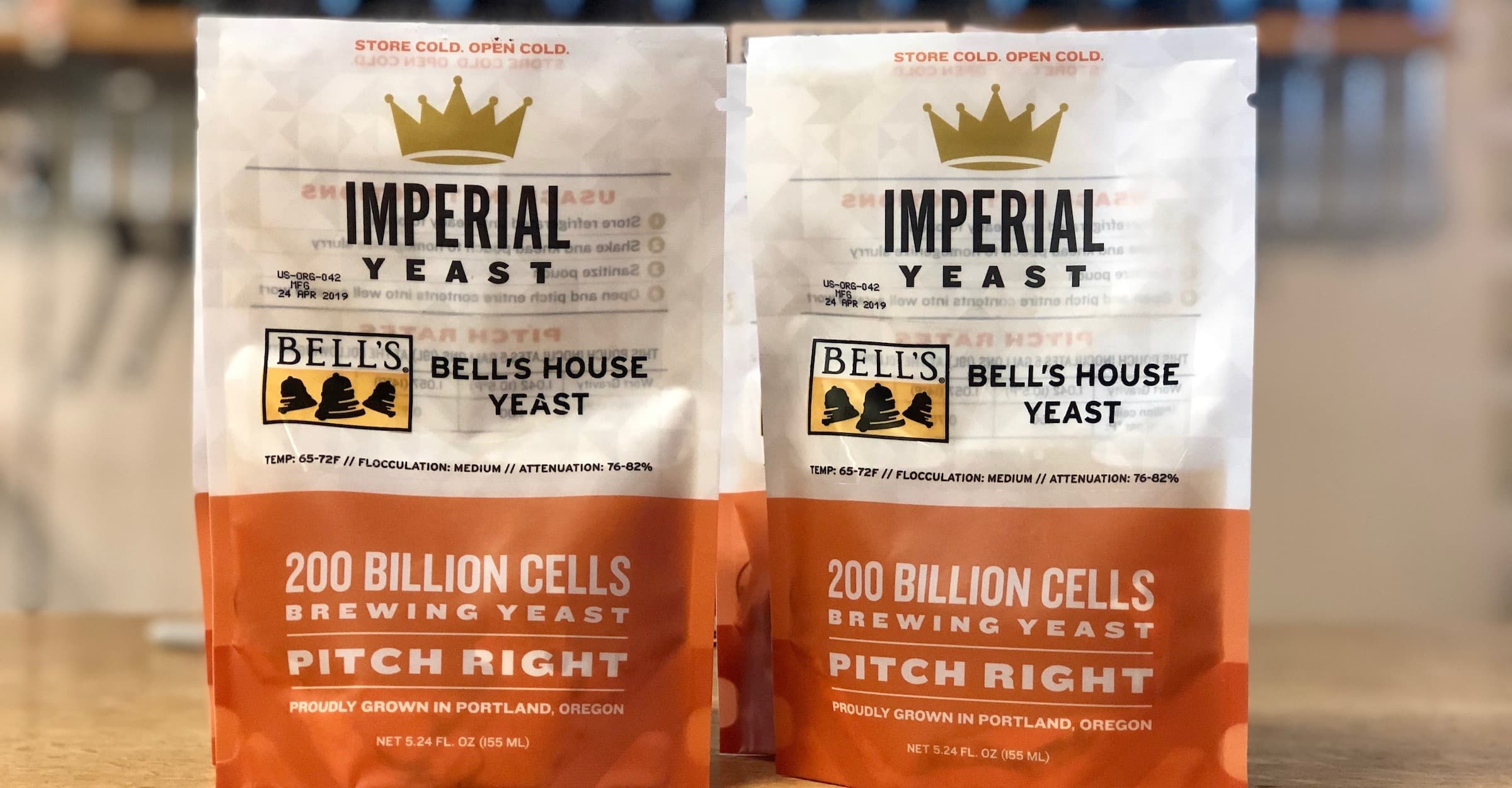
The Michigan brewer behind beers such as Two Hearted Ale and Oberon Ale recently released for the first time their house yeast, enabling homebrewers to make accurate clone brews or experiment.
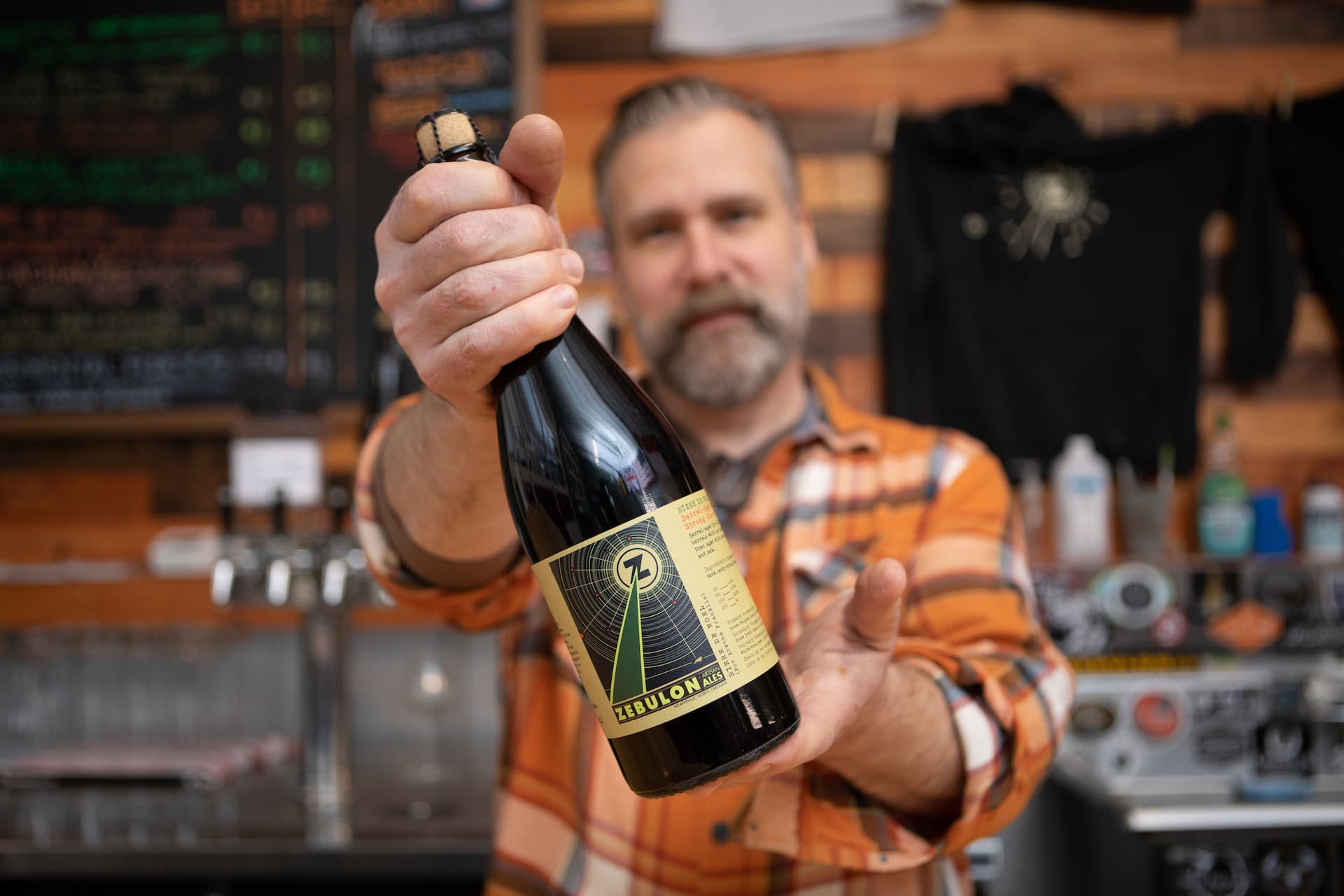
In this video tip Mike Karnowski spends some time discussing historical porters and their flavors.
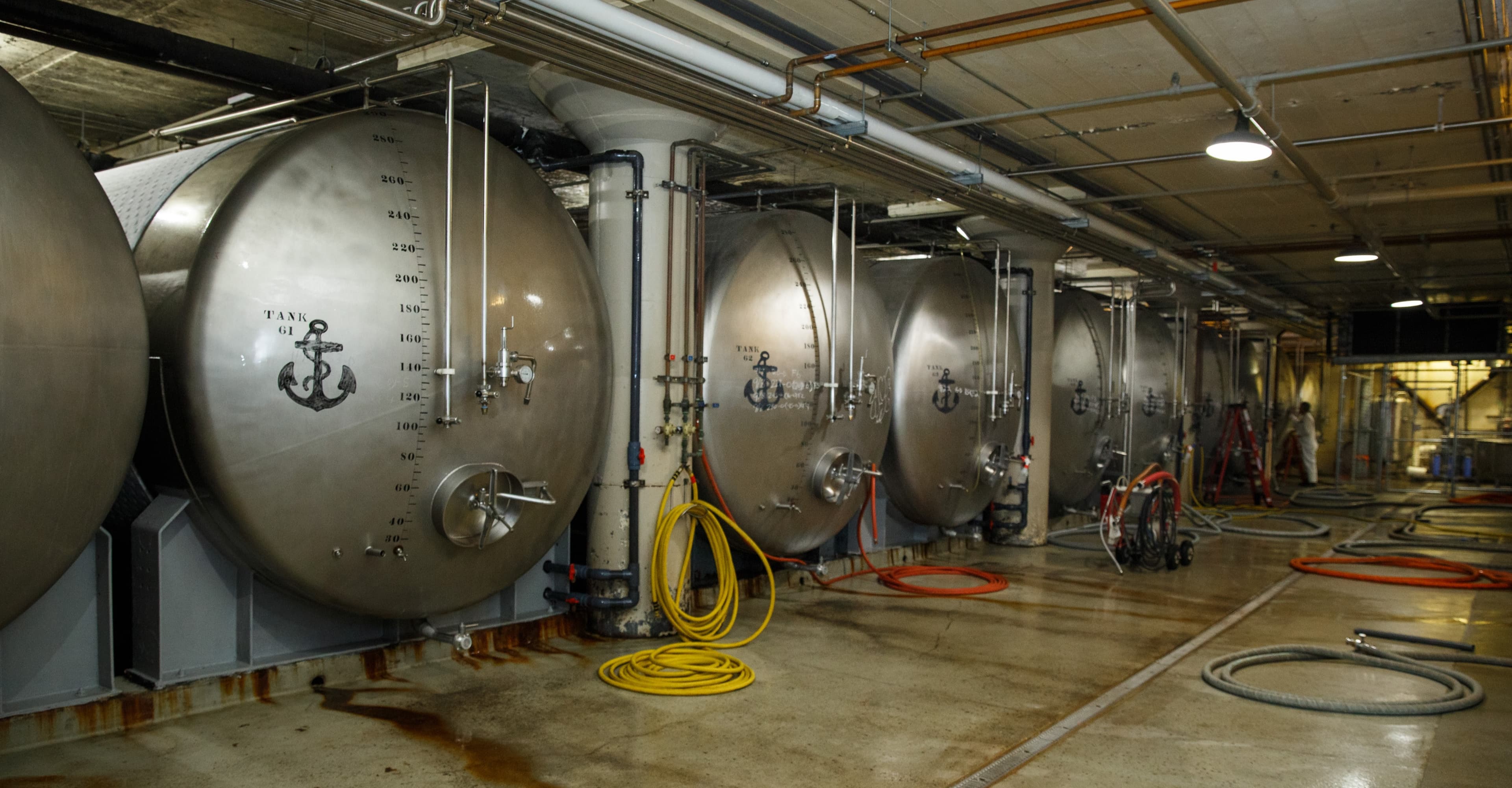
Lager brewing is technical and unforgiving, but today’s independent brewers are taking up the challenge and employing horizontal lagering tanks, vessels more common in the breweries of the world’s biggest brands, to keep their yeast happy.
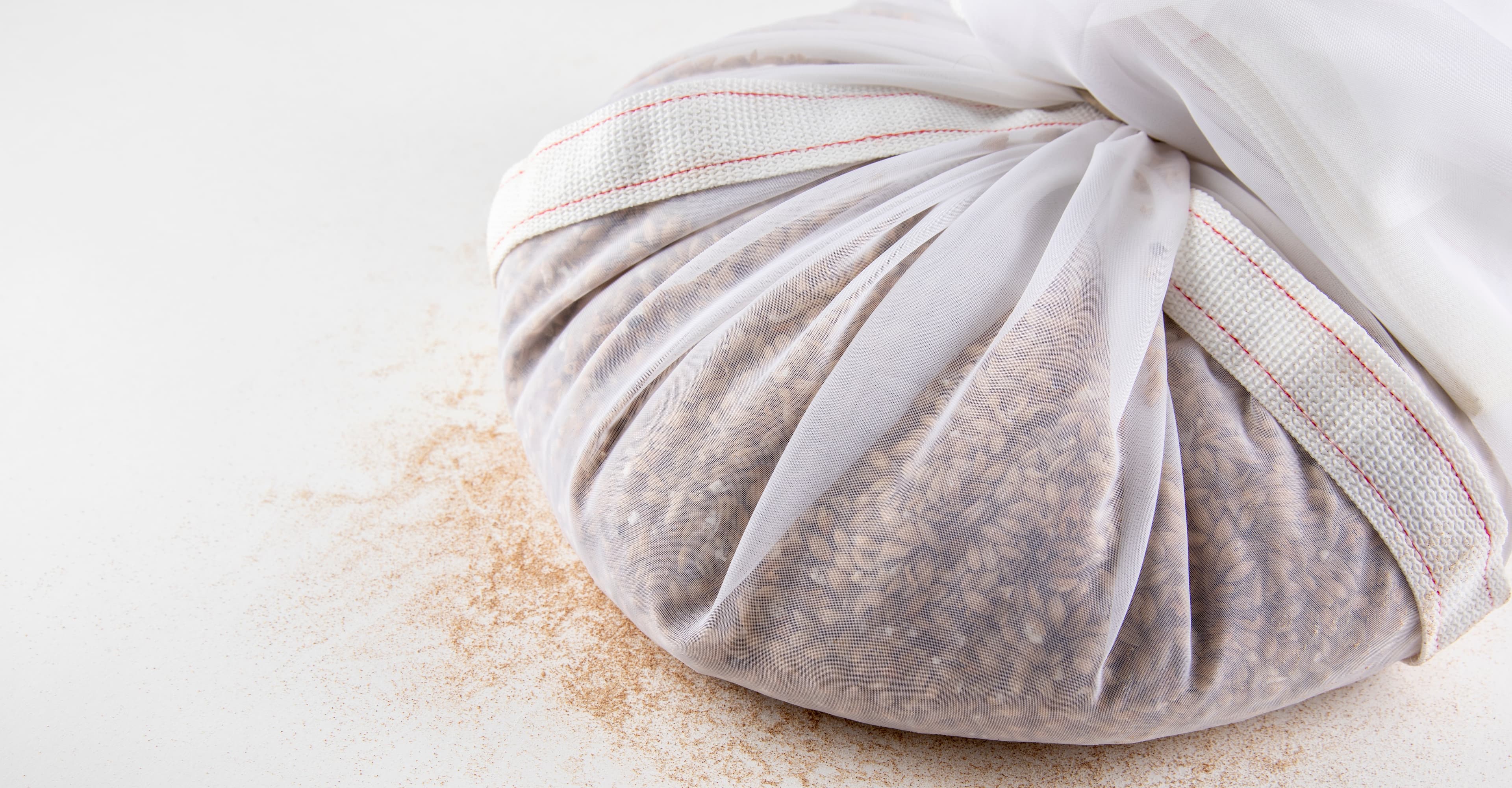
Base malts are the foundation of beer. It’s worthwhile to have a sense of the trade-offs your extract supplier made. As a bonus, this mini-batch experiment is a good introduction to mashing.
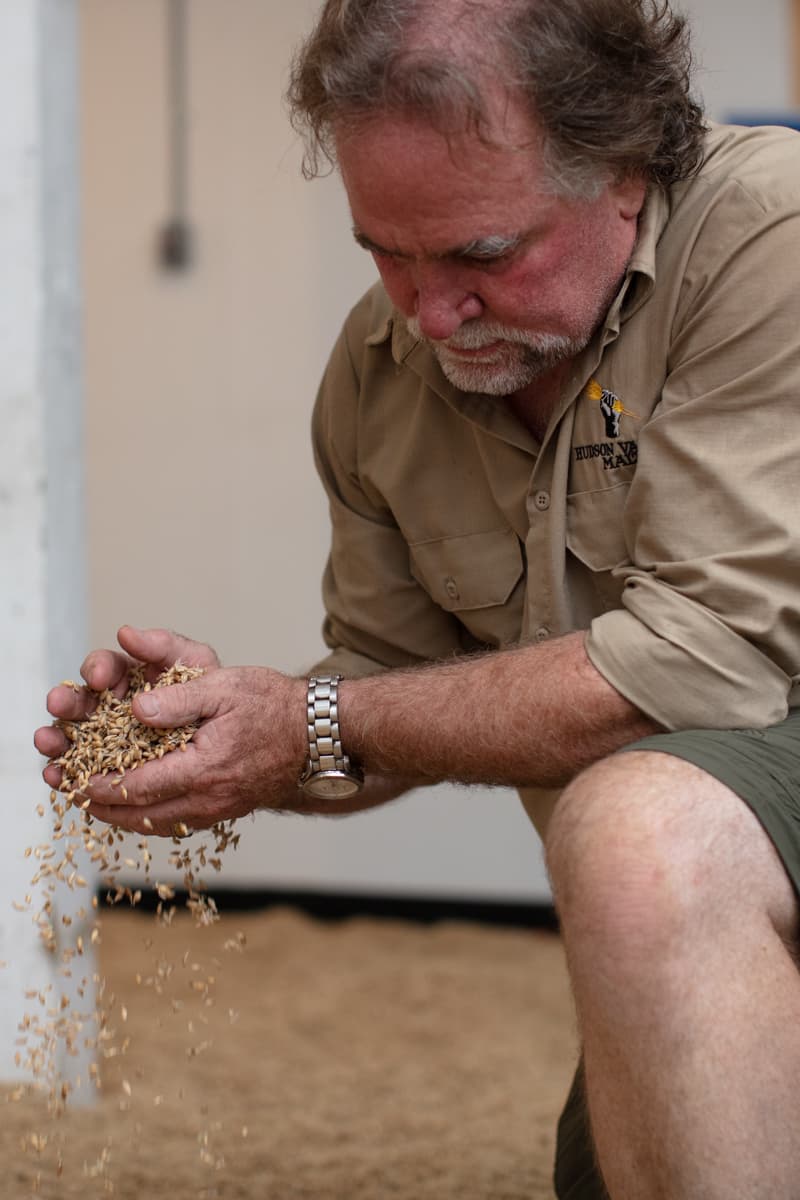
Dennis Nesel from Hudson Valley Malt shares information on how malting facilities work with breweries to ensure the best possible ingredient and final beer.
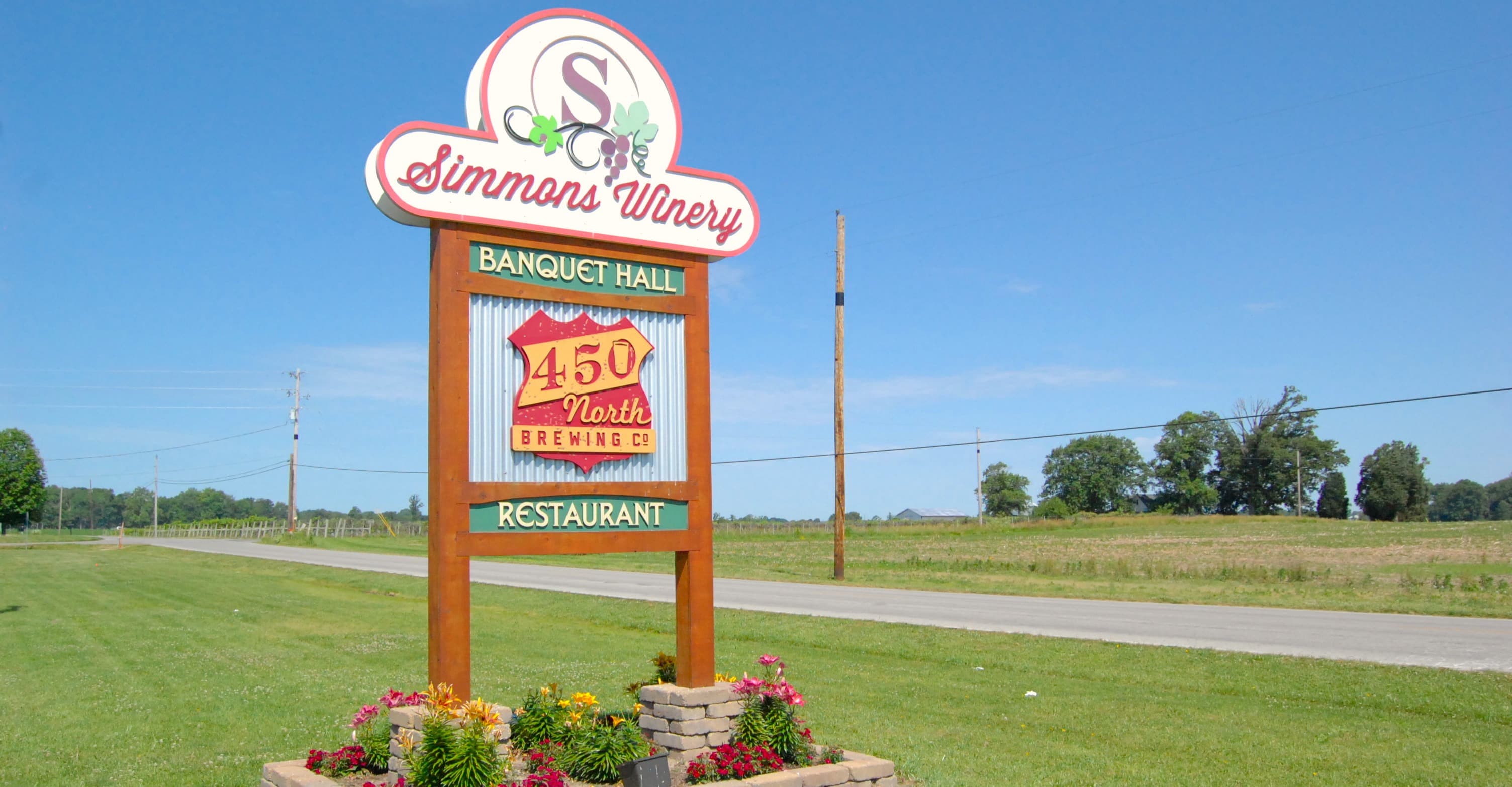
After 450 North Brewing Company changed their focus to embrace New England–style IPAs and revamped their look, traders across the country have sought them out, and their can releases have become day-long events.
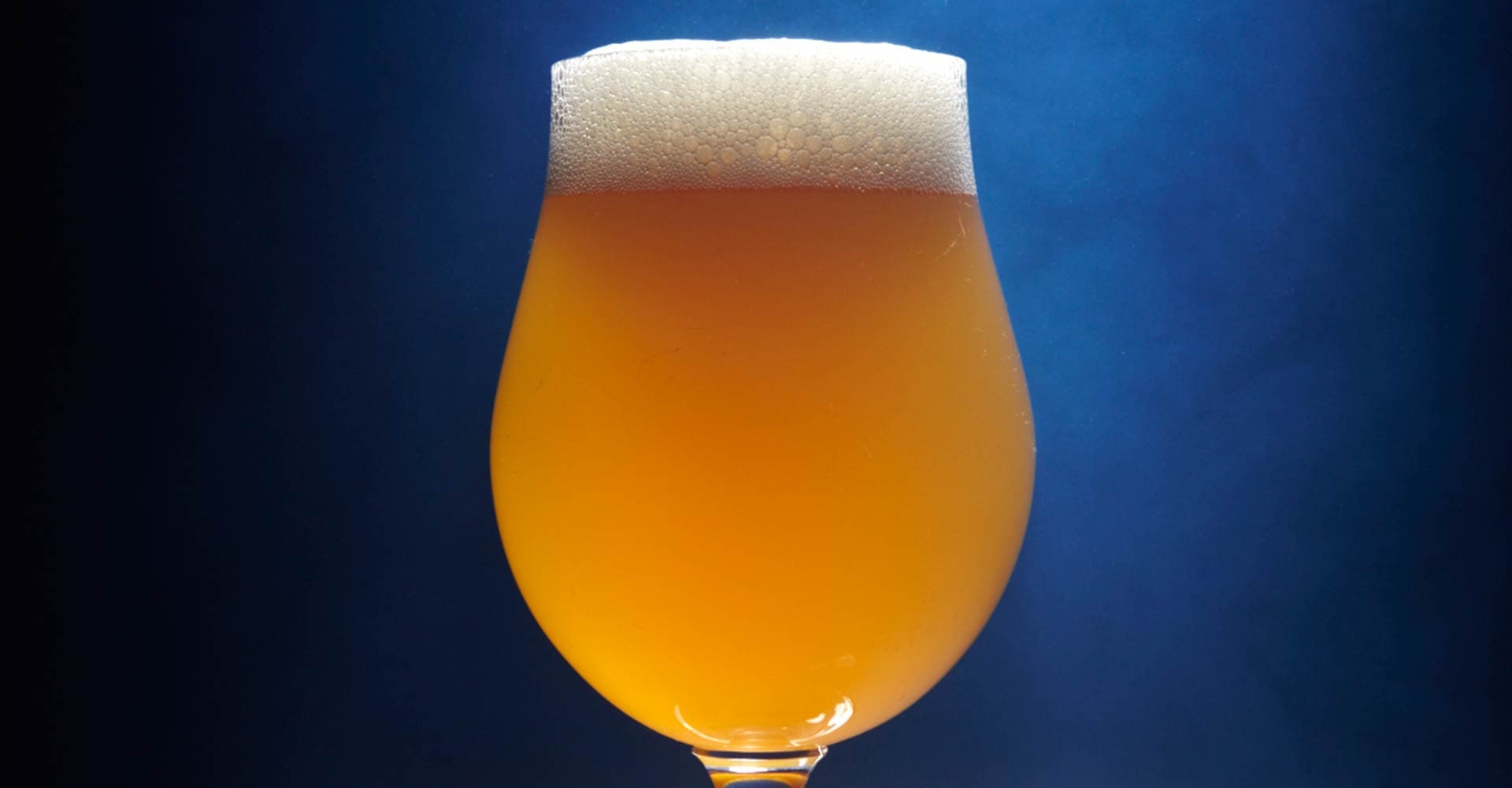
From 450 North Brewing Company, this juicy hazy IPA has a touch of candy-like sweetness.
Today is National Hombrew Day. How will you celebrate?
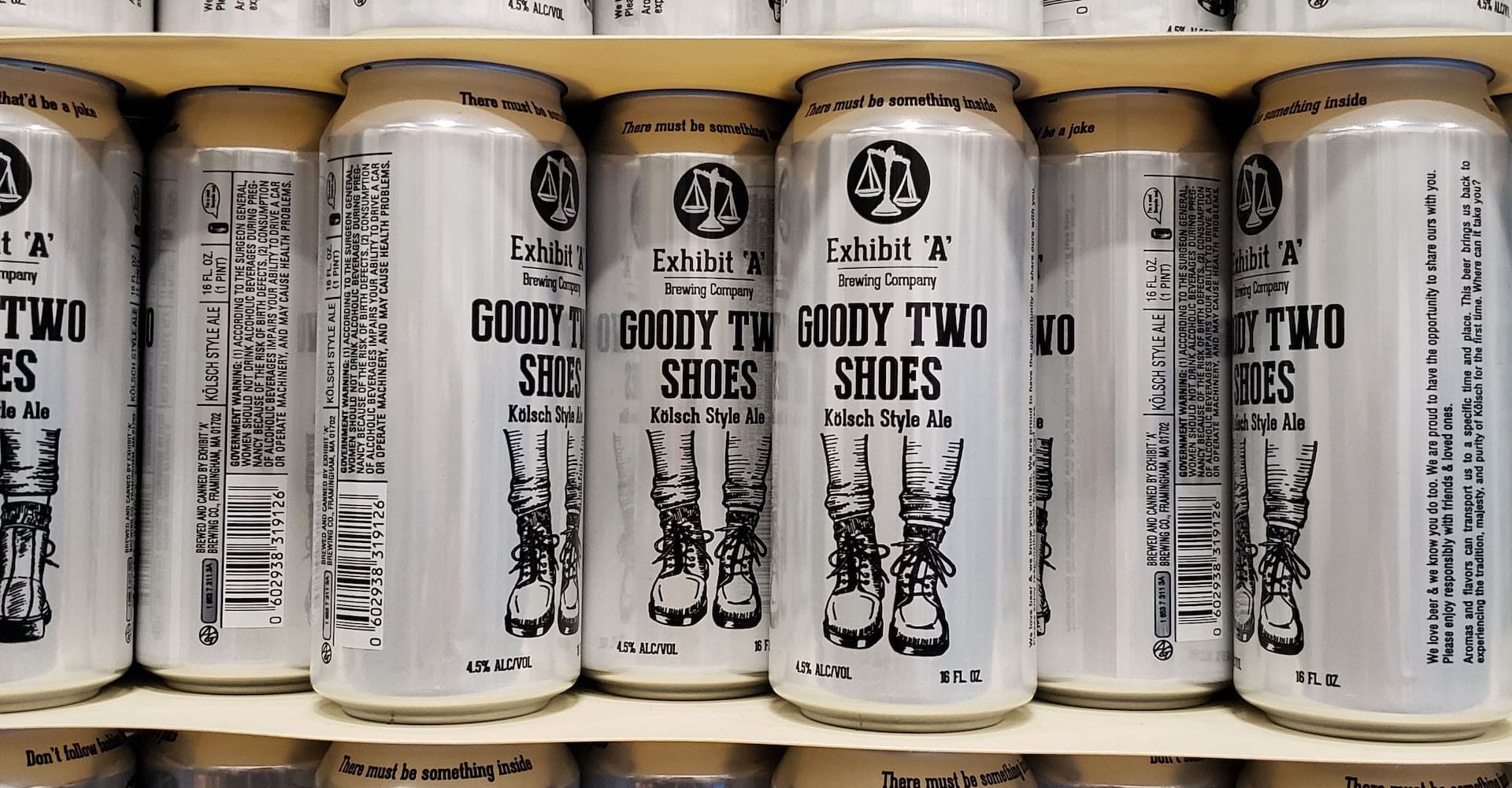
When he finally opened his own brewery, Matthew Steinberg knew exactly what he wanted Exhibit 'A' Brewing Co. to be. This week he talks about lessons learned along the way and the relationship that exists with the brewery down the street – Jack’s Abby.
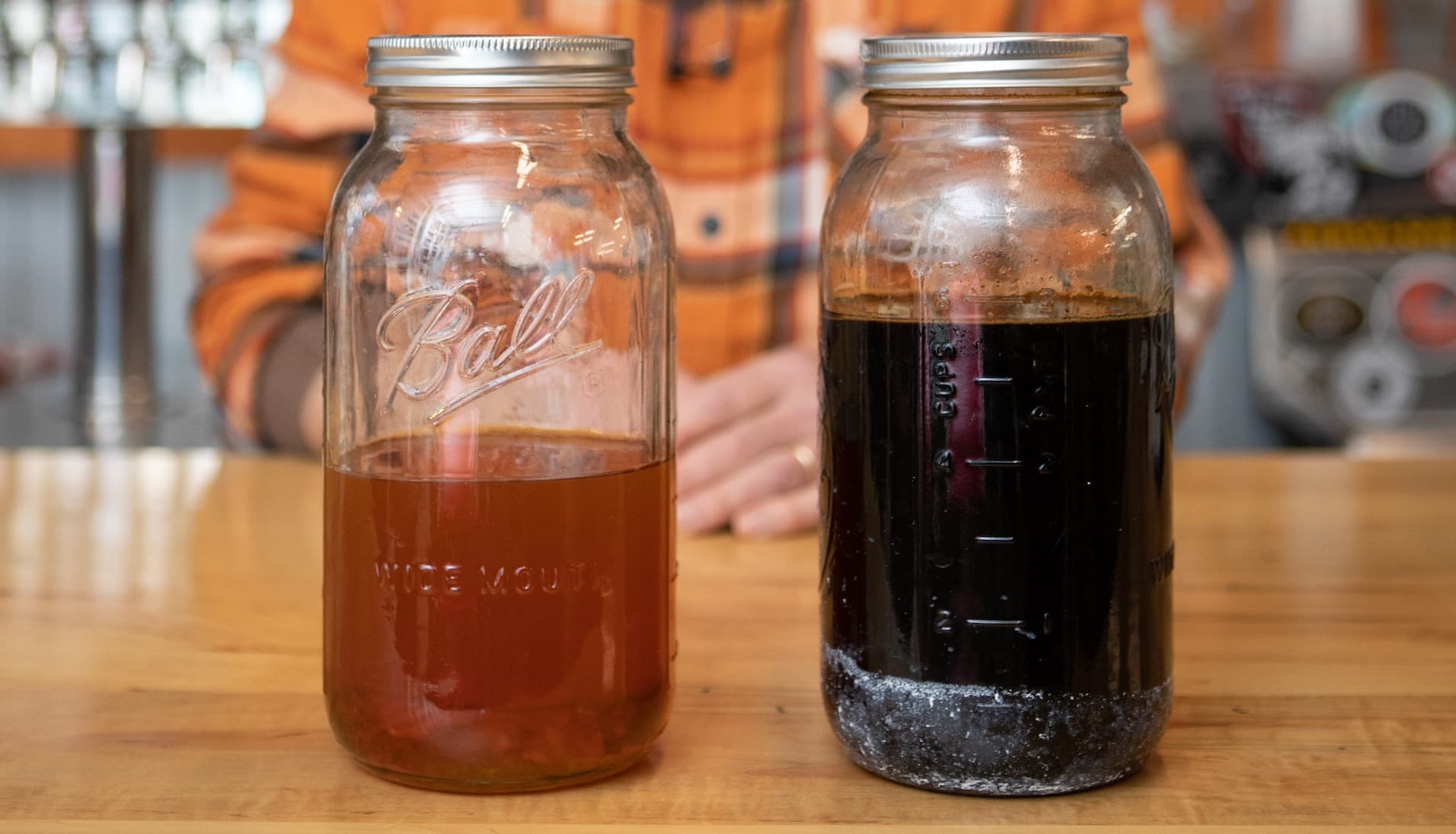
While it might be hard to find, Mike Karnowski of Zebulon Artisan Ales has some tips on brewing with invert sugar.
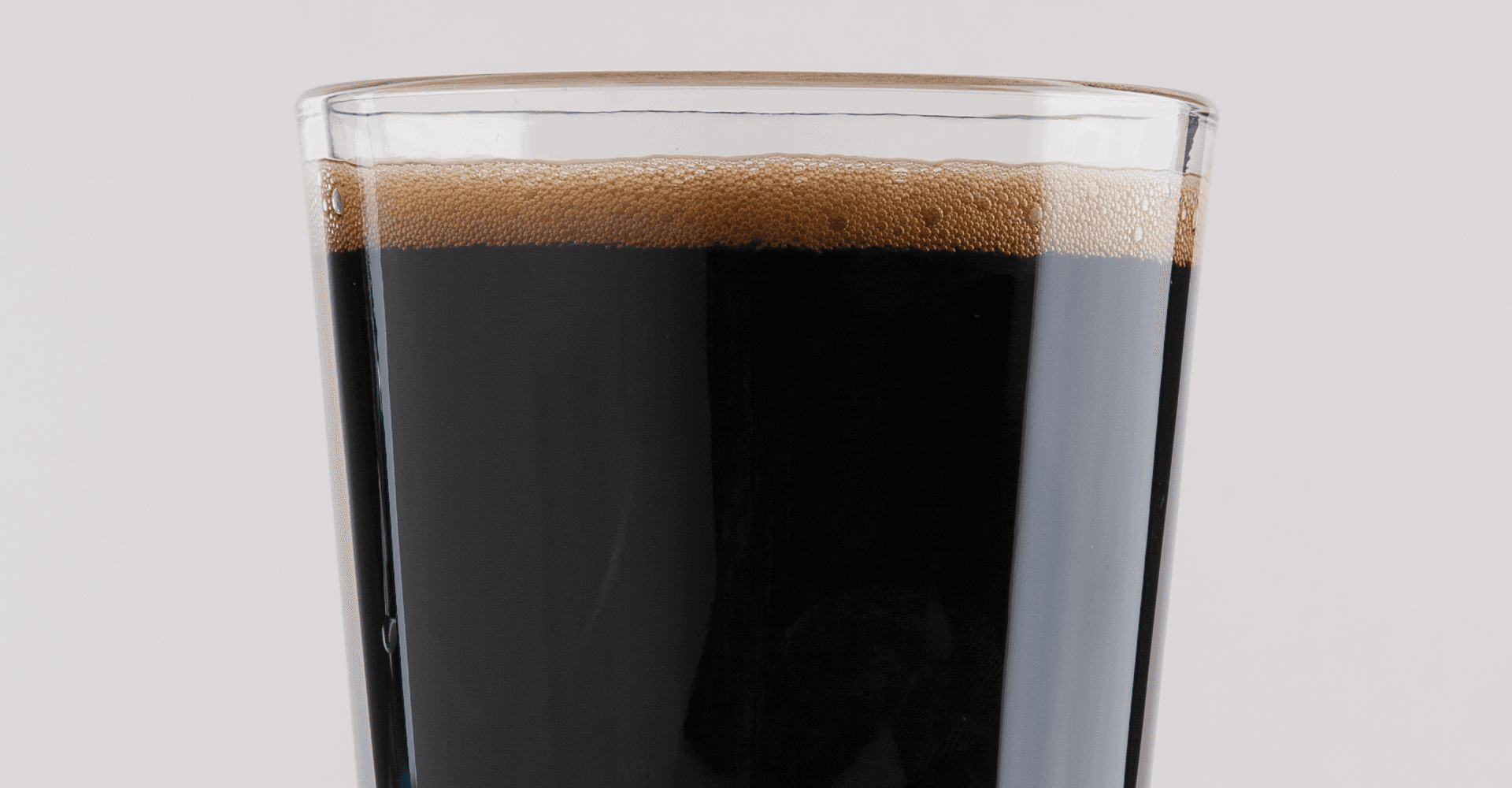
The key to making and drinking dark lagers is to remember that despite their color they should stay true to the lager hallmarks.
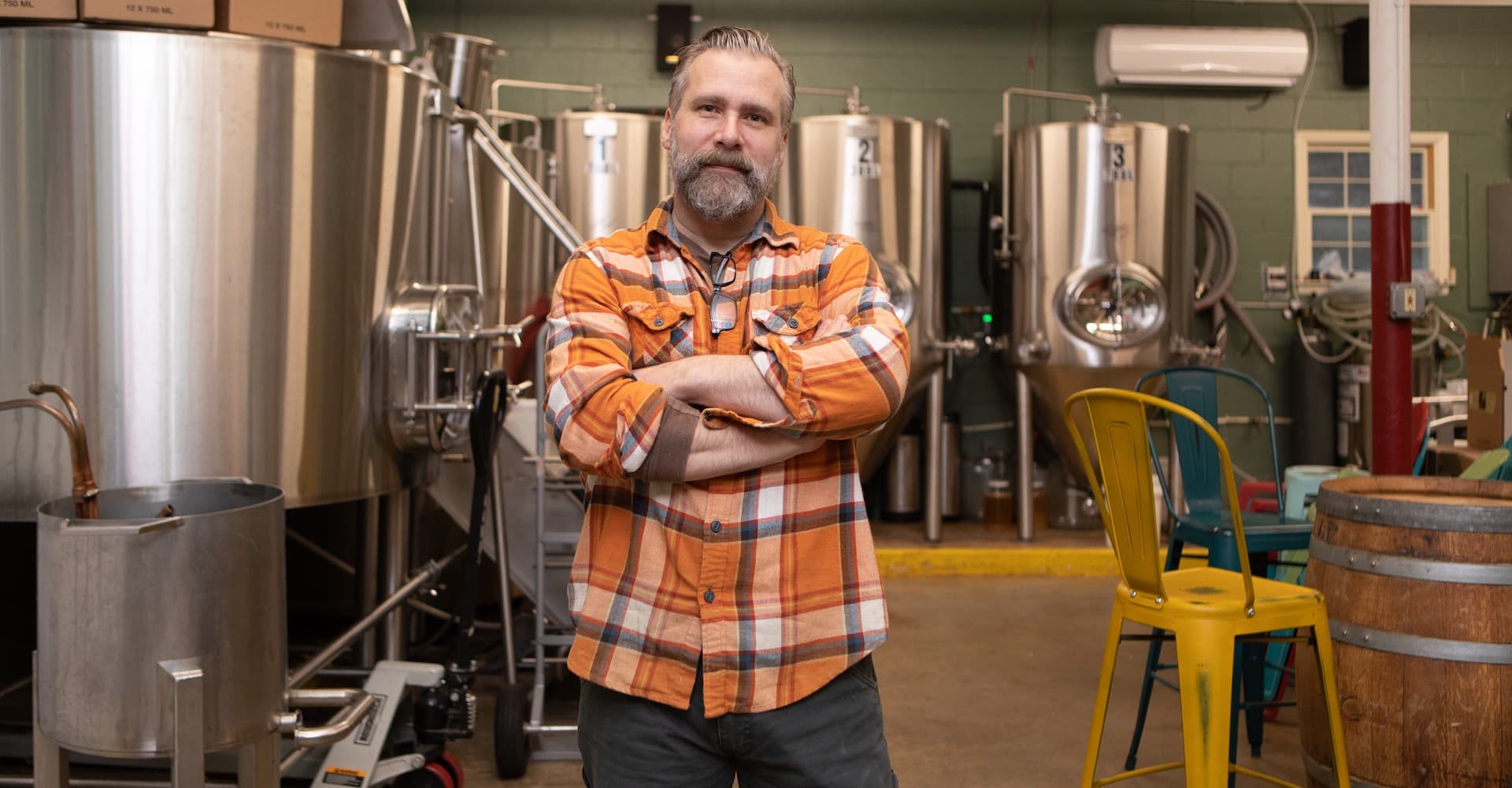
Zebulon Founder and lifelong brewer Mike Karnowski takes you through the history of 1700-1800's English brewing, followed by a demonstration of how to make your own brown malt, invert sugar, and brew a porter (circa 1880) using your new ingredients.

Before he and his two brothers founded Jack’s Abby Craft Lagers, Jack Hendler, the co-founder of Jack’s Abby Craft Lagers talks about his fondness for the darker side of the lager style, including schwarzbier and Baltic porter.