
Cooking with Beer: Dubbel Spiced Lamb Burgers
As grilling season begins in earnest, this burger brings a different dimension with Middle Eastern flavors and a splash of Belgian-style dubbel.

Showing 241-260 of 4564 articles
As grilling season begins in earnest, this burger brings a different dimension with Middle Eastern flavors and a splash of Belgian-style dubbel.

Fifteen years ago this week, Hill Farmstead in Vermont opened its doors to the world. In this ranging conversation, founder Shaun Hill discusses everything from the early development of hazy IPA and Brett experimentations in Farmstead Ale to intentional management philosophy and balancing mental and physical health with brewery work.

From sessionable milk stout to silky barrel-aged sippers, here are five brewer favorites certain to satisfy.
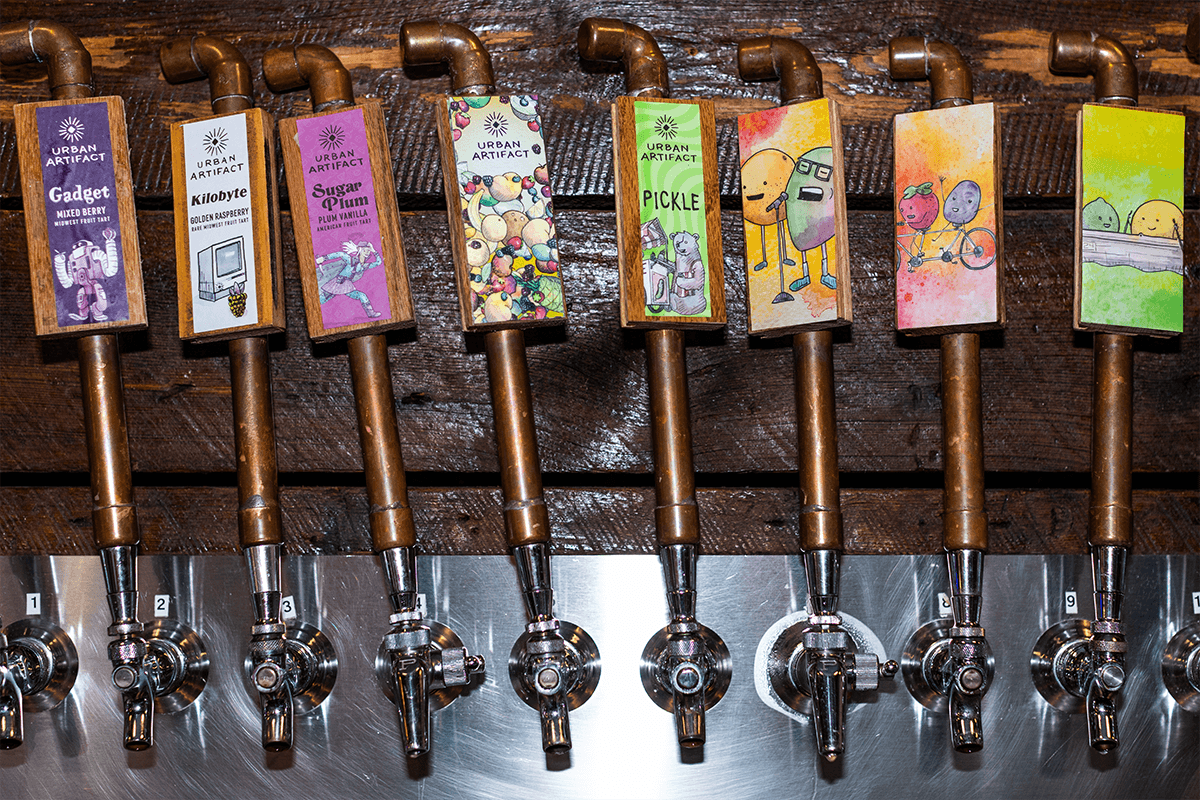
In this extended bonus clip from his video course, Urban Artifact cofounder and COO Bret Kollman Baker explains how to dial in acidity, sweetness, and a carefully managed fermentation for a fruit beer that excels.

Our Summer 2025 issue is here, dripping with hop oils and the latest useful intelligence for brewers anywhere who want to elevate their IPA game.

In today’s changing consumer and economic market, breweries need to optimize the performance of their assets and processes. The key to becoming a lean brewery is to use real-time data to streamline operations, cut costs, and grow smart. If your spreadsheets and system can’t keep up with the shelf, it’s time to rethink how your brewery runs—do more with less.

Innovation in the fermentation space shows no sign of slowing, as today’s yeast suppliers continue to expand the brewing world’s access to novel and functional yeast varieties—and delivered in better shape than ever before. Here’s a handful of yeast-related developments piquing our interest.

For American growers, planting fields of virus-free hops is a hedge against rapidly declining yields and the susceptibility of prized aroma varieties to viruses and viroids. But brewers have their own expectations—can these plants that get a healthier start deliver? This episode aims to answer that question, and more.

Yakima Chief Hops has shared a new tool for brewers to help streamline hop-usage calculations.

The team at Revolution in Chicago blends two threads of barrel-aged barleywine to produce their heralded Straight Jacket. Here’s a recipe for one of those threads, plus all the info you need to make the other one—or to make an unblended version.

Grab a coffee and check out an insider perspective on the Craft Brewers Conference from veteran chief revenue officer Dan Reese. He covers the surprising collaborations transforming the industry and reveals the strategic moves that separate survivors from casualties. The industry’s evolution is happening now—are you prepared?

Learn how different grades of filters stack up in various American Society of Brewing Chemists (ASBC) methods to ensure the consistency and safety of your beer. Key tests include removing turbidity from wort, removing carbon dioxide from finished beer, and removing yeast cells after fermentation, as well as microbiological testing using membrane filters to detect spoilage organisms.

The world’s best oak-aged beers begin with careful hot-side considerations. Here’s how some of today’s leading brewers design stouts and barleywines to maximize success inside the barrel, and beyond.

For a simple yet impressive springtime meal: These noshable, sweet-savory quail halves marinated in porter and molasses meet for lunch with some mixed greens drizzled in bock vinaigrette.

The small brewery about an hour outside of Indianapolis strikes a cool and edgy pose in its tiny town surrounded by agricultural fields, but the nuance and polish of their beer has found fans across the state (and amongst our magazine’s blind judging panel).

How John I. Haas is minimizing variability and maximizing consistency with Sensory Plus™.

From award-winning homebrewer Annie Johnson, this partial-mash recipe for a lightweight porter—at 3.5 percent ABV—demonstrates how you can pack plenty of malt flavor into a low-strength beer.

Brewers already navigating fast-changing market conditions are now struggling just to track down ingredients. Sourcing malt, hops, and yeast locally can make all the difference in building a stable, transparent supply chain.
Rich in malt flavor yet light in strength and easy to drink, lower-ABV stouts, porters, and other dark beers represent a wide-open playground for brewers at any level.
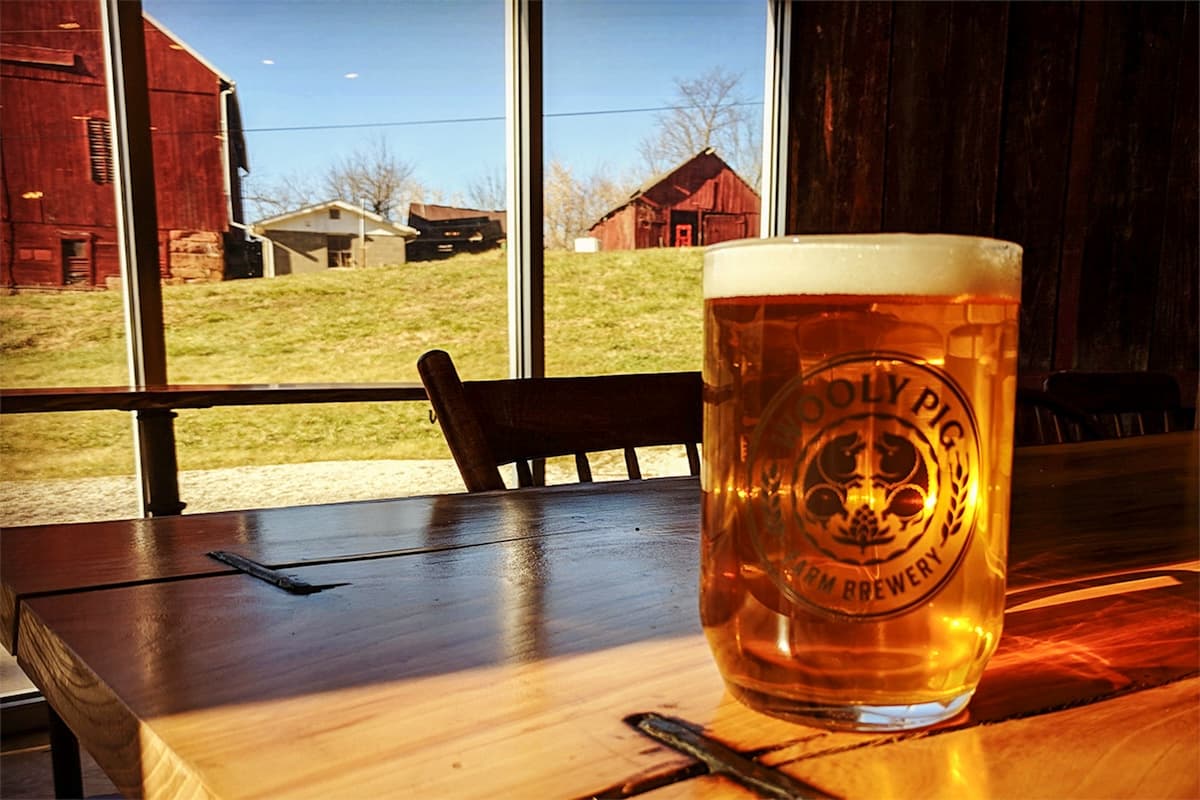
Kevin Ely, brewer and cofounder of the Wooly Pig Farm Brewery in Fresno, Ohio, shares this recipe for his unfiltered German-style pilsner—light, fresh, floral, and subtly malty, with a moderate bitterness. Plus: See the notes for why he prefers an unusually thin mash for this beer.