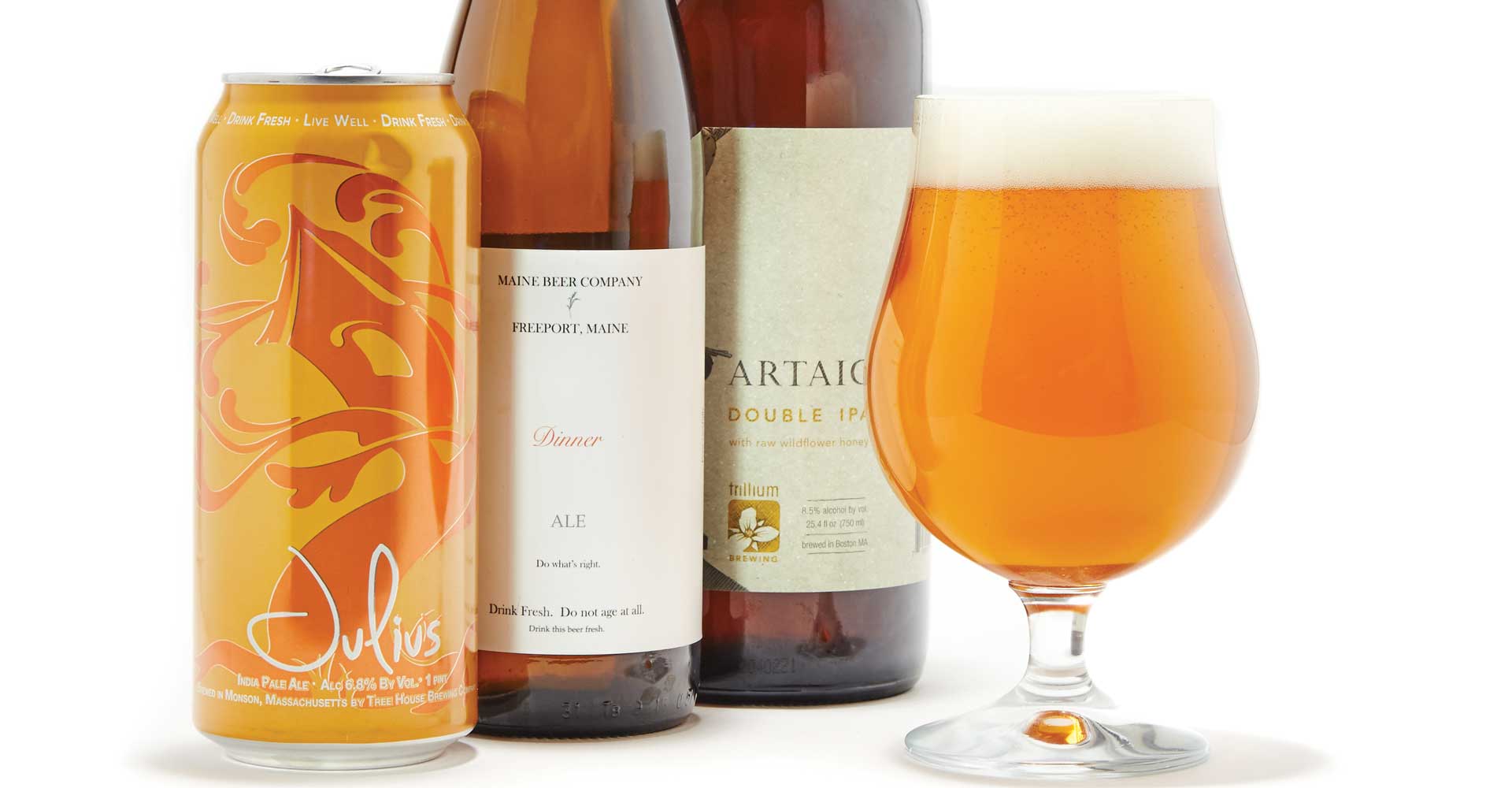
The IPAs of New England
New England IPAs are big beers, there is a definitive haze to the beer, and brewers embrace the big, bold hops flavors rather than the bitterness of the India pale ales of the past.

Showing 3441-3460 of 4625 articles
New England IPAs are big beers, there is a definitive haze to the beer, and brewers embrace the big, bold hops flavors rather than the bitterness of the India pale ales of the past.
Local ingredients made saison what it was, and while we tend to think of that in terms of yeast, grains, and spices, there’s no reason to exclude hops from that list.
In The Cellar columnist Patrick Dawson doesn’t just brew beers to age, as evidenced by this flavorful fruit-forward IPA that he’s designed and brewed.
While some professional brewers have gone on record as outspoken critics of the New England–style IPA, others have embraced it wholeheartedly. We asked a few brewers who were sympathetic to the style to share some of their favorites.
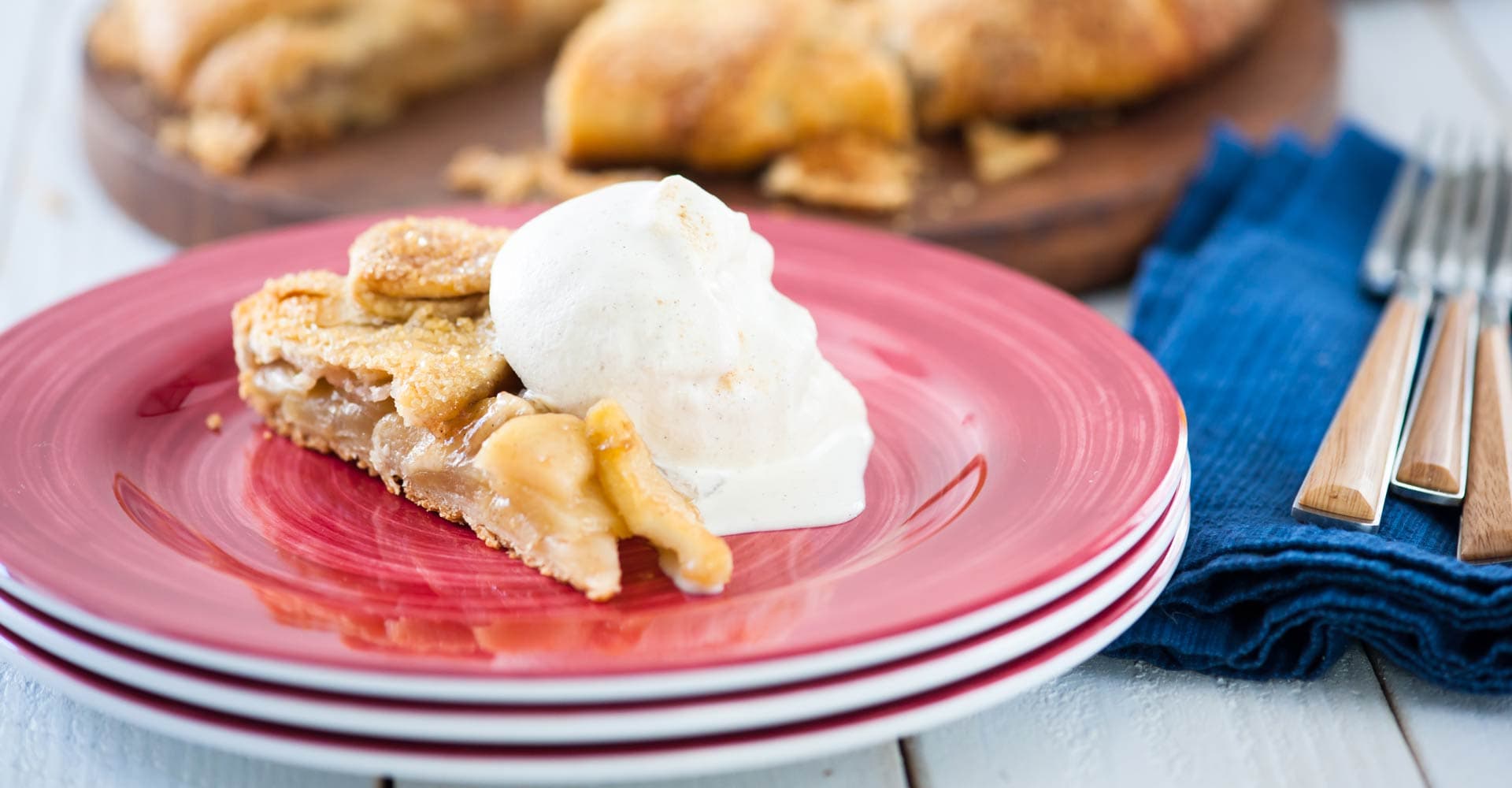
Our galette recipe combines the crisp, tart Granny Smith apple with the spiciness of an IPA, creating a combination that will make everyone want to come back for seconds.
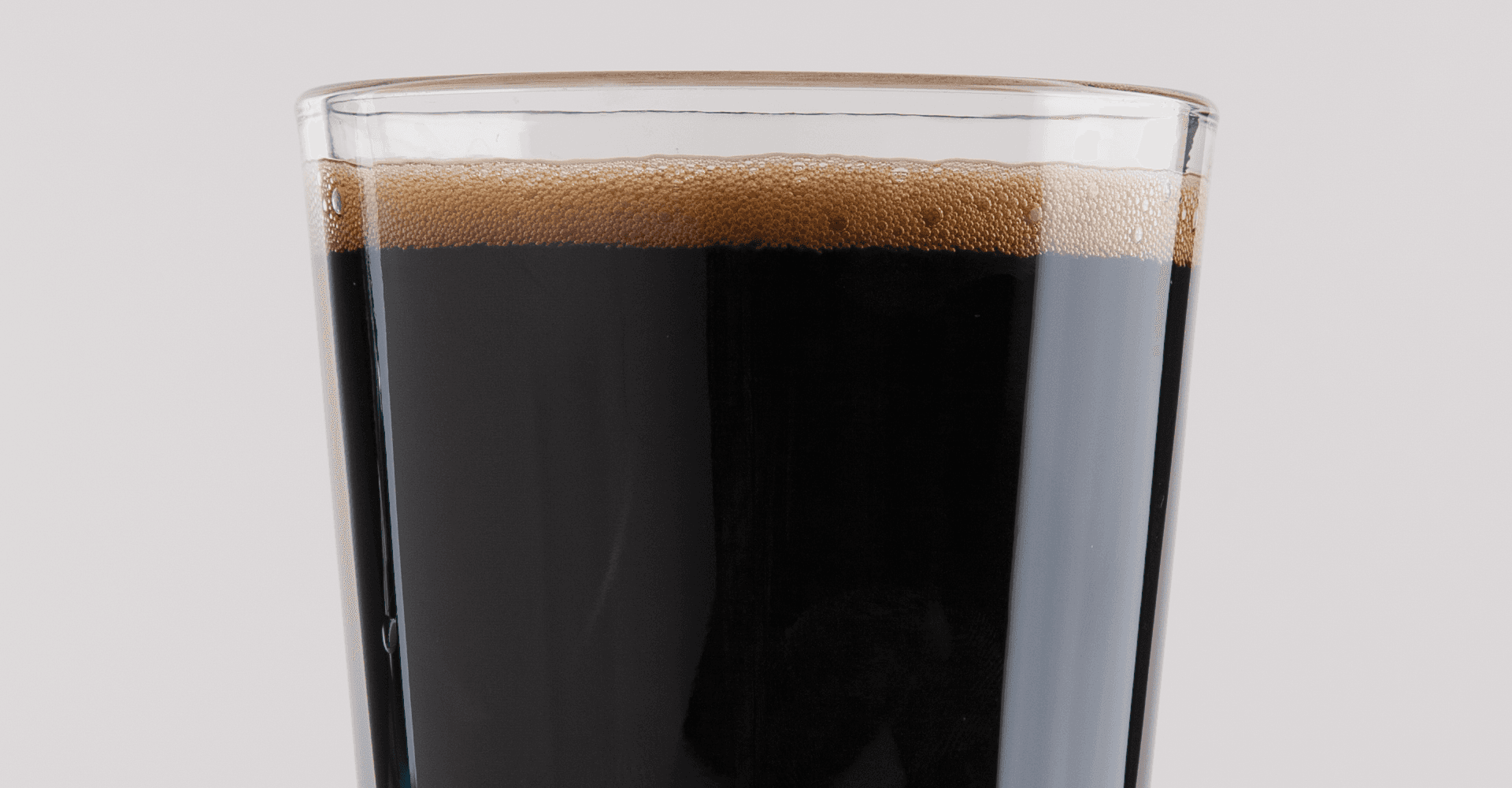
This is a sweeter milk stout recipe that CBB staffer Libby Murphy has had fun experimenting with. Despite its name, there aren’t actual almonds in the recipe, but the flavor magically works itself into the mix.
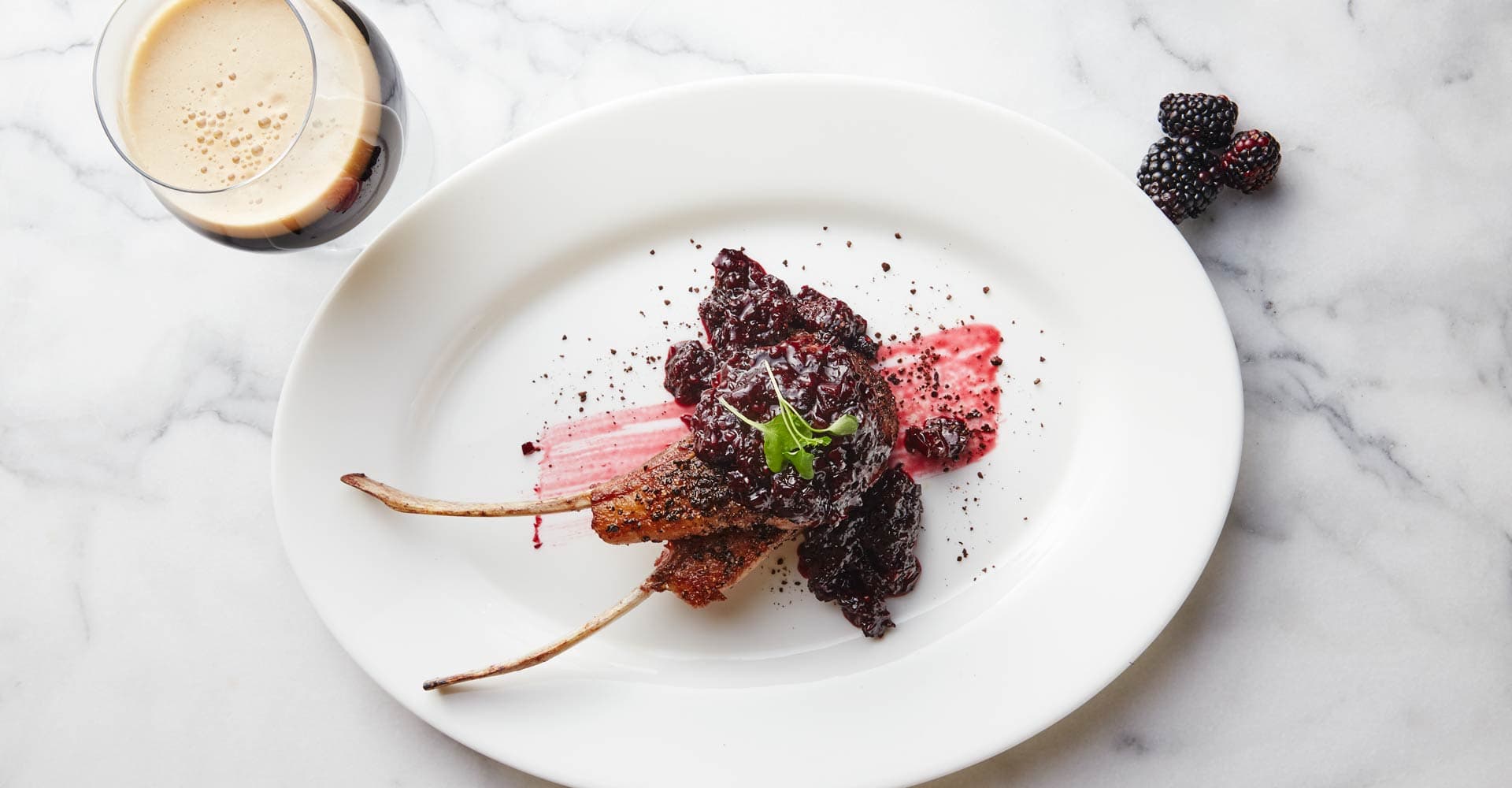
The stout in this recipe is a robust complement to the blackberries, and—depending on the style you choose—can add some very interesting flavors!
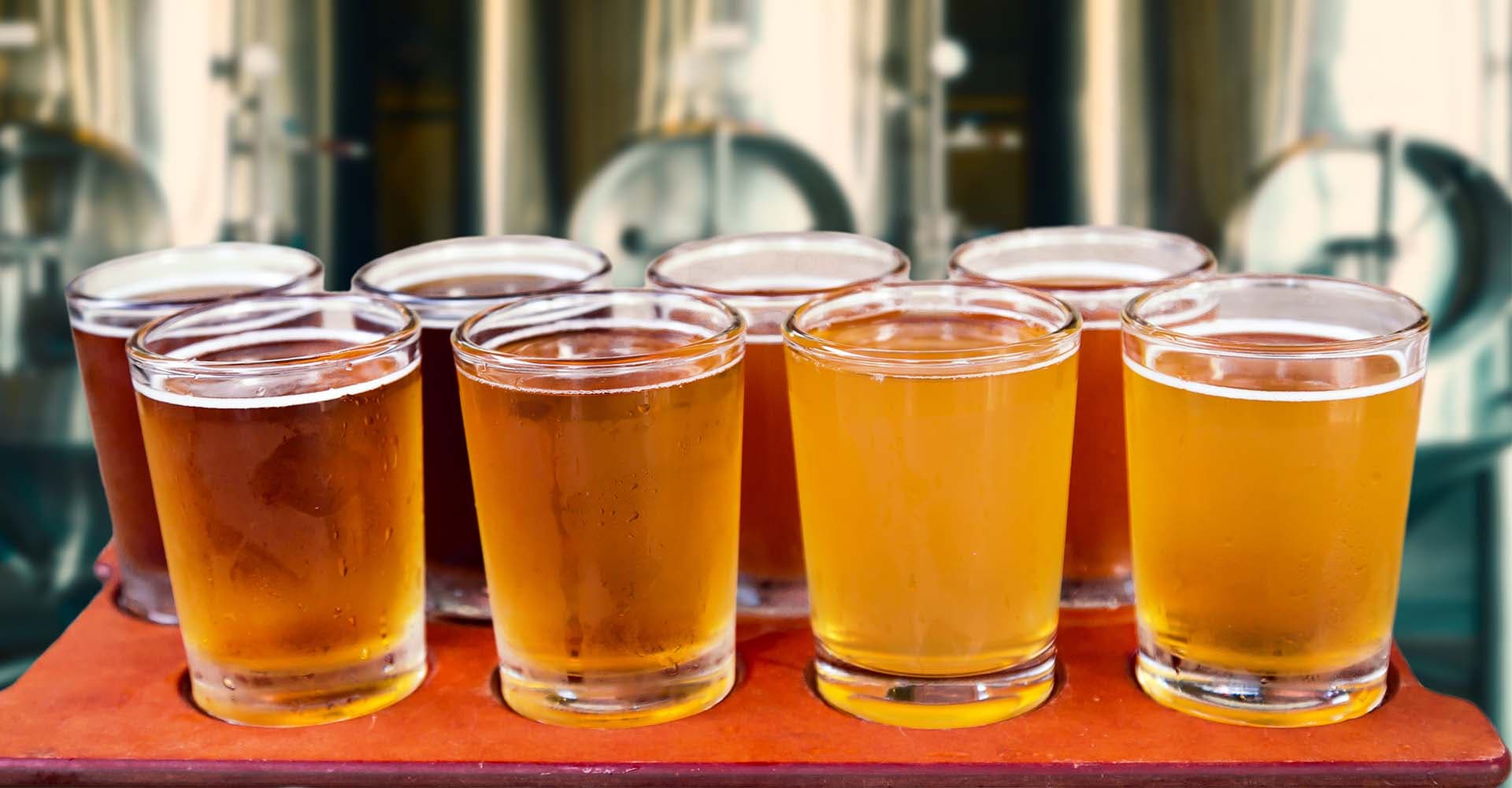
Developing experiments can help dial in recipes and create more interesting flavors in your beer. Long-time homebrewer Jester Goldman suggests three experiments to get you started.

Adding aromas to your beer using late hops additions can be done a few ways. We show you how in this video tip of the week!
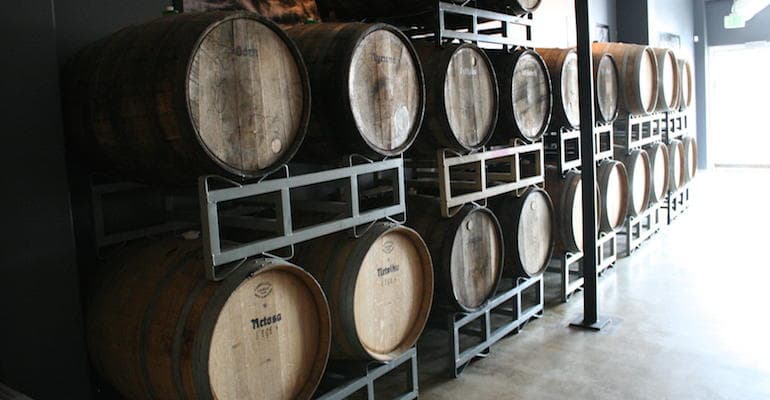
Here are a few hippie- and metal-influenced breweries to seek out.
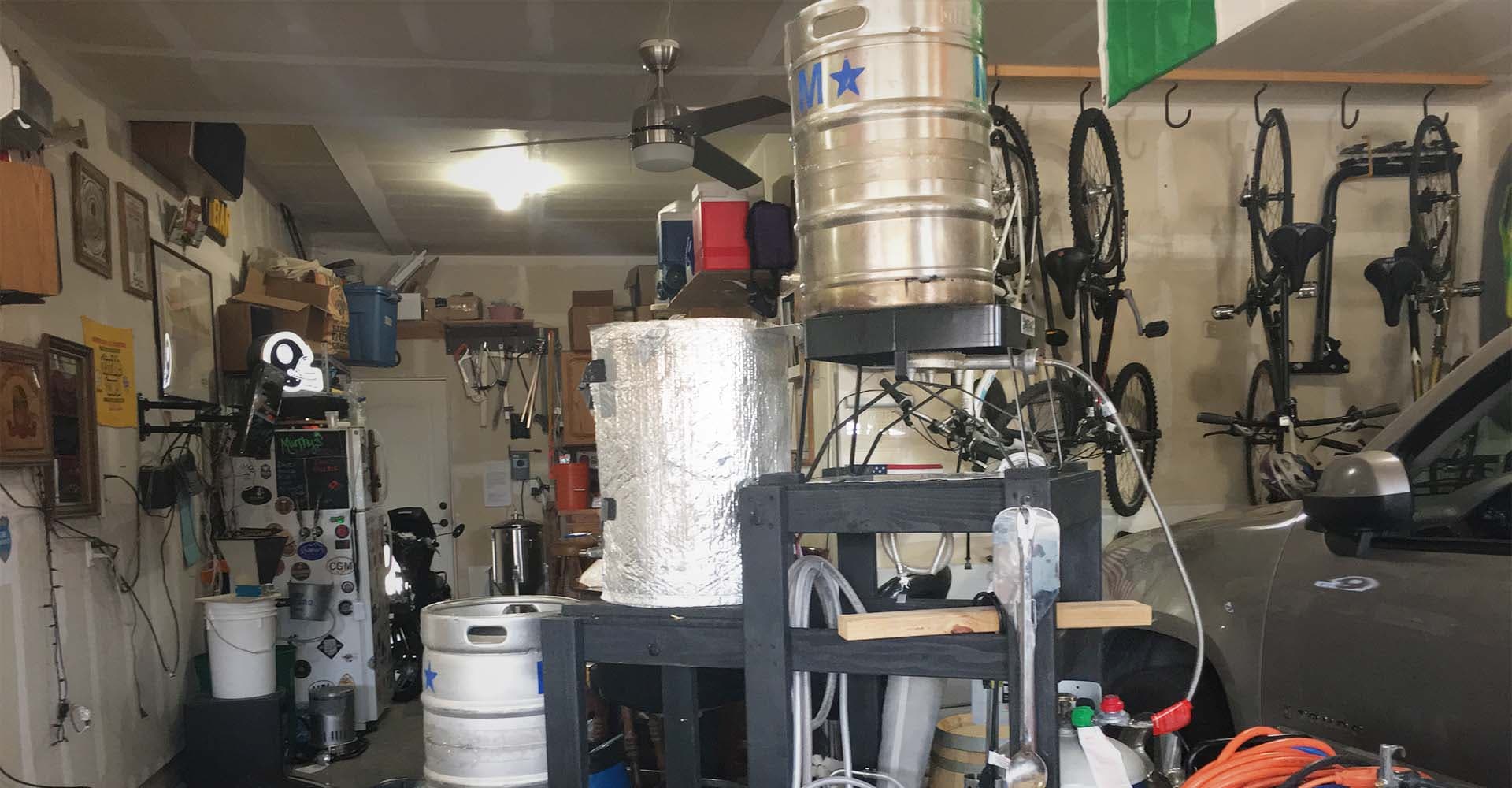
Everybody's brew system is different. Our editorial assistant, Libby Murphy, shares hers!
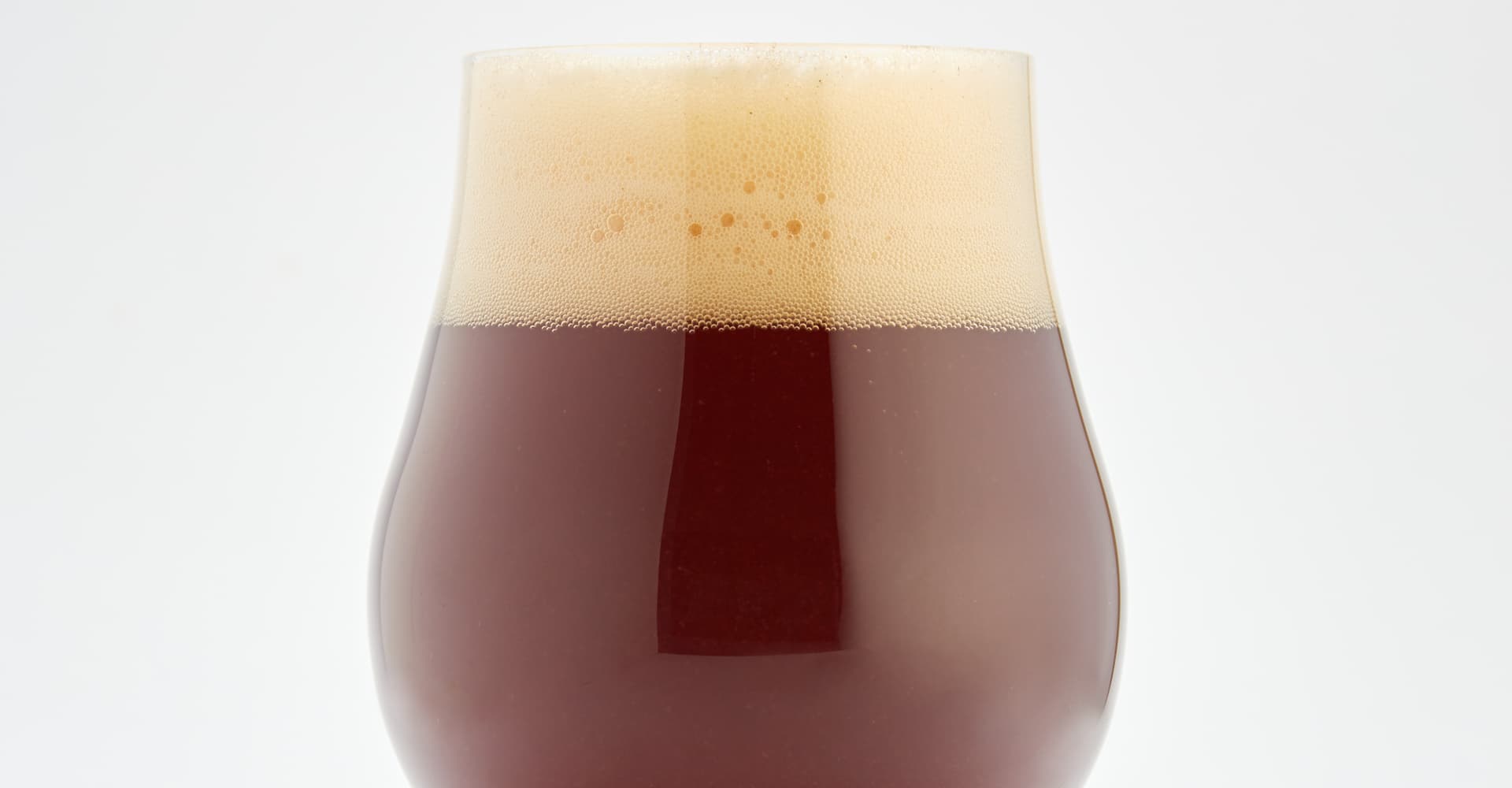
Belgian specialty malts make The Reverend the perfect beer for homebrewers who love malty beers.
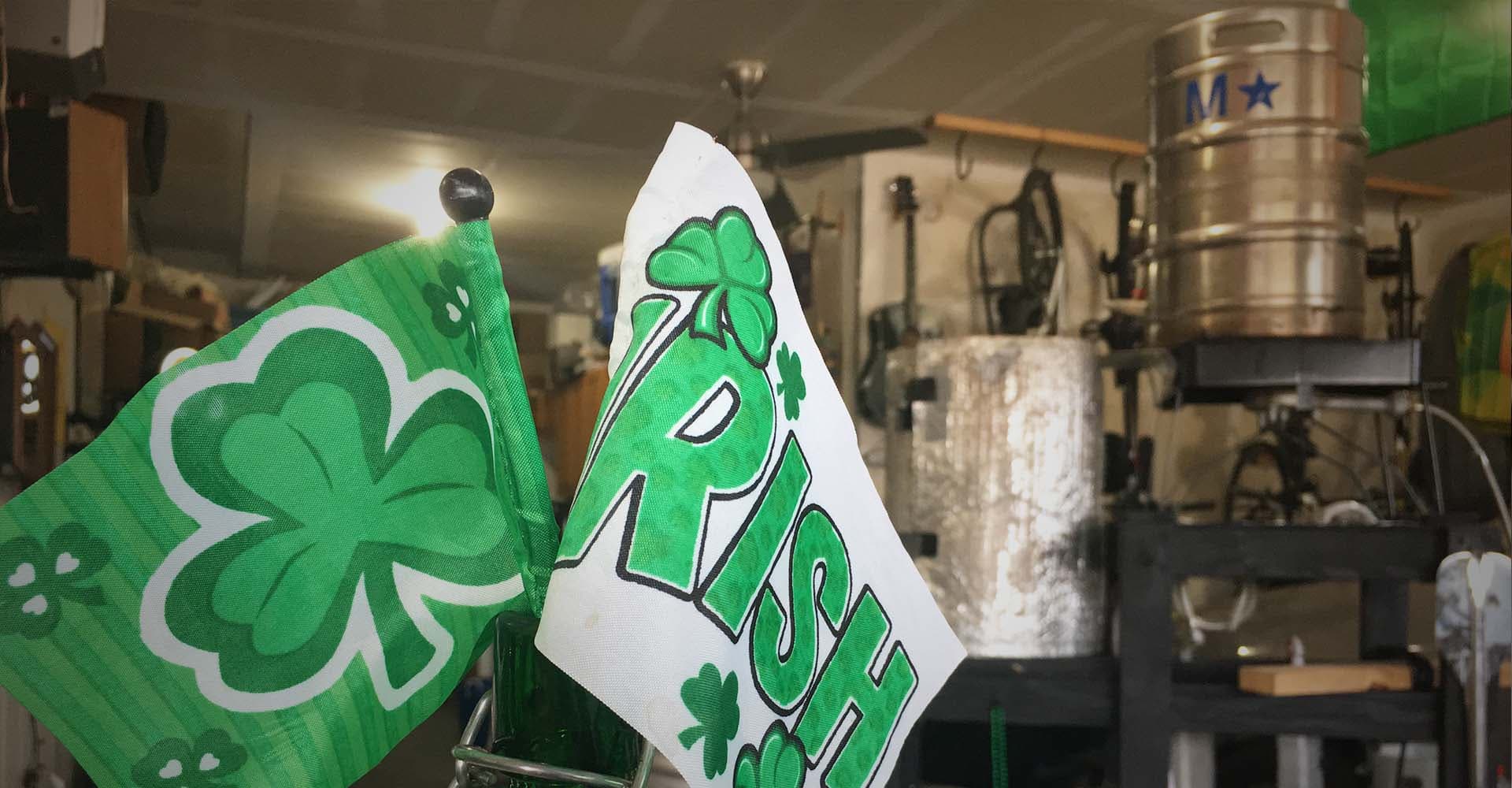
While your friends are out drinking St. Paddy’s Day beers, why not spend a day at home brewing for the occasion? We’ve compiled highlights on how to brew your best Irish red ale and dry Irish stout and have pulled together some recipes to get you started!

The culture of waiting in line for new and limited releases is an anomaly in the history of beer but not necessarily the cultural outlier in American commerce that some make it out to be.
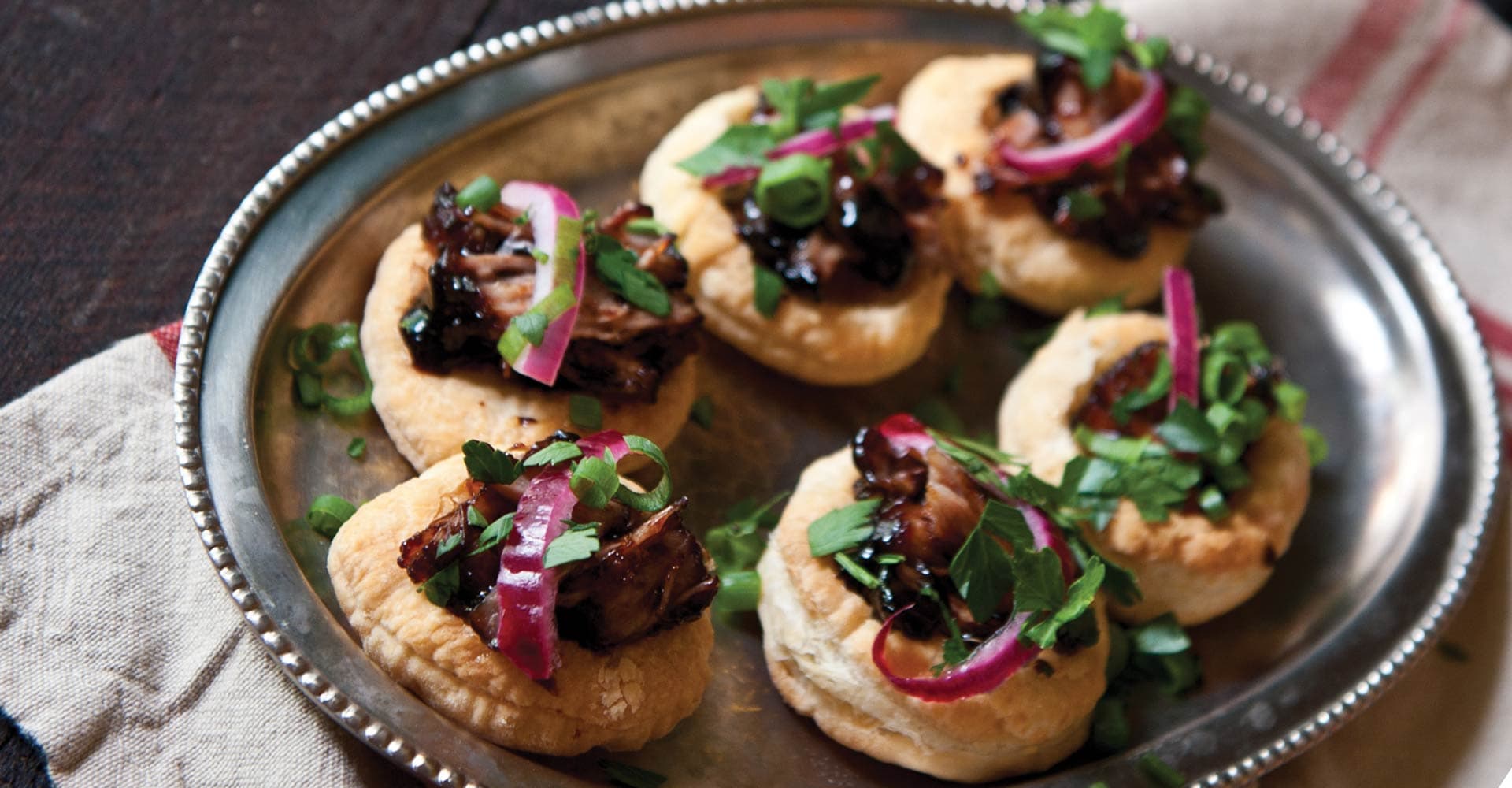
Look for a bold, spicy stout (an imperial stout or an espresso stout) to stand up to the hoisin in this recipe.
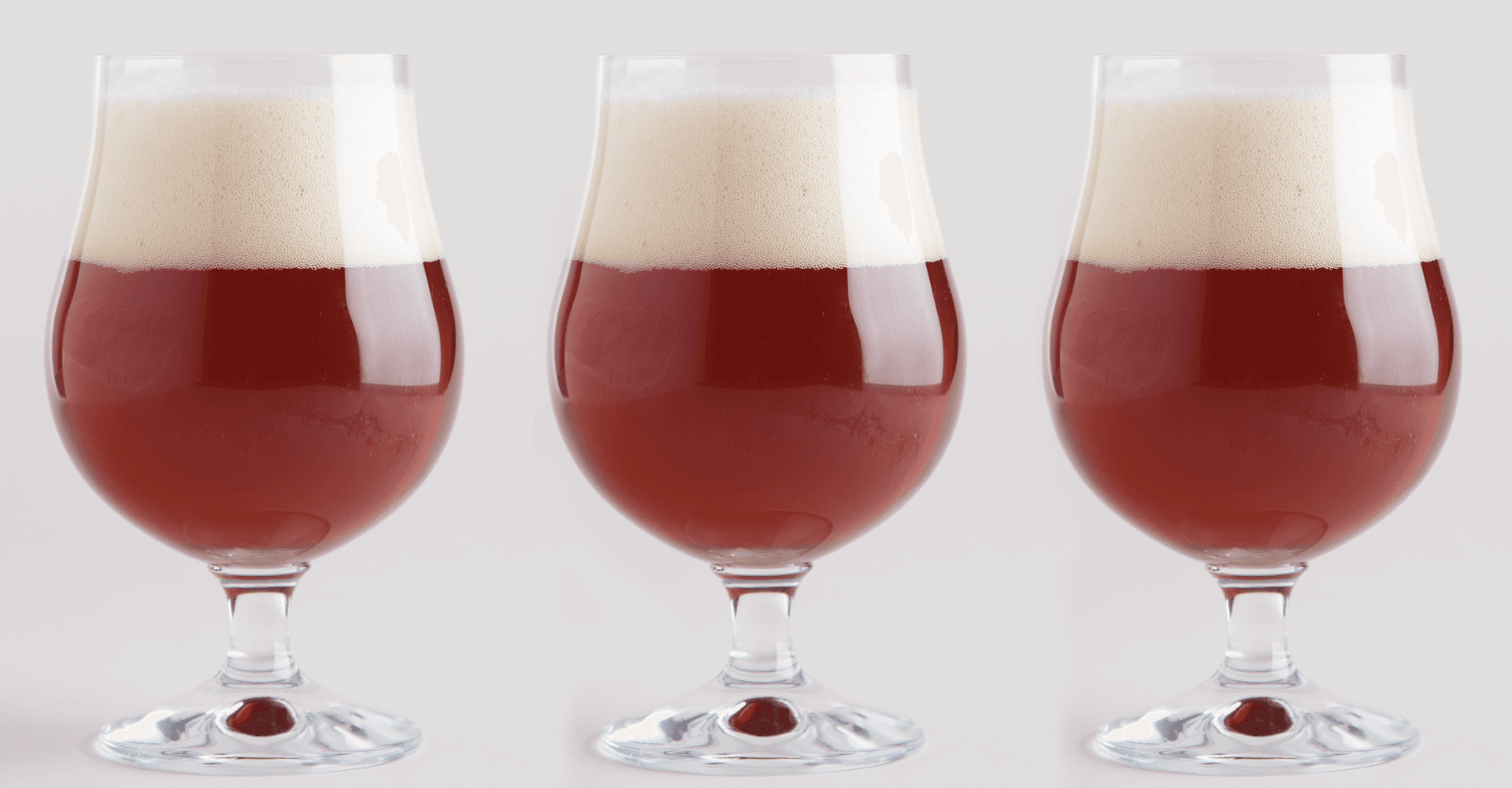
The Rauchbier is a smoky style of lager that has some surprising ingredients. Longtime homebrewer Josh Weikert walks you through the steps to make your best.
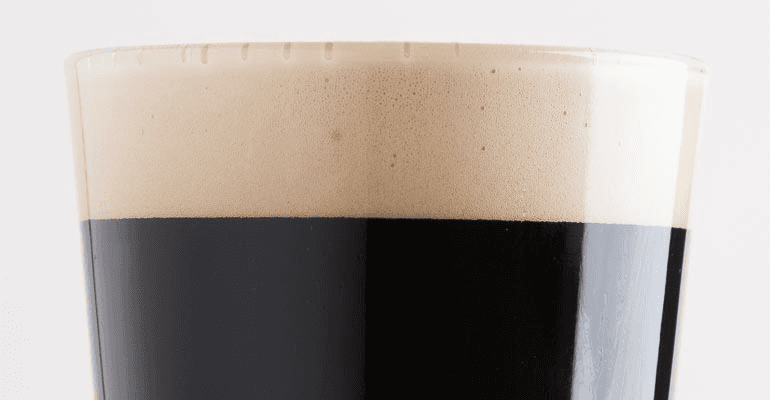
Geoff Coleman’s award-winning oatmeal stout delivers a complex mouthfeel with flavors of coffee, roasted malts, and a balanced sweetness over a medium smooth body.
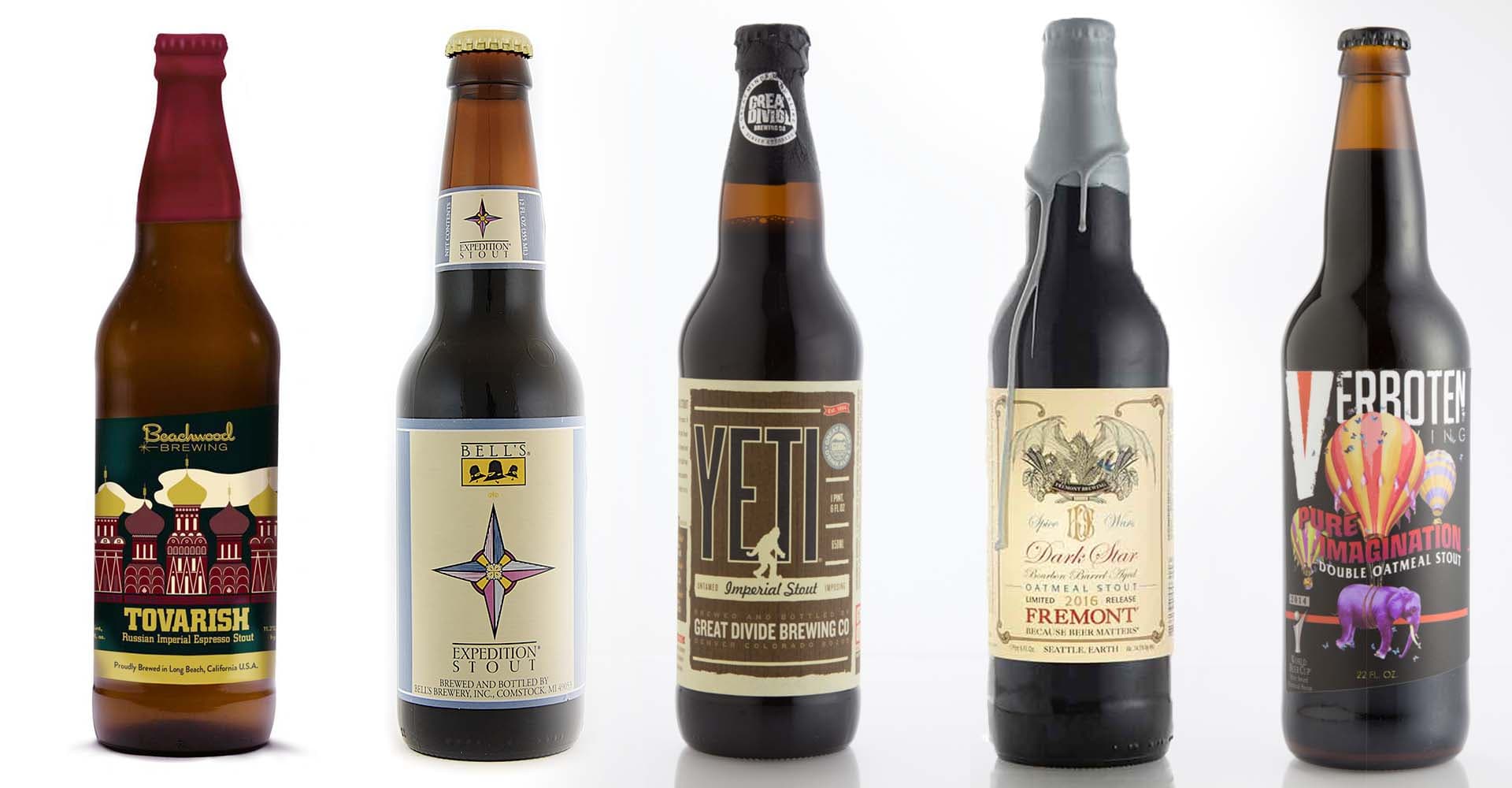
Despite the fact that we put no style restrictions on the five brewers we asked, every one came back with an imperial stout. Read on to see what these brewers are drinking when they’re not drinking the beer they make.
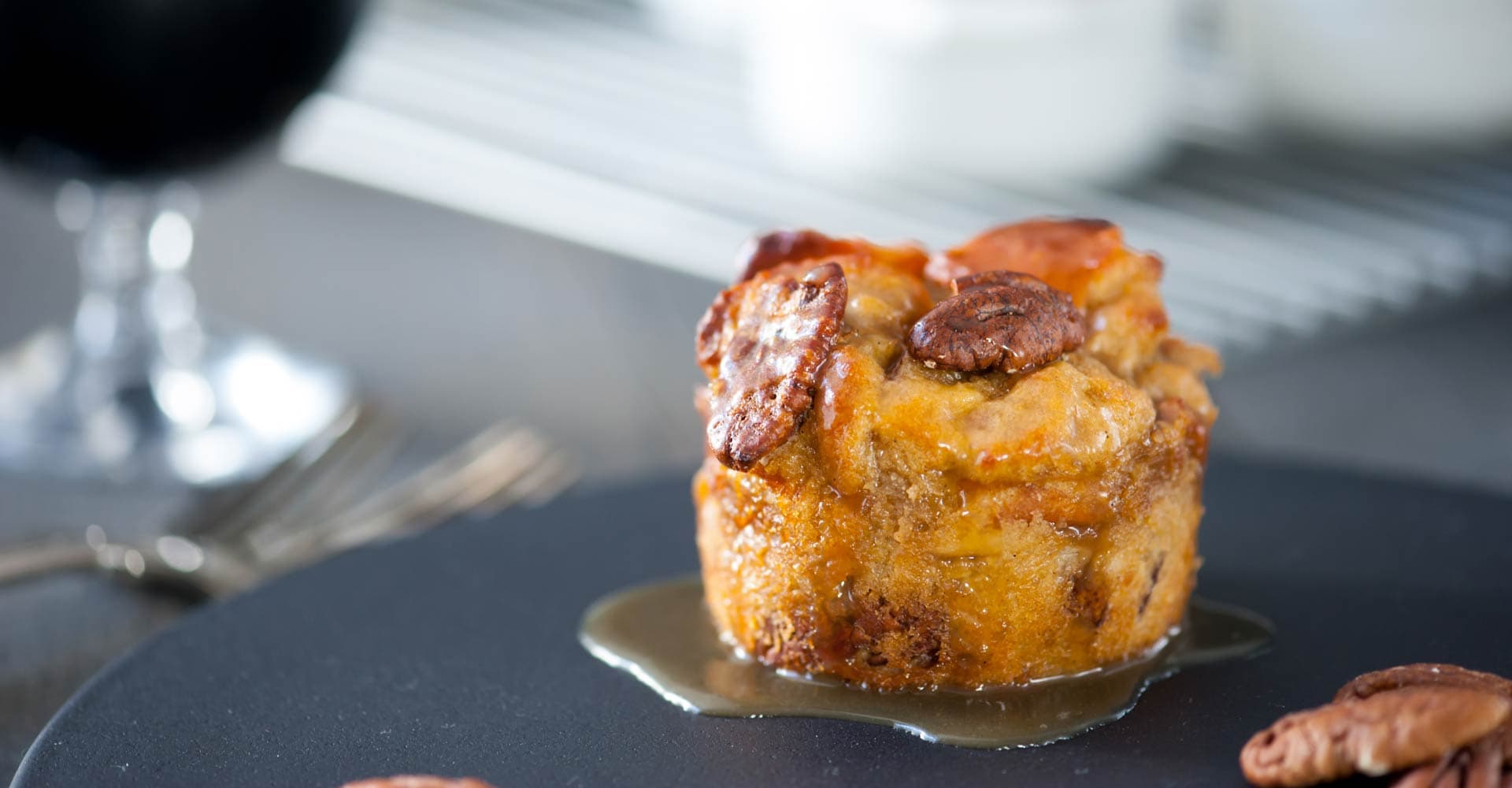
It’s not uncommon to incorporate rum or bourbon in bread pudding, but in this case, we use an imperial stout for an added bit of decadence. The high alcohol content adds a bit of bite, complementing the sweetness of the dessert.

Experimenting with your brewing is a great way to ramp up your game, but one way to really know how well you’ve done is to get others to help you by participating in a blind-tasting panel. Longtime homebrewer Jester Goldman walks you through the basics.