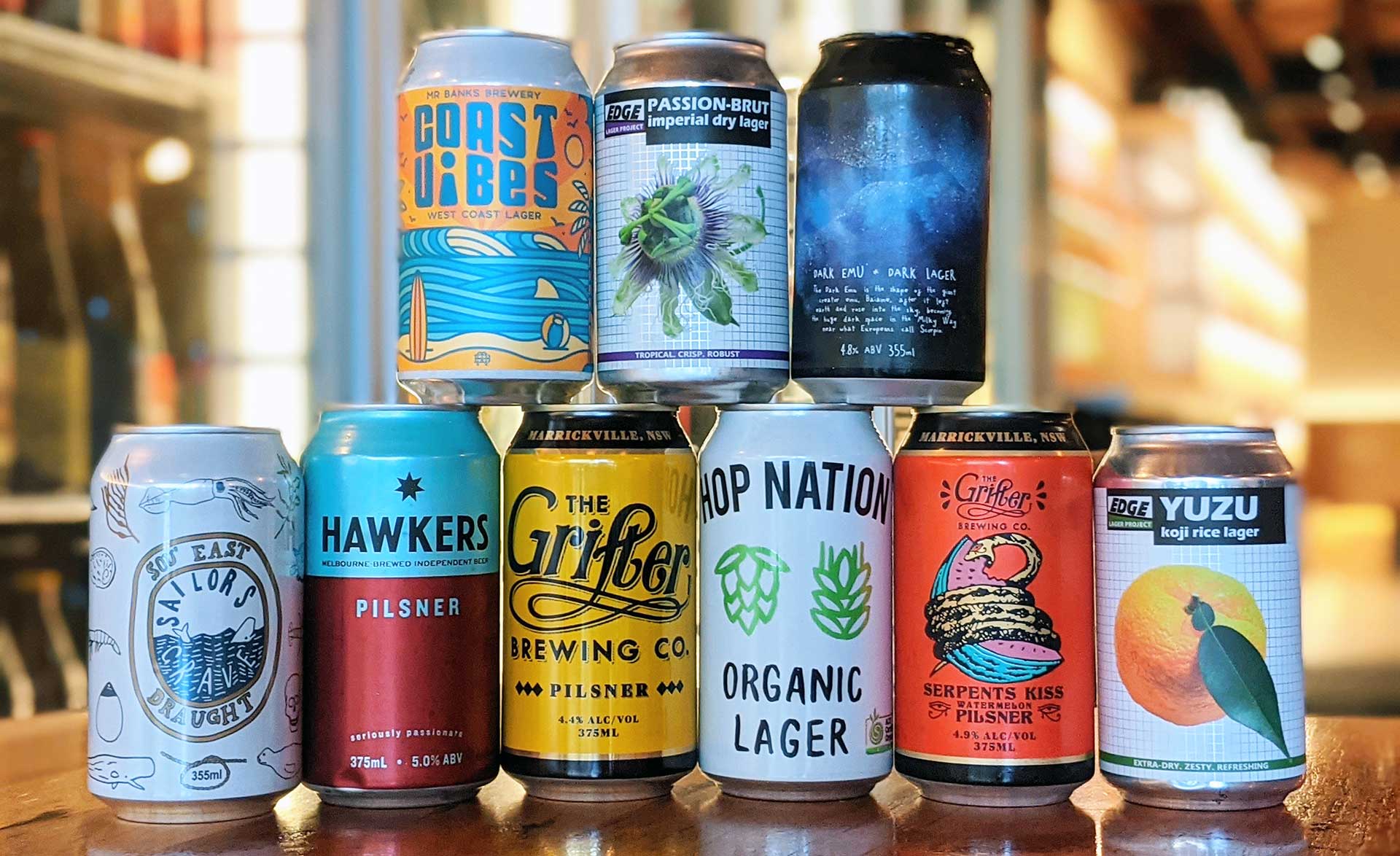
Rediscovery: A Look at the Renaissance of Craft Lagers in Australia
Brewers and a yeast producer explain how and why lager is reclaiming a place in the hearts and minds of craft beer drinkers across Australia.

Showing 1641-1660 of 4636 articles
Brewers and a yeast producer explain how and why lager is reclaiming a place in the hearts and minds of craft beer drinkers across Australia.
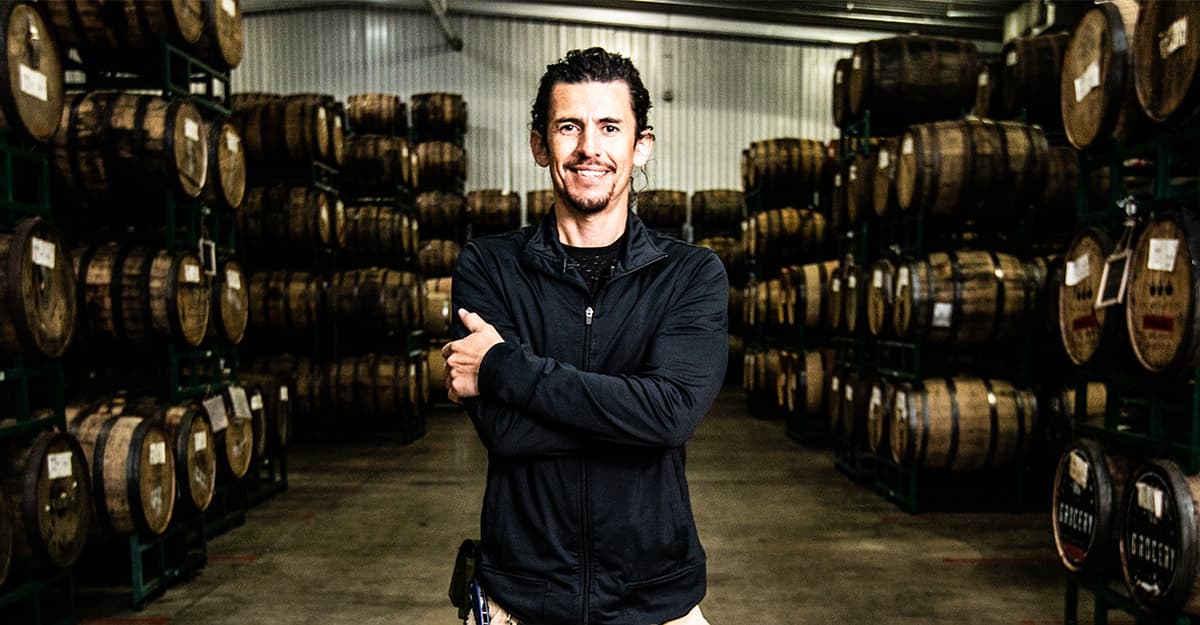
Getting beer out of the barrels and processing it into brite tanks involves constant monitoring and multiple lab tests at Firestone Walker—and maybe just a bit of tasting and celebration, as Eric Ponce explains.

Also known as Myrica gale, this mud-loving shrub was once a key ingredient in the unhopped ales of medieval Europe—and it has a unique character worth considering for your beers.
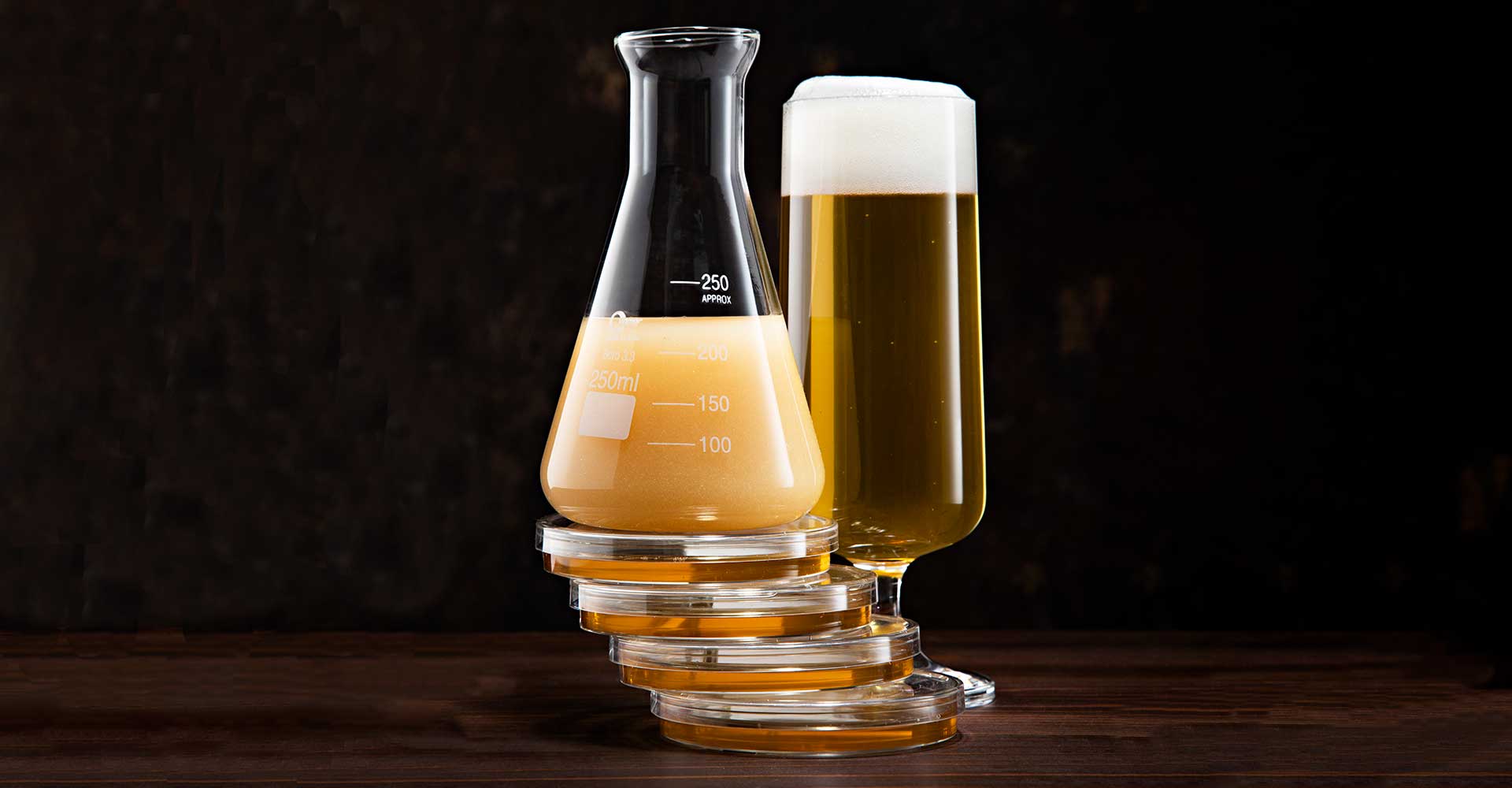
Even homebrewers who consistently ace their ales can get intimidated by the prospect of fermenting a lager. Here, Josh Weikert demystifies what makes it different and shares advice from some pros.
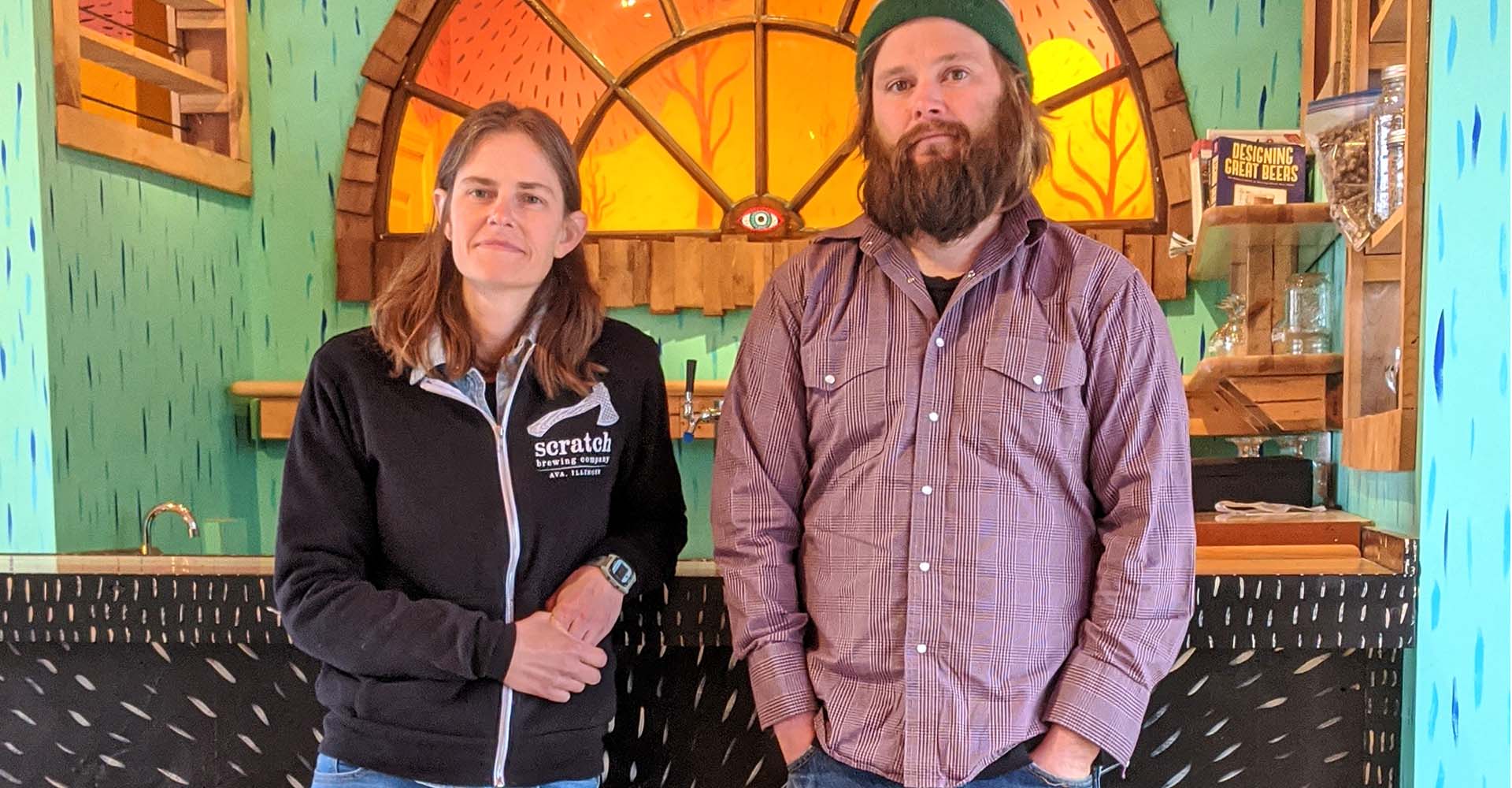
In rural southern Illinois, Scratch may be America’s most compelling example of farmhouse brewing. In this episode, the cofounders explain their methods for adding natural, foraged ingredients, as well as the work-intensive process of wood-fired brewing.
Besides a hearty embrace of spicy Saaz hops, this partial-mash recipe for a Czech-style pilsner includes a method for pressurized fermentation in a corny keg.
Die-hards will say you need to go all-grain to brew a great pilsner. They’ll also say you need strict temperature control. That’s fine—we don’t have to share our beer or our tricks with them.
It’s time to think long-term, and to outfit those who want to support your brewery. How will you tell your story?

The founder and brewer of Chicago’s Keeping Together selects an experience-driven six-pack that transports her back to cherished moments in time.
In moderation, oxidative flavors can add welcome depth to barrel-aged barleywines and other strong ales. One way to get there, explains Firestone Walker’s Eric Ponce, is via careful blending of younger and older beers.
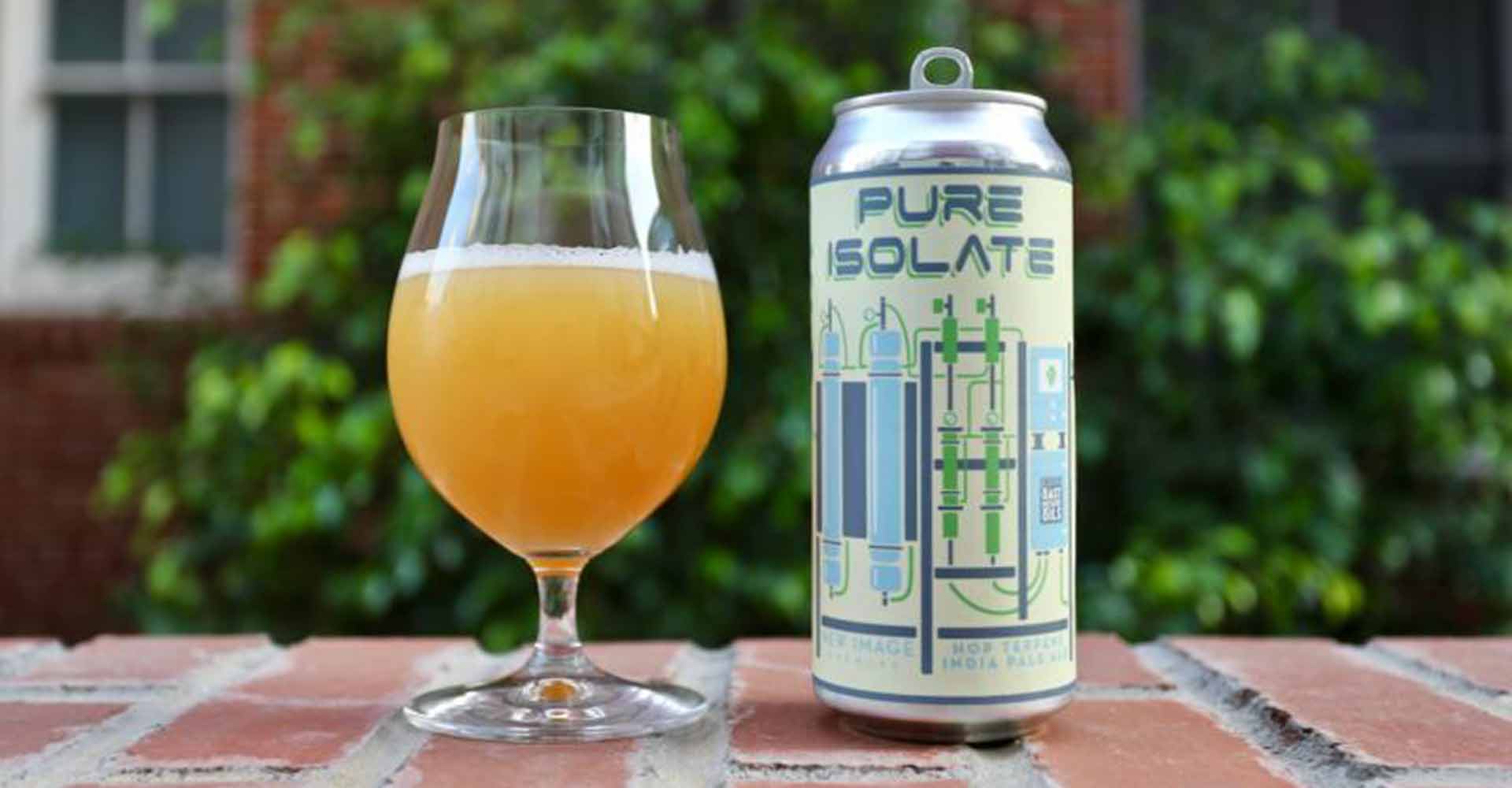
Courtesy of New Image founder Brandon Capps, here is a homebrew-scale recipe for Pure Isolate, a hazy double IPA that makes use of liquid hop terpenes.
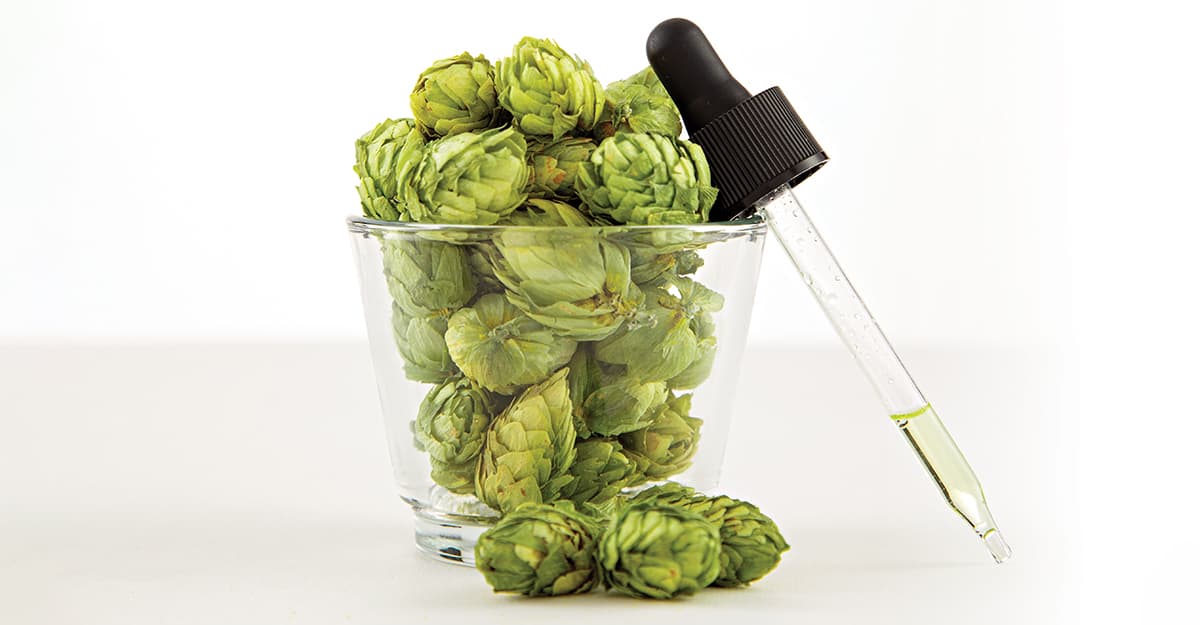
Brewers are in the early days of experimenting with liquid hop terpenes—incredibly potent isolates of aromatic compounds that can deliver a big boost to the IPA bouquet.
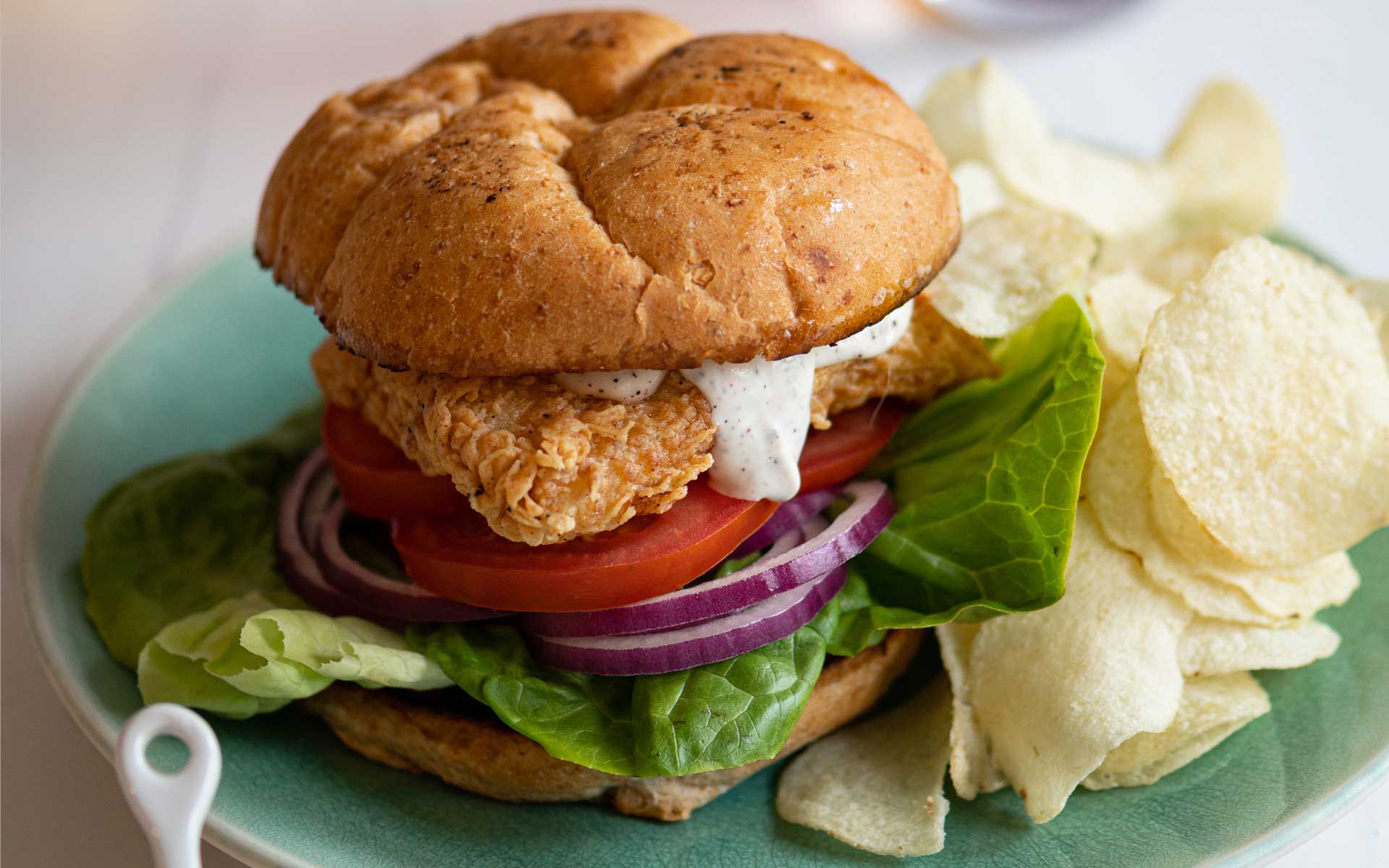
Your favorite hazy-juicy pale ale or IPA gets into the batter to brighten up a fried fish filet, while spicy sumac plays a similar role in the mayo.
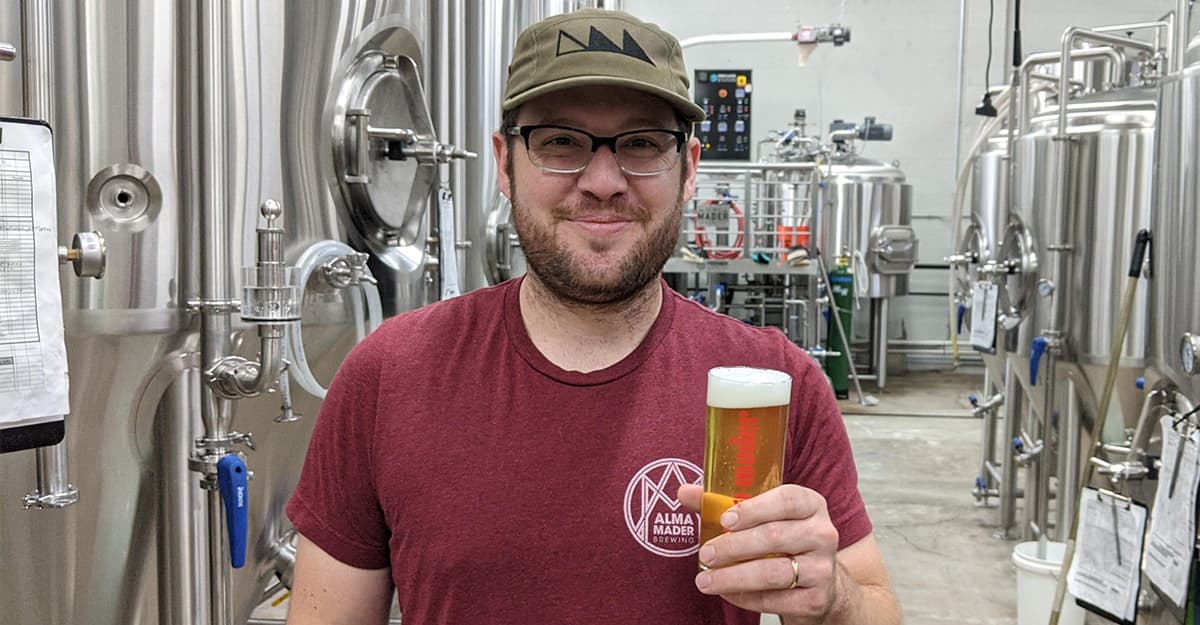
Simultaneously pursuing great lagers alongside a two-pronged approach to hazy IPA—with both sweeter and drier iterations—has established this Kansas City brewery as a creative force in the Midwest.
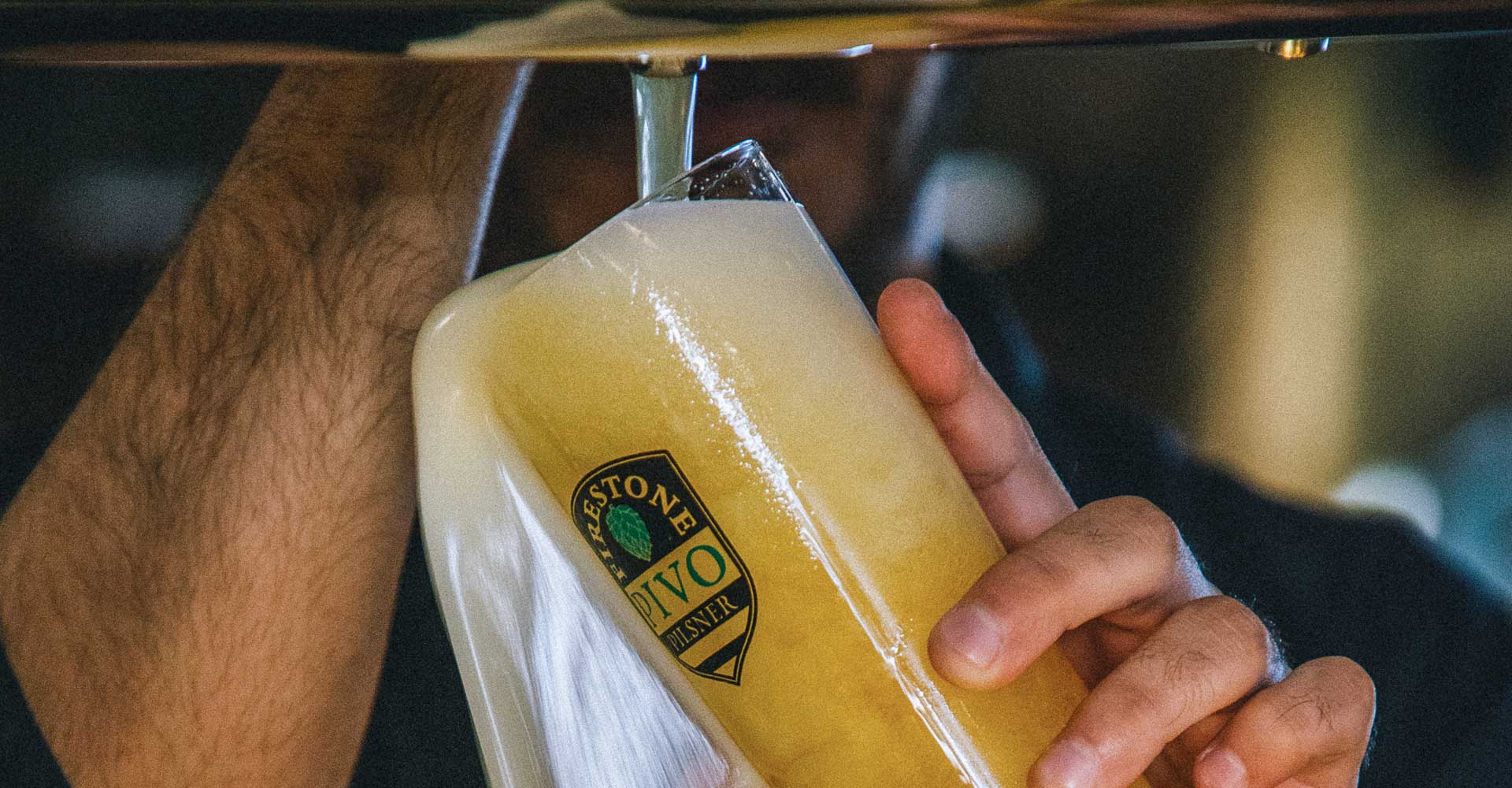
Sam Tierney, head brewer at The Propagator—Firestone Walker’s innovation brewhouse in Venice, California—separates conventional wisdom from cool science when it comes to brewing great lager. Proper technique is the key.
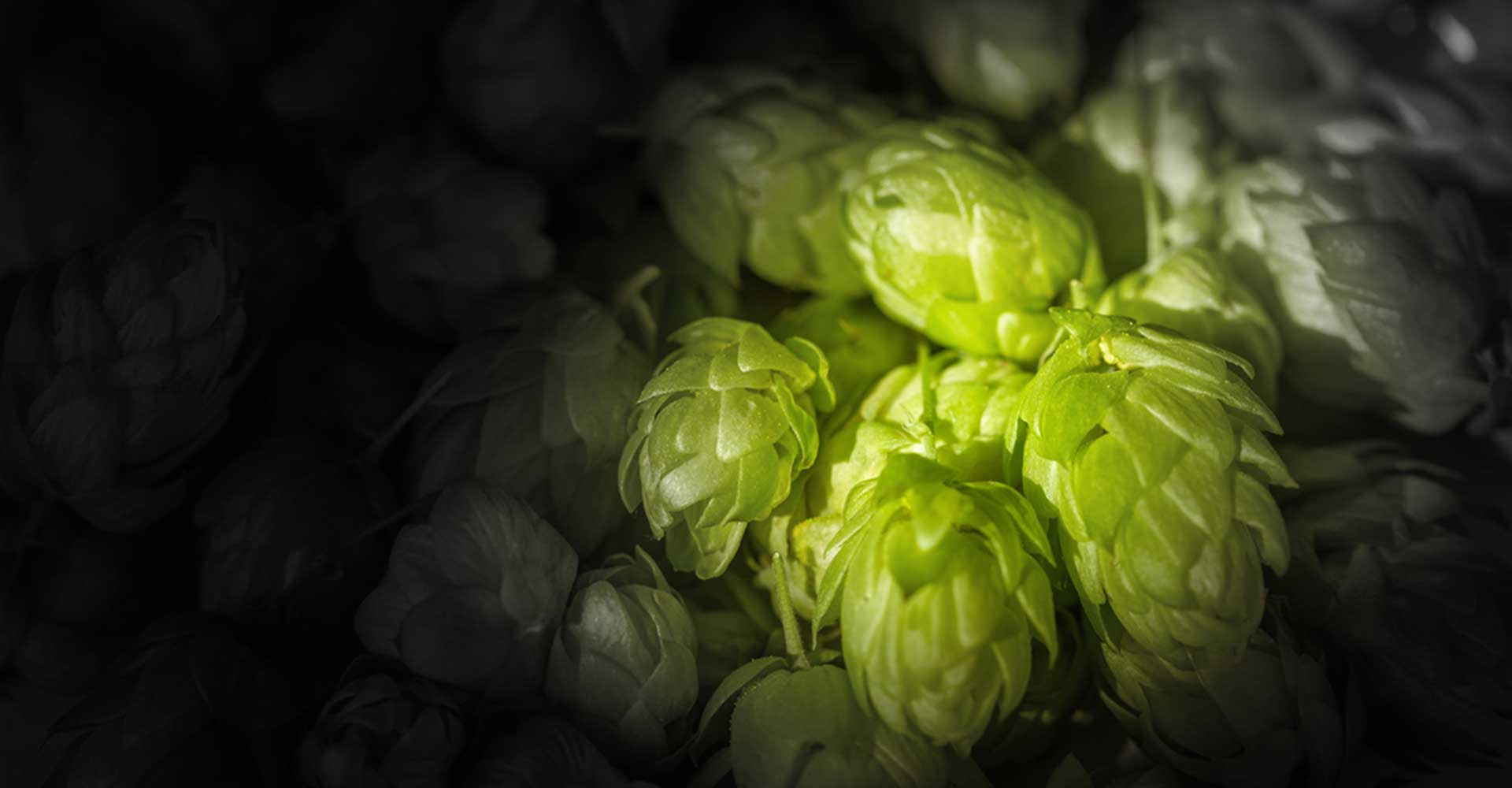
The dry-hopping techniques often used for today’s IPAs can lead to spikes in diacetyl, attenuation, and other issues. Here are ways to avoid it—from different hopping methods to detailed quality control analysis.
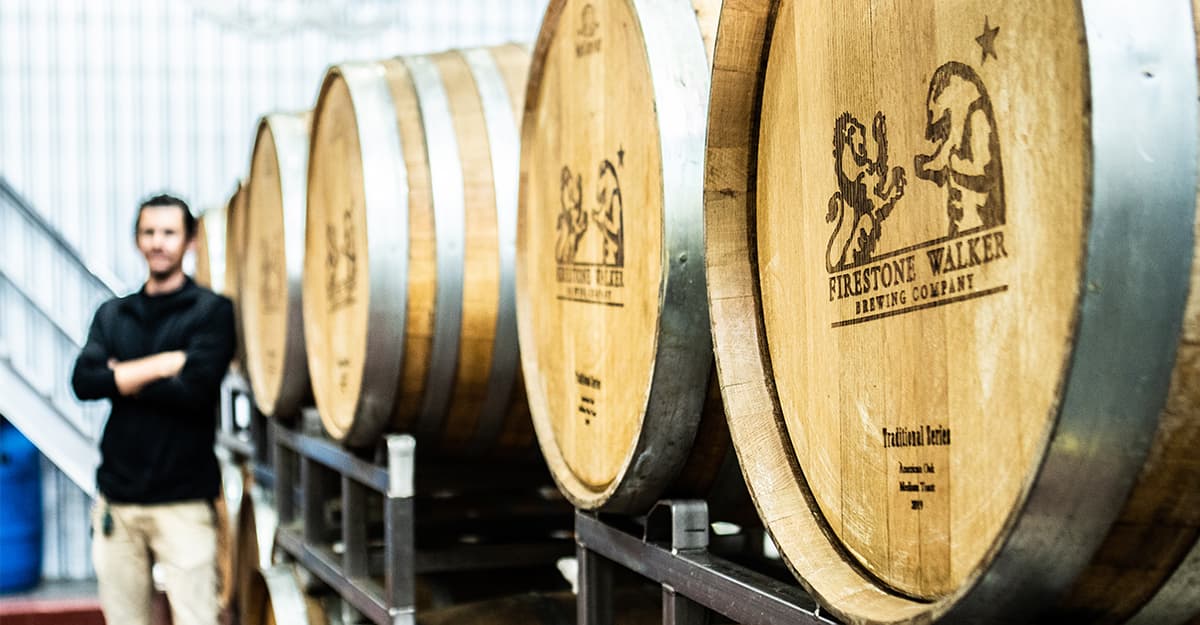
It begins with a recipe designed for barrel-aging, and sourcing the best and freshest barrels possible. It continues with an understanding of how storage temperature affects flavor extraction. Firestone Walker’s Eric Ponce explains.
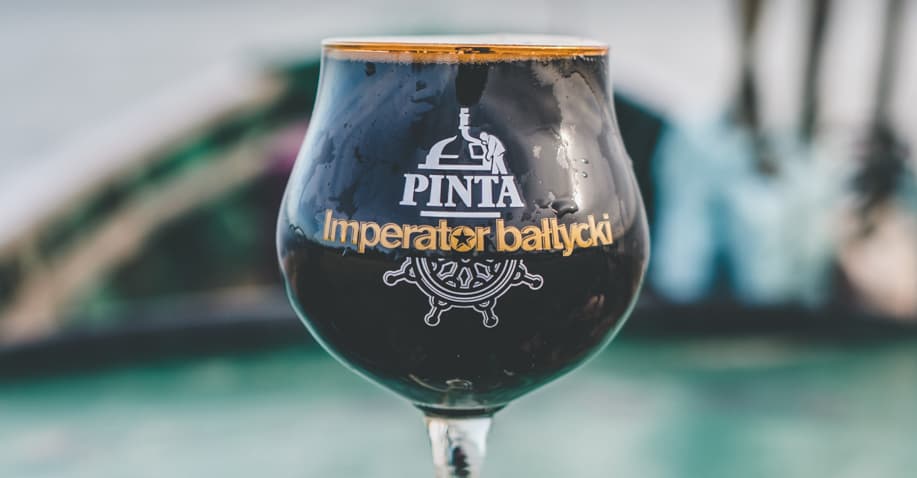
From Browar PINTA in Wieprz, Poland, this rich, big-bodied Baltic porter gets a long boil and tropical accents from dry hopping with Sabro and Strata.

The cofounder and brewer for the suburban Chicago powerhouse of progressive styles makes coveted beers with a workmanlike, no-nonsense approach.
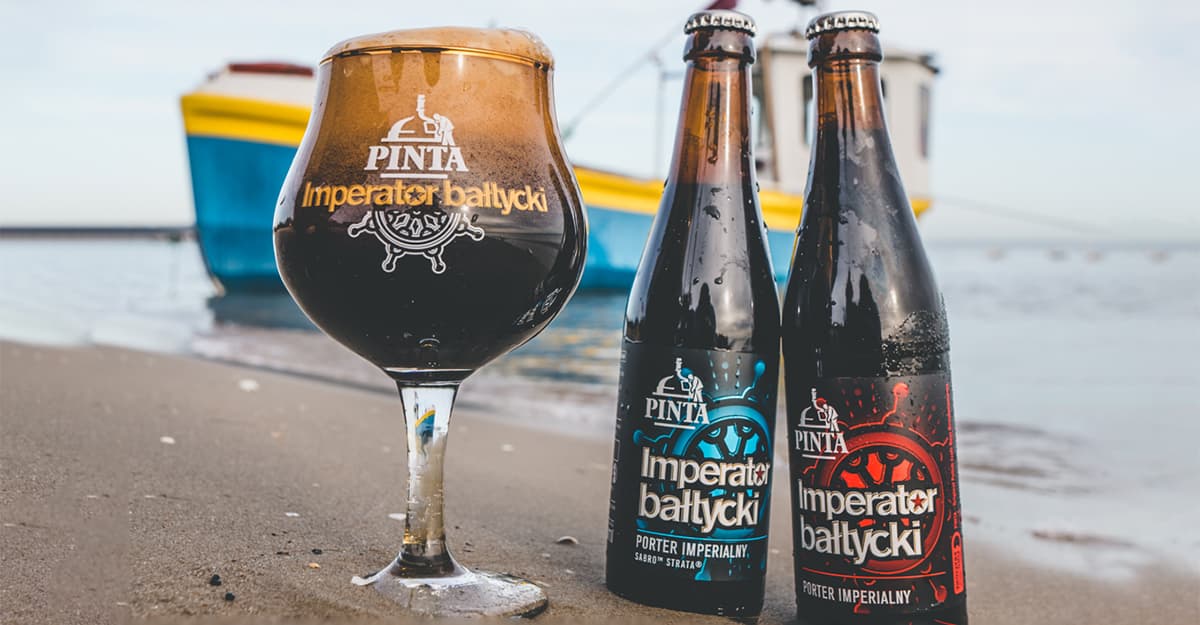
Like many Polish breweries, Browar PINTA embraces its country’s signature beer style—Baltic porter—with high-gravity gusto, going for hefty body and deep malt flavor. Lately, they’ve added a new dimension to these ponderous beasts: expressive dry hops.