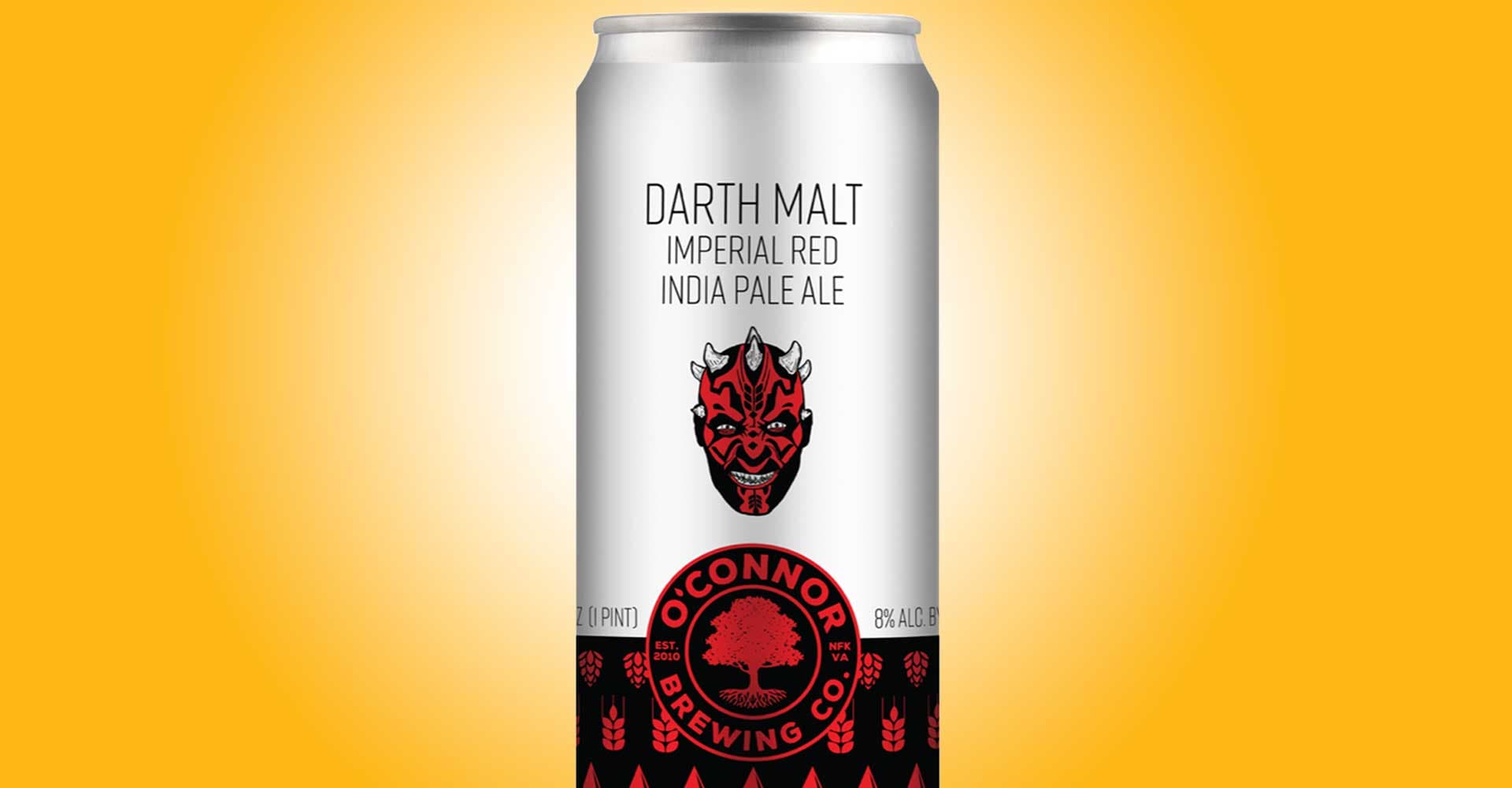
Recipe: O’Connor Darth Malt Imperial Red IPA
Courtesy of Kane Wille, head brewer at O’Connor Brewing in Norfolk, Virginia, this recipe for an imperial red IPA gets depth from layers of Proximity craft malts.

Showing 1781-1800 of 4636 articles
Courtesy of Kane Wille, head brewer at O’Connor Brewing in Norfolk, Virginia, this recipe for an imperial red IPA gets depth from layers of Proximity craft malts.

We all know how profoundly the types of malt we use can change what we brew. Less obvious is how independent brewing is changing how barley itself is being grown—leading, eventually, to exciting new options for brewers.
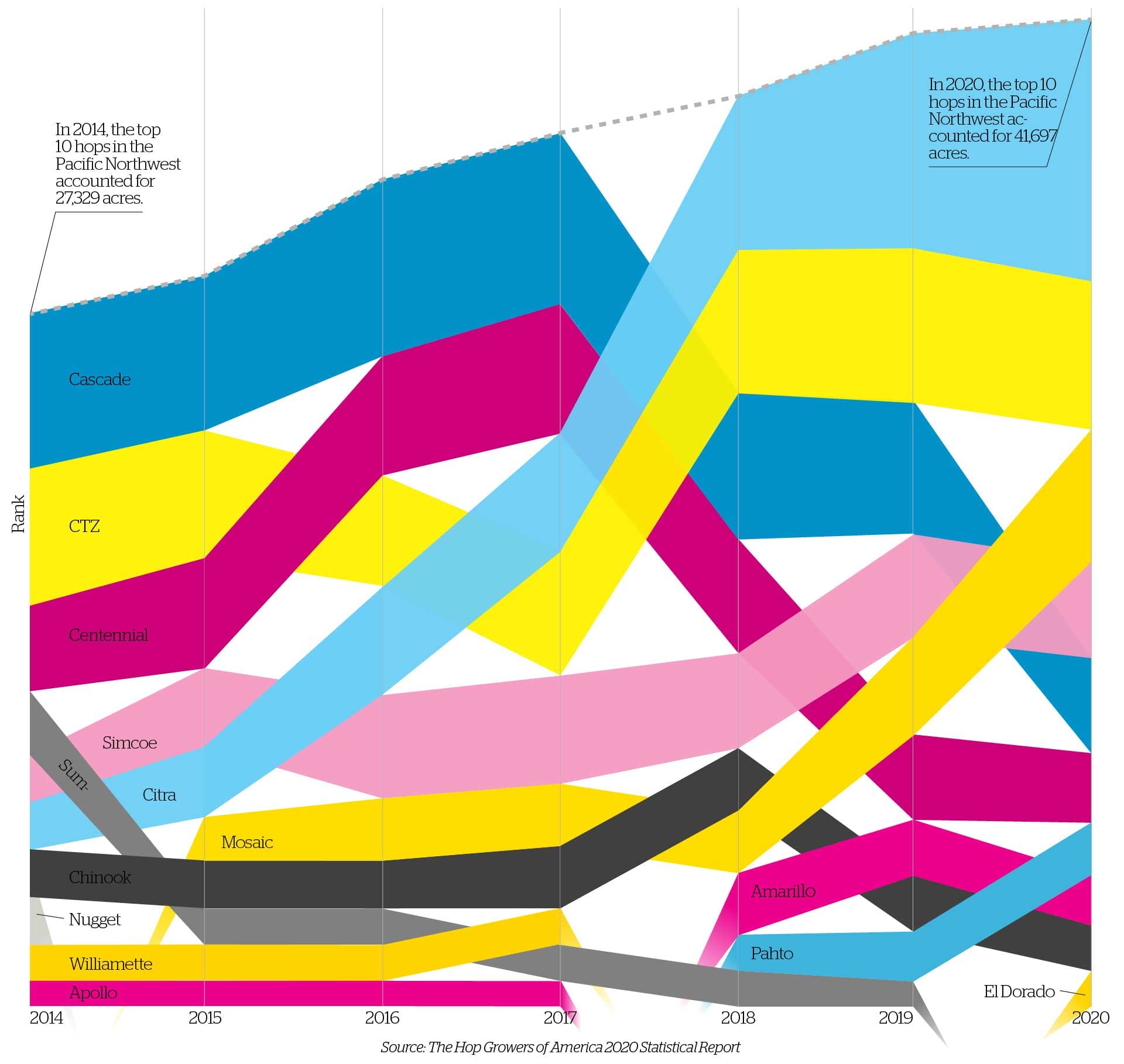
As growers look to meet demand from brewers, here‘s a look at how the most-grown hops in the Pacific Northwest have changed in recent years.
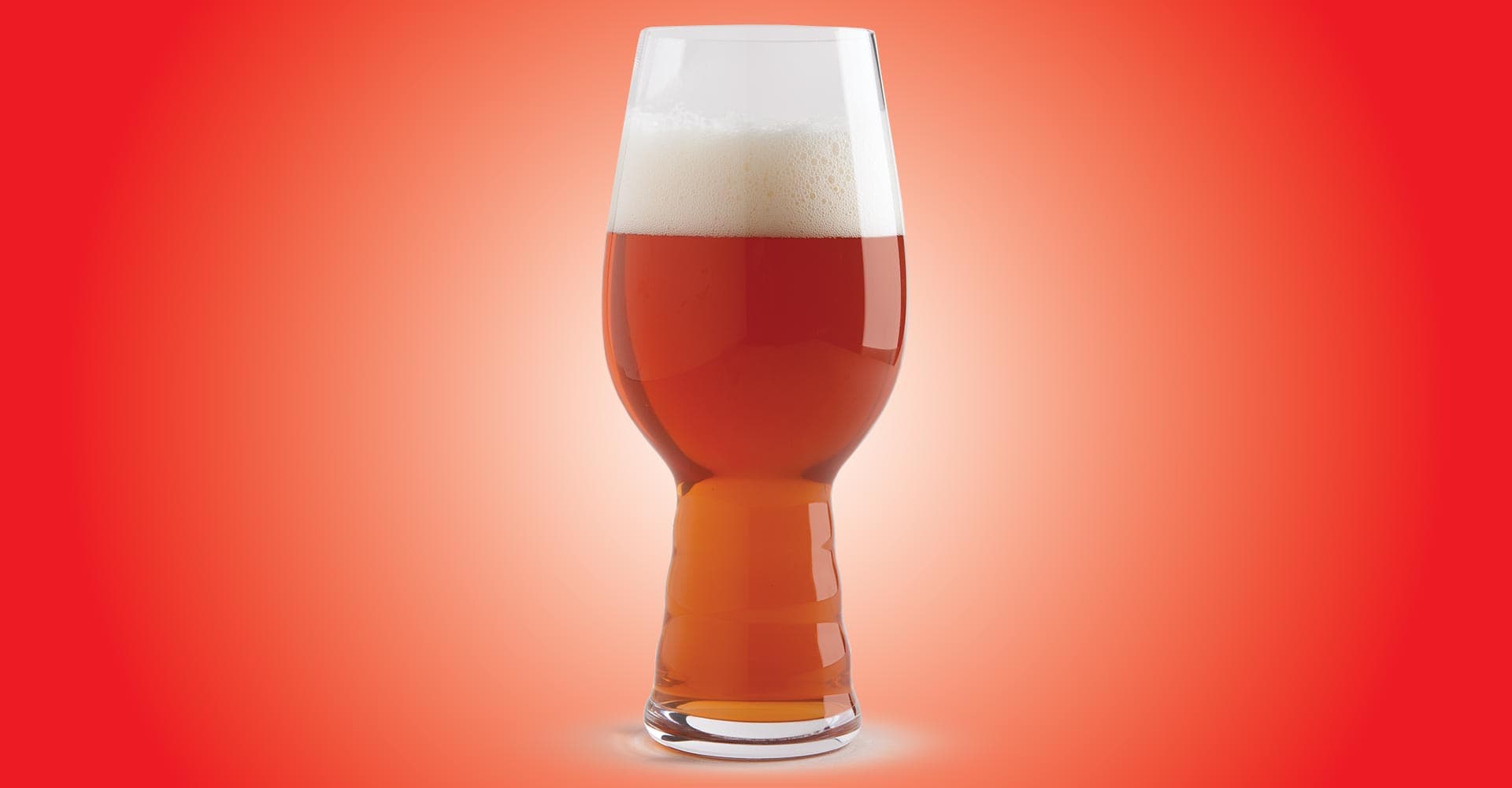
Whatever you want to call it, the West Coast–style red ale is different from other beers that try to capture it on their margins. If you’re not brewing these, you’re missing out.
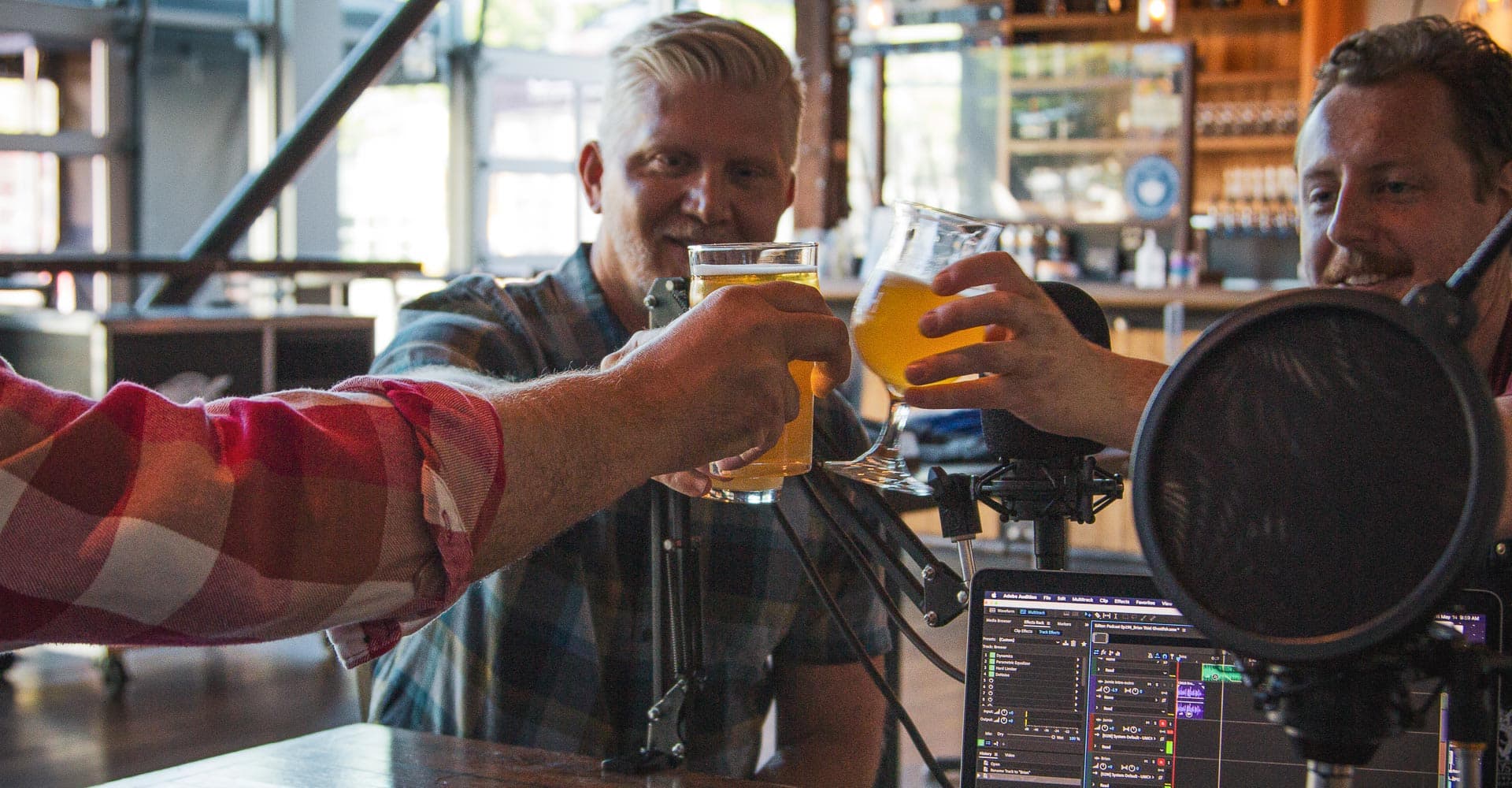
Ghostfish Brewing started with an audacious goal: to brew compelling beer with grains that don’t contain gluten. Here, they share some of the core tenets of brewing with non-gluten grains.
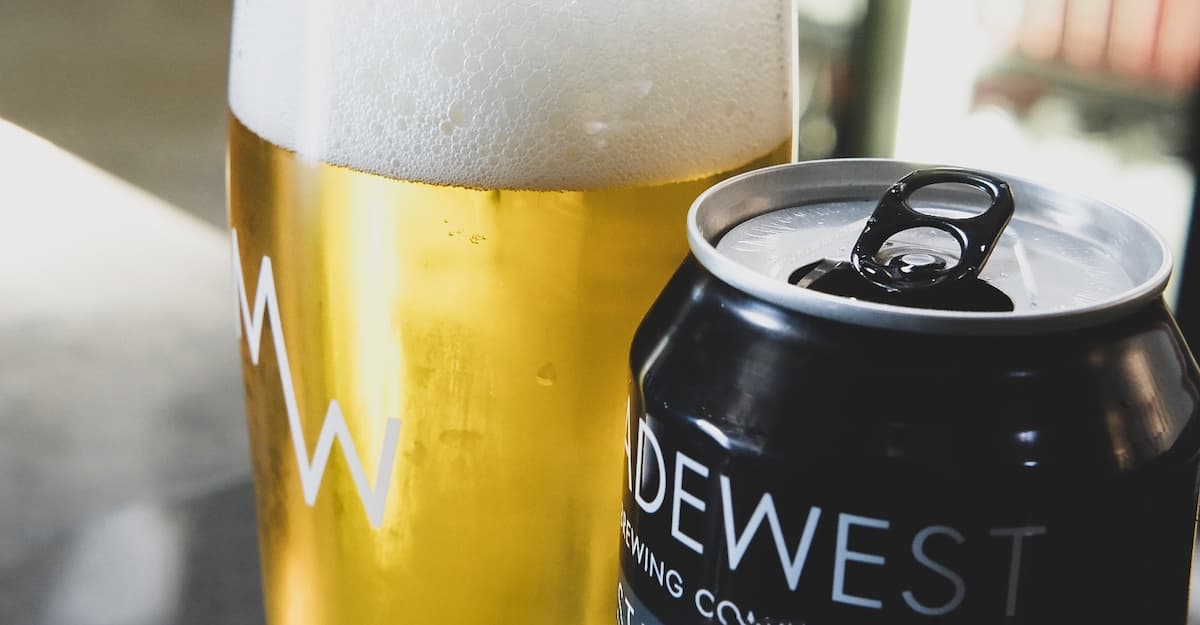
MadeWest Brewing in Ventura, California, calls it a “light ale” or a “blonde ale.” Whatever you call it, it won gold at GABF in 2018 and silver in 2019. Aromatic hopping, cooler fermentation, and full attenuation are the keys to its super-crisp profile.
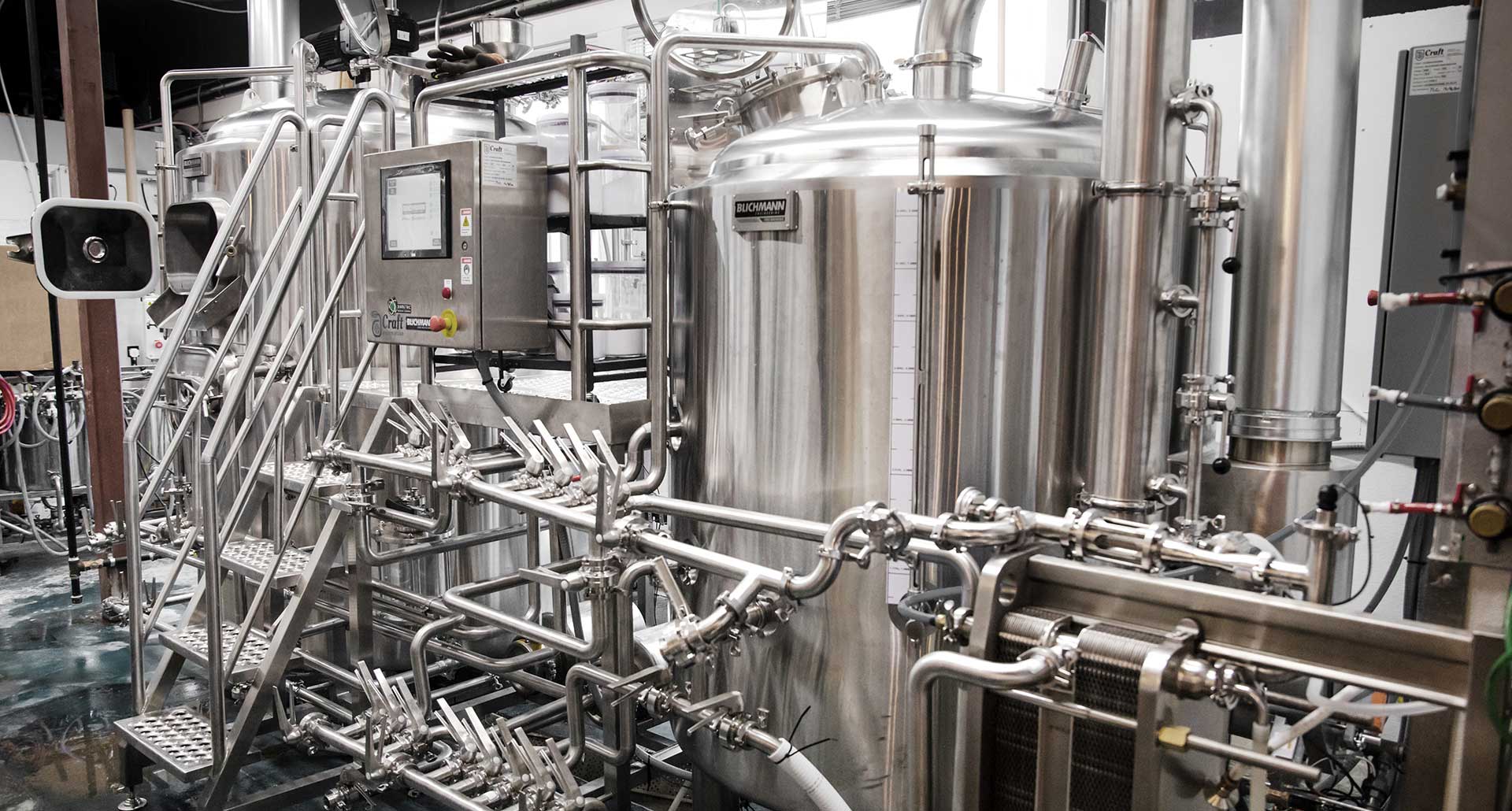
Pucker up! A Skid-Mounted Brewhouse from Blichmann Engineering may be just what you need to dial in your kettle-soured beers.
Are you ready for the challenge? Chris Colby leads this full video course on the ins and outs of brewing hard seltzer at home—from the technical difficulty of making a clean, sparkling base to adding flavors, and much more.
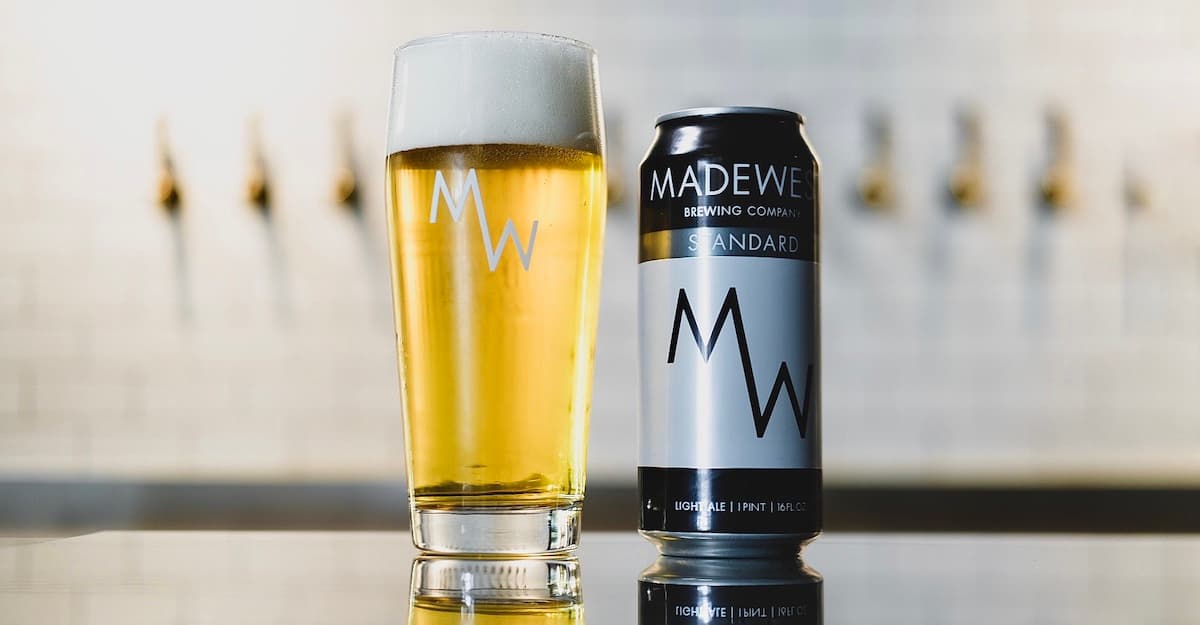
MadeWest Brewing in Ventura, California, won GABF gold in 2018 and silver in 2019 for its flagship blonde ale, Standard. Mike Morrison, cofounder and head brewer, sketches out its origins and lays out the schematics of this extraordinary ordinary beer.

Few experiences in brewing are more rewarding—or make for better practice—than bringing some undersung, underloved, old-fashioned beer styles to life in your own brewhouse. Josh Weikert makes the case for learning, drinking, and brewing the canon.
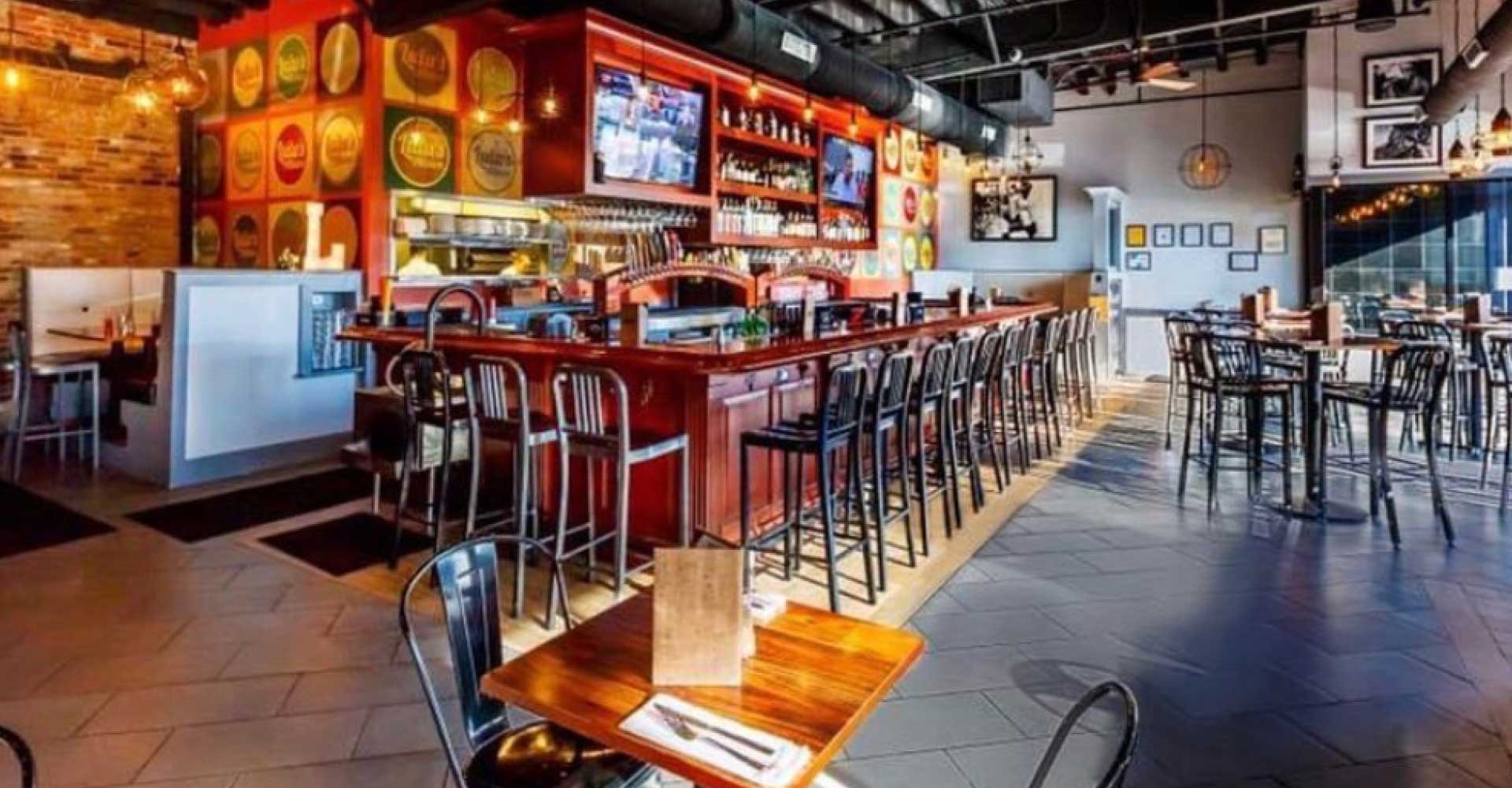
Enjoy carefully curated, cared-for beers with brunch in Beantown.

These Jester King alumni searched for the perfect place to make the beer they envisioned, with wild yeast and ingredients sourced from within a few miles. Now, they guide their fermentations to produce beers that balance flavor and character.
Here is Annie Johnson‘s partial-mash recipe for an English-style barleywine, getting classic depth from judicious caramel malts and east Kent Goldings hops.
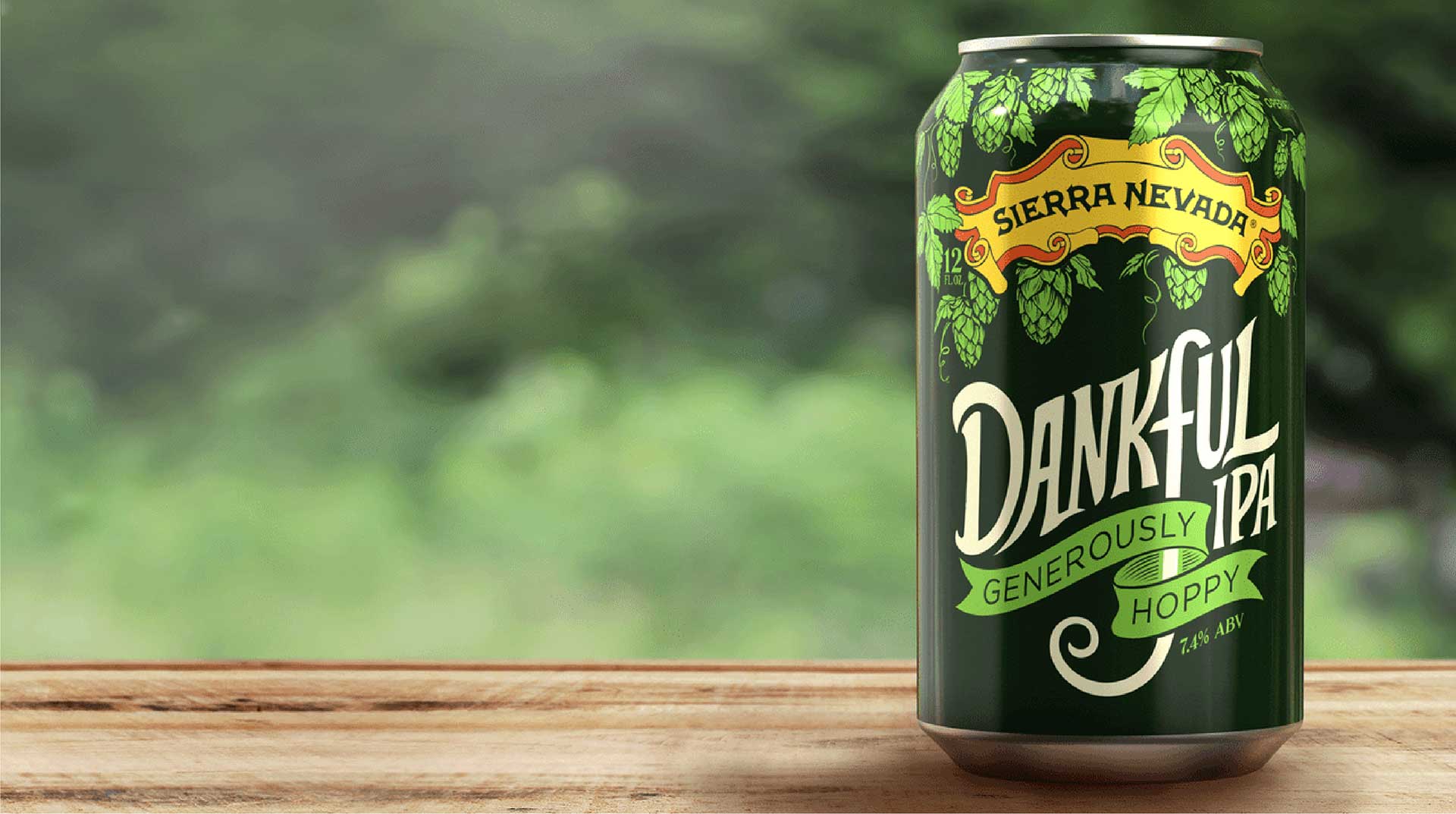
Through its Dankful IPA, Sierra Nevada Brewing is committing at least $1 million this year for nonprofits supporting communities in need.
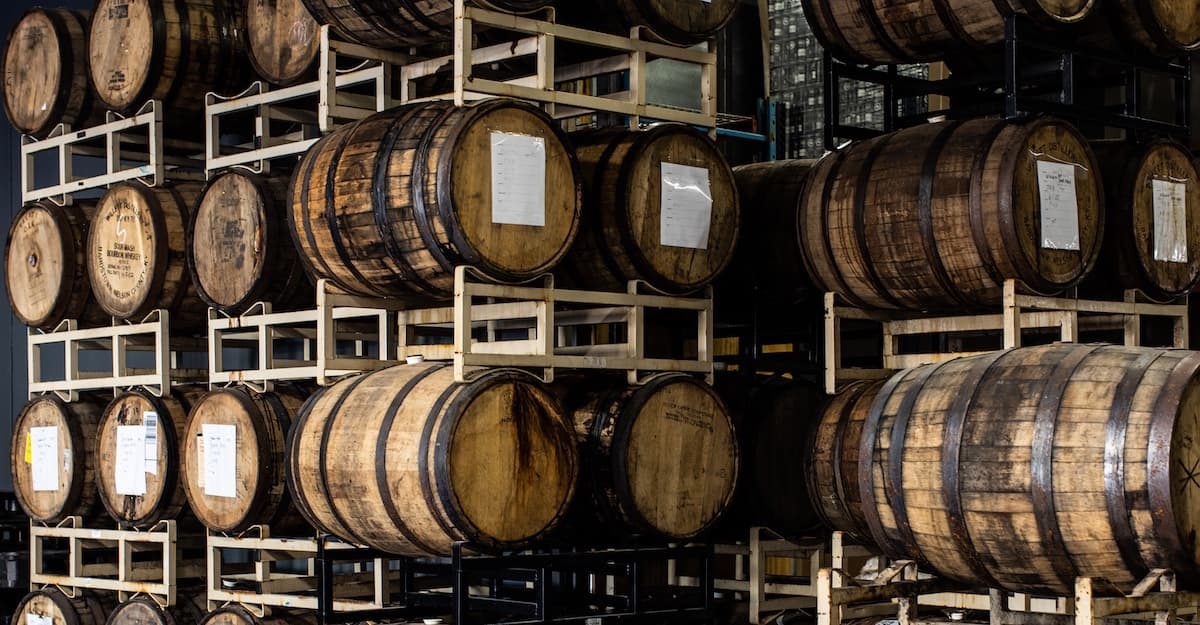
Marcus Baskerville, head brewer and cofounder of Weathered Souls in San Antonio, shares practical advice on selecting and preparing spirits barrels—including inspecting, rehydrating, purging, and filling them full of big, chewy stouts.
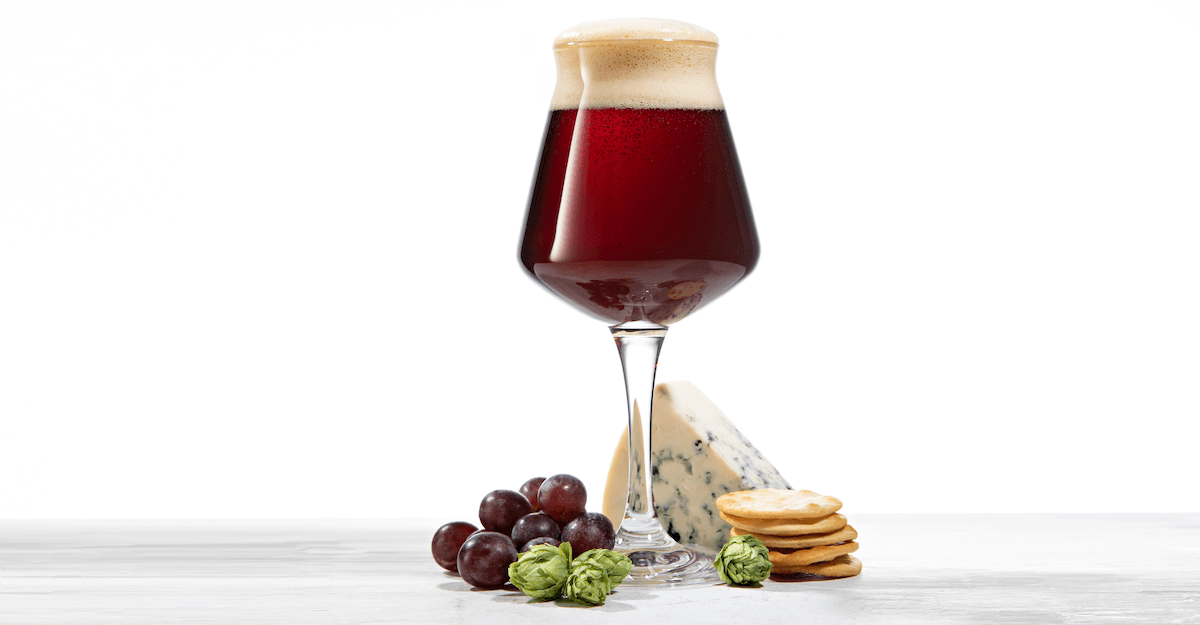
Whether English or American or breaking new ground, barleywines are the Cadillacs of the ale world. Can you brew a great one with extracts? Of course you can. Annie Johnson breaks it down in our ongoing series on extract-brewing exceptional beers.
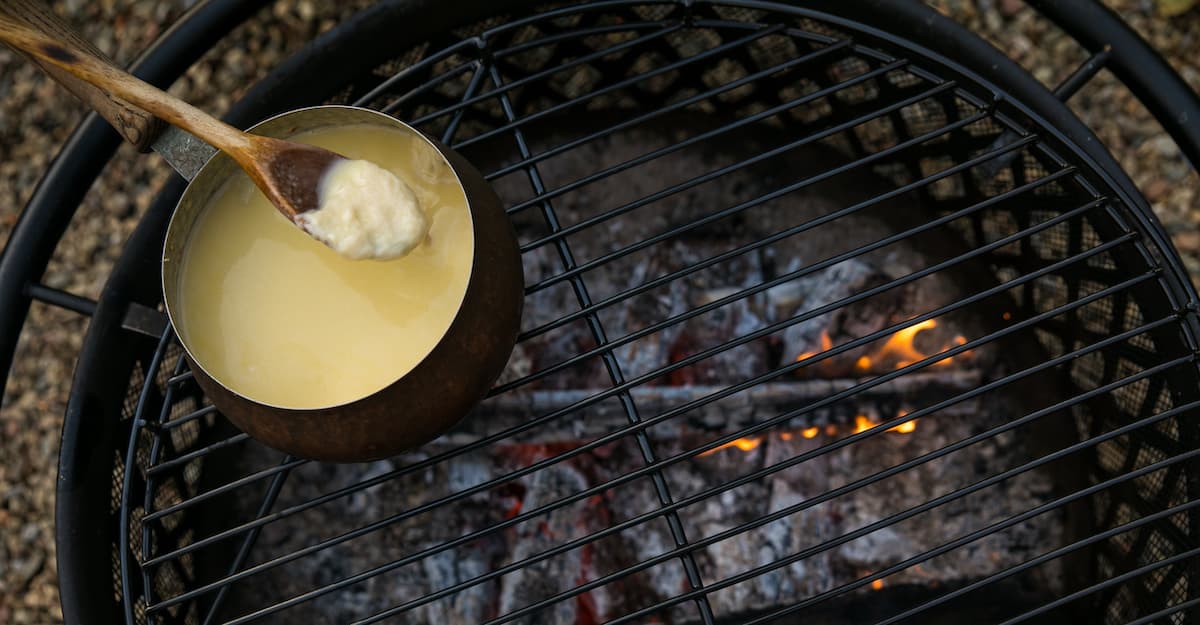
In which we ride an unhealthy fascination with melted cheese to a wild-beer frontier ... because nobody’s ever thought to combine beer and cheese, right? (Well, maybe not like this.) Prepare yourselves for a new portmanteau.
The Seattle brewer discusses the nuanced and thorough way he classifies and evaluates hops, maximizing expression, depth, and longevity in IPAs.
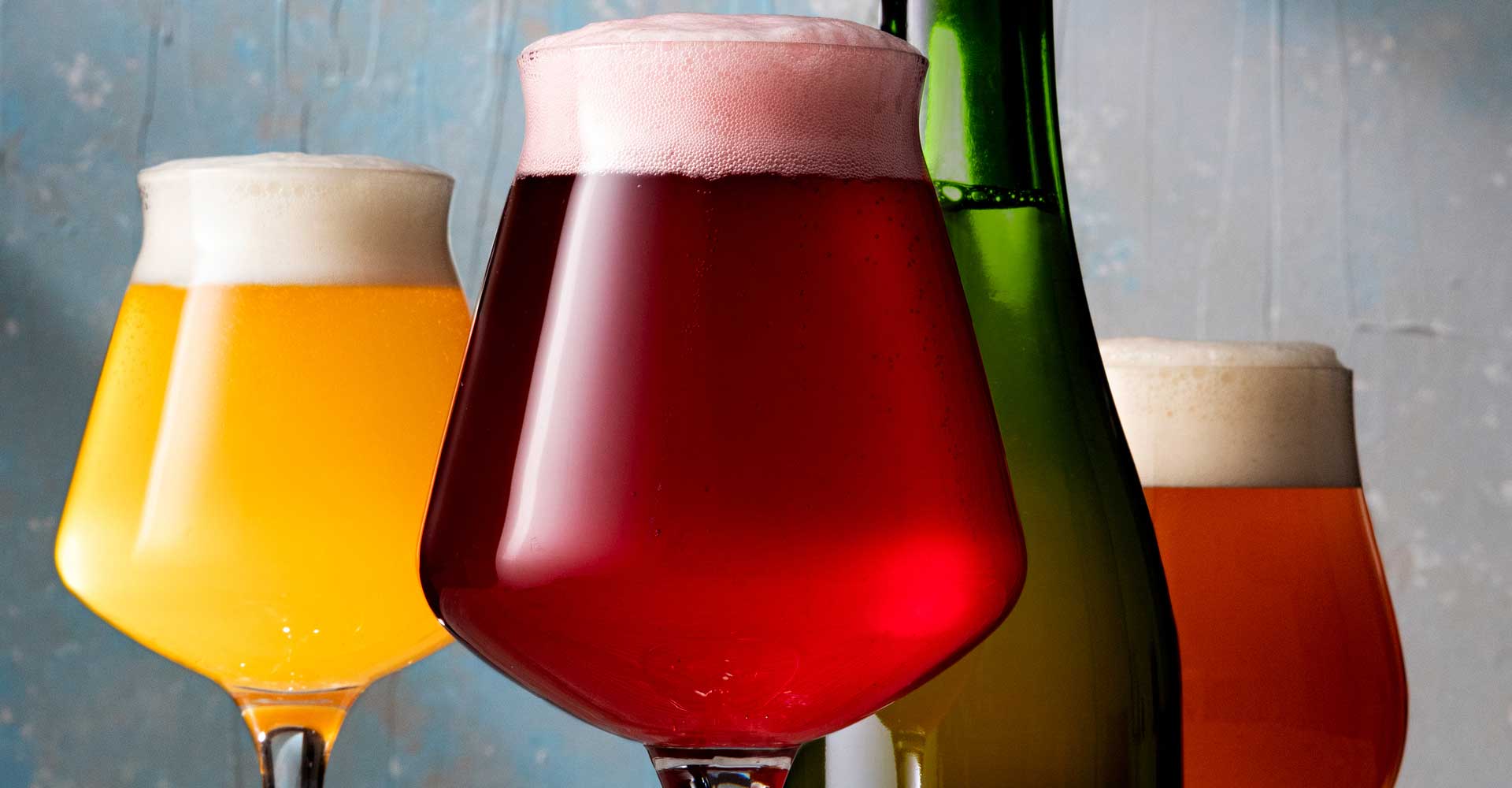
Sour and wild beers exist on a complex plane of myriad flavors and aromas produced by bacteria, yeast, ingredients, and by-products. Randy Mosher breaks down the building blocks of what we sense, to help us identify what we enjoy.
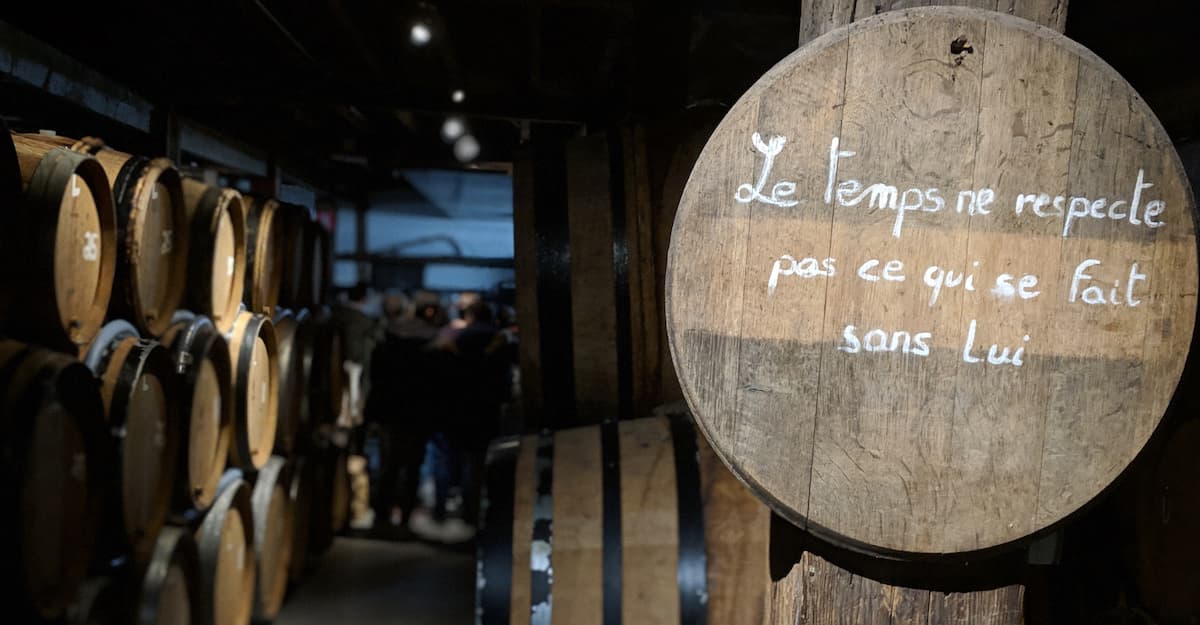
Jean Van Roy, head brewer at Brasserie Cantillon in Brussels and heir to a 120-year-old lambic-brewing legacy, discusses his emotional approach and connection to spontaneously fermented beer—and his view on the new wave inspired by traditional methods.