
Mussels and Hot Smoky Links with Dijon Wheat-Beer Broth Recipe
Beer and seafood are no strangers, and great beer can make seafood even better.

Showing 4281-4300 of 4613 articles
Beer and seafood are no strangers, and great beer can make seafood even better.

One of my favorite approaches to pairing homebrew with food is to simply work the beer itself into the dish with which I plan to serve it.

Jared Rouben, brewmaster at Chicago’s Moody Tongue Brewery, had his aha moment when he decided to apply his culinary training to the beers he was making. And he’s been brewing complex, layered beers ever since.
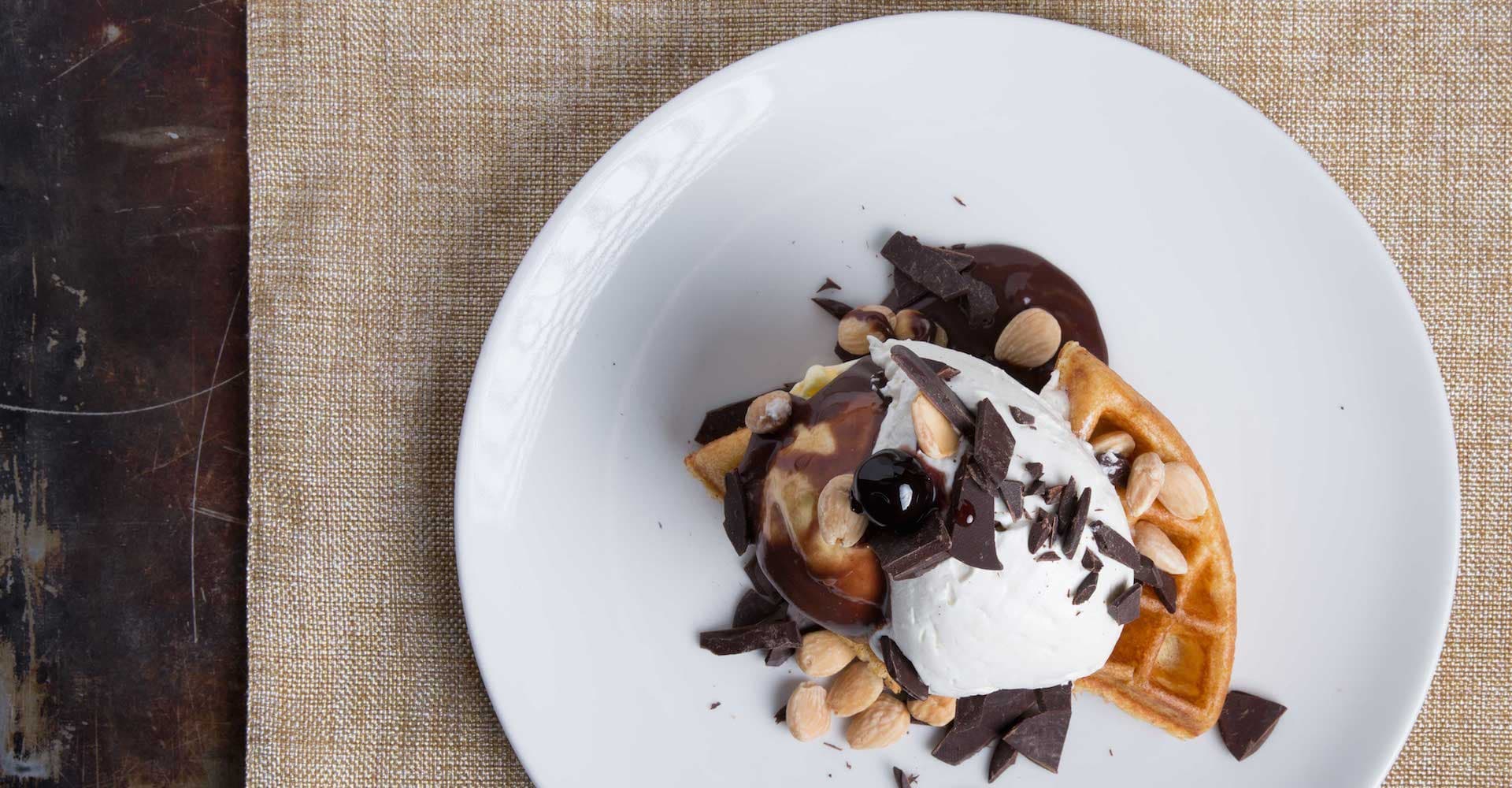
Chris Cina’s mentor, David Weihler, gave him this best-ever waffle recipe. Here he’s added the spent grain to tie with the beer and give the waffles a little texture.

Without malt, beer would be lifeless and flat. Hops bitterness only works in balance with malt sweetness, and yeast requires sugars and nutrients for fermentation, both of which malt-based wort offers. Here's a malt primer.
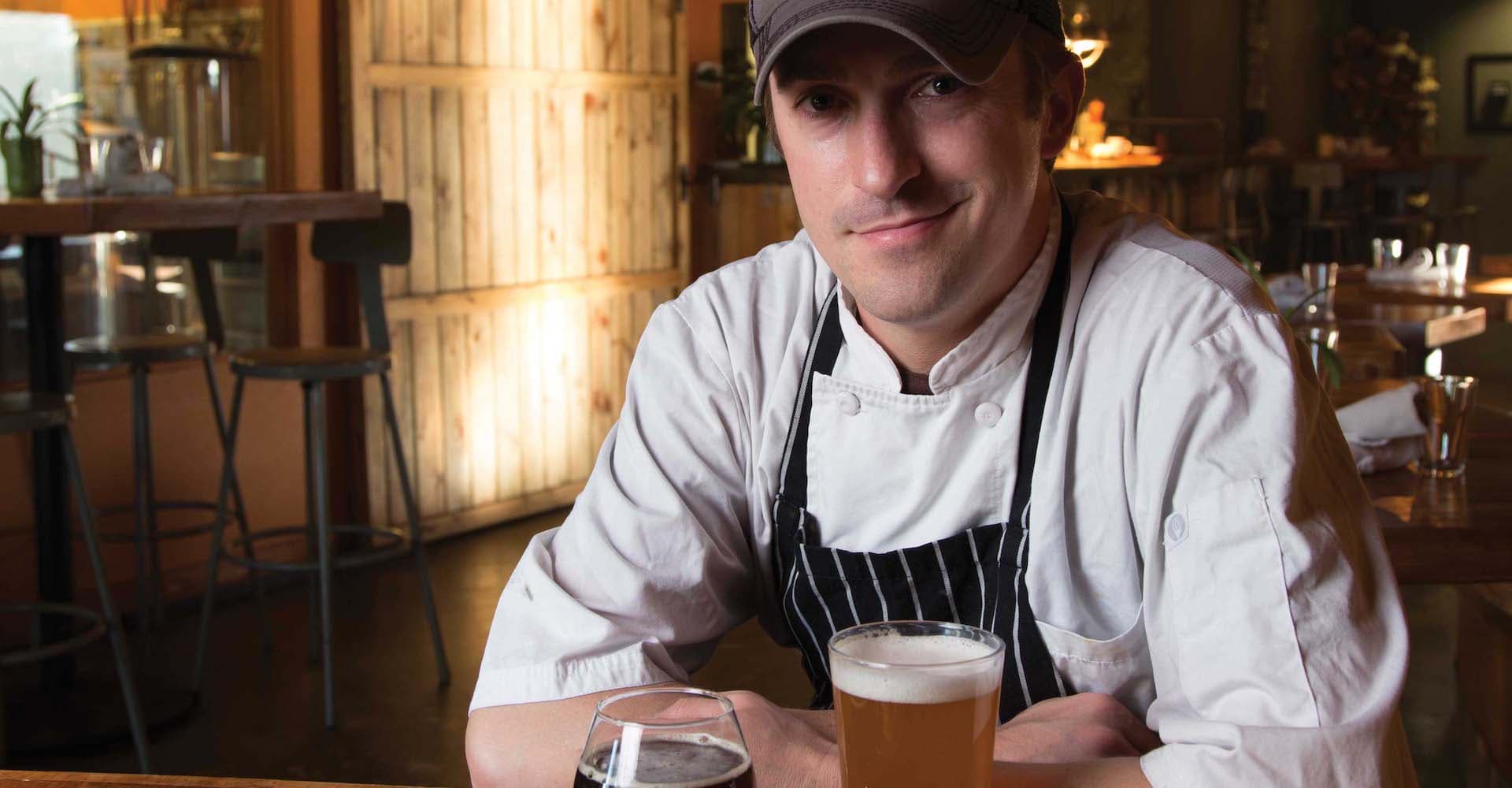
By creating ingredient-focused beers that accentuate the flavors he finds in beers, BRU’s Ian Clark creates beers that reflect his culinary mindset.

Hazy beer is usually more cosmetic than catastrophic. But if you find that your homebrew is consistently cloudy, look into one of these common culprits.
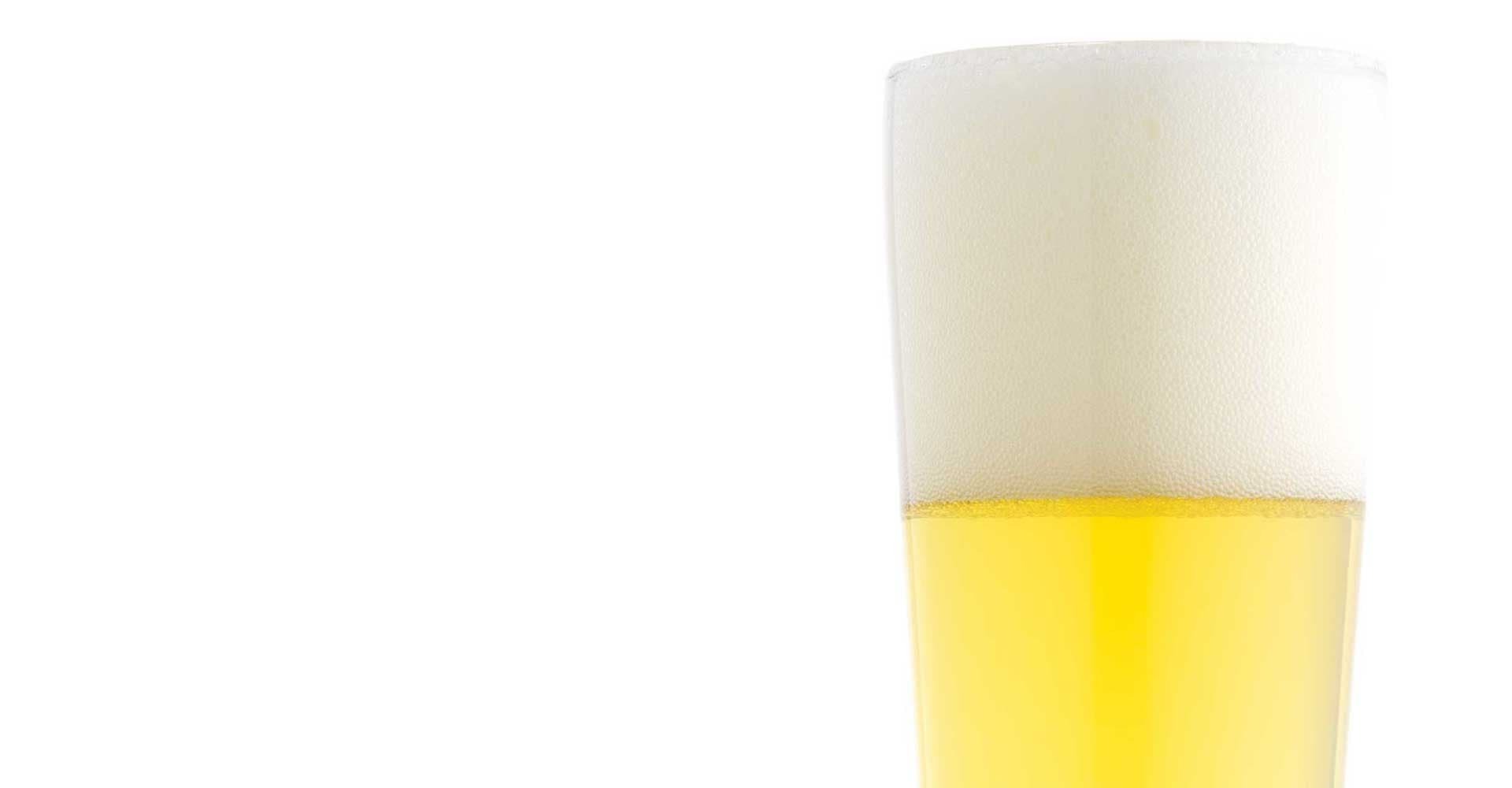
Pilsner is potentially the most popular beer category in the United States—among brewers, anyway. Here, six brewers explain what draws them to pilsners.

A malty Märzen adds body and depth to this seafood dish.

Trevor Rogers and Linsey Hamacher, co-owners of de Garde Brewing, chose Tillamook, Oregon, for their brewery and tasting room after collecting yeast samples from Oregon’s coastal areas.

Brewing with mushrooms is just one way that craft brewers are using to impart a "taste of place" to their brews.

From flooded kegerators to midnight wet vac rentals, anyone who kegs his/her homebrew has probably encountered a leak at some point.

With a focus on spontaneously fermented beer, Mystic Brewery Founder Bryan Greenhagen embraces the risk and reward of wild yeast to create distinctly American beer.
This feature in the Beer for Breakfast series was inspired by Easter brunch.

The enemies of grain malts are many, and your goal is to eliminate or reduce these adversaries to acceptable levels.
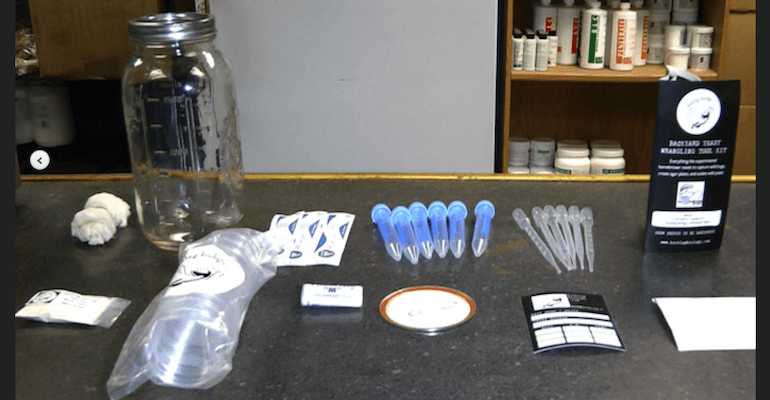
Wild ales are becoming more popular and now homebrewers can join the fun.
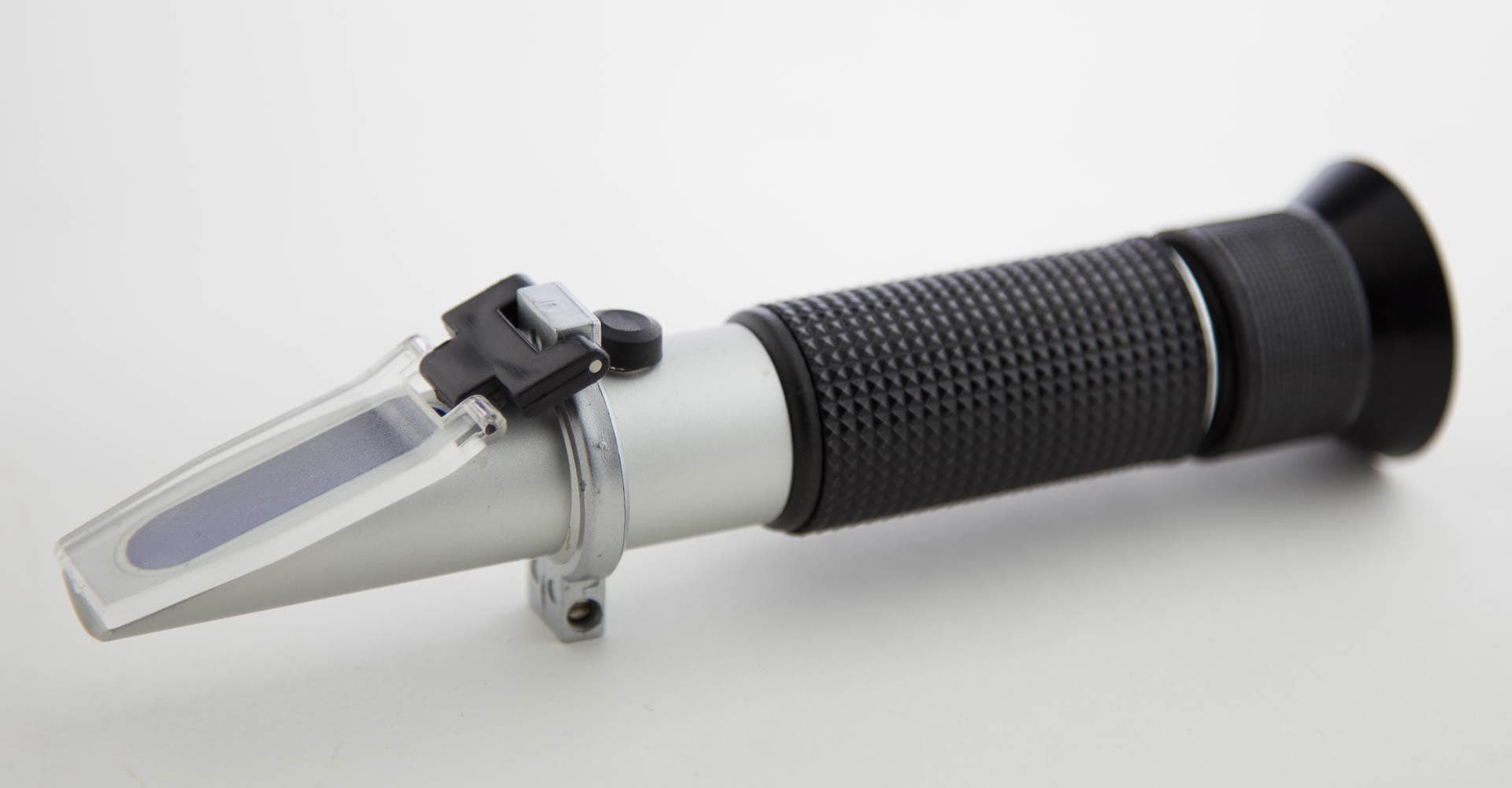
Refractometers are fairly simple devices, but take some time to check out the features so you know what you’re getting.

Beer adds new depth and intriguing flavors to this familiar recipe.
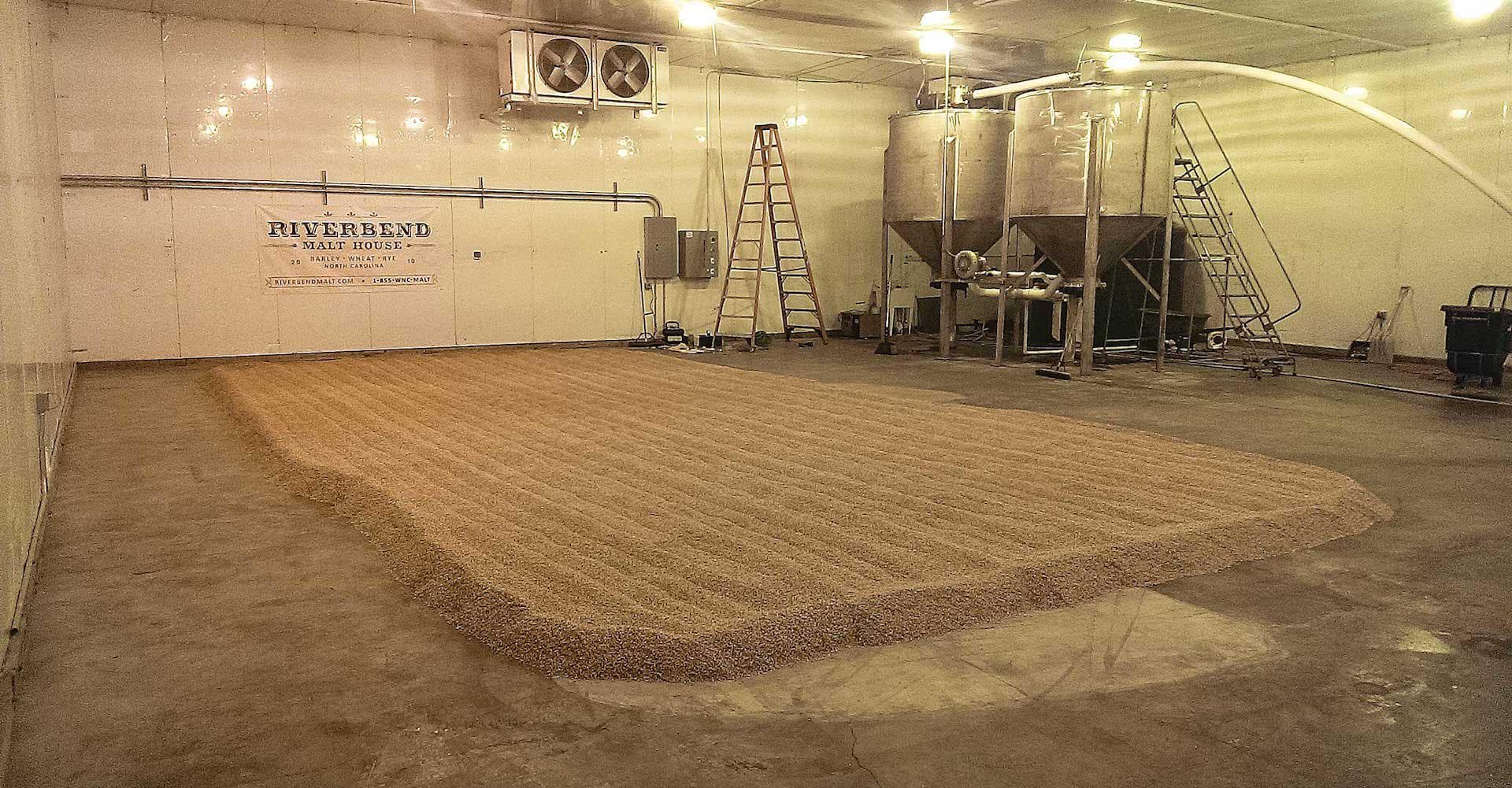
Taking beer back to its historical roots
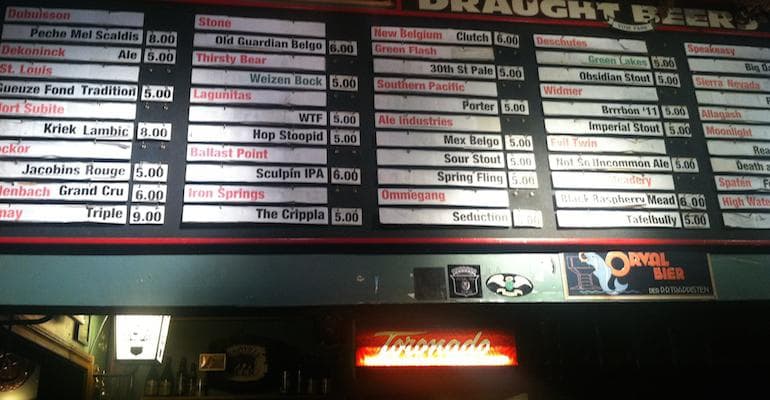
These bars still maintain the vibes of a neighborhood dive: just a comfortable, unpretentious, and straightforward bar that also serves really good craft beer.