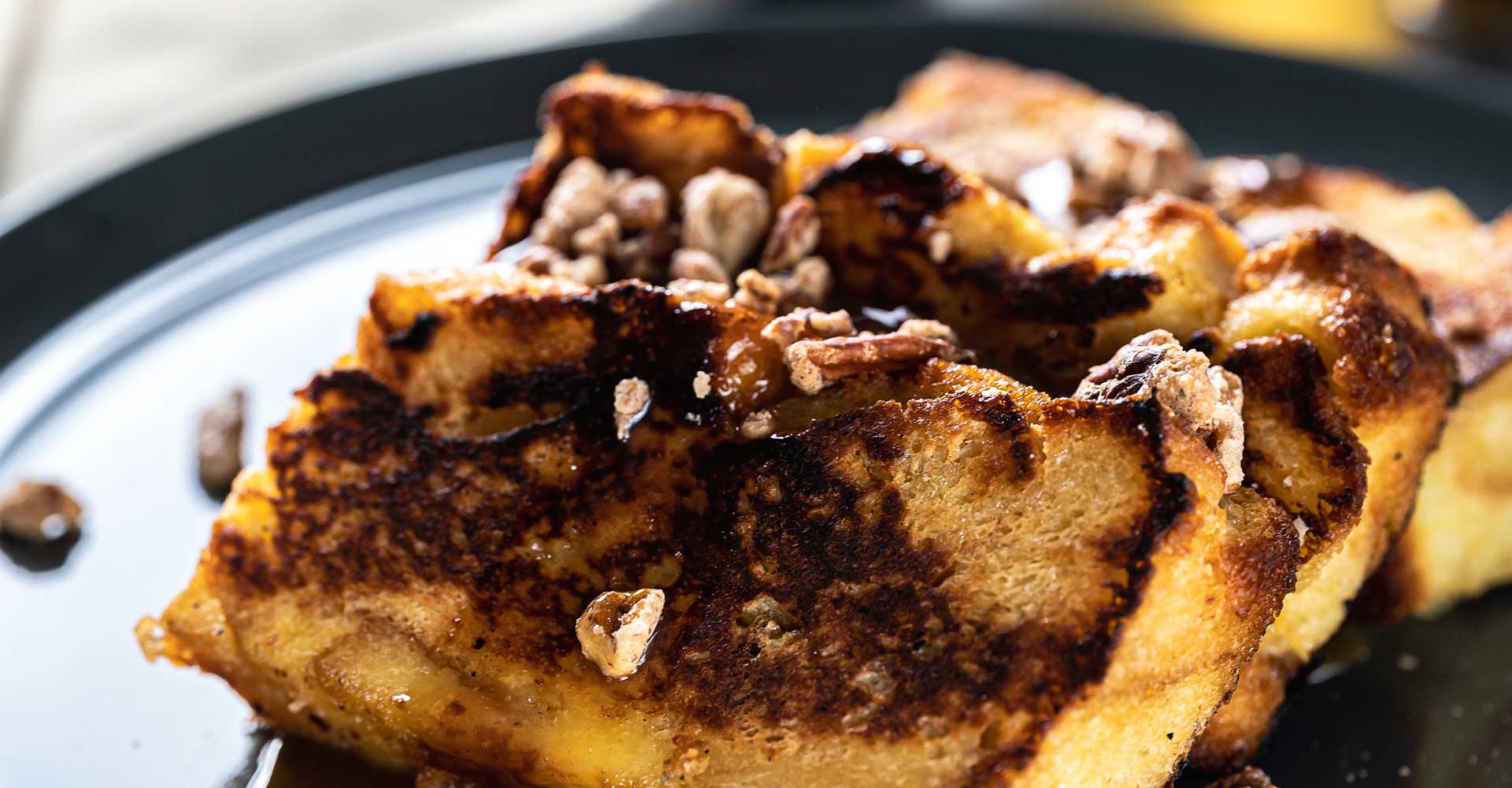
Brunching with Barleywine: Bread-Pudding French Toast
Let the others have their mimosas. Barleywine’s panoply of Maillard flavors find lengthening echoes in this indulgent variation on French toast.

Showing 1341-1360 of 4637 articles
Let the others have their mimosas. Barleywine’s panoply of Maillard flavors find lengthening echoes in this indulgent variation on French toast.
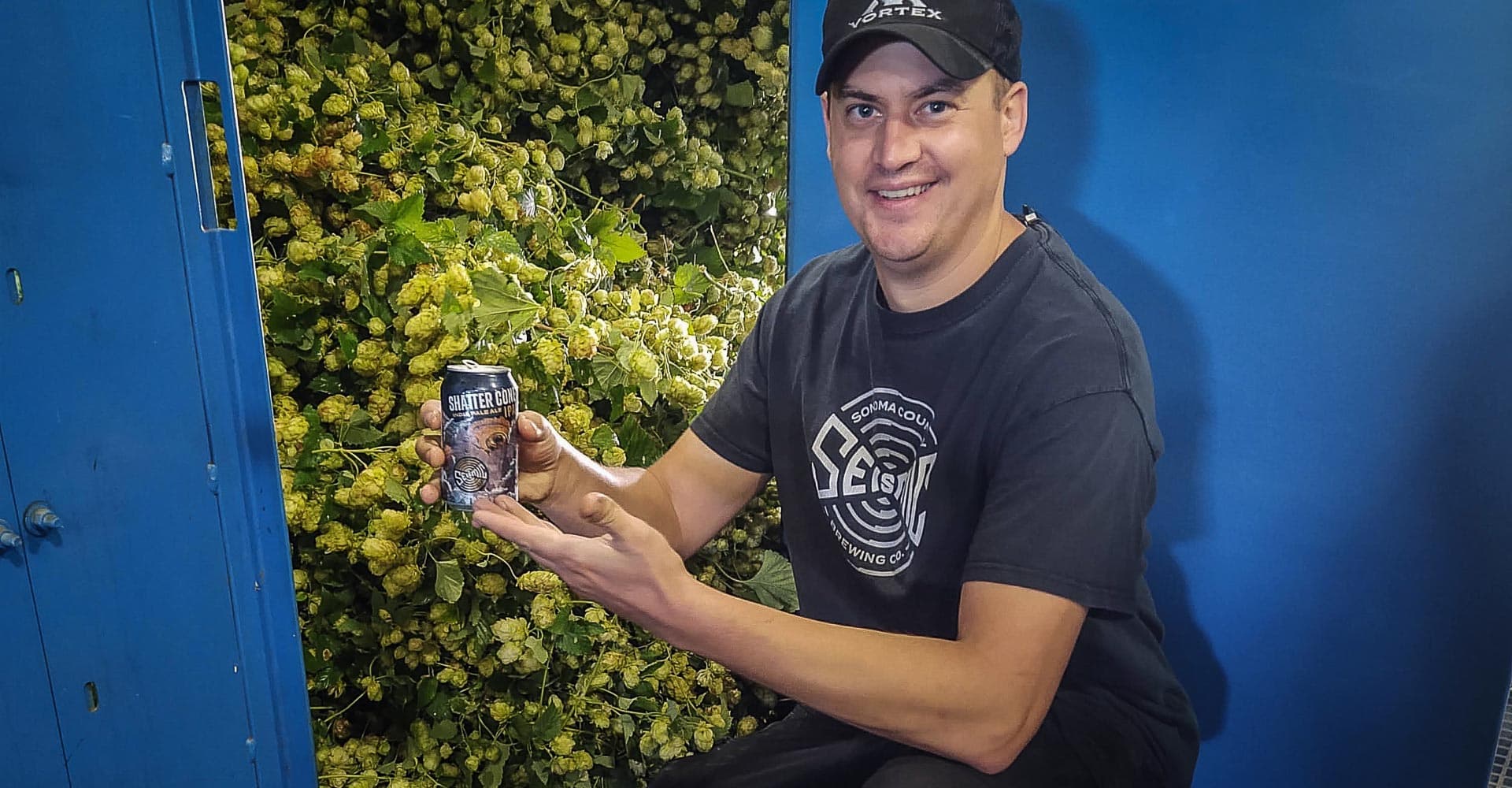
Andy Hooper built a reputation for tight focus on process, and his efforts have paid off with dominating performances in the light lager category at major competitions. In this episode, he discusses the processes behind the brewing, including his use of organic, California-grown craft malt.
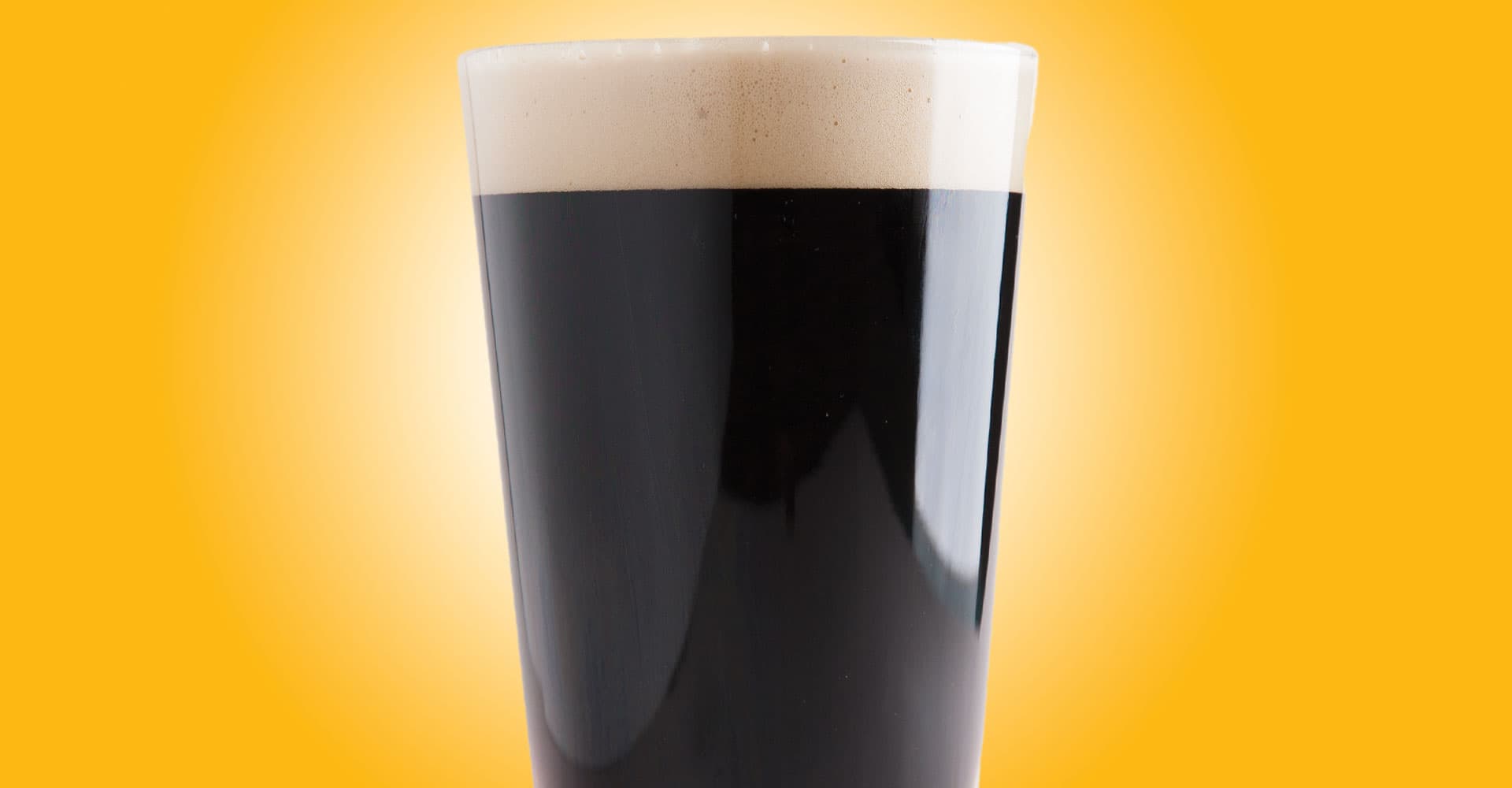
This is an outstanding all-purpose beer that pairs well with a variety of foods, is low in alcohol, and can be turned around relatively quickly. If you have a few taps in your home, you might consider dedicating one to the dry stout—it won’t let you down. Sláinte!
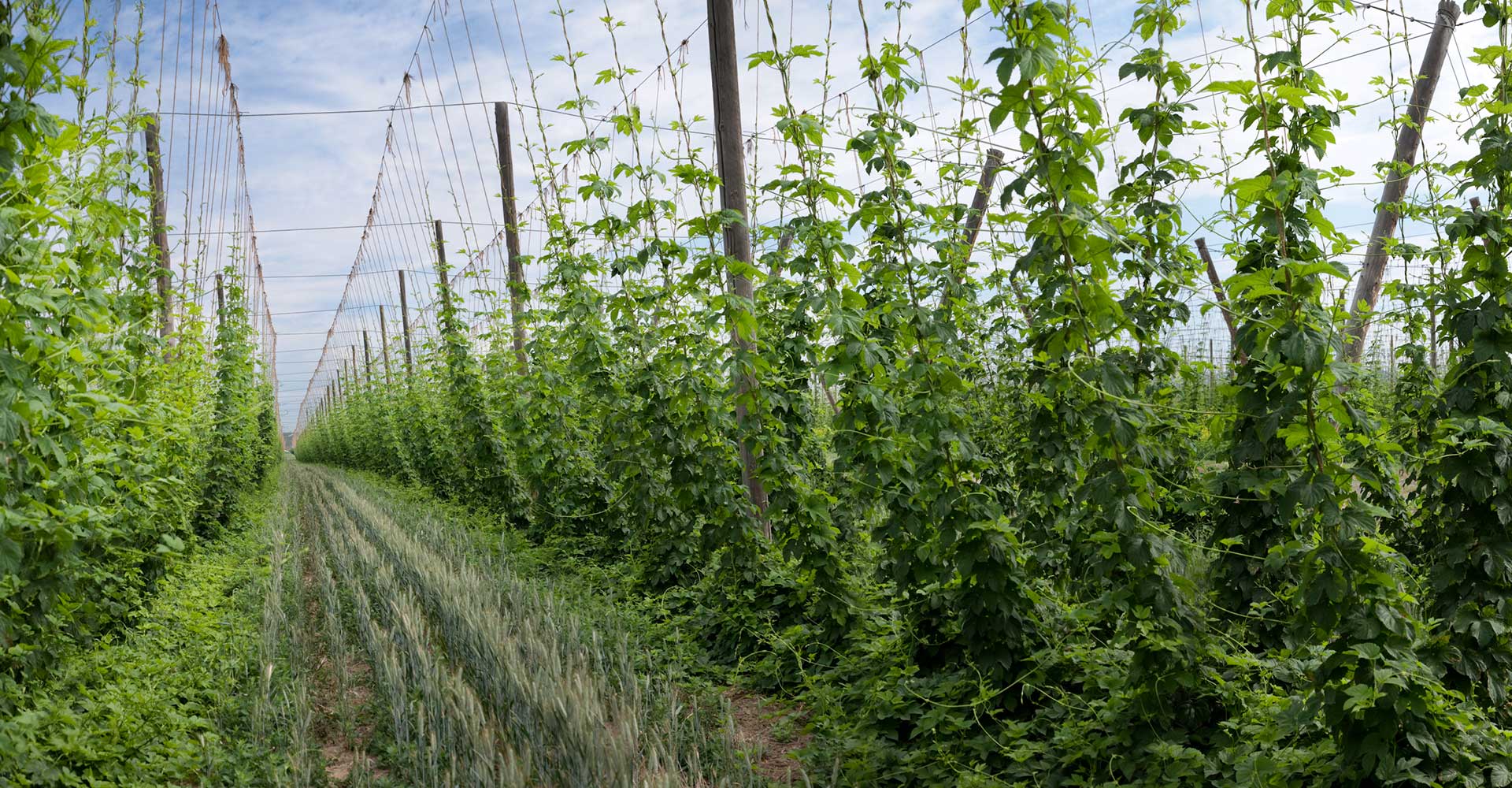
Did you know that the carbon footprint of growing hops can vary widely from variety to variety? This means that brewers can select certain varieties for reduced environmental impact. View our presentation to learn more.
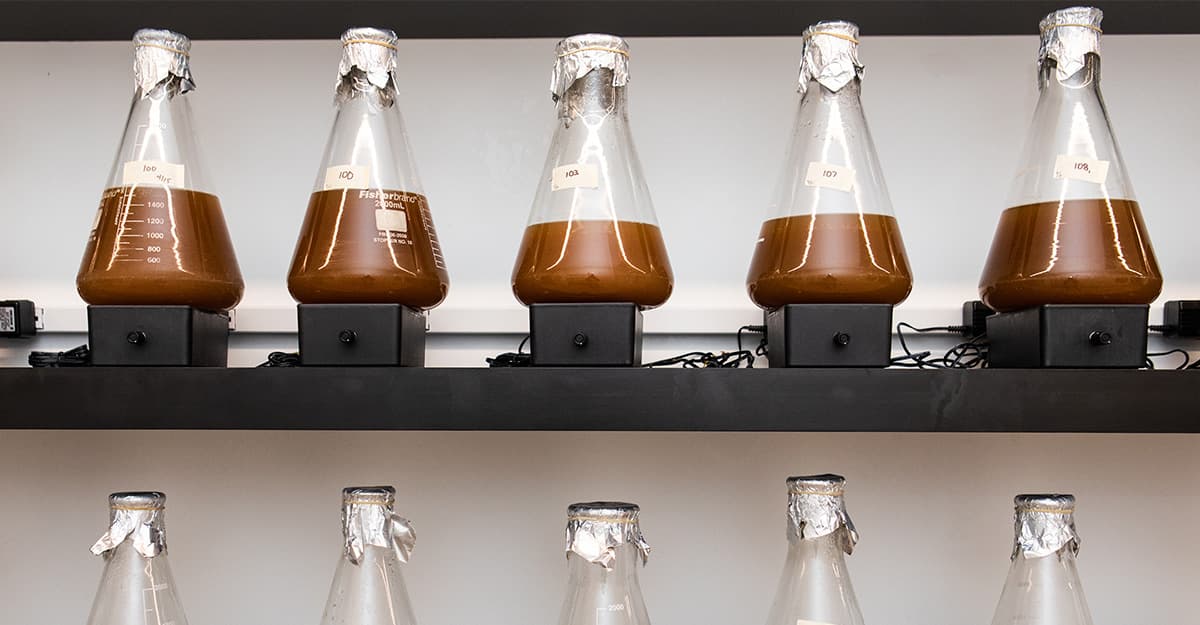
The sensory experience of beers rich in thiols suggests that much more could be done with them, even with simpler recipes and basic ingredients. Laura Burns, R&D director of Omega Yeast, explains the potential.
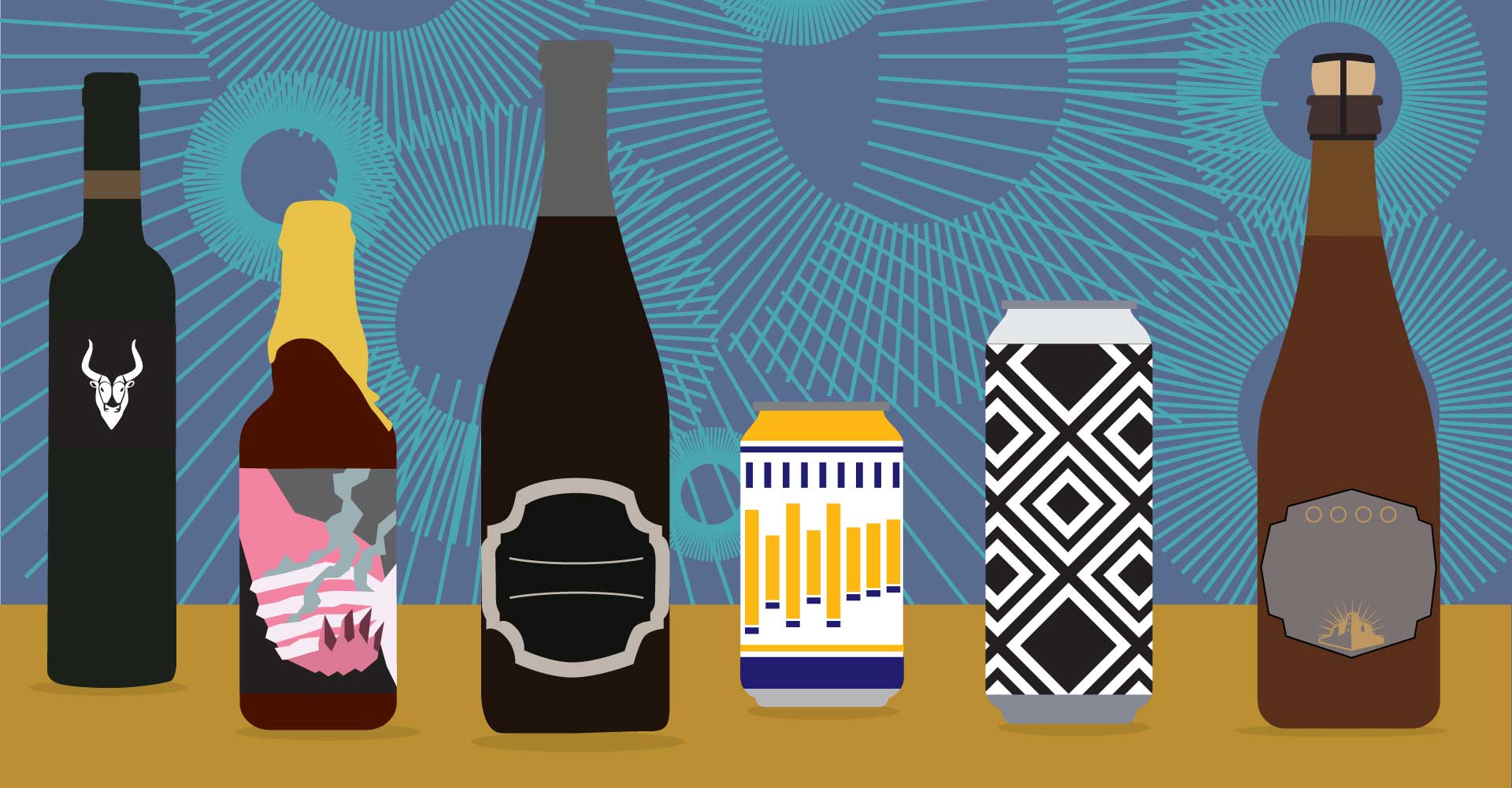
Beyond his in-house emphasis on barrel-aging, Kyle Harrop takes traveling and collaborating to new heights, tag-teaming on a variety of projects with fellow brewers across the country. His selected sixer speaks to his deep beer-geek roots, his love for seeking out obscurities, and his great appreciation for technical proficiency.
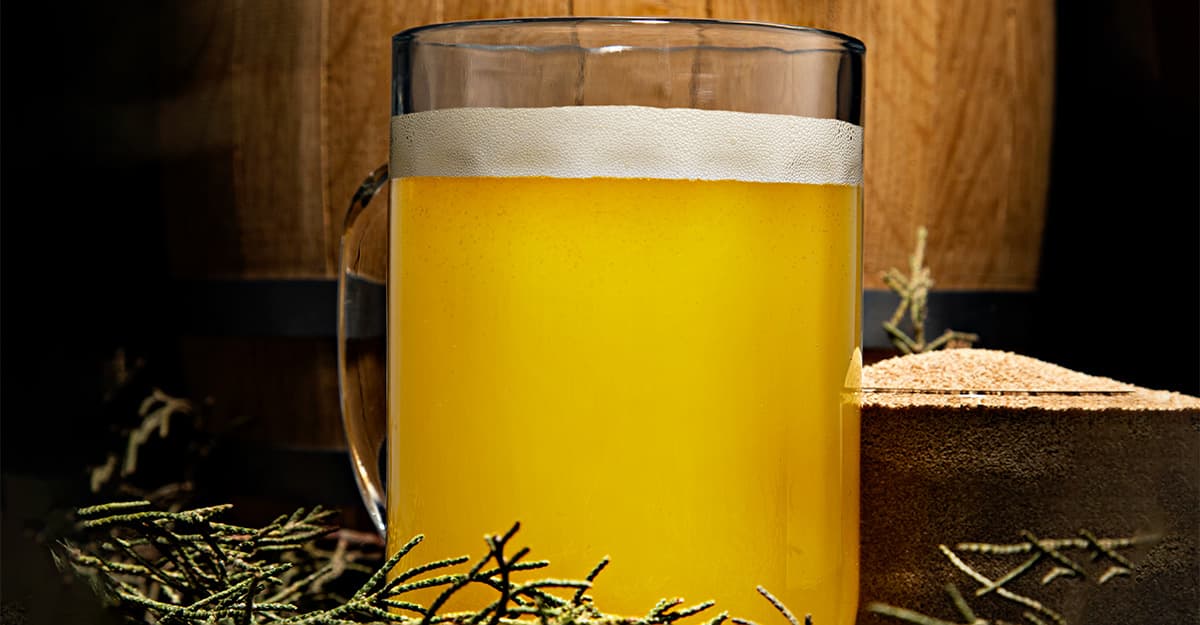
The signature farmhouse style of Estonia is a quirky product of preserved tradition, local ingredients, and practicality. It’s also a perfect reminder that farmhouse brewing is, after all, homebrewing.
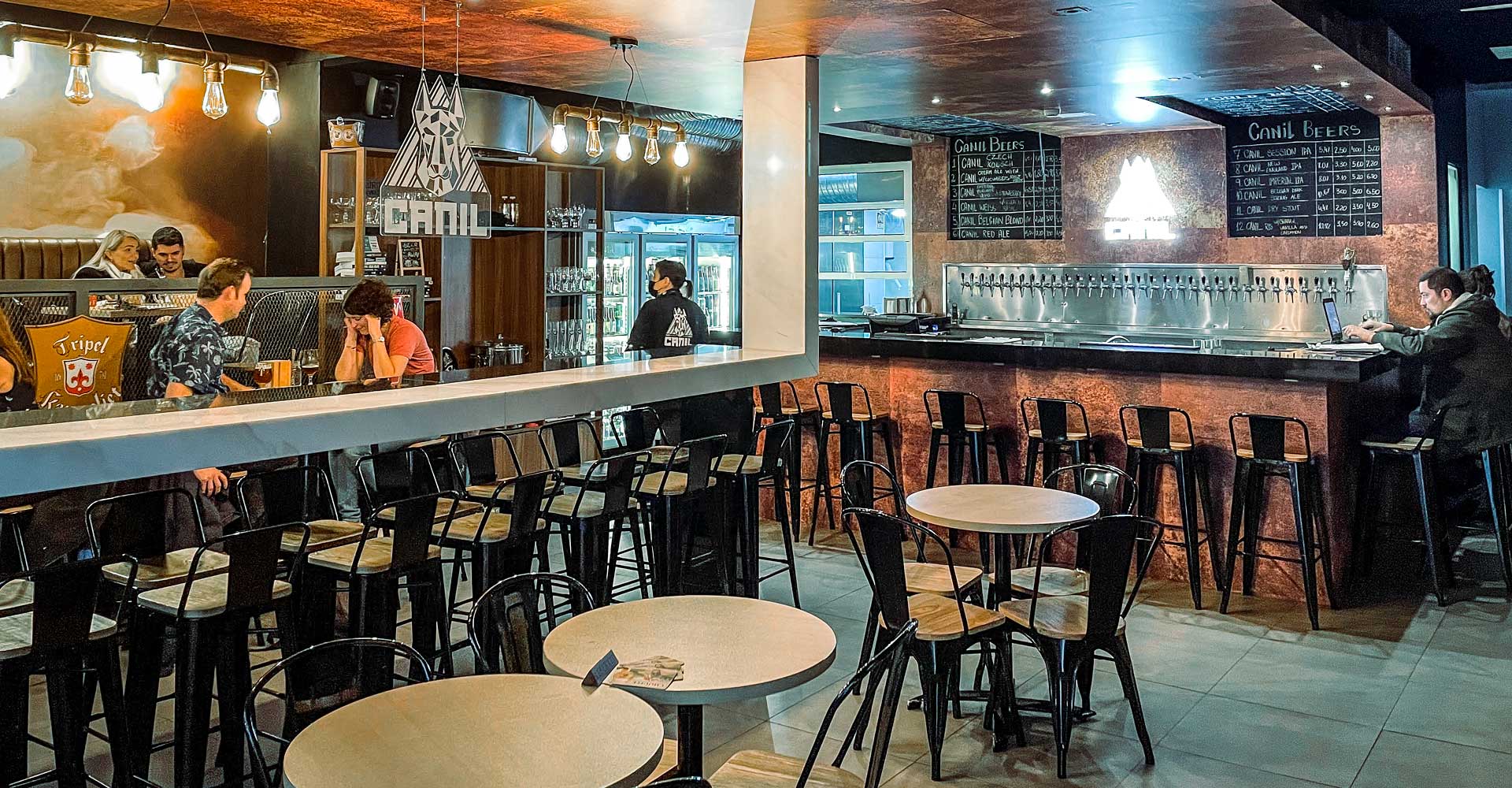
From our Love Handles files on beer bars we love: In the City of the Seven Hills, Cerveja Canil specializes in local craft beers, petiscos, and burgers.
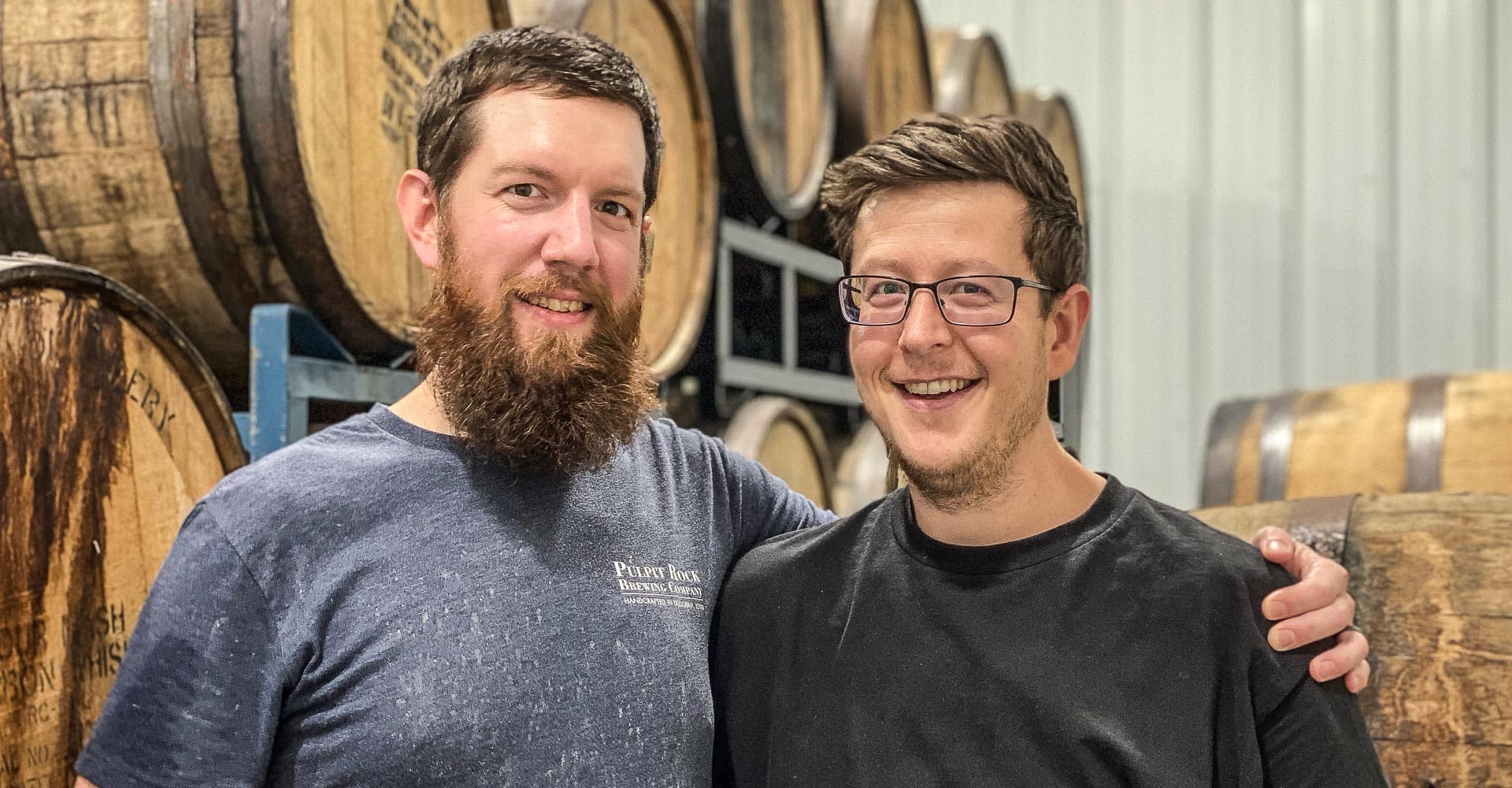
Pulpit Rock is all about the stuff. Their highly prized adjunct stouts have garnered much consumer and critical acclaim, and it’s not hard to understand why—their process isn’t your everyday way of adding nuts into beer.
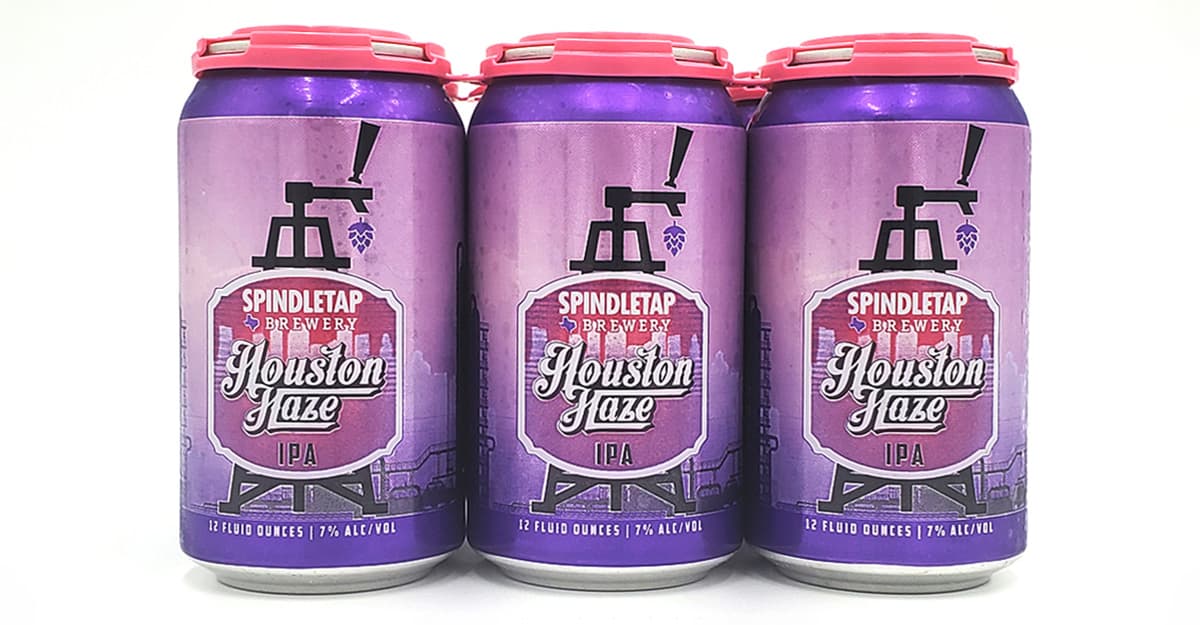
With thanks to cofounder Garrison Mathis and the SpindleTap production team, here’s a homebrew-scale recipe for their bestselling hazy IPA, Houston Haze.

“In a world where it seems like there’s nothing new,” says Lauren Limbach, wood cellar director and blender at New Belgium Brewing, “there’s still something nobody else is doing.”
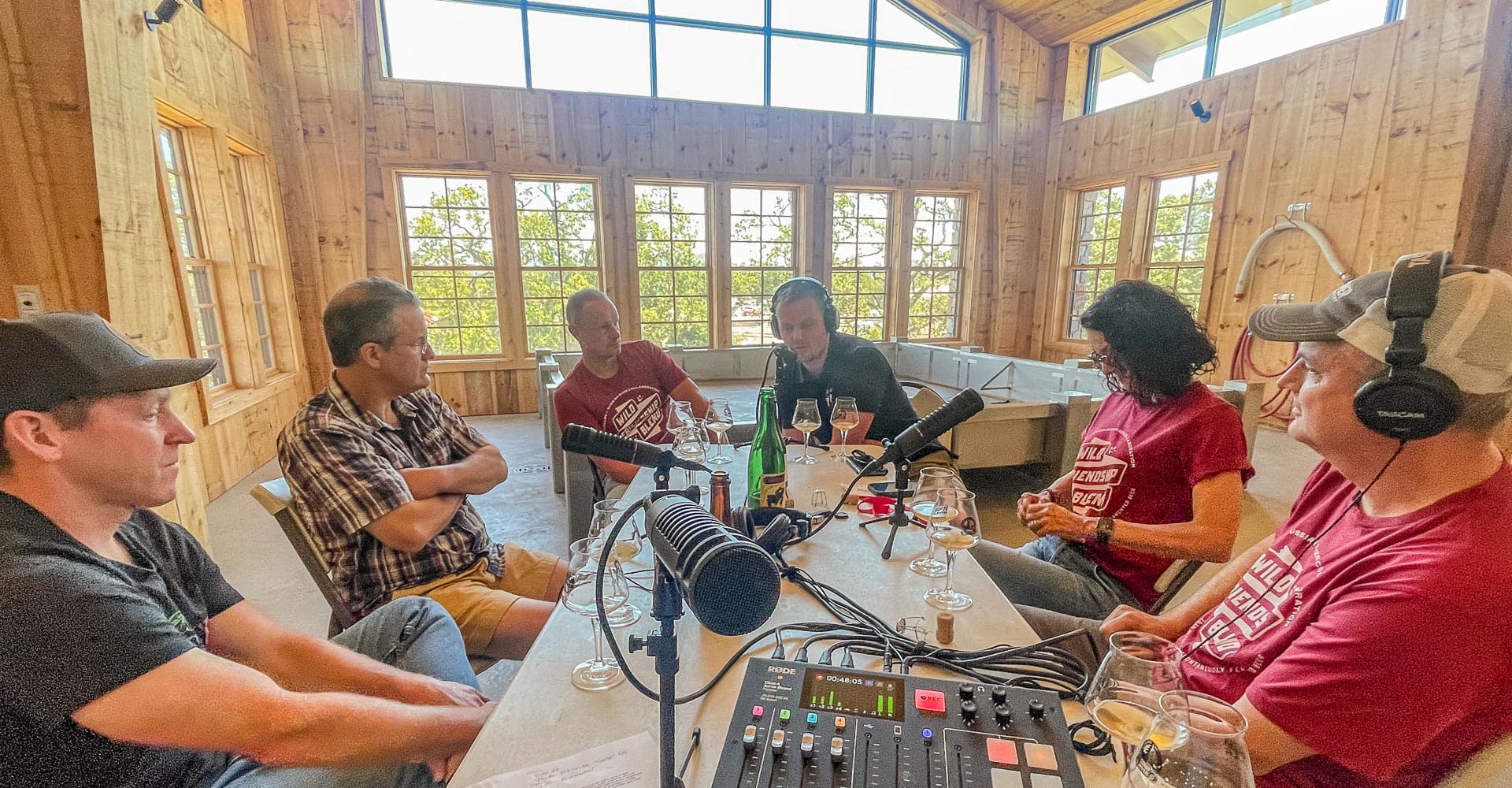
Recorded at the Wild Friendship Blend event at Russian River Brewing, this conversation among friends and peers explores questions of common practice and unique adaptations across spontaneous brewing in markedly different environments.

You may have noticed something different about BSG lately ...
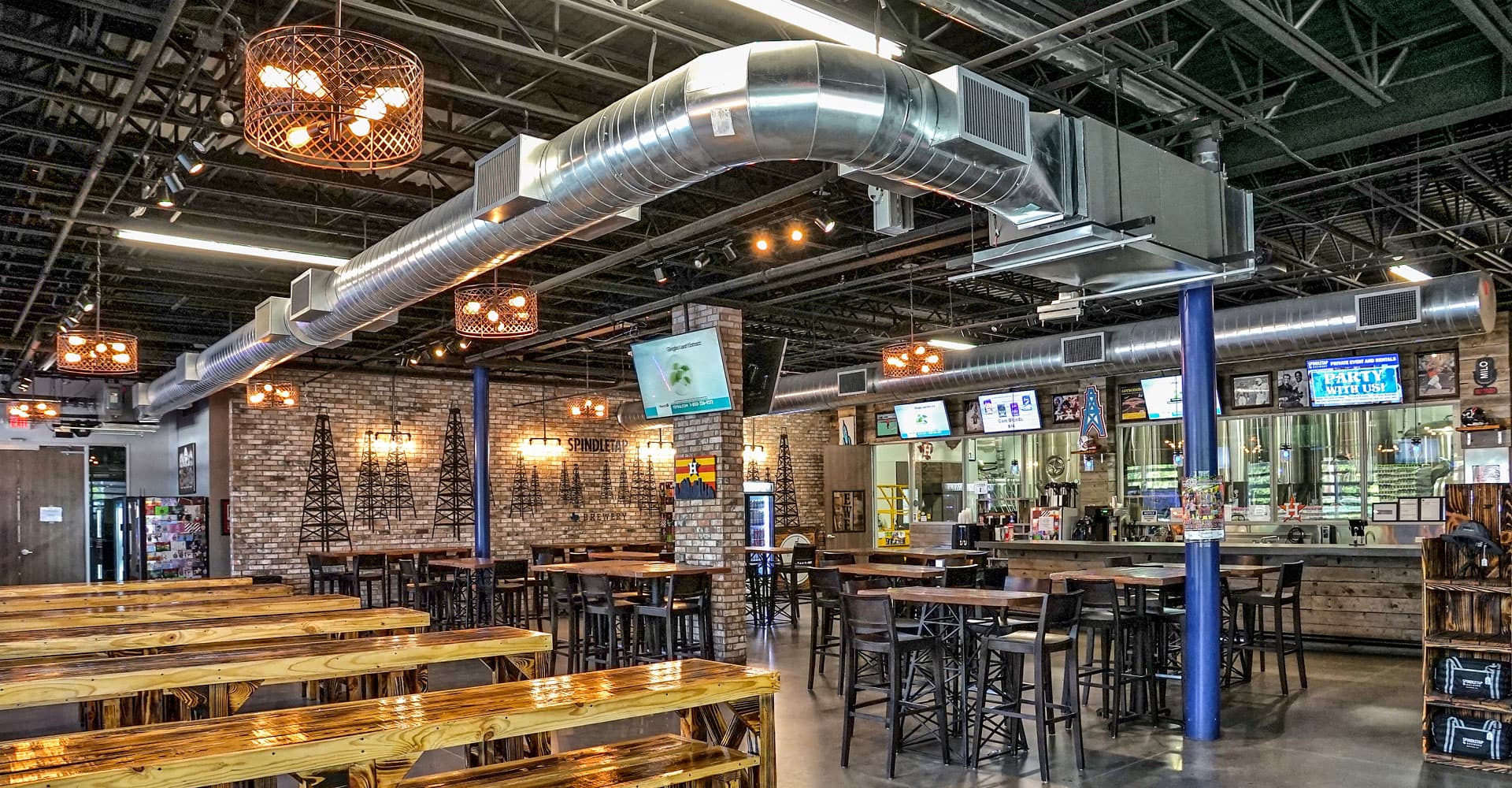
Houston’s SpindleTap is known locally for hazy IPA, but it’s no one-trick pony—as evidenced by the imperial stout that became one of Craft Beer & Brewing Magazine’s Best 20 Beers in 2021—and the brewery is increasingly exploring other styles and beverages.
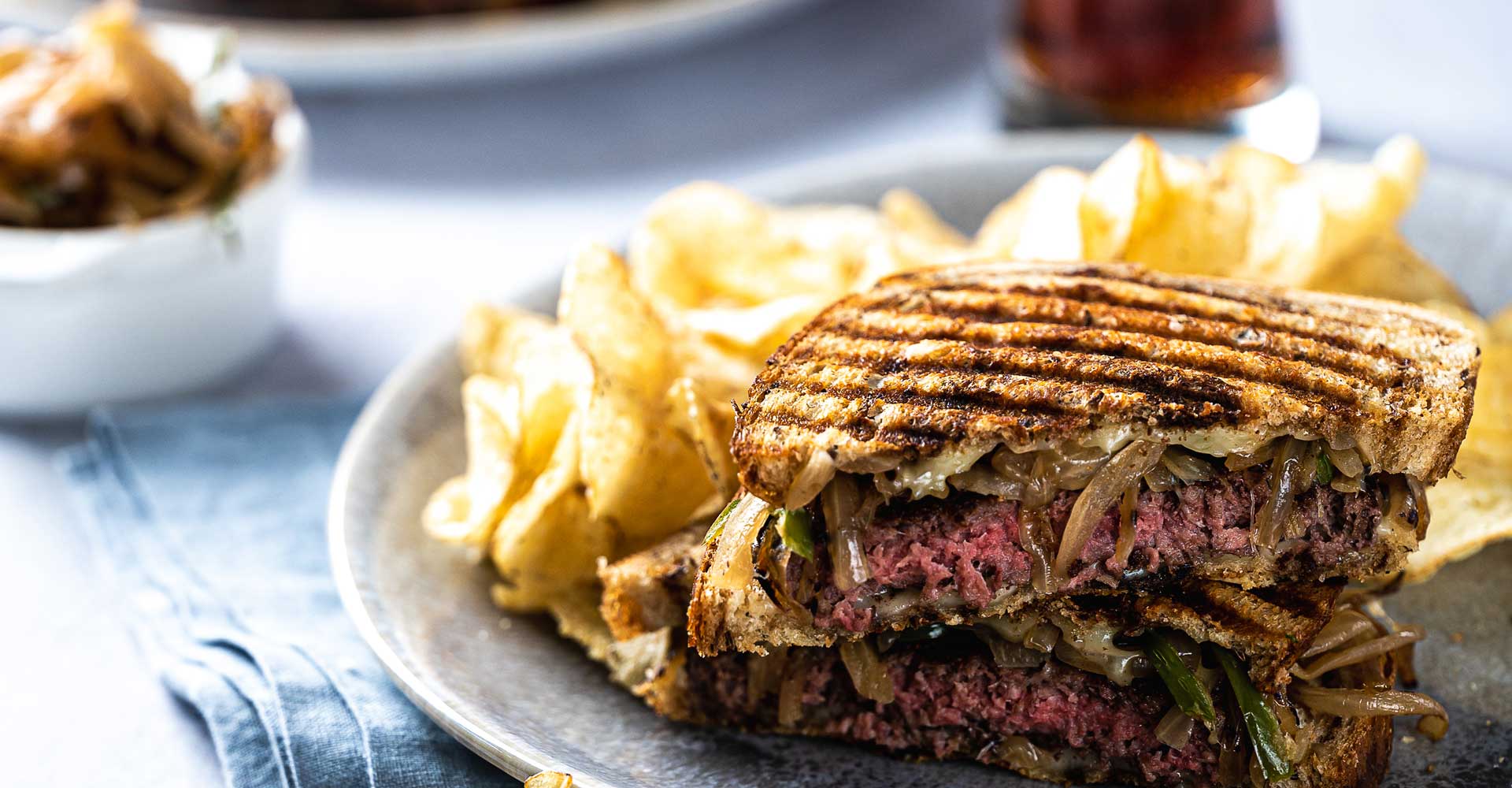
A pale ale that leans herbal and spicy is bound to taste great with this jalapeño patty melt—and if you need to deglaze the pan, why use water when you could use a splash of beer?
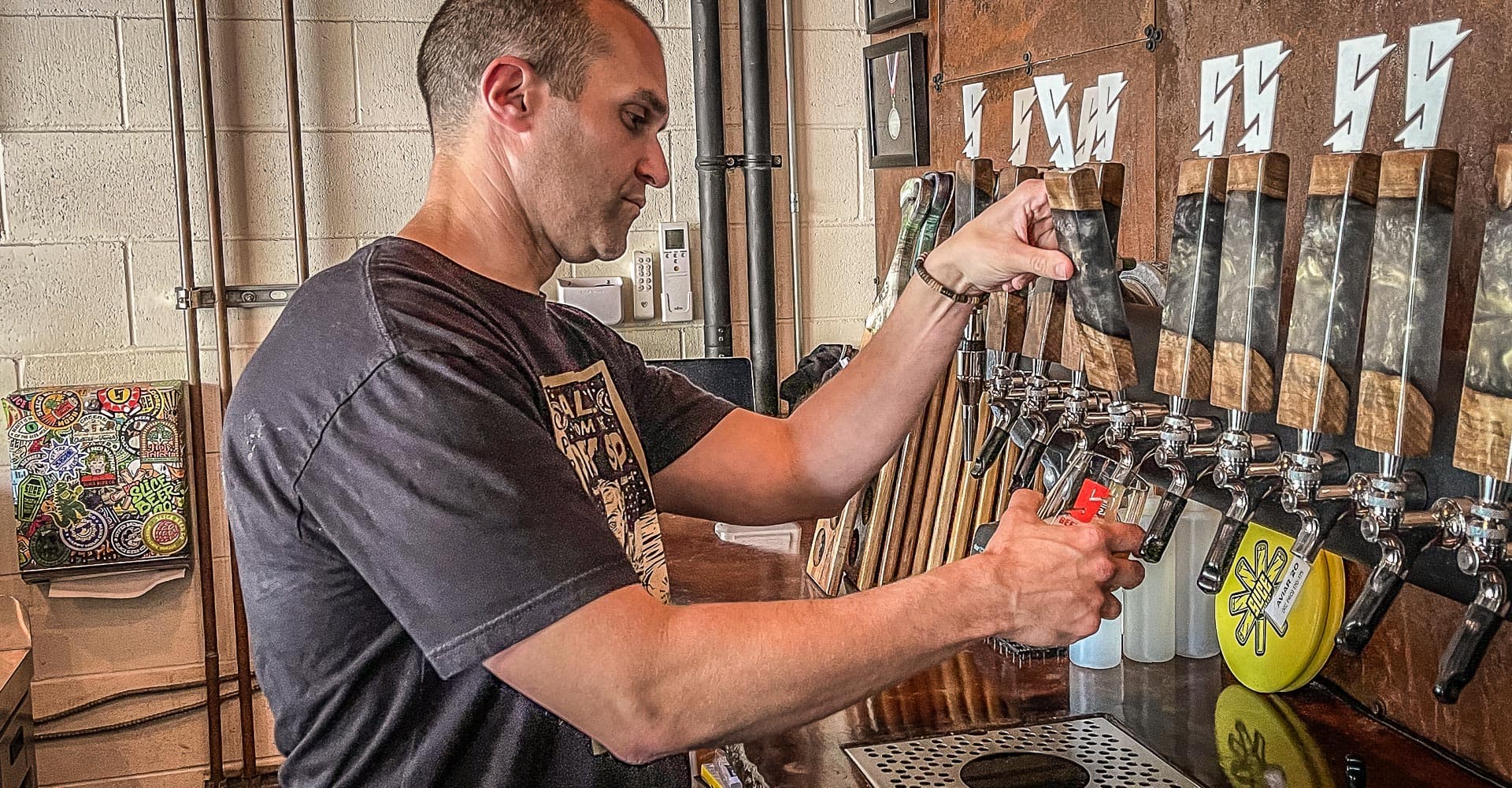
Northern California’s Slice Beer has quickly built a reputation for evocative and expressive IPAs in both West Coast and hazy veins. Partner and head brewer Zack Frasher shares his philosophy and technique for brewing with hops across styles.
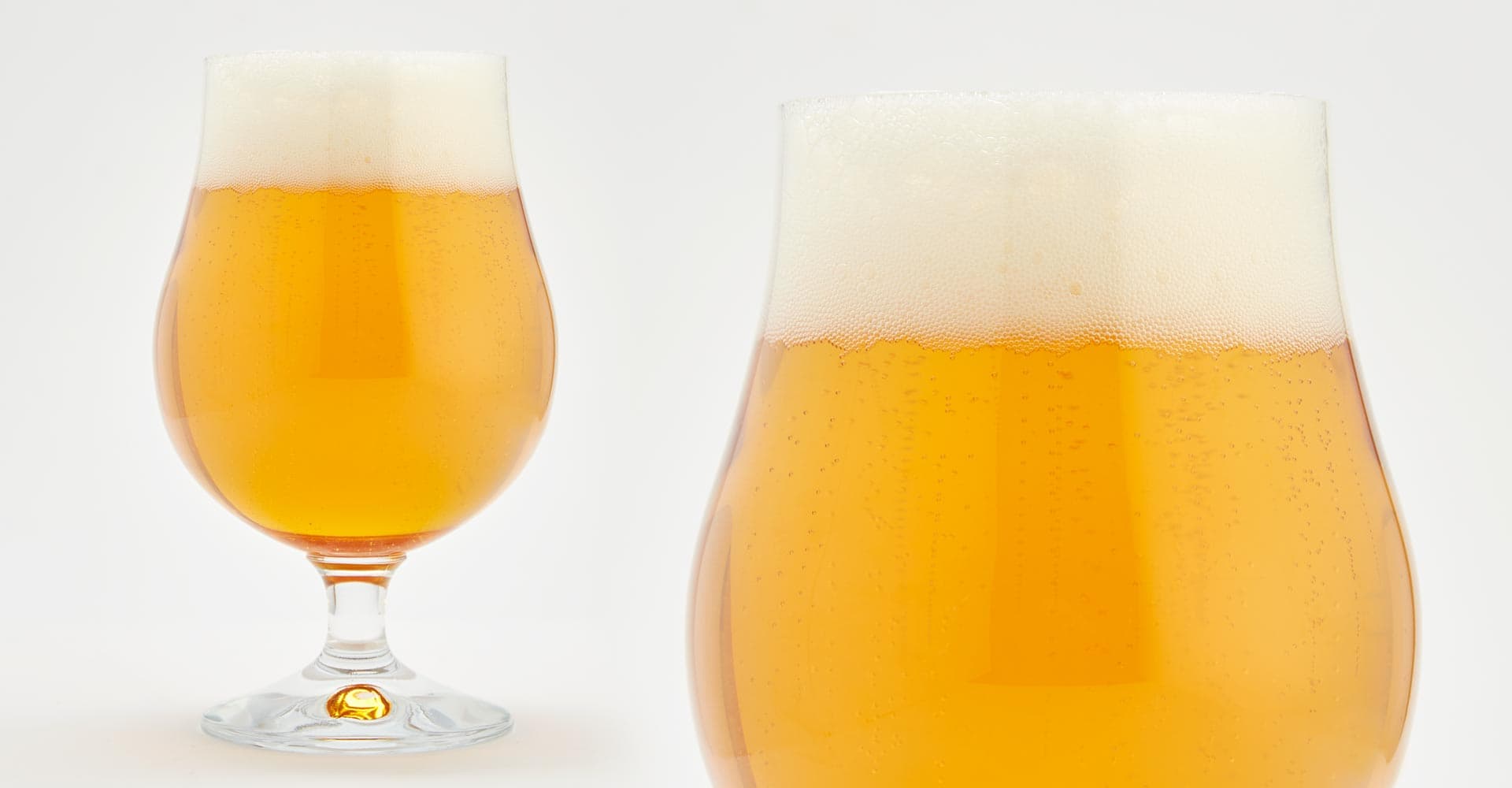
With thanks to the brewing team at Ghostfish in Seattle, this recipe is for a gluten-free Belgian-style strong ale with a bold, golden hue, solid body, warming booziness, and a classic ester profile.
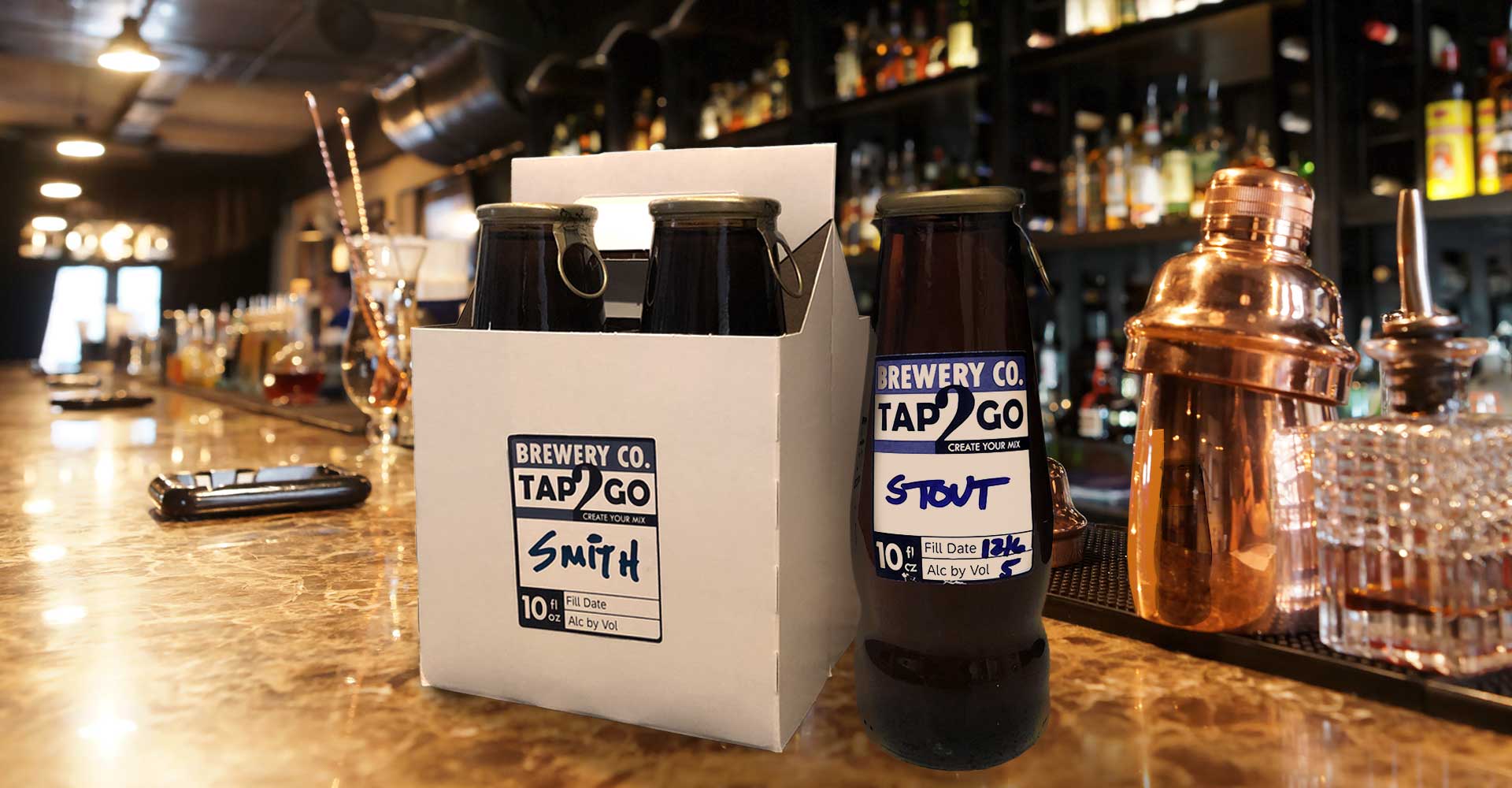
Here’s why Drinktainer’s wide-mouth opening is the clear choice for your brewery’s to-go program.

Laura Burns, R&D director of Omega Yeast, explains how mash-hopping makes more thiol precursors available to biotransformation—and how malt itself can be a rich source of those precursors—so that even very simple beers can have exotic aromas.
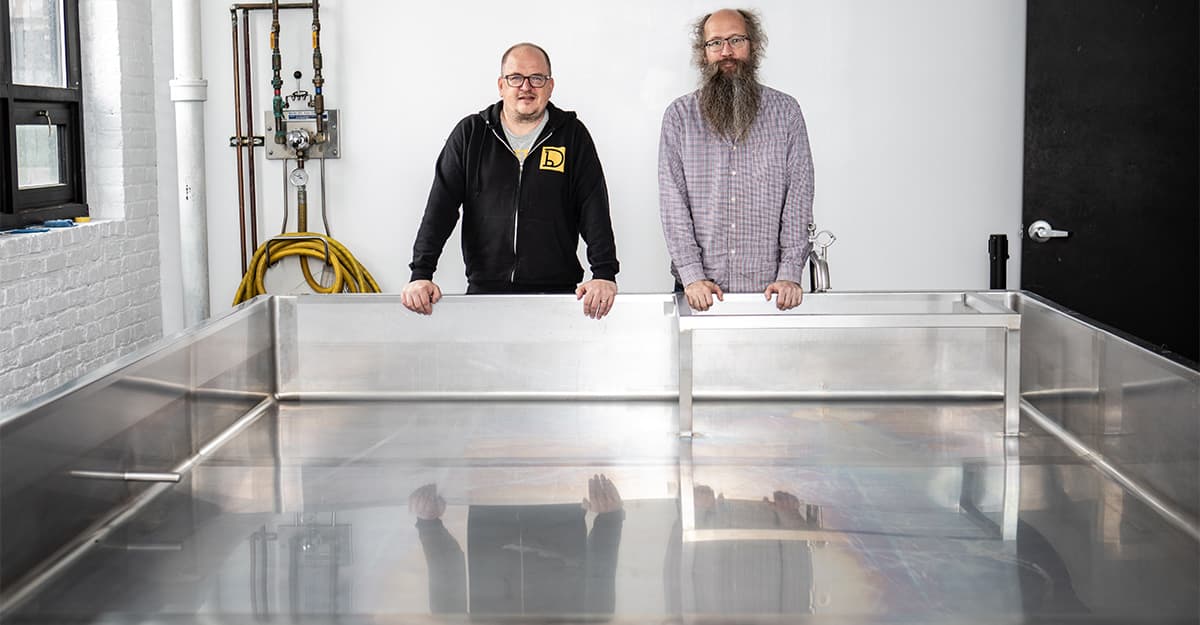
Dovetail cofounders and master brewers Bill Wesselink and Hagen Dost explain the benefits of using a coolship for an initial cooling stage before chilling—solids drop out, DMS precursors waft away, and hops can add a burst of aroma.