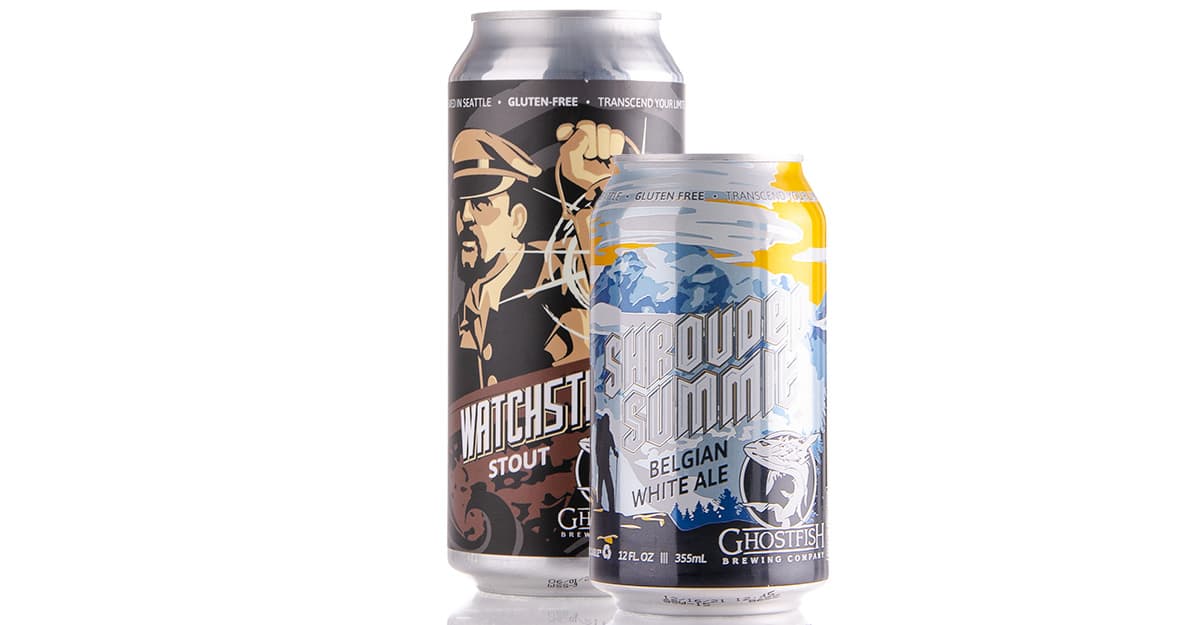
Brewer’s Perspective: Going Gluten-Free with Ghostfish
The production team at one of the world’s most accomplished gluten-free breweries lays out the alternative routes they take to making great-tasting beer—without barley, wheat, or oats.

Showing 1361-1380 of 4637 articles
The production team at one of the world’s most accomplished gluten-free breweries lays out the alternative routes they take to making great-tasting beer—without barley, wheat, or oats.
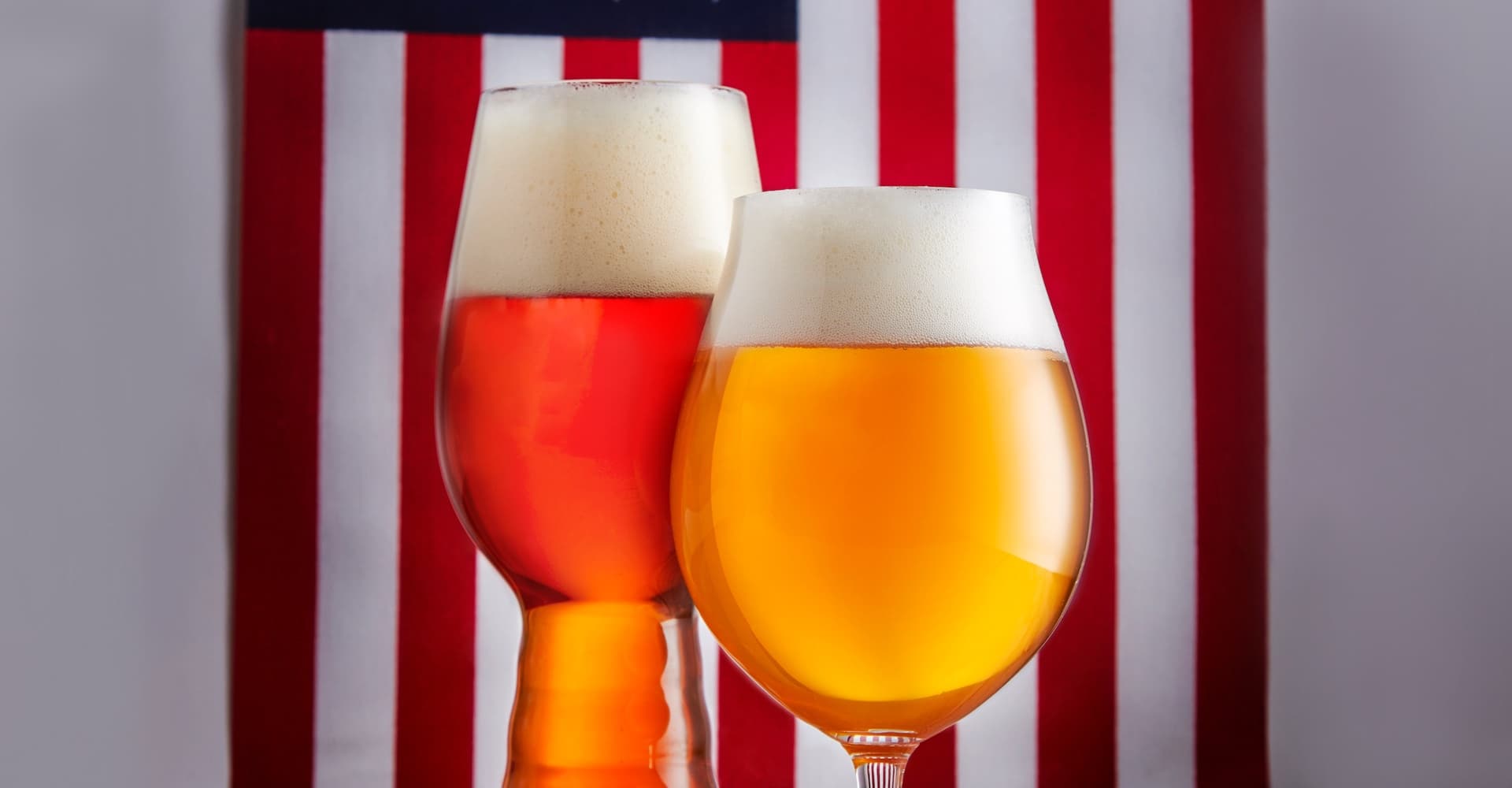
This throwback recipe has a tad more malt backbone and sweetness than today’s leaner West Coast–style IPAs. (It tastes like America.)
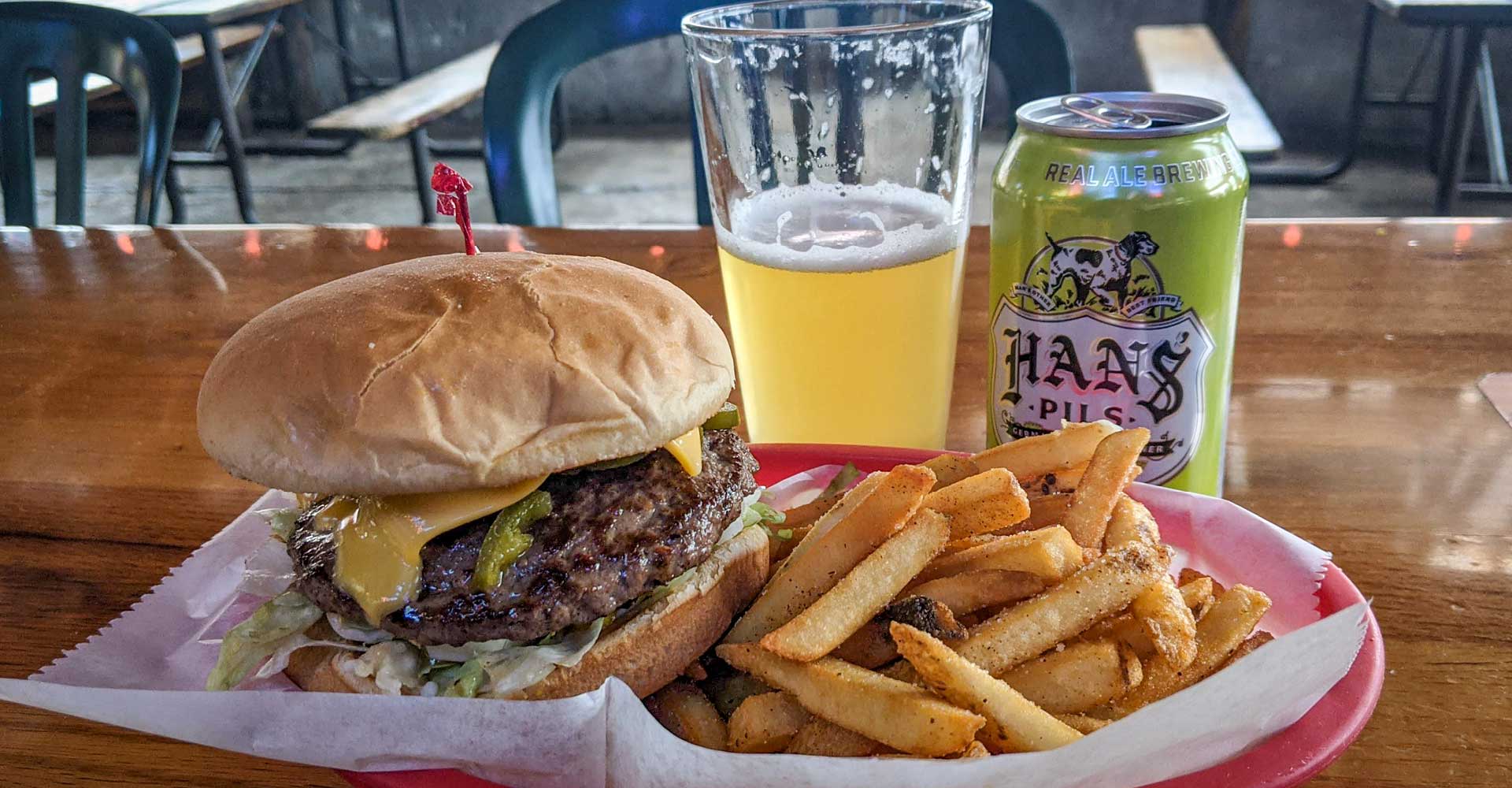
From our Love Handles files on beer bars we love: This unpretentious pub near the University of Texas is light on frills and heavy on local craft.
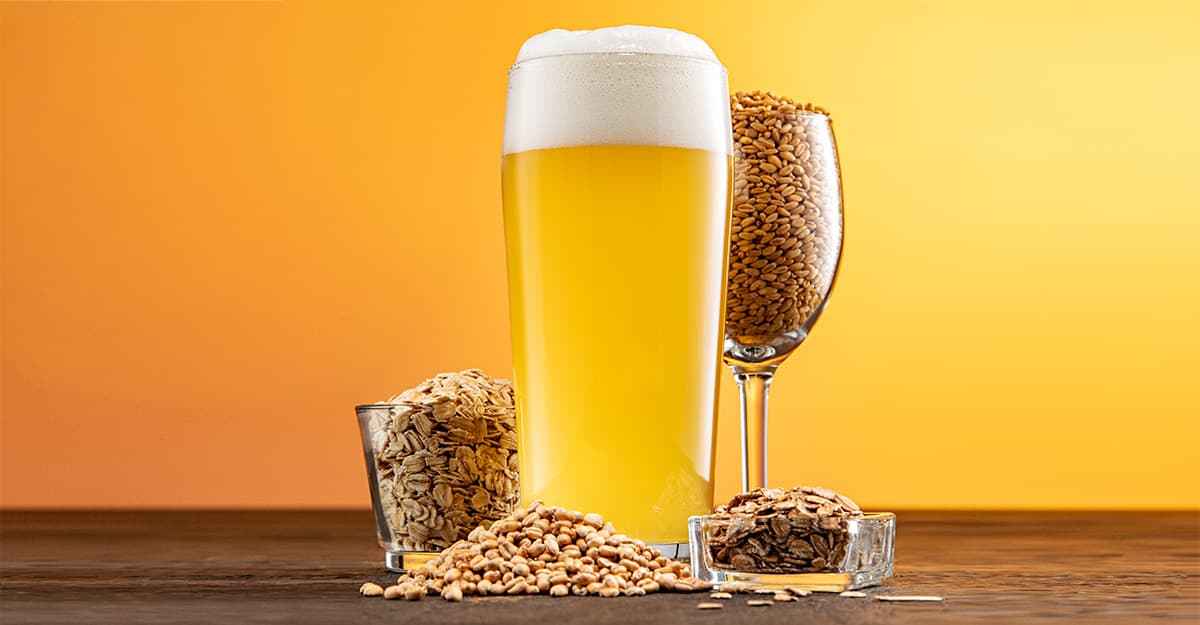
Human civilization has evolved alongside wheat, whose properties create a wide swath of beer’s diversity of flavor and texture—from quenching weissbier to soft, hazy IPA. Randy Mosher digs into its history and chemistry.
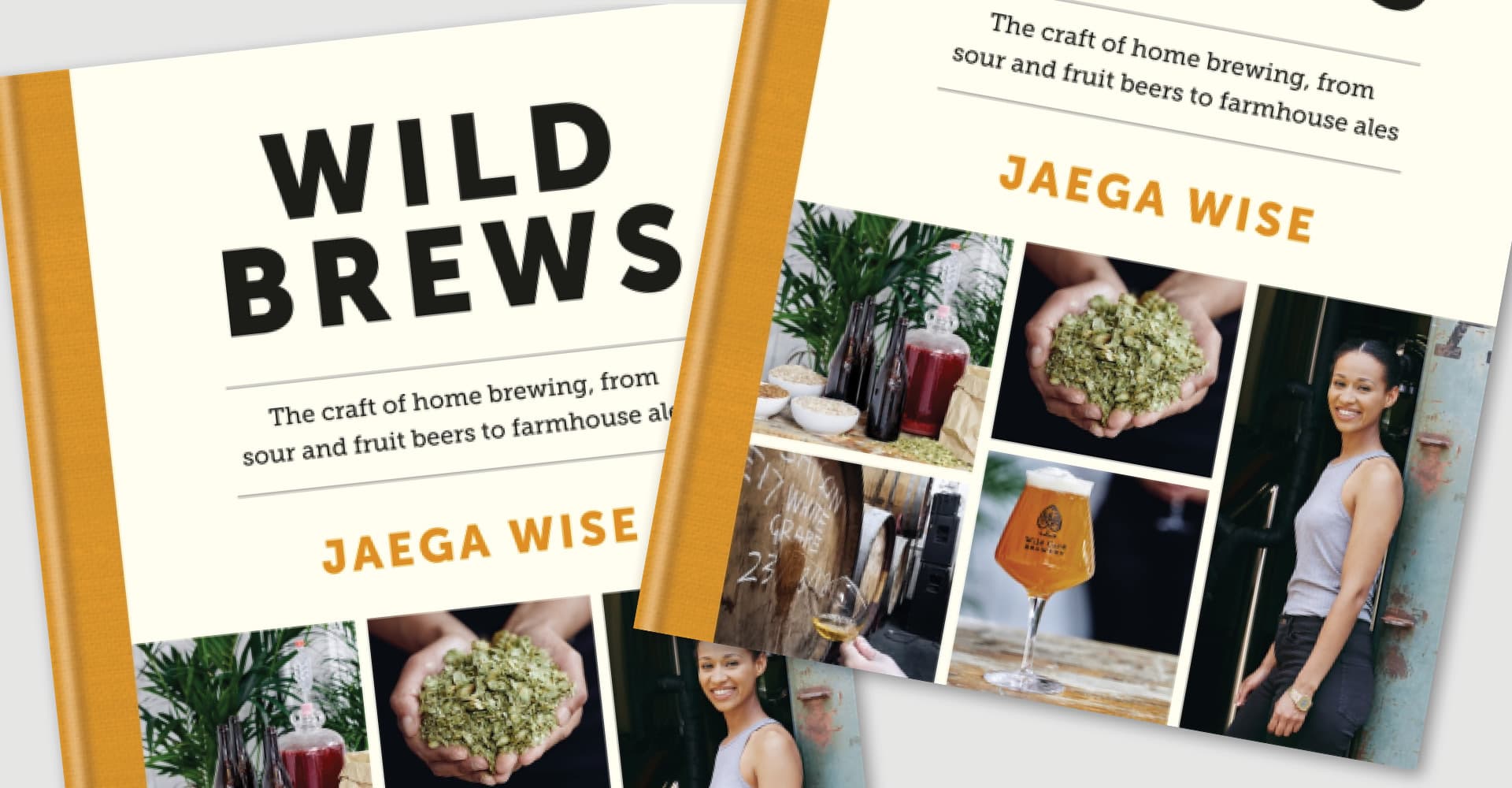
The chemical engineer turned head brewer for London’s Wildcard Brewery is a popular TV presenter in the UK, and her accessible style backed with impeccable brewing knowledge helps her demystify complex styles like hazy pale ale and mixed culture saison.
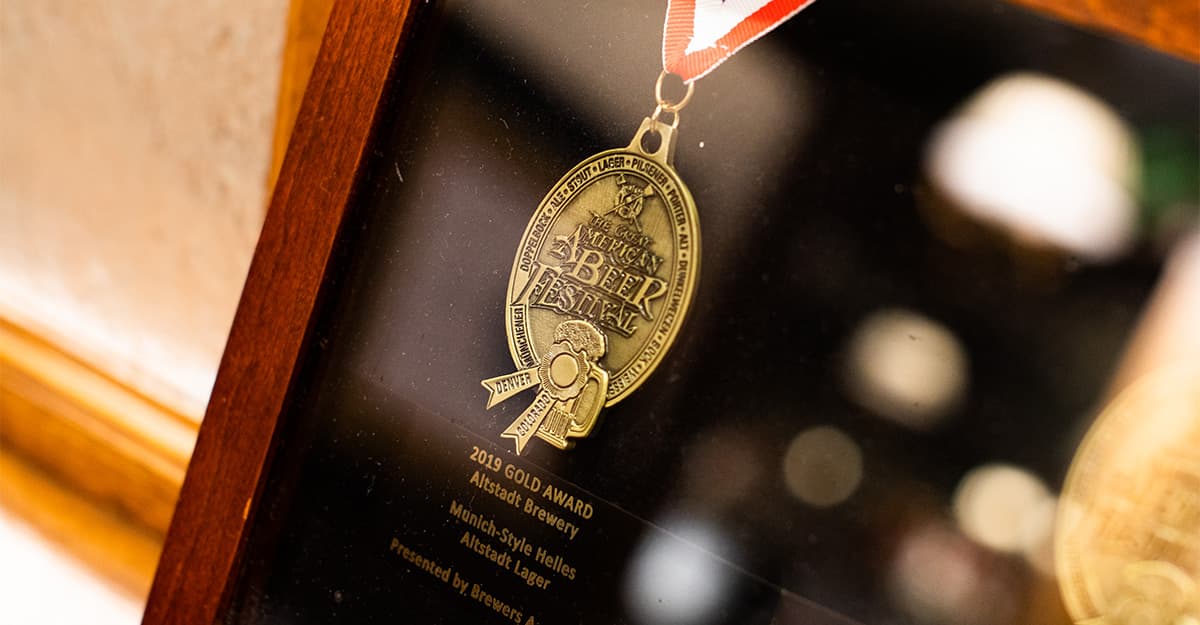
For the lager lovers, here’s a homebrew-scale recipe for the beer that won a gold medal for Munich-Style Helles at the 2019 Great American Beer Festival.
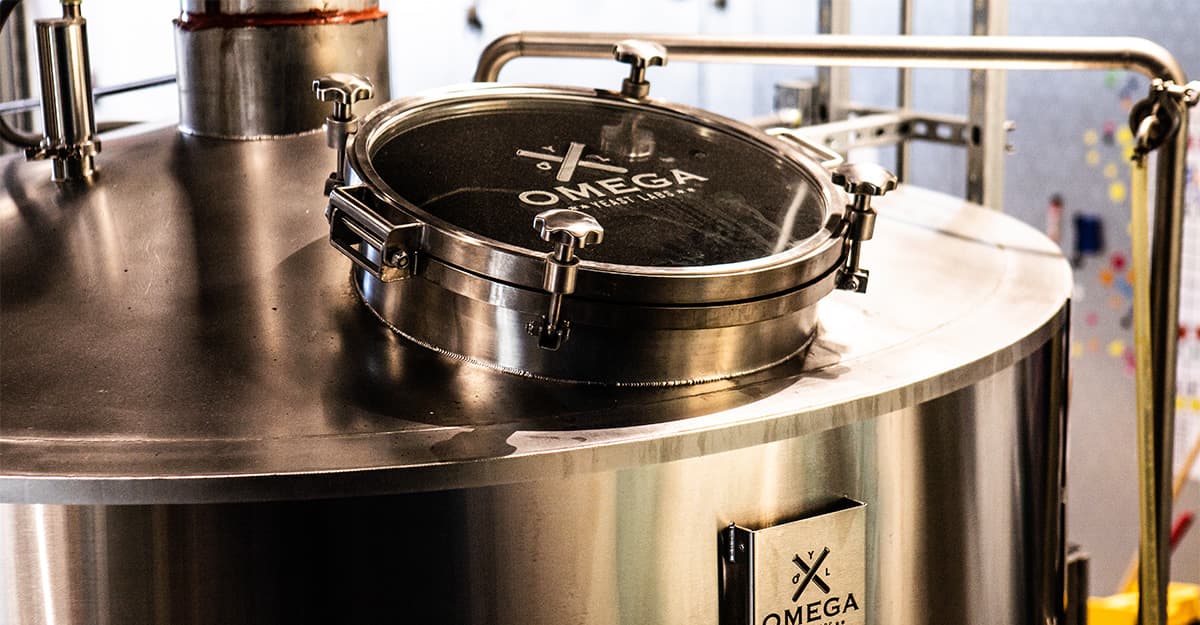
Biotransformation is an expansive, complex process. Laura Burns, R&D director of Omega Yeast, puts the topic into context, raising questions about the conventional wisdom and zooming in on certain precursors that exist in beer’s ingredients.
This riff on an altbier recipe includes three different types of rye malt, making it a great way to get to know the ingredient and what it can contribute to a beer.
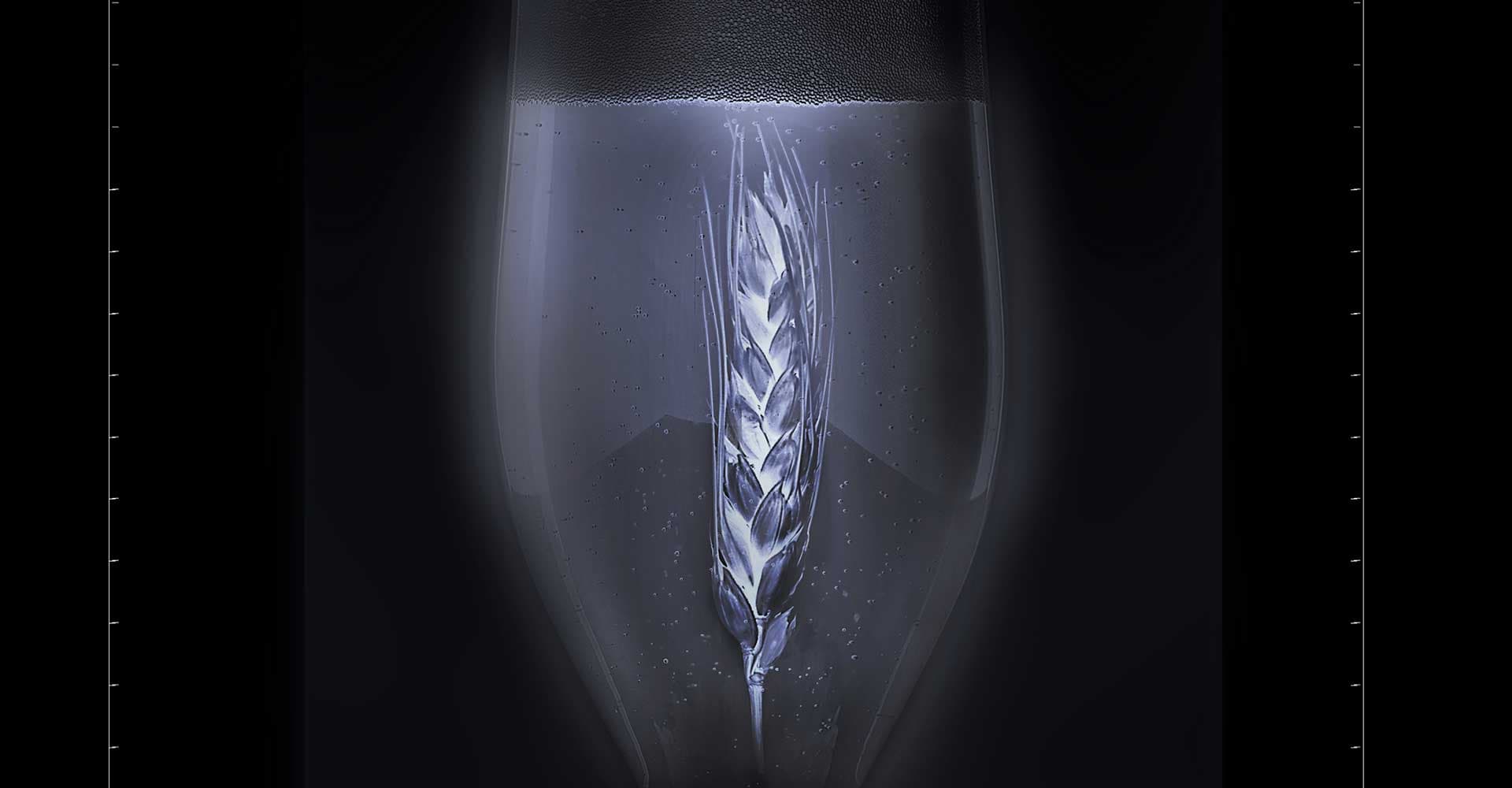
Why ask rye? Is it actually all that tricky to use? And what does rye really taste like, anyway? Let’s simplify this complex, evocative, old-fashioned ingredient—and make some great beer with it.

The proliferation of time-wasting app games in recent years has inevitably included some related to beer. But are any worth playing? That depends entirely on how you value your time. We tried them out, so that you don’t have to.
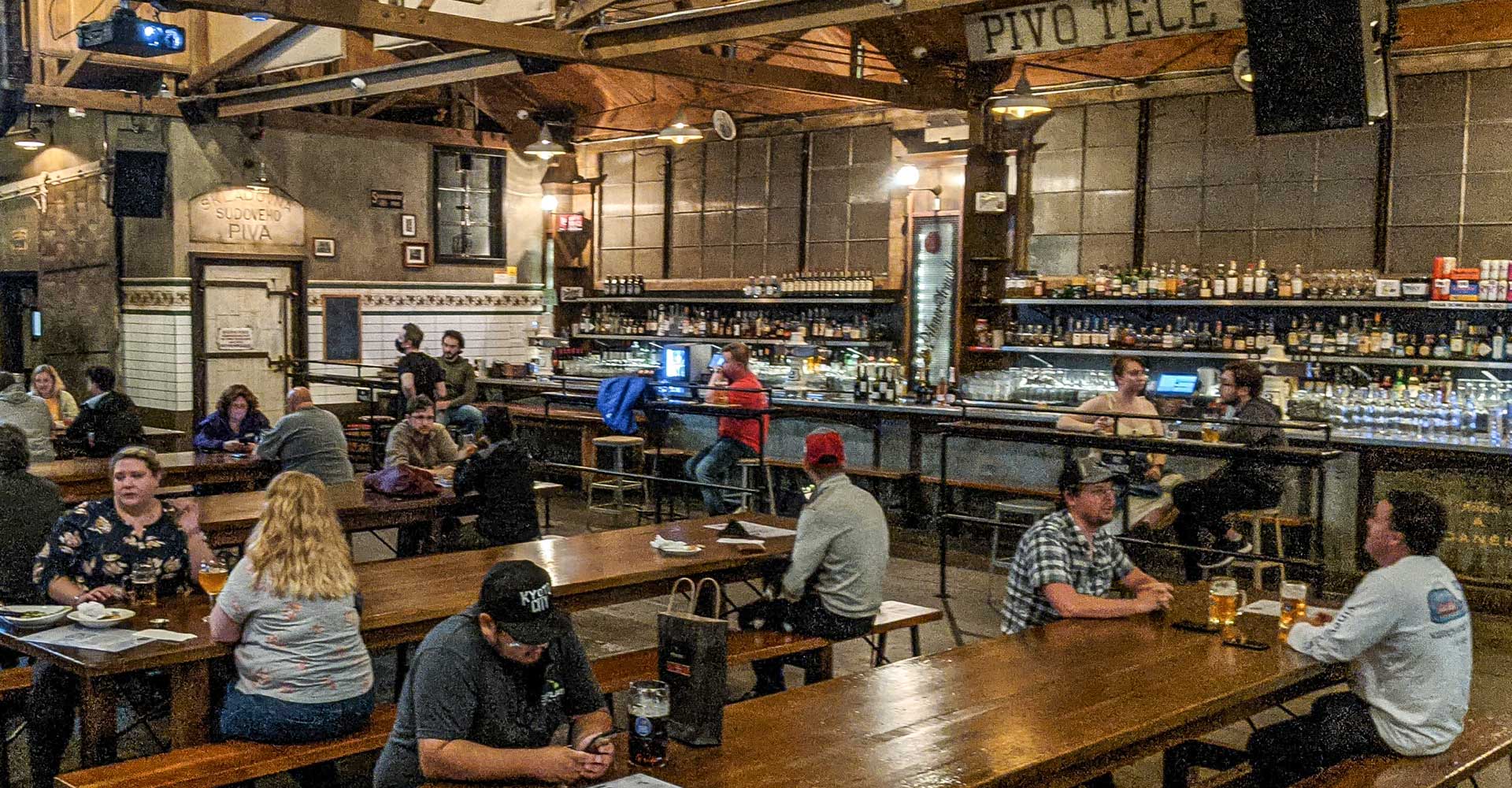
From our Love Handles files for great beer bars: This spacious palace of hospitality trades in well-regarded comfort food and tall krugs of lager and ale.
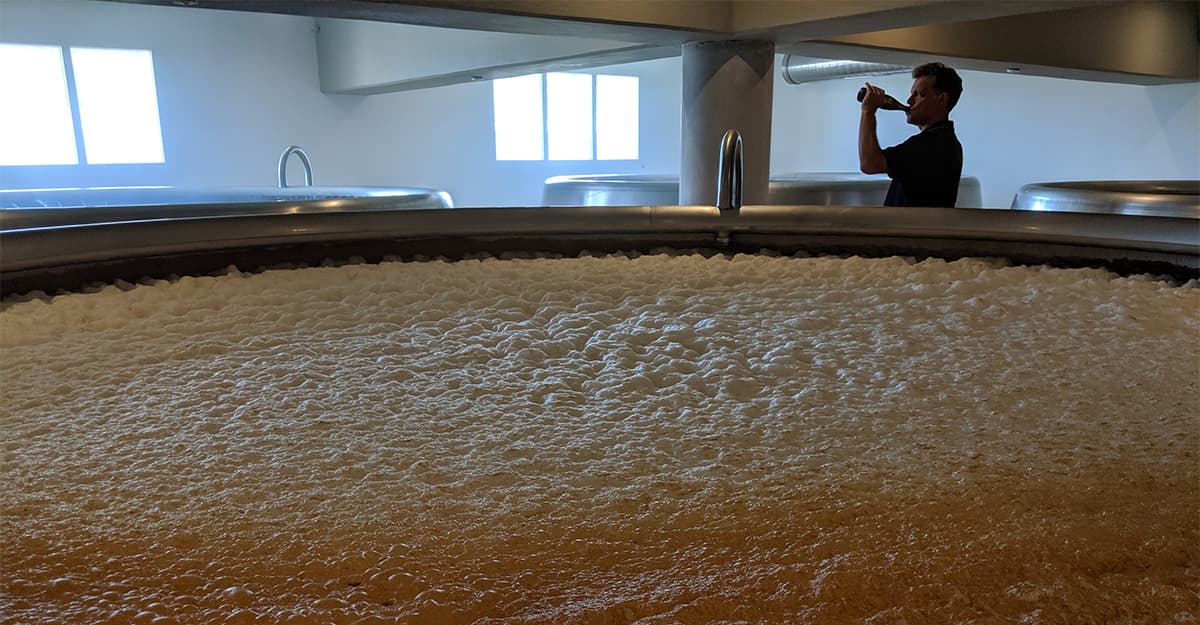
The Wyoming-born brewmaster of the Private Landbrauerei Schönram in southeastern Bavaria digs into the details of how they brew their captivating, award-winning lagers.
Beer events are back with a vengeance, and festgoers are choosing their outings carefully. The Bay Area Brewers Guild is working with independent breweries and other guilds to strengthen community ties and offer the most rewarding events and collabs.
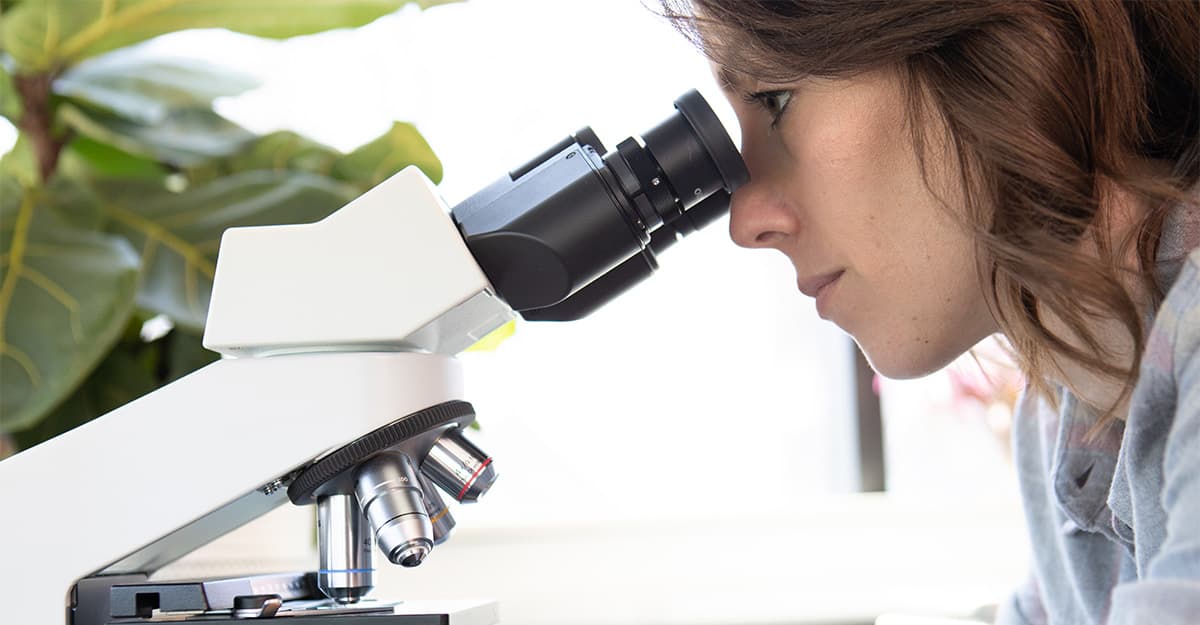
Laura Burns, director of research and development at Omega Yeast, explains the impact that thiols can have on beer aroma—and why brewers and yeast labs are increasingly interested in how to unlock their potential.
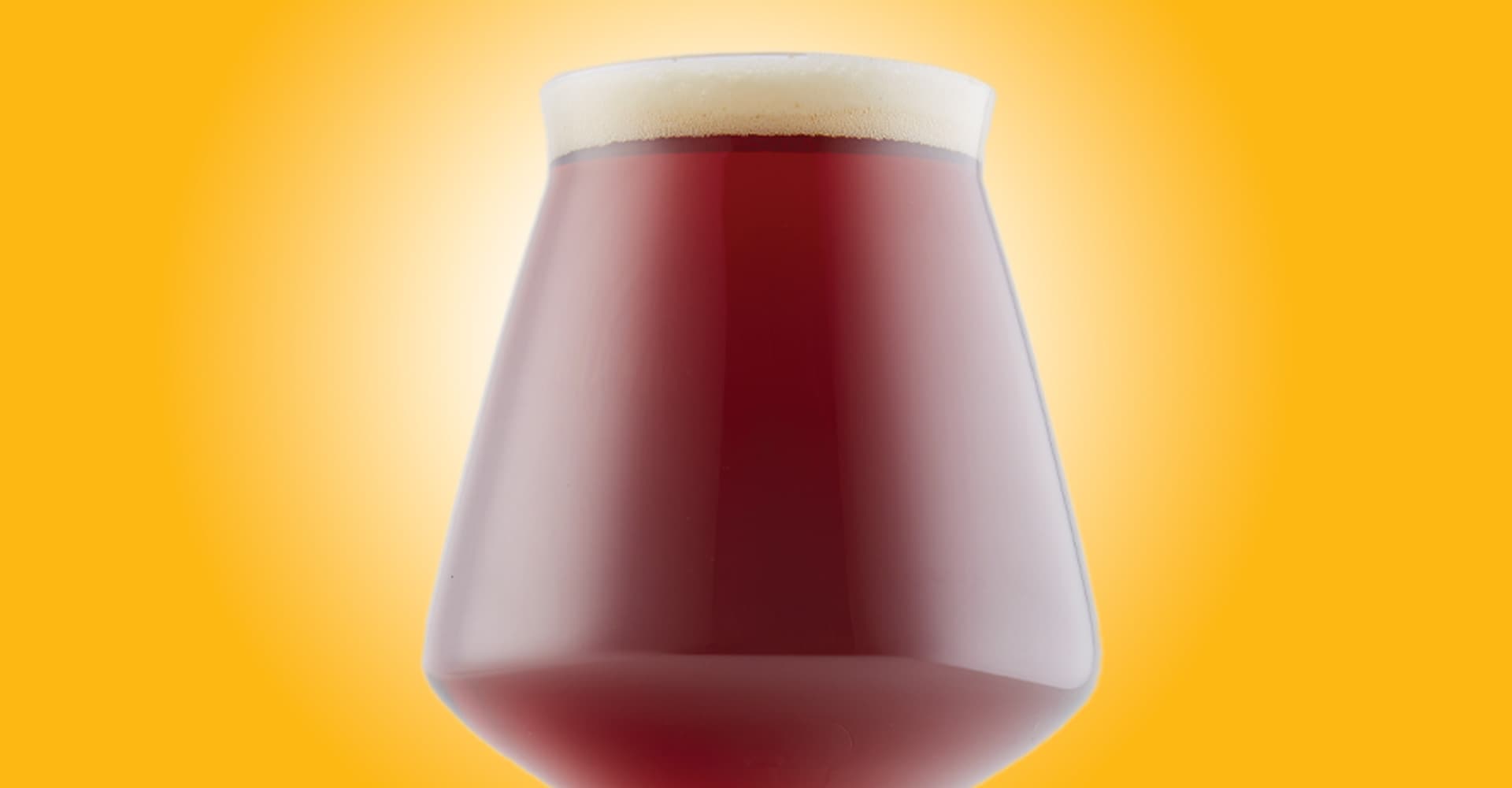
Forget what you think you know about Scottish “wee heavy.” Courtesy of founder Gareth Young, this is Glasgow-based Epochal’s historically rooted take on a strong stock ale: huge, heavily hopped, and matured for months with hops and Brettanomyces.
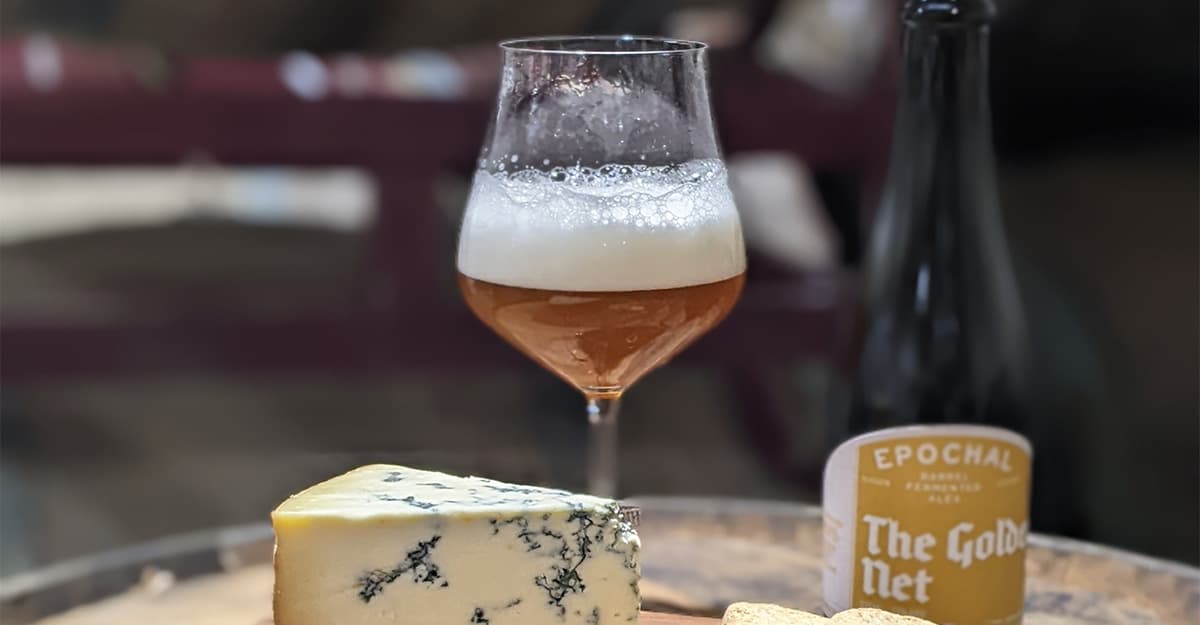
You think you know Scotch ales? Based in Glasgow, Epochal Barrel Fermented Ales specializes in mixed-culture beers matured in oak, inspired by Scottish brewing tradition. Here, founder and brewer Gareth Young explains the surprising history and process.
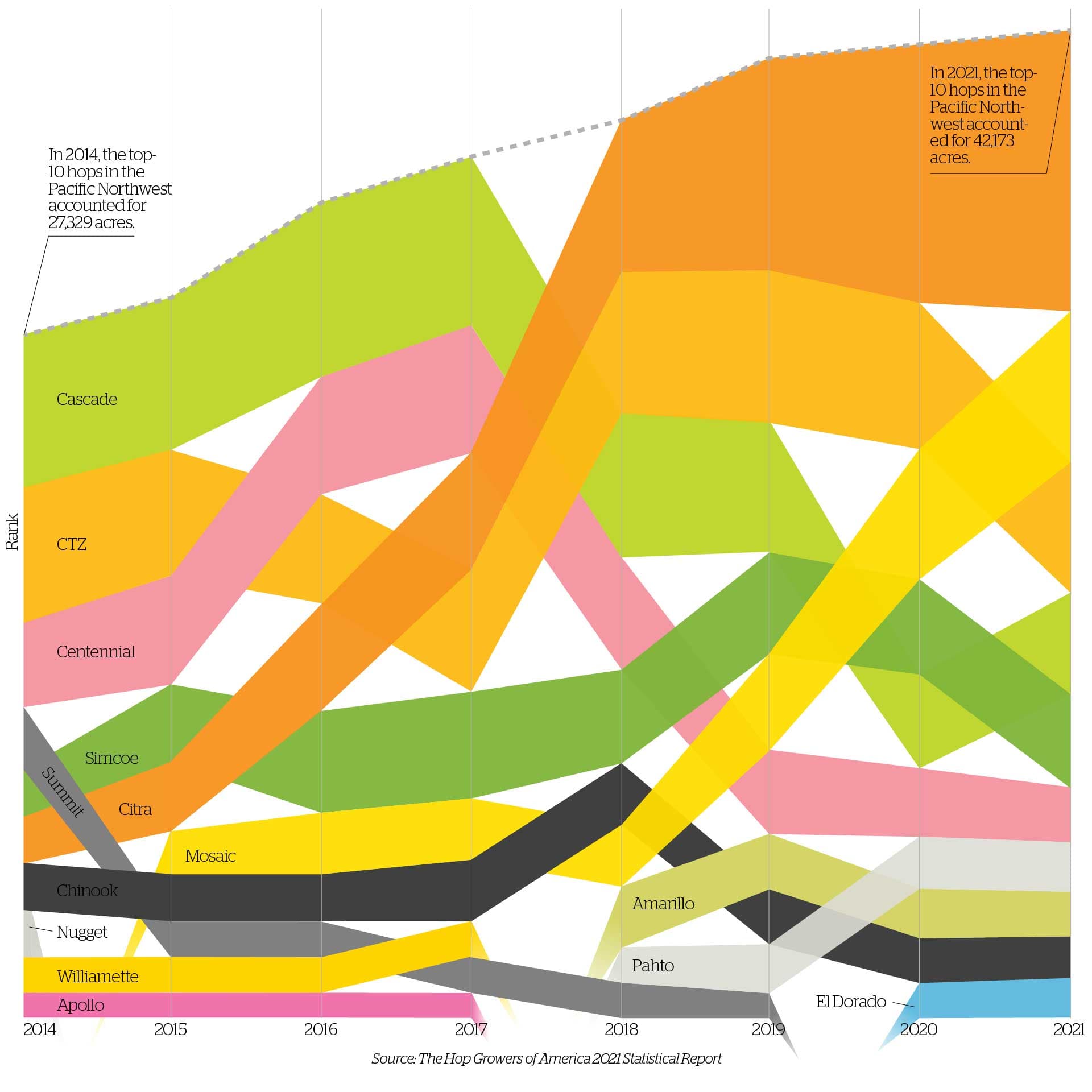
Citra reigns, with Mosaic in ascendance. Here’s a visual look at the most-grown hops in the Pacific Northwest, and how they’ve changed in popularity over the past seven years.
From Josh Weikert’s Make Your Best series: The dose of sugar and mash regime should help get this dry, while the Crystal hops and light esters add pleasant character to a clean background. The result is a beer that drinks well by the liter.
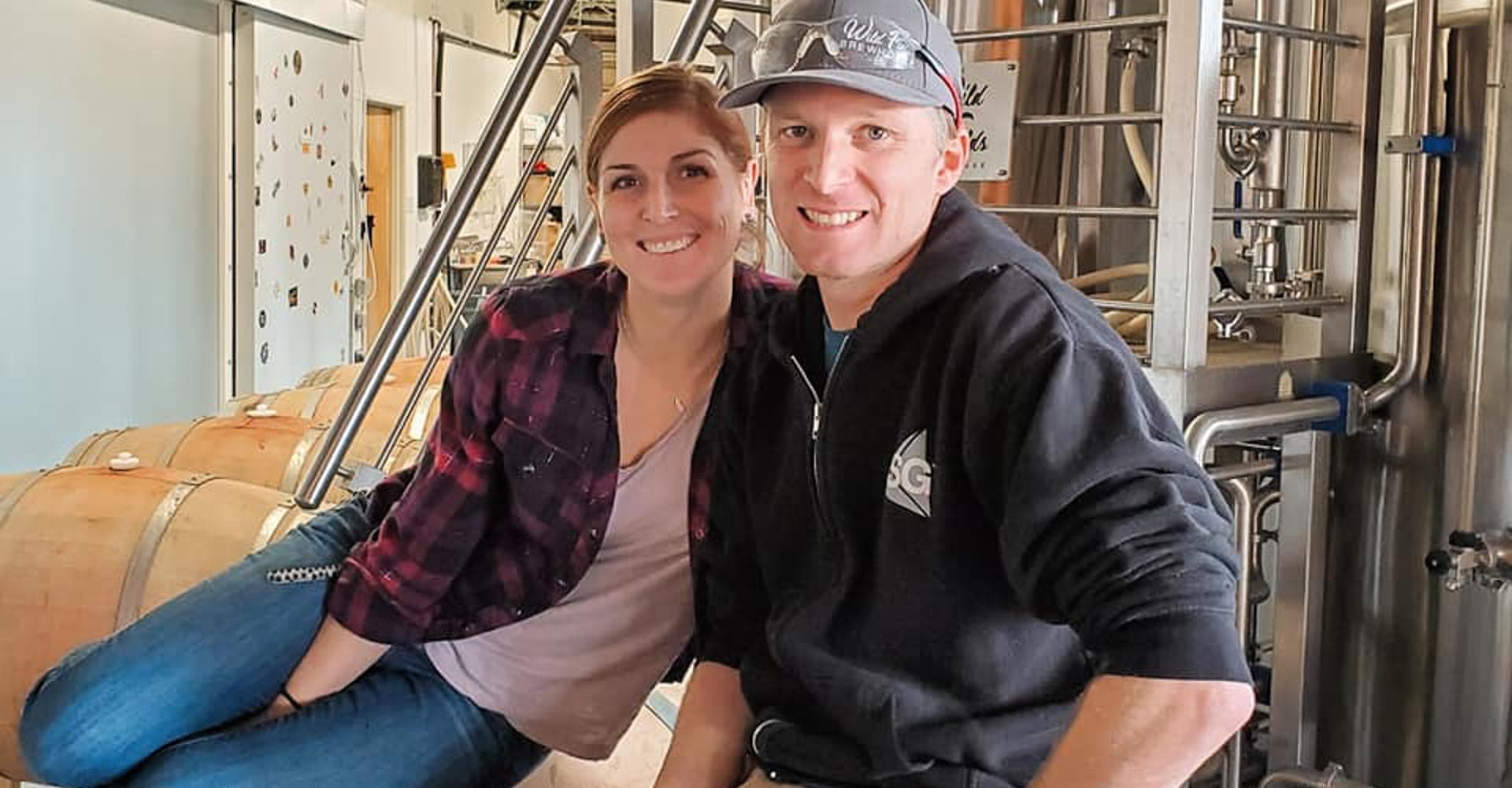
At the 2022 World Beer Cup, California’s Wild Fields won four gold medals—a feat no craft brewer had achieved. But those who’ve followed the career of Ryan Fields aren’t entirely surprised—his studious approach has been paying dividends for years.
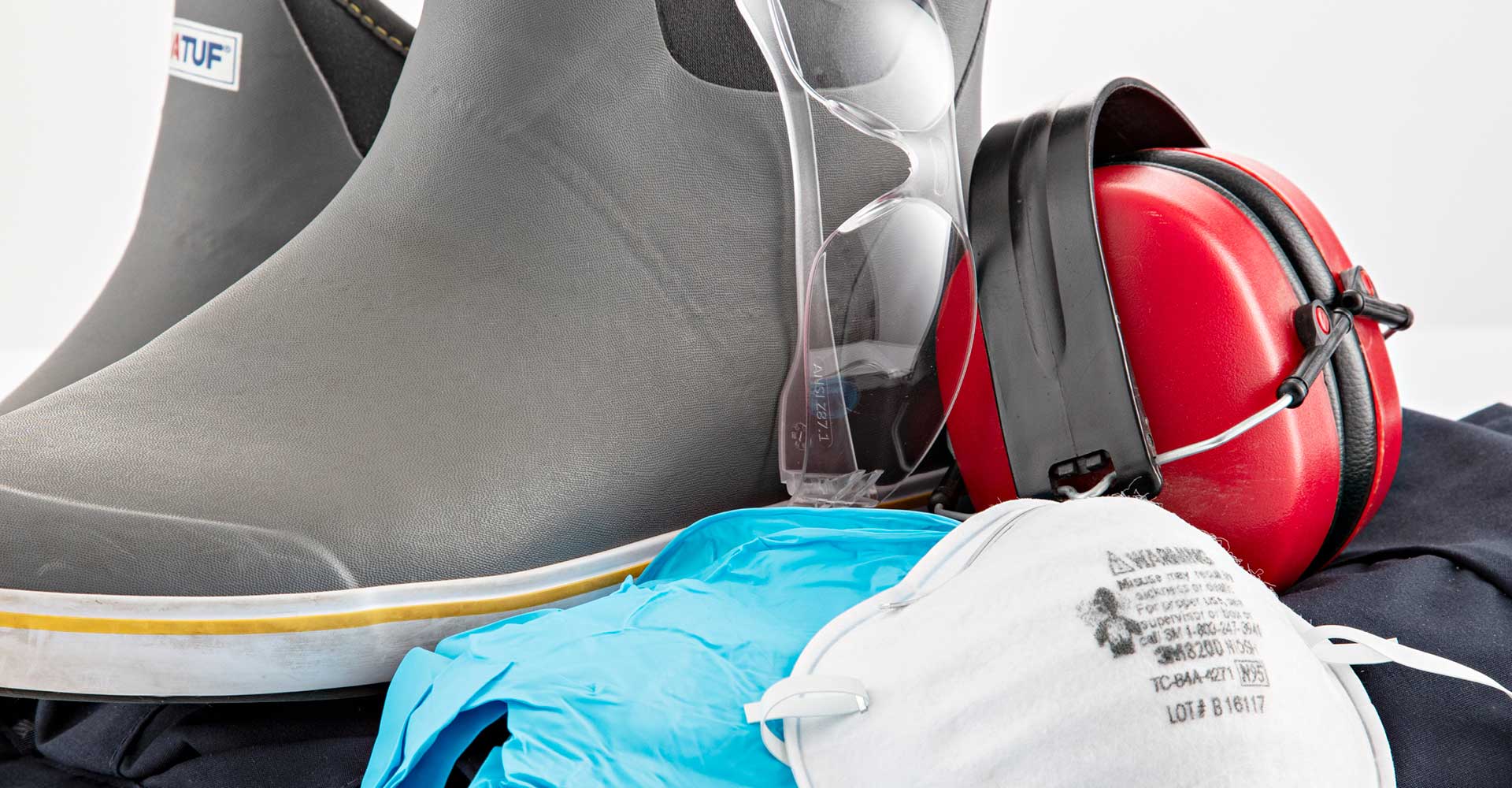
Arguably the most important gear in the brewhouse is what we wear ourselves: personal protective equipment, the armor that keeps us from harm amid the boiling-hot, corrosive, slippery dangers of manufacturing beer.